Viking Rise
- 12.28K
- 4.5
- Installs
- 10.00M
- Price
- Free

Screenshots
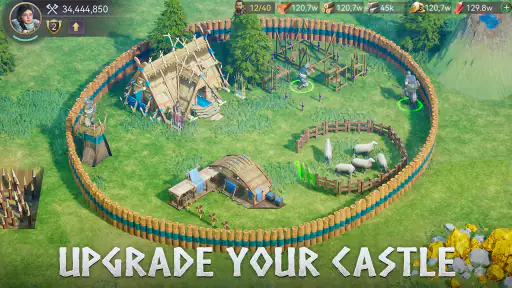
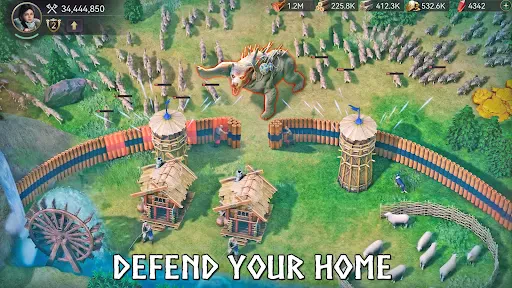
Analysis by Reviewed
I usually judge a strategy game by what remains after the first burst of excitement: whether its routine still feels worthwhile, and whether keeping up becomes a chore. Viking Rise makes a strong first impression with its Norse setting and settlement-building, but its lasting appeal depends on how much you enjoy planning around other players and returning to a growing village. It’s a free strategy game from IGG.COM, rated Teen, and its 4.5 average from around 793,000 ratings suggests it has found a sizable audience. I’d consider it for someone who likes a long-running multiplayer project, not someone looking for a quick, self-contained campaign.
From the first session to a lasting routine
I look at the first week as a chance to find out whether the Norse settlement and its multiplayer strategy are genuinely engaging, rather than assuming early expansion will hold my attention indefinitely. I’d try a few different kinds of sessions and notice which choices I look forward to making; that will help me judge the longer routine that follows.
Why the opening hours catch your attention
So, I recently found myself diving into the epic world of Viking Rise: Valhalla, and let me tell you, it’s been quite an adventure! If you’re a fan of strategy games with a Norse twist, then you might want to stick around and hear what this app has to offer.
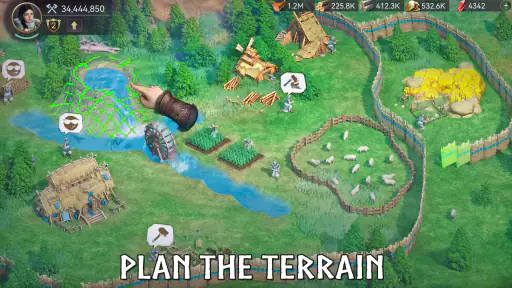
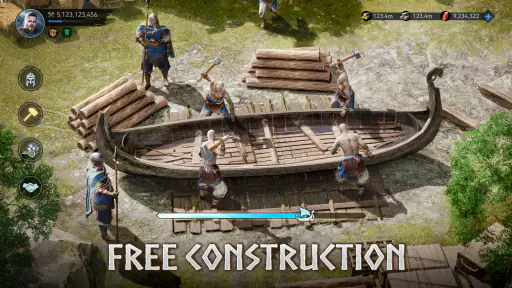
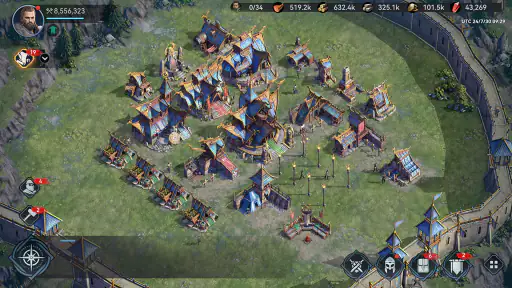
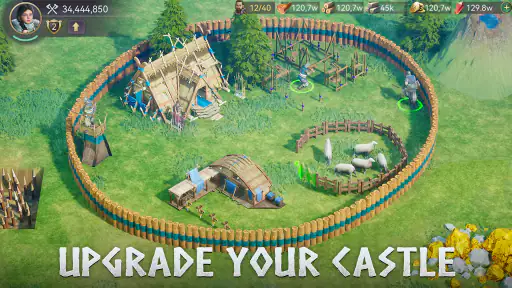
Alright, first things first, let’s talk about what makes Viking Rise stand out. This game throws you right into the heart of Norse mythology where you get to build your own Viking settlement. The graphics are top-notch, and the level of detail is just stunning. I mean, who wouldn’t want to command a fleet of longships while basking in the glory of the Northern Lights?
The first-week pull comes from having a place that visibly grows while giving you several kinds of decisions to make. Building up a settlement is easy to understand at a glance, but the surrounding strategy asks you to think beyond the next upgrade. I found that combination more engaging than a game where every session is simply a fresh battle: there is a home base to care about, and the wider map gives that work a competitive purpose.
That appeal is strongest if you enjoy learning a system gradually. Rather than treating every new option as a demand to optimize immediately, I’d choose one priority at a time: strengthen the settlement, prepare an army, or learn how nearby players affect your plans. This makes the opening less overwhelming and helps you notice which part you actually enjoy. If what you want is a short story with a clear ending, though, a campaign-focused strategy game is likely a better match.
Planning around the multiplayer pace
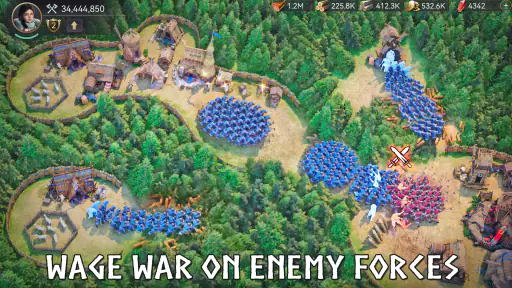
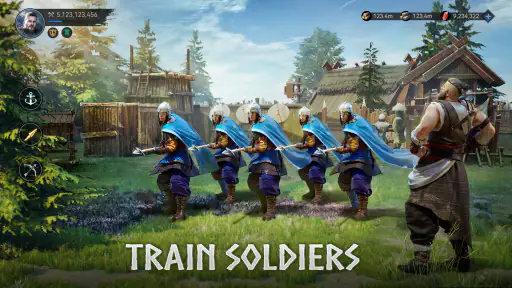
The game mechanics are pretty straightforward. You start with a small village and gradually expand your territory by conquering nearby lands. It’s all about strategy here, folks! You’ve got to gather resources, train your warriors, and make alliances with other players to strengthen your clan. The multiplayer aspect is a huge win, allowing you to team up with friends or go head-to-head with rivals.
More From Our News Desk

Weather by Xiaomi Review: Clear at a Glance, Less Clear Up Close

X Under Pressure: Can It Recover When Posting Goes Wrong?

Clash of Clans Is Won Between the Battles

Android Auto Makes the Case for Quieter Car Software

MobiOffice: Transforming Mobile Productivity with Seamless Integration

EA SPORTS FC™ Mobile Soccer: Redefining Mobile Sports Gaming
One feature that really caught my eye is the hero system. You can recruit legendary Norse heroes like Ragnar Lothbrok and Lagertha to lead your armies. Each hero comes with unique skills and abilities, adding an extra layer of strategy to the game. Plus, the real-time PvP battles are intense! Just when you think you’ve mastered the battlefield, another player swoops in with a surprise attack. Keeps you on your toes, for sure!
That unpredictability is also a trade-off. I would treat a strong army as only part of a plan: timing, coordination with allies, and awareness of rival activity matter too. If I had only a short break, I’d focus on one clear village task rather than starting a risky confrontation I couldn’t follow through. Players who prefer asynchronous, low-pressure strategy may find a solo city-builder more comfortable; the social competition here is part of the appeal, but it can make progress feel less fully under your control.
For alliance-minded players, the social side changes how I’d approach a session. Before committing troops or escalating a rivalry, I’d check whether the people I’m playing alongside can coordinate and whether I can be available long enough to take part. That small pause is useful because a multiplayer plan is not just a question of which army looks strongest; it also depends on whether the timing makes sense for the group. If I prefer to make every decision alone and at my own pace, that dependence on other players would be a reason to look elsewhere.
Compared with the usual strategy alternatives, Viking Rise sits between a solo settlement-builder and a more direct competitive game. The village gives patient planners something to develop, while rival activity and alliances keep the larger picture unsettled. That mix is a strength when I want my choices to have a social context, but it also means it is less suited to a quiet, pause-and-resume puzzle or a finite tactics campaign. I would pick it for an ongoing shared world, not as a substitute for a game designed to be completed in a few focused evenings.
What keeps the setting lively
The developers did an amazing job of incorporating Norse mythology into every aspect of the game. From the mystical creatures you encounter to the epic sagas you uncover, it’s clear that a lot of thought went into crafting an authentic Viking experience. The sound design deserves a special mention too. The haunting melodies and battle cries really pull you into the world of Valhalla.
And let’s not forget about the daily events and challenges that keep things fresh. Whether you’re raiding a monastery or defending your village from invaders, there’s always something to keep you coming back for more.
The theme is more than decoration when it makes routine tasks feel like part of the same world. I especially value that kind of coherence in a game I may revisit in brief sessions: the settlement, the heroes, and the mythic framing give those visits a recognizable character. Still, atmosphere cannot carry every return on its own. Once the novelty of the setting settles, I’d want the decisions and the company of other players to be the reasons I stay.
Events can provide a useful nudge, but I wouldn’t treat every challenge as an obligation. When I have time for a longer session, an event can give me a defined target; on a crowded day, I’d be better off doing a small piece of settlement upkeep and leaving the rest. That choice protects the game from becoming a checklist. A recurring event is valuable only when it gives me a reason to play, not when I feel I have to rearrange my day around it.
Making the routine work for you
In an ordinary week, I can imagine checking in around work or study to see how the settlement is progressing, then setting a modest goal such as improving the village or preparing troops before spending longer on a coordinated session. That kind of stop-and-start habit suits a game with ongoing development better than trying to finish everything in one sitting. A useful approach is to decide what you want from each visit before opening it; otherwise, events and competing priorities can turn a quick check into a longer commitment.
A realistic routine might be to open the game during a lunch break, choose one improvement, and save any alliance-dependent plans for a time when I can focus. Later, if friends or clanmates are available, I could return for the more social side. The point is not to check constantly; it is to separate tasks that can be handled alone from plans that need coordination. That distinction makes the game easier to fit around work, study, or family time, and helps prevent a short visit from becoming an unplanned stretch of play.
For someone wondering whether they can enjoy it without a regular group, I’d say the settlement and progression offer things to do, but the multiplayer layer is central enough that playing entirely in isolation would miss a meaningful part of the design. A dependable alliance is therefore not just a social bonus; it can affect how appealing the ongoing competition feels. If I had no interest in communicating or aligning plans with other players, I would choose a single-player strategy game instead, where progress does not depend on anyone else’s schedule.
There is also a real difference between enjoying the Norse theme and enjoying the maintenance that comes with a persistent strategy game. The events provide reasons to return, but recurring tasks can feel repetitive once the novelty of expansion fades. I’d recommend keeping spending optional in your own mind: the game is free to start, while in-app purchases range from $0.49 to $299.99 per item. That wide spread makes it sensible to set a personal limit before any purchase, especially if competition makes you feel hurried.
The purchase range is a practical reason to decide your boundaries early, rather than waiting until a competitive moment makes spending seem urgent. I’d first see whether the ordinary pace and the parts I enjoy are enough to keep me interested. If I do choose to spend, I would treat it as optional entertainment rather than a way to fix a mismatch with the game’s pace. Someone who expects a free strategy game to stay satisfying without any temptation to accelerate should be especially deliberate about that distinction.
What does it take to keep the game enjoyable month after month? For me, the answer is a manageable routine and a genuine interest in the social contest, not simply a desire to collect upgrades. I’d make a small personal rule—one or two goals per visit—and let unfinished tasks wait. That makes it easier to tell whether I’m returning because I like planning and alliance play or merely because a prompt has reminded me to log in. If the latter becomes the main reason, the recurring value is probably fading.
For a new player, the practical question is whether an older phone can run it. The listed minimum is Android 5.1, and the current version is 1.4.303; compatibility alone, though, doesn’t guarantee the same experience on every device. It has passed 10 million installs, and the store shows around 12,000 written reviews, but those figures don’t tell me whether its always-on social pace fits an individual player. I’d choose it for alliance play and gradual progression, and skip it if I wanted a polished, finite story that I could complete entirely at my own pace.
On a supported device, I’d still judge the practical fit by how comfortable it is to return to the game in the kinds of sessions I actually have. The minimum operating system is a useful starting point, but it is not a promise that every older handset will feel equally smooth. If device performance matters to you, trying a short session before making it part of a daily routine is more sensible than assuming that compatibility alone settles the question.
Age suitability is another consideration for choosing who plays. Its Teen rating gives families a clear point to consider, but I’d still make the decision based on the individual player and how they respond to online competition and in-app purchase prompts. For younger players, I’d talk about spending expectations before they begin; for adults, I’d still set a limit if competitive pressure tends to make purchases feel more appealing in the moment.
Where the habit can become tiring
The main long-term risk I see is not that the game runs out of things to do, but that the steady stream of reasons to return starts to feel like maintenance. A growing village creates satisfying direction early on; later, routine development can feel less exciting if the decisions stop feeling personal. I’d watch for the moment when I’m opening the game only to clear a task rather than because I’m curious about what to build, how to prepare, or what my allies are planning.
Competition can add a second kind of fatigue. Real-time PvP makes a victory feel immediate and gives planning real stakes, but it can also make the pace feel demanding for players who cannot be available when a group needs them. I would not recommend treating every loss or surprise attack as a problem that must be answered at once. Taking a break is often a better response than letting rivalry turn a recreational game into a source of pressure.
This is also why I would be cautious about measuring progress against other players. In a persistent world, someone else’s pace is not a useful standard for deciding whether my own settlement is developing well. I would focus on whether my choices are satisfying and whether the alliance experience feels welcoming. If I find myself frustrated whenever I cannot keep up, that is a strong sign that a less time-sensitive strategy game would fit me better.
My long-term take
In conclusion, if you’re looking for a game that combines strategy, mythology, and a vibrant community, Viking Rise: Valhalla might just be your next obsession. It’s a game that rewards patience and cunning, and it’s perfect for anyone who wants to unleash their inner Viking. Just remember to keep your axes sharp and your wits sharper!
So, what are you waiting for? Grab your horned helmet and dive into the world of Viking Rise: Valhalla. Skål!
My recommendation is strongest for players who like seeing a settlement take shape and who enjoy making plans with other people. It has enough Norse atmosphere to make the setting appealing, but its lasting value comes from whether the village-building, hero choices, and multiplayer competition continue to give you decisions worth returning for. If that combination is already your kind of strategy game, the free entry point makes it easy to see whether the routine suits you.
I’d pass if I wanted a self-contained story, a purely solo experience, or a game that asks nothing of me between occasional sessions. The regular events can make the world feel active, yet the same ongoing pace can be tiring when daily play starts to feel compulsory. For me, it earns lasting space only when I can set my own goals, keep spending in perspective, and enjoy the alliances without letting the game dictate my schedule.
Viking Rise Frequently Asked Questions
Can I play Viking Rise with friends or other players?
Viking Rise is built around competing with other players as you explore Valhalla and seek to conquer Midgard. Its online focus makes it a better fit for people who enjoy a shared strategy experience than for those looking only for a self-contained offline game. A reliable internet connection is required, so consider that before downloading if you expect to play while disconnected.
What kind of game is Viking Rise, and what should I expect from its strategy gameplay?
Viking Rise is a strategy game centered on the Viking world. Its store summary highlights racing against other players to explore Valhalla and conquer Midgard, giving the game a competitive, large-scale feel. If you enjoy planning and developing a strategy while engaging with other players, its premise may appeal to you; it is less suited to someone looking for a simple offline experience.
Who is Viking Rise designed for, and is it suitable for younger players?
Viking Rise is rated Teen, so families should review that age guidance before downloading it for a younger player. The game’s Viking setting and competitive strategy focus may be a good fit for teens who enjoy this genre. Parents can also check the rating displayed in their app store and discuss whether the game is appropriate for their child.
How much storage space should I have available before downloading Viking Rise?
It is sensible to check that your device has room for the game and its updates before starting the download. Available space can affect whether installation completes smoothly, and keeping some extra room free may also make it easier to install future updates. Check your device’s storage settings and the current app-store download details before proceeding.
What is Viking Rise: Valhalla about?
Viking Rise: Valhalla is a strategy game that immerses players in the Viking Age, where they can lead their own band of Norse warriors. Players can explore new territories, build settlements, and engage in epic battles. The game combines elements of real-time strategy with RPG elements, offering an engaging experience for fans of both genres. Its store summary emphasizes racing against other players to explore Valhalla and conquer Midgard.
Pros
- Immersive Viking-themed strategy gameplay.
- Rich graphics and detailed environments.
- Engaging storyline with historical elements.
- Multi-player alliances and battles.
- Regular updates with new content.
Cons
- Requires a stable internet connection.
- In-app purchases can be expensive.
- Steep learning curve for beginners.
- Battery drain on mobile devices.
- Occasional bugs and glitches.
- Category
- Strategy
- Version
- 1.4.303