Tomorrow: MMO Nuclear Quest
- 533.00
- 4.4
- Installs
- 1.00M
- Price
- Free
Screenshots


Analysis by Reviewed
I’d approach Tomorrow: MMO Nuclear Quest as a survival game to sample in short, deliberate sessions rather than a world where every system is obvious at first glance. Its premise points toward scavenging, crafting, shelter-building, and zombie fights, so the first useful goal is simple: learn what the game asks you to do before treating every unfamiliar encounter as a must-win battle. That makes the early minutes feel less like a test and more like a chance to find your bearings.
What to expect from this wasteland
This is an action game from Swift Apps LTD, built around survival RPG ideas and a world shaped by nuclear disaster. The tone is harsher than a casual action game: supplies matter, enemies create pressure, and choices about what to make or where to go can affect how prepared you feel for the next challenge. The zombie threat gives the setting a direct danger, while crafting and base-building provide a slower counterpoint to combat.
The game is free to download, with optional in-app purchases priced from $0.99 to $99.99 per item. That wide range is worth noticing before you start: I’d first learn how progression feels through ordinary play and only consider spending once I understand which parts I genuinely enjoy. It is rated Mature 17+, so it is not a good pick for younger players or for anyone looking for a gentle, family-friendly survival game.
For a first-time player, the useful question is not whether to build the perfect base straight away, but what the current task needs. If a trip is likely to involve danger, I’d prioritize being equipped and having a clear return plan over collecting every interesting object. If I’m in a safer stretch, that is a better time to think about crafting and improving a home base. This small change in mindset helps keep exploration from turning into aimless looting.
Getting started without overcommitting
When you install it, take the opening prompts at a steady pace and treat them as your first orientation. The game’s current version is 1.0.2, and it runs on Android 7.0 or later. I would avoid making early purchases or committing to a long session before I know how the basic loop feels on my device. Start by identifying the immediate objective, checking what materials it asks for, and learning how the game communicates danger and progress.
The store’s short description is simply “Tomorrow,” which gives little practical guidance, so I’d rely on what the game itself shows once it opens rather than assuming the title explains its systems. A good first success is completing one clear task and returning with enough understanding to repeat the process—not trying to master combat, crafting, and base design all at once. That makes the first session more reassuring, especially if survival games usually feel busy to you.
How to make the first outing count
Before heading into a risky area, I’d decide what I am actually looking for and avoid filling the trip with unrelated goals. A focused run can teach you which materials are useful and how quickly danger changes your plans. If you come across a fight, consider whether engaging helps the objective or merely spends time and resources. In a survival game, walking away can be a smarter first lesson than winning every encounter.
More From Our News Desk

Weather by Xiaomi Review: Clear at a Glance, Less Clear Up Close

X Under Pressure: Can It Recover When Posting Goes Wrong?

Clash of Clans Is Won Between the Battles

Android Auto Makes the Case for Quieter Car Software

MobiOffice: Transforming Mobile Productivity with Seamless Integration

EA SPORTS FC™ Mobile Soccer: Redefining Mobile Sports Gaming
After the outing, use what you learned to choose a practical next step: craft something that supports the next trip, or put effort into making your base more useful. This is a more dependable rhythm than collecting without a purpose. It also gives you a natural stopping point if you only have a few minutes to play: finish the task, take stock, and leave the next expedition for later.
How the survival loop feels in practice
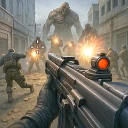
From the moment you launch Tomorrow: MMO Nuclear Quest, you’re thrust into a world ravaged by nuclear fallout. The visuals are nothing short of stunning, giving you a hauntingly beautiful glimpse into a dystopian future. As you wander through the wasteland, you’ll encounter ruins of what once was, and it’s up to you to gather resources, forge alliances, and fend off both human and environmental threats.
Gameplay That Keeps You on Your Toes
What sets this game apart is its dynamic gameplay. You’re not just playing against the game, but against other players. This adds a layer of unpredictability and excitement as you negotiate alliances and rivalries. The crafting system is quite detailed; you’ll find yourself scavenging for materials to build weapons, shelters, and even vehicles. The game’s economy is player-driven, which means the value of resources can fluctuate based on demand and supply, making every decision impactful.
Join Forces or Go It Alone?
One of the most compelling aspects is the choice between cooperation and competition. Will you join a guild and collaborate on missions, or will you strike out on your own, trusting no one? The game’s social features are robust, offering a chat system, forums, and events that encourage interaction. For those who thrive on teamwork, there are plenty of opportunities to form tight-knit groups that can dominate the wasteland.
The developers have done an excellent job of balancing solo and group play. Whether you're a lone wolf or a social butterfly, you'll find your niche. There are missions that cater to both playstyles, ensuring that everyone has a chance to enjoy the game fully.
The Thrill of Exploration
Exploration is at the heart of the experience. The map is vast and filled with secrets waiting to be uncovered. From hidden bunkers to resource-rich areas, every corner of the map offers something new. The thrill of venturing into unknown territory, never quite sure what you’ll find, is a huge draw for players who love discovery.
As you explore, you’ll encounter NPCs who can offer quests, trade goods, or provide valuable intel. These interactions add depth to the game and make the world feel alive. It’s not just about survival; it’s about thriving in a new world.
Deciding whether to settle in
There is a useful distinction between enjoying a promising first session and knowing whether a survival game will hold your attention over time. I’d look at whether the loop leaves me curious about the next trip: do I want to gather something specific, improve my base, or take a different risk? If those choices feel satisfying, the slower preparation has a purpose. If I’m only waiting for the next fight, this may not be the right fit.
The game has an average rating of 4.4 from around 17,000 ratings, and more than one million installs. That gives a newcomer some sense that it has found an audience, but popularity cannot settle the personal question of pacing. I’d use the free entry to test the parts that matter to me, while keeping the purchase range in mind and avoiding the assumption that spending is necessary to enjoy the basics.
Final Thoughts
In conclusion, the game offers a rich and immersive experience. With its blend of strategy, survival, and social interaction, it keeps you engaged and on the edge of your seat. The game’s ability to allow players to shape their own stories within its world is a testament to its depth and replayability.
So, if you’re ready to dive into a post-nuclear adventure and test your survival skills against the elements and fellow survivors, give this game a try. Who knows, you might just find your new favorite virtual home in the wasteland!
Where it fits among survival games
Compared with a straightforward zombie action game, this experience asks you to think beyond the next fight: gathering and crafting give each trip a practical purpose, while building a base adds a longer-term goal. That extra planning is the appeal if you like making progress between encounters. It is also the trade-off. If you want quick matches, a clear finish line, or combat without resource management, a more focused action game will suit you better.
I’d recommend it most to players who enjoy setting their own priorities and don’t mind learning by trying, adjusting, and trying again. If you prefer a tightly guided story or dislike the pressure of survival decisions, the open-ended loop may feel less satisfying. Those who want a relaxed decorating game may also prefer a calmer building experience, while players seeking a purely solo narrative should look for a game designed around that kind of story.
A sensible routine for short play sessions
For an everyday example, imagine opening the game during a spare break and having time for one outing. I’d choose a single resource or task to focus on, avoid turning the trip into a tour of every nearby threat, then use the return to decide what the next crafting or base priority should be. The benefit is that even a brief session can leave you with a clear result. The trade-off is that this measured approach may feel slow if you want constant action from the first minute.
One practical habit is to treat your base as a planning point, not just a place to spend materials. Before leaving, check whether the goal of the trip supports a specific next improvement; after returning, use what you found to make that improvement rather than scattering resources across several ideas. I also wouldn’t assume every encounter is worth pursuing. Keeping a narrow objective can make a risky outing easier to judge, especially while you are still learning how combat and survival demands fit together.
Who should try it—and who should pass
The game makes the most sense for someone who likes a mix of action and preparation: a player who enjoys deciding whether to explore, gather, craft, or strengthen a base, and who is comfortable with a mature post-disaster setting. Its free entry makes it possible to see whether that loop clicks before spending, though the optional purchase range gives a good reason to set a personal budget in advance.
I’d skip it if you want a calm building sandbox, a purely solo story, or an experience that explains every decision immediately. Its multiplayer framing and survival focus point toward uncertainty, and that can be exciting or tiring depending on your mood. If you are unsure, try a short session, learn one basic routine, and decide based on whether planning your next move feels rewarding rather than like homework.
What to know before continuing
The game is free to start, but purchases are optional and vary in price; I’d play long enough to understand the ordinary progression before deciding whether any purchase is worthwhile. Its Mature 17+ rating also makes the intended audience clear. For someone wondering whether to commit straight away, my answer is no: treat the first session as a low-pressure test of the survival loop, then continue only if the mix of scavenging, building, and fighting holds your attention.
A practical question for a first-time player is whether to focus on combat or crafting first. I’d let the immediate objective decide: use preparation to make a trip more manageable, and avoid turning every early encounter into a separate challenge. Another is whether a short session can feel worthwhile. It can, provided you give it one clear purpose and stop after you have learned something or made a useful return, rather than starting several plans at once.
There is plenty to like in the idea of shaping a routine in a dangerous world, but the strongest reason to stay is whether you enjoy the decisions between fights as much as the fights themselves. I’d give it a try if that balance sounds appealing, and keep expectations measured until you have found your own rhythm. A focused first outing, a useful return to base, and a clear next goal are enough to tell you whether this wasteland is somewhere you want to spend more time.
Tomorrow: MMO Nuclear Quest Frequently Asked Questions
Is Tomorrow: MMO Nuclear Quest suitable for someone who prefers casual, low-pressure games?
Tomorrow: MMO Nuclear Quest is a survival action game built around a wasteland setting, crafting, base-building, and fighting zombies. Those elements point to a more involved experience than a simple pick-up-and-play puzzle game. If you enjoy working toward survival goals and engaging with combat, its premise may appeal to you; players looking for a relaxed, combat-free game may want to consider that before downloading.
What should I expect to do during gameplay?
The game’s survival RPG premise centers on exploring a wasteland, crafting items, building a base, and fighting zombies. It also has a multiplayer focus, so its appeal is not limited to a solo survival loop. These activities suggest a mix of preparation and action: you can work on building and crafting, then face threats in the game world. That combination is worth considering if you are choosing a new action game.
What kind of device and operating system do I need to run Tomorrow: MMO Nuclear Quest?
Before downloading, check that your device runs Android 7.0 or later, which is the stated minimum operating-system requirement. Tomorrow: MMO Nuclear Quest is a mobile action game, so it is intended for play on a compatible phone or tablet. Keeping your operating system current can also help you avoid basic compatibility issues when installing and launching the game.
What is Tomorrow: MMO Nuclear Quest?
Tomorrow: MMO Nuclear Quest is an immersive multiplayer online game set in a post-apocalyptic world. Players are thrust into a challenging environment where they must navigate through nuclear fallout zones, engage in strategic battles, and form alliances to survive. The game offers a unique blend of strategy, combat, and exploration, providing endless entertainment for fans of the genre. Its survival RPG premise also involves crafting and building bases in a wasteland while facing zombies.
Can I play Tomorrow: MMO Nuclear Quest on both Android and iOS devices?
Yes, Tomorrow: MMO Nuclear Quest is available for both Android and iOS platforms. This means you can enjoy the game on your smartphone or tablet, regardless of the operating system. However, ensure your device meets the minimum system requirements for optimal performance and an uninterrupted gaming experience.
Pros
- Immersive post-apocalyptic world.
- Engaging multiplayer quests.
- Regular content updates.
- Stunning graphics and sound.
- Comprehensive crafting system.
Cons
- Steep learning curve for beginners.
- Occasional in-game lag.
- Requires constant internet connection.
- Frequent in-app purchases.
- Battery drains quickly.
- Category
- Action
- Version
- 1.0.2