Titan Rush
- 710.00
- 4.7
- Installs
- 1.00M
- Price
- Free

Screenshots

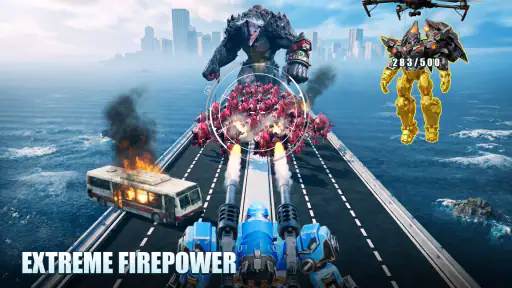




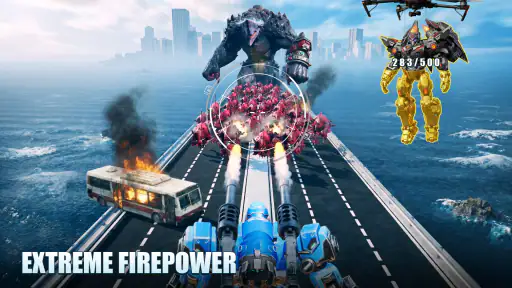

Analysis by Reviewed
I can usually tell whether a strategy game will fit my routine by asking one practical question: can I make a considered move, put my phone down, and return without feeling punished for having a life? Titan Rush has the kind of forceful, battle-minded identity that makes me curious, but the useful way to approach it is with a little patience rather than assumptions. Its brief store line evokes a stand-your-ground mood; it doesn’t tell me how a match works, so I wouldn’t treat that as proof of particular units, modes, or mechanics.
What I can say is that this is a free strategy game from RATING GAME, currently at version 4.8.0. It has a 4.7 average from around 31,000 ratings, with more than a million installs. Those figures suggest that plenty of players have tried it, but they don’t tell you whether its rhythm suits you. My recommendation is to use the opening sessions to learn the actual decision cycle: what the game asks you to choose, what information it gives you before a choice, and how clearly it shows the consequence afterward.
Finding a steady rhythm before chasing wins
A baseline routine that reveals the game
For a first session, I’d avoid trying to optimize everything at once. Play slowly enough to notice what each screen is asking you to do. Before committing to a move, pause and identify the immediate objective, the resource or position at stake, and what you’ll be giving up by choosing one option over another. That simple habit is more useful than tapping quickly just because a game looks action-oriented.
After a match or decision sequence, take a moment to work out why the result went your way or against you. Was the key choice made too early? Did you overlook a cost or a warning? Did you pursue a tempting short-term gain instead of protecting the position you needed later? I find this kind of small after-action check helps separate a genuinely strategic loss from a rushed mistake. It also gives you a repeatable way to improve without relying on guesses about secret tactics.
A realistic use case is a short break between errands. I’d begin a session only when I have enough attention to finish the current decision, rather than opening a strategy game while juggling messages and expecting it to play itself. If Titan Rush lets you pause naturally between stages or turns, use those boundaries; if it expects continuous attention, keep sessions for a quieter moment. The important point is to learn its pacing before making it part of a hurried routine.
Settings to check before settling in
On the first launch, I recommend checking the available sound, notification, control, and display options rather than accepting every default. I’m not claiming Titan Rush has a particular setting in each of those categories; menus vary between games and versions. The practical rule is to look for controls that reduce distraction or make choices easier to read, then leave everything else alone until you have a reason to change it.
If there is a tutorial or help section, use it as a reference rather than trying to memorize every instruction in one sitting. Return to it when a term or button becomes relevant. This is especially helpful in strategy games, where a tutorial can introduce several ideas before you know which ones matter most. If the game provides no convenient replay of guidance, take a mental note of the one rule that affects your next decision instead of trying to reconstruct the entire opening later.
You May Like

Clash of Clans Is Won Between the Battles

Android Auto Makes the Case for Quieter Car Software

MobiOffice: Transforming Mobile Productivity with Seamless Integration

EA SPORTS FC™ Mobile Soccer: Redefining Mobile Sports Gaming

How Microsoft OneDrive Became a Mobile Productivity Giant

How Google Translate Breaks Language Barriers Effortlessly
I’d also check the device’s own notification controls. A strategy session is easier to follow when alerts don’t interrupt an important choice, but you may still want calls or essential reminders to come through. That is a better compromise than silencing everything or allowing every app to compete for attention. If you play with sound off, make sure important prompts remain understandable visually; don’t assume audio is merely decorative until you have tested it.
Faster play comes from repeatable habits
Experienced play doesn’t have to mean frantic tapping. I get more value from a small checklist that I can repeat before each meaningful decision: check the objective, scan the available options, notice the cost, then commit. Once that sequence feels natural, it becomes faster without making the game feel automatic. It also helps when you return after a day away, because you have a clear way to reorient yourself instead of relying on half-remembered momentum.
Another useful habit is to change one thing at a time when experimenting. If a new approach works, you can tell which choice probably helped; if it fails, you can learn something specific rather than blaming an entire run on a vague feeling. Keep the experiment modest: try a different priority or timing only when the game itself presents a meaningful alternative. I wouldn’t recommend copying a supposed advanced strategy from elsewhere unless it matches the choices and rules you can actually see in your own session.
Shortcuts are worth using only if the game visibly offers them. Look for clearly labeled quick actions or repeat controls, and test them in a low-stakes moment before depending on them. A shortcut that skips a confirmation may save taps but also make an expensive or irreversible choice easier to misfire. My rule is simple: speed up routine actions, but slow down wherever the game asks for a commitment. That distinction matters more than shaving a second off every screen.
For players fitting the game around a busy day, I’d decide in advance what counts as a complete session: one encounter, one objective, or simply enough play to understand a new rule. This keeps “just one more move” from turning into an awkward interruption. It’s also a sensible way to test whether Titan Rush’s pacing matches your schedule, without assuming that progress is designed around a particular session length.
Where patience and spending deserve attention
Titan Rush is free to download, but it includes in-app purchases ranging from $0.99 to $199.99 per item. That is a broad range, so I’d review each purchase carefully rather than treating the free entry point as a guarantee that everything you want will remain free. Before buying, check what the item actually provides, whether it is optional for your goals, and whether the same benefit can be earned through ordinary play. If the value is unclear, waiting is the safest choice.
I’d also set a spending limit through the device or store account before handing the game to a younger player. Its content rating is Teen, and purchases can add up quickly when decisions are made in the middle of play. A password or approval requirement helps prevent accidental taps from becoming real charges. That advice applies even if you personally never plan to spend: it is easier to decide calmly outside a match than when a prompt is in front of you.
The larger strategic limitation is uncertainty about fit. A high average rating and a large player base can make a game worth sampling, but neither guarantees that you’ll enjoy its particular tempo or decision style. Give the opening a fair trial, then judge the game on whether its choices feel meaningful and whether it explains consequences clearly. If you find yourself tapping through prompts without understanding why, slow down or step away rather than treating persistence as progress.
For comparison, many strategy games lean heavily on long-term planning, while others emphasize rapid tactical reactions. Titan Rush belongs to the strategy category, but I wouldn’t claim it follows one of those patterns without seeing that behavior in play. If you want a game built around deliberate choices, test whether its decisions reward reflection. If you mainly want a quick reflex challenge or a story-first experience, a different kind of game may be a better match. The right comparison is not a genre label alone; it is the amount of attention and planning you enjoy giving a session.
Who will enjoy learning it
I’d recommend giving Titan Rush a try if you like learning a game by observing outcomes, building consistent habits, and improving one decision at a time. It is a particularly reasonable choice for someone who wants to sample a free strategy title before deciding whether it belongs on their home screen. The 4.7 average is encouraging as a broad signal, but your own first few sessions should carry more weight than a rating.
I’d be more cautious if you dislike in-app purchase prompts, prefer games that explain every rule upfront, or want a guaranteed fit for very short, interrupted sessions. The Teen content rating is another reason to check that the game is appropriate for the person using it, rather than assuming the strategy label alone says everything about its tone. And if you need a game with a known specific mode or play style, verify that directly in the app before investing time or money.
My verdict after weighing the trade-offs
My approach to mastering this game would be steady rather than complicated: learn the visible rules, use a consistent decision checklist, review mistakes without changing everything at once, and treat shortcuts as useful only when their effect is clear. That workflow offers practical value without inventing hidden systems or promising a winning formula. It also gives you an honest test of whether the game’s strategy suits your own habits.
Titan Rush is worth a look for curious strategy players who are comfortable exploring a game at their own pace and keeping an eye on optional spending. Its free download and substantial audience lower the barrier to trying it, while the purchase range and unknown personal fit are good reasons to stay deliberate. I’d install it, learn the basics in a focused session, and decide from the quality of the choices—not the forceful theme or popularity alone—whether it deserves a regular place in your routine.
Titan Rush Frequently Asked Questions
What is Titan Rush, and what do you do in the game?
Titan Rush is an action game built around fast-paced encounters with enormous enemies. Players guide a character through combat-focused stages, dodge incoming attacks, and strike at opportunities to deal damage. The precise features and objectives can vary by version, so check the game’s store listing and in-game instructions before downloading to confirm what is available on your device.
Is Titan Rush free to download, and does it include in-app purchases?
The download price and available purchases depend on the platform, region, and current store listing. Some games are free to install but offer optional purchases, such as currency, upgrades, or other content; others may require payment upfront. Review the pricing information and in-app purchase details on Google Play or the App Store before installing, and use purchase controls if children may play.
Can I play Titan Rush offline, or do I need an internet connection?
Whether Titan Rush works offline may depend on its version and which features you want to use. A single-player mode might be playable without a continuous connection, while downloads, advertisements, cloud saves, events, or online features may require internet access. Check the developer’s description and test the game after installation if offline play matters, especially when travelling or using limited mobile data.
Which devices support Titan Rush, and how much storage does it need?
Compatibility requirements can differ between Android and iOS versions and may change after updates. Before downloading, check the store page for the minimum operating-system version, supported device information, and the listed download size. Keep extra free storage available because the installed game may use more space than the initial download, particularly if it retrieves additional files when launched.
Is Titan Rush suitable for children, and what should parents check?
Suitability depends on the game’s content, age rating, advertising, and purchase options in your region. Before allowing a child to play, review the current Google Play or App Store rating and description, then check whether the game includes ads, online interaction, or in-app purchases. Parental controls can help limit spending and access, but ratings and features may differ by version.
Pros
- Fast-paced runs make it easy to enjoy a quick session.
- Simple controls are approachable for newcomers.
- Obstacle courses reward quick reactions and careful timing.
- Unlockable content gives players goals to work toward.
- The colorful presentation keeps the action easy to follow.
Cons
- Repeated runs can start to feel predictable.
- Progress may require substantial replaying.
- Frequent obstacles can make later sections frustrating.
- The game offers limited variety beyond its core running gameplay.
- Ads or in-app purchases may interrupt the experience.

- Category
- Strategy
- Version
- 4.8.0