Rise of Kingdoms: Lost Crusade
- 76.53K
- 4.4
- Installs
- 50.00M
- Price
- Free

Screenshots
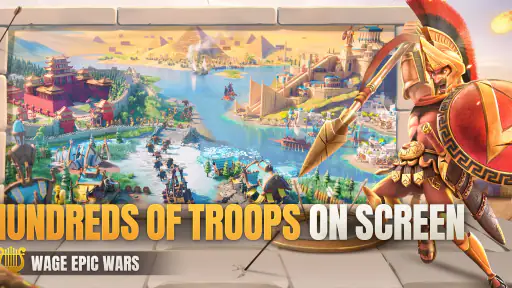
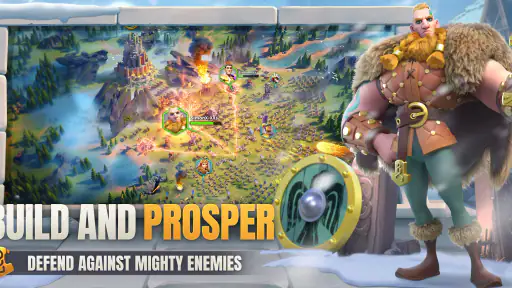
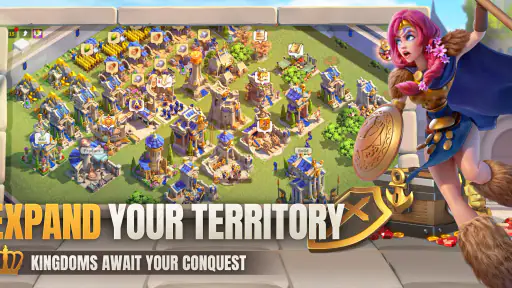
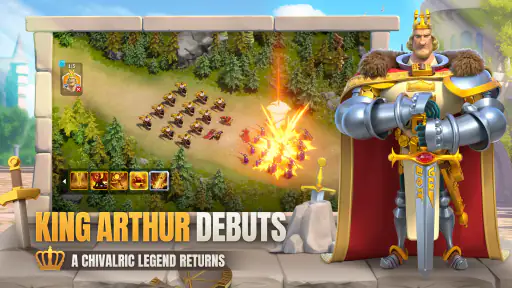
Analysis by Reviewed
My first impression of Rise of Kingdoms: Lost Crusade was that it makes a strategy game feel busy from the outset: there is a civilization to shape, a map to explore, and other players to coordinate with. That first-week momentum is appealing, but I think the better question is whether its mix of building, battles, and alliance activity still feels worthwhile once the novelty wears off. For me, the answer depends on how much room you want this game to take up in your routine.
Why the first week feels busy
Early on, there is a clear sense of direction. You are developing a civilization, sending scouts into unexplored places, and learning how your choices affect your progress. The game’s real-time world map gives those decisions a visible result: troops move across the terrain, and battles can change while you are watching. I found that more involving than a strategy game where every action resolves in a separate menu.
The choice of civilization also gives the opening a personal hook. Each option has its own perks and special units, so I would pick based on the kind of approach I enjoy rather than assume one choice is automatically best. Exploration helps, too: scouting can reveal rewards and caves, making it useful to check the map when I have a short stretch of time rather than only when I can settle in for a long session.
Setting the Stage for Epic Battles
First off, the game throws you into this vibrant world where you get to build your own civilization from the ground up. You're not just a player; you're the governor, the leader, the visionary behind a burgeoning empire. The graphics are pretty neat too, with detailed maps and character designs that bring ancient civilizations to life. The moment you start, you're greeted with a choice of 13 unique civilizations to lead, each with its own perks and special units. I mean, who doesn't want to lead the mighty Romans or the brave Vikings?
A Deep Dive into Gameplay
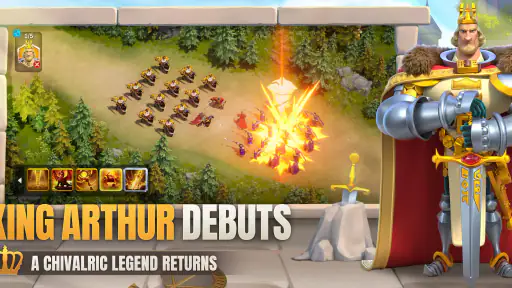
Now, onto the gameplay. Rise of Kingdoms: Lost Crusade really shines with its real-time battles on a seamless world map. You can literally watch as your troops march across the terrain, and the best part? You can join or leave battles in real-time, allowing you to strategize on the fly. It's all about being smart, not just brawny. The game demands that you strategize and form alliances. Trust me, going solo is not the best idea here. Collaboration is key!
Another cool feature is the exploration aspect. You can send scouts to uncover hidden treasures and mysterious caves. These little adventures can lead to some serious rewards. Plus, it keeps the game fresh, always giving you something to discover.
Turning active play into a routine
For a realistic everyday rhythm, I would treat it as a game to check in on rather than one that needs a single marathon session. For example, I might spend a brief break checking what is happening on the map, then return later when I have time to make a more deliberate choice about development or coordinate with an alliance. That approach suits the game’s ongoing world better than opening it only when I want a self-contained match with a definite finish.
More From Our News Desk

Weather by Xiaomi Review: Clear at a Glance, Less Clear Up Close

X Under Pressure: Can It Recover When Posting Goes Wrong?

Clash of Clans Is Won Between the Battles

Android Auto Makes the Case for Quieter Car Software

MobiOffice: Transforming Mobile Productivity with Seamless Integration

EA SPORTS FC™ Mobile Soccer: Redefining Mobile Sports Gaming
A useful habit is to decide what you want from a session before opening the game: explore, work on your civilization, or take part in the social side. Without that small bit of focus, the variety can make it easy to tap around without feeling that you made a meaningful decision. I also would not treat every event as an obligation. Events can give the community shared goals, but trying to keep up with everything is a poor fit if you want a relaxed, occasional strategy game.
Choosing how to play without turning it into a chore
One way I would keep the game manageable is to make a small personal checklist rather than trying to do everything whenever I log in. I might choose one immediate goal, such as checking the map or making a development decision, and leave the rest for another visit. This is useful because the game mixes several kinds of activity; a simple priority helps me tell the difference between a purposeful session and aimless menu-hopping.
I would also decide early how much social involvement I actually want. Joining an alliance can make the shared world more rewarding, but the right fit is one that works with my availability, not one that makes every login feel like an attendance check. If I am busy, I would rather be honest about being a casual participant than promise regular coordination and then feel guilty when real life takes priority.
Why It Stands Out
What I absolutely love about this game is the freedom it offers. You're not stuck on a linear path. Instead, you can choose how to develop your civilization. Want to focus on technology? Go for it. Prefer to strengthen your military? That's a solid choice too. This flexibility ensures that every player can carve out their own unique experience.
And let's not forget the events! The game regularly hosts events that offer exclusive rewards and challenges. Whether it's a seasonal event or a special campaign, there's always something new to look forward to. It keeps the community engaged and the gameplay exciting.
Rise of Kingdoms: Lost Crusade also boasts an active community. The alliance system allows you to connect with players from around the world. You can chat, plan strategies, or just make new friends. It's a social experience, and in a game all about building and expanding, having friends by your side makes it all the more fun.
What to expect after the novelty
Month to month, the strongest reason to return is the combination of long-term civilization development and activity with other players. That can make progress feel more meaningful than in a typical turn-based strategy game built around isolated matches. In those games, I can finish a battle and put the app away without wondering what happened while I was gone. Here, the shared world and alliance element are part of the appeal, but they also ask for more regular attention.
That trade-off is worth considering before you settle in. If I want a strategy game I can pause for days without feeling disconnected, a campaign-focused or turn-based alternative would suit me better. If I enjoy planning alongside other people and seeing a world change over time, this is a more distinctive fit. Going solo may still let me explore and develop, but the game’s own emphasis on alliances suggests that players who avoid social coordination may miss an important part of its appeal.
How it compares with other strategy games
The clearest comparison is with strategy games built around separate battles or a fixed campaign. Those usually give me a clean stopping point: finish a mission, close the game, and return when I feel like it. Here, the map is shared and ongoing, so the appeal is less about completing a neat sequence and more about watching choices play out in a world that includes other players. That difference is the reason to choose it, but also the reason it may not suit someone seeking a low-maintenance alternative.
Compared with a purely solo civilization builder, the alliance layer makes cooperation feel more central. I would recommend this approach to someone who enjoys discussing plans and seeing other people’s activity affect the atmosphere of play. If I wanted to experiment privately at my own pace, with no social expectations, a single-player strategy game would be a better match. The choice is not simply between more or less strategy; it is between a persistent social rhythm and a self-contained experience.
Maintenance, spending, and friction
The maintenance burden is less about complicated controls and more about the habit the game encourages: checking in, choosing priorities, and keeping up with an evolving shared experience. I would be cautious about starting if I only want something to play for a few minutes once in a while and never think about between sessions. The map and community are strengths, yet they can make the game feel like a commitment rather than a tidy, self-contained pastime.
It is free to start, but in-app purchases range from $0.99 to $499.99 per item, so I would set a personal spending limit before playing and avoid treating purchases as a shortcut to enjoyment. The game is rated Everyone 10+, and its broad strategy appeal may work for players who like civilization-building and social play. If you are choosing for a younger player, I would still consider whether the ongoing multiplayer setting and spending options fit your household’s expectations.
For me, the practical question is not whether purchases exist, but whether I can enjoy the game without letting them set my pace. I would begin with a clear rule: play because I like the decisions and the social world, not because I feel pressured to catch up. Since the purchase range reaches from small amounts to very large ones, it is sensible to use the device’s purchase controls and household rules if someone younger will be playing. That keeps the decision about spending deliberate rather than impulsive.
One practical tip is to make alliance participation match your real schedule instead of promising more than you can manage. A casual player can enjoy the map and development, but a group-oriented player may get more from coordinating consistently. That distinction matters: the same social feature that makes the game rewarding for one person can become a source of pressure for another.
Who will get the most from it
I think the best fit is someone who likes to return to the same strategic project over time, enjoys observing a changing map, and is comfortable with at least some interaction with other players. It can also work for someone who likes to use short breaks for small decisions and save longer stretches for planning or alliance conversation. The game’s appeal is not limited to a single dramatic battle; the ongoing development is what gives those visits continuity.
I would steer away from it if I wanted a game that can be ignored for long periods without any sense of falling out of the loop, or if I dislike coordinating with people I do not know. It is also a weaker choice for someone who wants a compact session with a clear beginning and ending every time. In those cases, a turn-based game, a focused campaign, or a single-player builder gives more control over when play starts and stops.
The Final Verdict
All in all, Rise of Kingdoms: Lost Crusade is a must-try for any strategy enthusiast. It's got the depth, the excitement, and the community engagement to keep you hooked for hours on end. Whether you're looking to conquer the world or just have some fun building your empire, this game has got you covered. So, what are you waiting for? Dive in and start your own epic journey!
My recommendation is a little more specific: I would try it if I wanted a social, continuing strategy game and had room for a regular check-in habit. LilithGames has built a game whose appeal rests on watching a civilization develop while the map and its players remain part of the experience. It has a 4.4 average from around 2.5 million ratings, and it has passed 50 million installs, signs of a substantial audience rather than a niche experiment. It first appeared on May 24, 2018, and supports Android 5.1 or later.
That popularity does not make it the right choice for everyone. I would skip it if I prefer short, clearly bounded matches, dislike alliance coordination, or find recurring events tiring. But if I enjoy weighing development choices, scouting, and sharing a strategy world with other players, it has reasons to stay interesting beyond the first few days. Its lasting value comes less from novelty than from whether that ongoing rhythm genuinely suits you.
Rise of Kingdoms: Lost Crusade Frequently Asked Questions
Does Rise of Kingdoms: Lost Crusade introduce a new civilization?
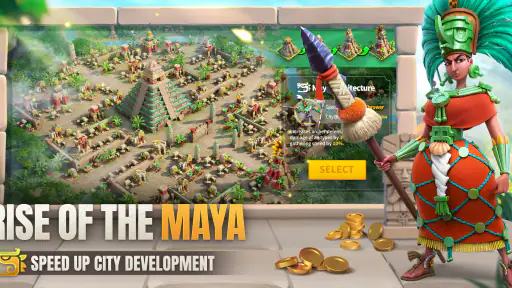
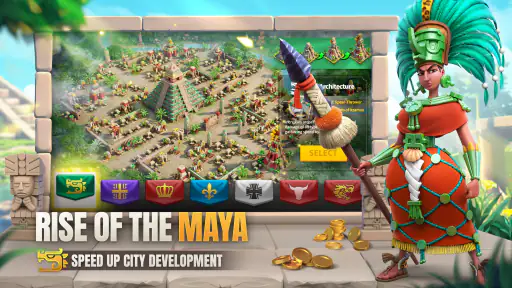
Yes. Its store summary highlights a new Maya civilization, which may interest players who enjoy exploring different civilizations in a strategy game. Rise of Kingdoms: Lost Crusade centers on building and guiding a civilization, so this addition fits its broader theme. If you are curious about the game’s civilization choices, the Maya mention is one reason to take a closer look.
What kind of game is Rise of Kingdoms: Lost Crusade, and who makes it?
Rise of Kingdoms: Lost Crusade is a mobile strategy game developed by LilithGames. Its central appeal is shaping a civilization through city development, resource management, and battles. The game also brings players together in a shared world, making it a fit for people who enjoy planning over time and cooperating or competing with others rather than playing a self-contained offline campaign.
Is Rise of Kingdoms: Lost Crusade a good choice for someone new to strategy games?
It can be worth trying if you are new to the genre and are interested in building a civilization, managing resources, and making decisions about troops and development. The game combines several strategic elements, so there is more to consider than simply winning battles. New players may find it helpful to take their time learning the systems and to approach progress as a longer-term project.
Can I play Rise of Kingdoms: Lost Crusade without an internet connection?
Rise of Kingdoms: Lost Crusade is built around real-time multiplayer interactions, so you need a stable internet connection to play. That connection lets you interact with other players and take part in the game’s shared world. If you are looking for a strategy game to play offline, this may not be the right fit.
Is Rise of Kingdoms: Lost Crusade suitable for younger players?
The game is rated Everyone 10+, which can help parents decide whether it is appropriate for their household. It is a strategy game centered on building a civilization, managing resources, and taking part in battles with other players. Parents may also want to consider its online multiplayer features and optional in-app purchases before letting a child play.
Pros
- Engaging strategy gameplay
- Diverse civilizations to explore
- Real-time battles with players
- Rich historical content
- Frequent updates and events
Cons
- Can be time-consuming
- Requires internet connection
- In-game purchases can be expensive
- Steep learning curve
- Frequent notifications
- Category
- Strategy
- Version
- Varies with device