Piano Level 9: Beat Music Rush
- 124.00
- 4.8
- Installs
- 1.00M
- Price
- Free

Screenshots




Analysis by Reviewed
I find Piano Level 9: Beat Music Rush most appealing as a quick, tap-along music game rather than a substitute for learning piano. It turns following a beat into a simple challenge that can fit into a short break, and its colorful presentation gives each round a playful feel. If you want musical interaction without lessons or a real keyboard, it may be an easy game to pick up; if you want to build actual piano technique, I’d choose a different kind of app.
A casual rhythm game, not piano practice
The distinction matters because tapping tiles can sharpen your attention to timing, but it does not teach the hand positions, note reading, or technique involved in playing an instrument. I’d treat the game as light entertainment with a musical theme, not a practice tool. That makes it a better fit for someone who wants a low-pressure challenge than for a learner looking for structured instruction.
For an everyday example, it suits a few minutes while waiting for a ride or taking a break between tasks: the basic premise is easy to understand, and you can focus on the beat rather than study a complicated ruleset. I’d keep the sound on when possible, since the music is part of the timing experience. In a quiet place, though, playing with sound may not be practical, so it is worth considering when and where you plan to use it.
What kind of music-game player will enjoy it?
Cadence Lab’s game sits in the casual end of the music category. Compared with a piano-learning app, it asks for less commitment and offers no reason to expect lessons; compared with a music player, it makes listening active by asking you to respond to the rhythm. That middle ground is its clearest appeal. Players who enjoy quick reactions and repeating a song to improve their timing are more likely to find a satisfying loop than people who mainly want to listen or explore music freely.
One practical tip is to start with a relaxed approach rather than chase flawless runs immediately. Rhythm games can feel harder when you tense up and tap ahead of the beat. I’d pay attention to the sound and use the visual cues as guidance, then repeat a section if a fast passage catches me out. That kind of patience makes the challenge more enjoyable, though it won’t turn the game into formal music training.
As a free game rated for Everyone, it is accessible to a broad audience, and its 4.8 average from around 8,400 ratings suggests that many players respond well to it. It has passed a million installs, while its 124 written reviews offer a smaller pool of detailed player feedback. Those figures make it a well-established casual option, but they shouldn’t be taken as a guarantee that its style will suit every player.
I’d skip it if you dislike tapping under time pressure, want a deep catalogue of music controls, or expect precise feedback that can replace an instrument teacher. It is also not the best choice if your main goal is uninterrupted listening: the game’s appeal comes from interacting with the beat. For someone who wants a small, playful challenge, though, the simplicity is a strength rather than a shortcoming.
More From Our News Desk

Clash of Clans Is Won Between the Battles

Android Auto Makes the Case for Quieter Car Software

MobiOffice: Transforming Mobile Productivity with Seamless Integration

EA SPORTS FC™ Mobile Soccer: Redefining Mobile Sports Gaming

How Microsoft OneDrive Became a Mobile Productivity Giant

How Google Translate Breaks Language Barriers Effortlessly
Making short sessions feel worthwhile
A useful way to approach a quick rhythm game is to give each session one modest goal. Instead of treating every round as a test of whether I’m good at music, I’d focus on one thing I can actually notice: staying calm through a tricky run, following the beat more consistently, or seeing whether a repeat feels more controlled. That keeps a brief play session satisfying even if I don’t finish with a perfect performance.
This is especially handy during a pause in the day when I want something more engaging than scrolling but don’t have the time or attention for a longer game. I can start with the expectation of a short burst and stop when the break is over. The trade-off is that a rhythm challenge asks for active attention; it is a poor fit for playing while doing something that needs concentration, and it is not a background activity in the way music listening can be.
For a first try, I’d choose a moment when I can hear the audio and hold the phone comfortably. A quiet setting makes it easier to use the music as a timing guide, while a rushed or noisy environment can turn a simple round into guesswork. If I need to play silently, I would first see whether the visual rhythm cues are enough for me to stay oriented, rather than assuming the experience will feel identical without sound.
Where its rhythm-game appeal has limits
The tile-tapping format is approachable, but it also narrows what the game asks from me. The central skill is responding at the right moment, not learning how a melody is built or choosing how to perform it. That clear focus suits casual play, yet anyone who wants broad musical expression may find the interaction repetitive once the novelty of matching the beat wears off.
I’d also separate the satisfaction of improving at a game from the confidence of improving as a musician. Becoming more attentive to rhythm can be enjoyable in its own right, but it doesn’t provide the kind of guided practice that helps with an instrument. If a child or beginner is curious about piano, I’d use this as a playful introduction to tapping along, not as evidence that they are learning to play.
Compared with a traditional rhythm game built around a different kind of control or a more involved progression, this one’s appeal is the directness of tapping along. That simplicity can make it easier to pick up during spare minutes, but players who want a deeper system to master may prefer a game with more complexity. I would choose based on whether I want a quick timing challenge or a longer-term skill ladder, rather than expecting one app to satisfy both moods.
How it fits alongside other music apps
It helps to decide what I want from music before opening the game. If I want to discover songs, a music service is more suitable; if I want to practice piano technique, a teaching app or instrument offers a clearer path. This game sits between those uses: music gives the activity its character, while the main task is to react to a beat. That makes it a nice change of pace, not a replacement for either alternative.
For someone who already plays piano, I’d treat a round as a casual timing diversion rather than a warm-up with measurable practice value. For someone who does not play, there is no need to know music theory before trying a simple tap-based challenge. In either case, the best reason to keep it installed is that the play itself feels fun—not because it promises to turn a few spare minutes into a course of musical study.
What to expect before installing
Because the game is free, trying it is a low-commitment way to see whether this style of music play suits me. I’d still pay attention to the experience after the first few rounds: does the rhythm make me want to try again, or do I feel that I am tapping mechanically? That is a more useful test than assuming a popular casual game will appeal to every person who enjoys music.
The Everyone age rating makes it approachable for a broad audience, but I would still think about the player’s tolerance for quick reactions and repeated attempts. A younger player who likes bright, active games may enjoy the challenge, while someone who prefers slower, open-ended play could lose interest. It can also work as a shared conversation starter—one person can explain the basic idea and another can try—without needing to frame it as a piano lesson.
If I were recommending it to a friend, I’d describe it as a compact rhythm diversion with a musical skin: try it when you have a few minutes and want to tap along, but don’t install it expecting song discovery, instrument coaching, or hands-off listening. That clear expectation makes it easier to tell whether its particular kind of fun is right for you.
Have you ever found yourself tapping your fingers on the table, imagining you're playing an incredible piano solo? Well, with Piano Level 9: Beat Music Duel, that dream isn't too far-fetched anymore. This app is the perfect blend of a rhythm game and a musical challenge, designed to test your piano skills while keeping you thoroughly entertained.
Getting Started with the Beat
Right out of the gate, Piano Level 9: Beat Music Duel welcomes you with an intuitive interface that even a novice can navigate with ease. The app's design is sleek and straightforward, allowing you to focus entirely on the music. As you dive into the game, you'll notice the variety of music genres it offers. From classical to pop, each song is a new challenge waiting to be conquered.
The Gameplay Experience
This app stands out with its unique duel feature. Imagine competing against a friend or a random opponent in real-time, both racing to hit the right notes in perfect sync with the beat. It's exhilarating! The levels increase in difficulty, ensuring that you're always on your toes, ready to up your game. Missing a note might cost you the duel, so precision is key.
One of the features I personally loved is the leaderboard. It's not just about winning duels; it's about striving to be the best. Seeing your name climb up the ranks gives a sense of accomplishment that's addictive. Plus, the encouraging little notifications of your progress keep you motivated to play "just one more round."
Sound and Visuals
The sound quality of the app is impressive, making every note you hit feel satisfying and impactful. Coupled with vibrant visuals that react to your gameplay, it creates an immersive experience that captures the essence of live piano performances. The visual feedback when you hit a combo is particularly rewarding, giving you that "rockstar on stage" moment.
Why You'll Keep Coming Back
It's the combination of competitive spirit and musical discovery that makes this app a winner in my book. With every level you pass, new songs and challenges are unlocked, keeping the content fresh and engaging. Additionally, the app regularly updates with new tracks, so there's always something new to play.
In conclusion, Piano Level 9: Beat Music Duel offers a fantastic fusion of music and gaming. Whether you're a seasoned pianist or a beginner, it provides a platform to enjoy music in a whole new way. The duels are intense and the music is captivating, making it a must-have for any music game enthusiast. So, why not give it a go and let your musical journey begin?
My practical verdict
The current release is version 2.3.2, and it runs on Android 7.0 or later. That gives owners of older compatible Android devices a clear starting point when checking whether they can install it. It is free to download, which makes trying a few rounds a low-commitment decision, but I would still judge it by whether its fast, tap-focused play stays enjoyable for you rather than by the download price alone.
The name can be confusing: the current game is called Piano Level 9: Beat Music Rush, while the older article text refers to “Beat Music Duel.” I’d use the current title when searching for it. Its listed release date is August 18, 2023, but what matters more to a new player is whether the present version’s rhythm challenges feel satisfying on their device.
My recommendation is straightforward: try it if you want a colorful, competitive-feeling music game for short sessions, and leave it aside if you want lessons, calm listening, or a dependable way to learn piano. That is the trade-off I’d keep in mind before installing. For the right player, quick rounds and the urge to improve a run can make it an enjoyable pocket diversion; for everyone else, a music-learning app or a conventional music game with a different pace may be a better match.
Piano Level 9: Beat Music Rush Frequently Asked Questions
Is Piano Level 9: Beat Music Rush suitable for younger players?
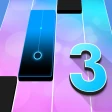
Piano Level 9: Beat Music Rush is a music game with a content rating of Everyone, making it suitable for a broad audience. Its colorful tiles and cute-creature theme give it an approachable feel, while the central activity is tapping tiles along with music. As with any game, parents can decide whether its play style and features are a good fit for their child.
What kind of gameplay and music experience does Piano Level 9: Beat Music Rush offer?
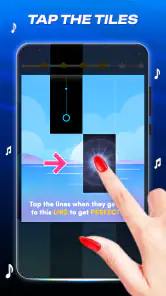
Piano Level 9: Beat Music Rush is a music rhythm game built around tapping colorful tiles in time with songs. Its store description presents a magic rhythm world, a cute creature, and a selection of hot songs, so the appeal is a blend of timing-based play and a playful visual theme. It is a game rather than a piano-learning course, so expect rhythm-focused entertainment.
What is Piano Level 9: Beat Music Duel and what makes it unique?
Piano Level 9: Beat Music Duel is an engaging music rhythm game that challenges players to tap tiles in sync with popular songs. Unlike many other music games, it offers a competitive twist with its duel mode, allowing players to face off against friends or global opponents, making it not only a test of skill but also a social experience.
How can I improve my performance in the game?
Improving in Piano Level 9: Beat Music Duel involves practicing regularly to enhance your timing and accuracy. Focus on mastering each song's rhythm patterns and utilize the game's practice mode to refine your skills. Additionally, participating in duel matches can provide valuable experience and insights from observing other players' techniques.
Is Piano Level 9: Beat Music Duel free to play?
Yes, Piano Level 9: Beat Music Duel is free to download and play. However, it offers in-app purchases for additional features such as song packs, premium skins, and boosters that can enhance the gaming experience. While the core game is accessible without spending money, these extras can provide additional enjoyment and customization options.
Pros
- Engaging rhythm-based gameplay
- Wide variety of music tracks
- Challenging levels to master
- User-friendly interface
- Frequent updates with new content
Cons
- Occasional ads can interrupt play
- In-app purchases can be costly
- Requires internet connection
- Limited offline features
- Some tracks locked behind paywall

- Category
- Music
- Version
- 2.3.2