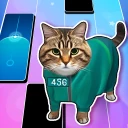
Piano Cat 2: Meme Music Game
- 151.00
- 4.6
- Installs
- 1.00M
- Price
- Free
Screenshots
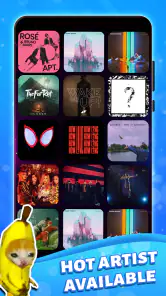
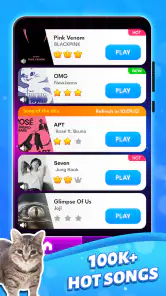
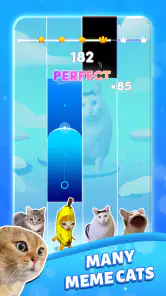
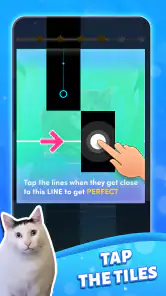
Analysis by Reviewed
I’m always a little wary of music games that promise a quick laugh but become repetitive after a few rounds. Piano Cat 2: Meme Music Game has a clearer appeal: it pairs familiar internet-music energy with a simple tap-to-play format and a cute cat theme. I’d recommend it to someone who wants a casual rhythm game rather than a serious piano lesson or a deep music library.
What the game feels like now
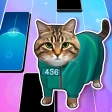
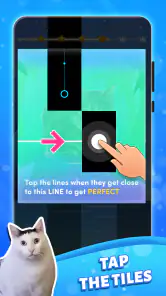
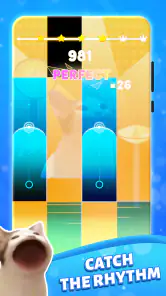
Made by Cadence Lab, this free music game has reached version 2.15.0, and its core idea is easy to understand: follow the song by tapping the tiles in time. The cat presentation gives the experience a playful tone, while the meme-song focus makes it feel different from rhythm games built around chart hits or instrument practice. Its Everyone age rating also makes the theme approachable for a broad audience.
The main question is whether that loop fits your habits. I find this kind of game best in short sessions: a few songs while waiting for a ride, taking a break between tasks, or passing a phone around with a friend. It doesn’t ask me to set aside a long stretch of time, and the familiar tunes give each attempt a bit of recognition even when I’m only playing casually.
What the version and release history tell me
The game was released on November 13, 2023, and its current version is 2.15.0. That establishes that it has continued through multiple version steps since launch, but a version number alone doesn’t tell me which features changed or how the gameplay evolved. I’d rather treat the current release as the product to judge than assume a particular update added songs, modes, or improvements.
For someone who already plays, that distinction matters: an update can make the app current without changing the parts that shape a session. If you return after a break, I’d start with a song you recognize and see how the controls and pacing feel now, rather than expecting a specific new feature from the version number. The game’s basic attraction remains its approachable rhythm challenge and lighthearted cat styling.
Who I’d recommend it to
With a 4.6 average from around 2.6 thousand ratings and over a million installs, it has clearly found an audience, though those figures don’t guarantee it will suit every player. I’d point it toward meme fans, casual rhythm-game players, and anyone who likes a cheerful visual theme more than a realistic piano interface. It can also work as a low-pressure game to share with younger family members, especially when the goal is simply to tap along and have a laugh.
I’d skip it if you want to learn piano technique, read sheet music, or build a playlist around a particular artist. Tapping tiles is a game mechanic, not a substitute for practice on an instrument. And if you prefer rhythm games with detailed progression or a large choice of music styles, a more serious music title may hold your attention longer.
More From Our News Desk

Clash of Clans Is Won Between the Battles

Android Auto Makes the Case for Quieter Car Software

MobiOffice: Transforming Mobile Productivity with Seamless Integration

EA SPORTS FC™ Mobile Soccer: Redefining Mobile Sports Gaming

How Microsoft OneDrive Became a Mobile Productivity Giant

How Google Translate Breaks Language Barriers Effortlessly
Get Ready to Tap to the Beat
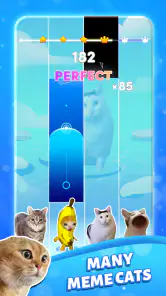
When I first stumbled upon Piano Cat 2: Meme Music Game, I wasn't sure what to expect. But let me tell you, the moment I started playing, I was hooked. The game invites you into a world where you can play along to some of the most popular meme songs. Each level is a new challenge, with its unique tempo and rhythm that keeps you on your toes. It's like having a mini concert in your pocket, only this time, your audience is a bunch of adorable virtual cats.
The Purr-fect Features
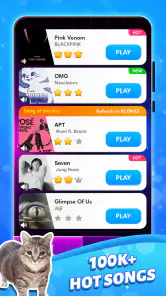
One of the features I love is the variety of meme songs available. From classics like "Nyan Cat" to newer viral hits, there's something for everyone. And the best part? You don't need to be a pro pianist to enjoy it. The game is designed with simple tap controls that make it accessible for players of all ages. Plus, the graphics are downright adorable, with cats dancing and purring along to the music. It's a visual and auditory treat!
Another aspect worth mentioning is the competitive edge. You can challenge your friends or go solo, aiming to beat your own high scores. The leaderboard is a great way to see how you stack up against other players globally. It adds an exciting layer to the game that keeps you coming back for more.
Why You'll Love It
Aside from the addictive gameplay, Piano Cat 2 is great for those moments when you need a quick break or a bit of stress relief. There's something incredibly satisfying about nailing a song and watching your cat avatars groove along. It's lighthearted and fun, a perfect escape from the daily grind.
While the game is free to download, there are in-app purchases available, which allow you to unlock more content and remove ads. But even without spending a dime, there's plenty to enjoy. Just be prepared, as you might find yourself humming meme tunes long after you've put your phone down!
In conclusion, Piano Cat 2: Meme Music Game is a delightful blend of music, memes, and cats. Whether you're a casual gamer or a meme aficionado, this app promises endless fun and entertainment. So go ahead, give it a try, and let the meme music magic whisk you away!
Playing well in short sessions
A useful way to approach the tile tapping is to treat each attempt as a listening exercise, not just a reflex test. I focus on the beat first, then let my fingers follow instead of staring anxiously at every tile. That makes familiar songs easier to settle into and helps me notice when a section speeds up. If I’m playing in a noisy place, I keep expectations modest: music-driven timing is less relaxing when I can’t hear the track clearly.
Offline play is a practical advantage for commutes and places with unreliable reception. I’d open the game before leaving home and check that the song I want is available to play, rather than assume every part of the app works without a connection. That small habit avoids discovering a loading snag when I’m already on the train. It also makes the game a handy option for a brief trip where streaming a playlist feels like unnecessary effort.
How it compares with other music games
Compared with a standard piano-learning app, this is far more about timing, familiar tunes, and a playful payoff than building musical skills. Compared with rhythm games centered on chart music, its meme identity is the distinctive draw, but that focus may also narrow its appeal if internet-song humor isn’t your thing. I’d choose it for a quick, silly challenge; I’d choose a lesson app for practice or a broader rhythm title when I want more musical variety.
One trade-off is that simple controls make it easy to start but don’t necessarily create much depth for players who crave complex patterns or long-term mastery. I’d also check how the free version feels before spending: the game is free, and the listing shows a 4.6 average, but neither tells me whether optional purchases are worthwhile for my own play style. Since the game is rated for Everyone and supports devices running Android 7.0 or later, it may suit shared family play, though younger players should still use ordinary care around purchases.
Small checks before settling in
When I’m deciding whether to keep a casual game, I pay attention to two things: whether its songs make me want another try, and whether a session stays enjoyable after the novelty of the cats wears off. Here, the best test is to play a few different tracks and notice whether I’m enjoying the rhythm challenge itself. If I’m only tapping out of habit, I’d move on rather than treat a leaderboard as a reason to keep playing.
For existing players, the sensible thing to watch is how future versions affect the parts that matter in practice: song selection, smooth play, and the balance between a quick retry and a frustrating miss. I wouldn’t infer those changes from a version number; I’d judge them by trying the current build. The game has more than a hundred written reviews, but I still see personal fit—especially liking meme music—as a better guide than popularity alone.
Making a session work for you
For a realistic everyday use, I’d open it during a short wait rather than plan an entire evening around it. I might play one familiar track while waiting for a takeaway order, then try it again to see whether I can keep a steadier rhythm. That gives the game a natural stopping point and keeps the challenge light. If I’m sharing the phone with a friend, taking turns on the same song can make the simple controls more social without needing either person to know piano.
There’s also a useful distinction between playing for a score and playing for the song. If I’m chasing a better result, I concentrate on the timing and try not to let the animated cats distract me. If I’m just winding down, I lower the pressure and treat missed taps as part of the silliness. Switching between those moods helps the game feel less like a repetitive test, even though the basic action remains tapping along.
What to check before committing
A question I’d ask before keeping any rhythm game is whether it still works for the way I actually use my phone. If I often play with the sound off, this may be a weaker fit because hearing the track is central to following its rhythm. If I usually have headphones or a quiet moment, the music becomes a more useful cue. I’d test it in the setting where I expect to play, rather than judging it only during a focused first session.
Another practical question is whether the songs I enjoy are available in the game. Its meme focus is a clear identity, not a promise of every popular track or a personalized library. I’d browse what is playable and try a few different rhythms before deciding whether the selection suits me. Someone who wants to choose songs by artist or genre will probably be happier with a music service or a broader rhythm game; someone who enjoys internet-music references may find the narrower theme is exactly the point.
Because it is free to start, I’d treat optional purchases as a later decision rather than part of the first impression. Play enough to know whether you return for the tapping itself, then decide whether paid extras would genuinely improve your own routine. That is a better test than buying something simply because a song or score is tempting in the moment. For parents sharing a device with a younger player, I’d also make the purchase expectations clear before handing it over.
Where the light approach can fall short
The same simplicity that makes the game welcoming can become a limitation. Players who want a long campaign, deep customization, instrument instruction, or a demanding skill ladder may find that a tap-based meme game does not give them enough to work toward. The leaderboard can add a reason to replay, but competition is only motivating if comparing scores is fun for you; it can also turn a relaxing break into a small source of pressure.
There is a similar trade-off in the humor. Familiar meme music can make a track instantly amusing, but a joke built around an internet trend may not stay fresh for every player. If the references do not land, the cute cat visuals alone may not be enough to carry repeated sessions. I’d consider that a preference issue rather than a flaw that can be solved by playing longer: the game’s personality is part of its appeal, and also the reason some people will prefer a more conventional music title.
For younger players, an Everyone rating describes an approachable content level, not a guarantee that every aspect of play is automatically suitable for every household. I’d still supervise shared-device use in the usual way, especially where optional purchases are concerned. For adults, the same point is simply practical: understand what you are choosing before spending, and don’t assume a free download means every extra is included.
How I’d judge future changes
For someone following the game over time, I would pay attention to whether new versions improve the everyday experience rather than treating a higher version number as a feature announcement. The useful signs would be things a player can notice directly: whether songs remain enjoyable, whether a missed tap feels fair, and whether returning to a track is quick enough for a casual session. Those are expectations I’d use to evaluate future releases, not claims about changes already made.
The release date and current version give a simple timeline: it arrived in November 2023 and is now at version 2.15.0. That shows the game has moved through releases since launch, but it doesn’t tell me what each one contained. Existing players can judge the current build by their own familiar tracks and controls, while new players can start without needing to know the history. I’d avoid expecting a particular mode or feature unless it is actually visible in the version being played.
My closing take
If you want a compact, cheerful rhythm game and the cat-and-meme combination sounds fun, I think this is an easy one to try without paying upfront. It works best when I treat it as a light diversion, not a piano course or an endlessly deep challenge. The strongest reason to keep it is simple: the songs and presentation make tapping along feel playful. If that particular humor doesn’t land for you, a conventional rhythm game will probably be the better pick.
Piano Cat 2: Meme Music Game Frequently Asked Questions
Does Piano Cat 2: Meme Music Game work on older phones?
Piano Cat 2: Meme Music Game supports Android devices running version 7.0 or later. Before downloading, check your device’s operating system version so you know it meets that requirement. The game is a music game built around tapping tiles to songs, and its cute cat theme gives the experience a light, playful feel.
What is Piano Cat 2: Meme Music Game?
Piano Cat 2: Meme Music Game is an entertaining mobile game available for both Android and iOS that combines the fun of meme culture with engaging piano music gameplay. Players tap along to catchy tunes inspired by popular internet memes, all while guided by charming cat characters. It's perfect for meme enthusiasts and music game lovers alike.
Is Piano Cat 2: Meme Music Game free to play?
Yes, Piano Cat 2: Meme Music Game is free to download and play. However, like many mobile games, it offers in-app purchases and optional ads to enhance the gaming experience. Players can choose to purchase additional content or remove ads, but the core game remains accessible without spending any money.
What devices are compatible with Piano Cat 2: Meme Music Game?
Piano Cat 2: Meme Music Game is designed for both Android and iOS devices. It supports a wide range of smartphones and tablets, provided they have a relatively recent operating system version. To ensure smooth gameplay, it's recommended to have a device with sufficient processing power and storage space.
Does Piano Cat 2: Meme Music Game require an internet connection?
While Piano Cat 2: Meme Music Game can be played offline, an internet connection is required for certain features. Players need to be online to access updates, participate in leaderboards, and make in-app purchases. However, the basic gameplay, including playing songs and enjoying meme music, can be enjoyed without an internet connection.
Pros
- Fun and addictive gameplay
- Wide range of meme songs
- Easy to learn controls
- Cute and charming graphics
- Regular updates with new content
Cons
- In-app ads can be intrusive
- Limited free songs available
- Requires internet connection
- Occasional lag on older devices
- In-app purchases can be costly
- Category
- Music
- Version
- 2.15.0