Overgeared Hero: Merge RPG
- 1.31K
- 4.7
- Installs
- 1.00M
- Price
- Free

Screenshots
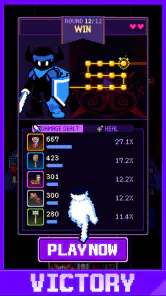
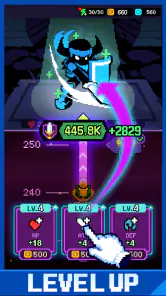
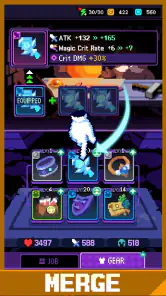
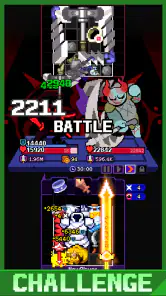

Analysis by Reviewed
My first impression of Overgeared Hero: Merge RPG is that it turns two familiar pleasures into one compact routine: arranging equipment and watching a hero take on enemies. The appeal is easy to understand. Instead of asking me to steer every attack, it puts more emphasis on how I prepare the character before the fighting happens. That makes it a promising fit for short sessions, though the same hands-off combat may not satisfy someone who wants constant tactical control.
How the appeal holds up
The first-week hook: making gear choices matter
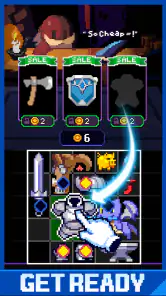
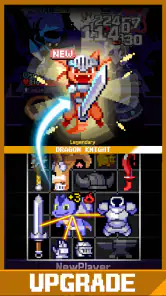
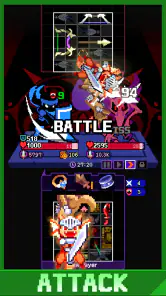
The central idea is appealing because backpack management is not just housekeeping here; it is part of building the hero. Merging gear gives each equipment decision a practical purpose, while automatic battles put the results on display. I like that relationship between preparation and payoff: the interesting question is not only whether a hero wins, but whether the gear I have assembled is doing useful work.
That loop also gives the game a clear way to earn a place in a busy day. I can imagine opening it during a commute or while waiting for food, making a few equipment decisions, and letting the hero handle a fight without needing to keep both hands on the screen. It is better suited to brief check-ins than a game that demands uninterrupted attention. For players who enjoy making a plan and then seeing it tested, that is a meaningful convenience rather than a shortcut.
The trade-off is just as clear: automatic combat shifts the focus away from moment-to-moment action. If I want to dodge attacks myself, aim carefully, or change tactics during every encounter, this is not the style I would choose. Its strategy comes from preparation and gear organization, not from direct control during the fight. That distinction is worth knowing before downloading, especially if “RPG” usually means hands-on combat to you.
The pixel presentation suits the compact premise. It gives the game an immediately recognizable RPG identity without requiring a realistic visual style to sell the idea of a hero, equipment, and enemies. Still, the visual treatment alone cannot carry the experience for long. The lasting question is whether merging items and adjusting a build continue to feel like decisions, rather than a repeated bit of inventory work.
Month-to-month value: a loop with a specific audience
Over time, I would judge this game less by the novelty of automatic battles and more by the variety of choices the gear loop produces. A useful merge should change how I think about the next fight; otherwise, combining equipment can start to feel like a routine chore. The concept gives players a reason to experiment with a hero’s setup, but its long-term value depends on whether those choices remain satisfying as the initial curiosity fades.
That makes it a more natural companion for someone who likes incremental planning than for a player chasing a story-heavy RPG. The store summary identifies it as a pixel roguelike RPG, but the concise pitch centers on equipment merging, hero building, and auto-battles. I would approach it expecting that combination to be the main draw, not a sprawling narrative or a combat system built around constant manual input.
A practical way to keep sessions purposeful is to decide what you want to improve before you start sorting gear. For example, I would treat a check-in as a small build review: see what can be merged, consider whether the resulting equipment supports the hero I am trying to make, then let a battle show whether the adjustment was worthwhile. That simple habit can make the inventory step feel connected to a result instead of turning it into aimless tapping.
There is also a useful patience test here. A merge-focused game can encourage players to keep rearranging equipment whenever a new option appears, but changing everything at once makes it harder to tell which choice helped. I would make one meaningful adjustment at a time when possible, then pay attention to the outcome. This is a general way to get more value from the game’s stated preparation-and-battle loop, not a promise that every change will produce a clear improvement.
Maintenance: light sessions, but still a routine
Auto-battles make the game easier to fit around other activities, but they do not necessarily make it effortless. Gear still needs attention, and a player who wants to get more from the build-making side will need to spend some time considering what to keep and what to merge. If inventory decisions are satisfying, that maintenance is the point. If sorting and comparing equipment feels like admin, the same loop could become the reason to stop opening the game.
For that reason, I would not treat it as a game that must be checked constantly. Its strongest everyday use case is a deliberate short visit: make a decision, see what follows, and leave. That approach is more sustainable than opening it out of habit with no particular goal. It also helps the game compete with other mobile RPGs that ask for longer stretches of active attention.
One helpful boundary is to avoid letting in-app purchases turn a casual routine into pressure to spend. The game is free to download, with optional purchases ranging from $0.49 to $94.99 per item. That broad range means I would check the purchase screen carefully and decide in advance whether I am comfortable spending at all. The core appeal described by the game is the gear-and-battle loop, so I would first see whether that loop is enjoyable without paying.
Compatibility is another practical consideration before installing: the listed minimum operating system is Android 7.0. The current version is 1.40.1, and the developer is 5minlab Corp. These details make it easier to assess whether it suits a device and whether you are looking at the intended title, without needing to turn the game’s identity into a checklist.
Where fatigue can creep in
The main risk is repetition. If the satisfying part is making equipment choices but the battles resolve automatically, players who want a fresh mechanical challenge in every encounter may eventually feel that they are watching more than playing. Likewise, if merging becomes predictable, the central preparation loop could lose its spark. I would be cautious about recommending it to anyone who already knows they dislike inventory management or prefers action games with direct input.
Another possible source of fatigue is decision blur: when several pieces of gear are being considered, it can be hard to remember why one setup felt better than another. Keeping a simple mental goal—such as focusing on a particular kind of improvement—can make each session easier to evaluate. If the game’s choices stop feeling legible even when approached deliberately, that is a sign that its particular style of strategy may not be a good match for you.
Compared with a conventional turn-based strategy game, this is less about selecting a move during each exchange and more about preparing the hero beforehand. Compared with an action RPG, it gives up direct combat control in favor of a more hands-off battle loop. That comparison is useful because neither alternative is automatically better: choose this game if equipment planning is the fun part, and choose a more manual game if you want to be responsible for every attack and response.
The game has an Everyone age rating, which makes its stated audience broad, but that does not mean its particular loop will suit every player. A younger or more casual player may enjoy the approachable idea of improving a hero’s gear; someone looking for complex, active combat may find the design too indirect. I would make the decision based on play style rather than assuming that a general age rating guarantees universal appeal.
What the player response suggests—and what it cannot decide
The game has a 4.7 average from around 76,000 ratings, alongside roughly 1,300 written reviews, and it has passed one million installs. Those figures suggest that the concept has found an audience, but they cannot tell me whether a particular player will enjoy sorting gear or prefer active combat. I use them as context, not as a substitute for matching the game’s main loop to my own taste.
For someone deciding whether to keep it installed, I would look for a simple personal signal: after a session, do you want to try a different equipment arrangement, or do you feel you have merely cleared another task? The first response suggests the build decisions are holding your interest. The second suggests the game may be relying more on routine than on choices you find rewarding. That distinction matters more than a strong first impression.
My long-term verdict: keep it if preparation is the fun
Overgeared Hero: Merge RPG earns a trial from players who like gear-building, enjoy seeing preparations tested in automatic fights, and want a strategy game that can fit into short pockets of free time. Its hook is specific enough to be clear: merge equipment, shape a hero, and let battles play out. I find that more appealing than a mobile RPG that asks for constant attention when all I want is a quick, focused session.
I would skip it if you need direct control during combat, want a story-led adventure, or quickly tire of managing equipment. Those are not minor preferences here; they sit close to the game’s central appeal. A more hands-on strategy game will be a better choice for players who want to make tactical decisions in the middle of a fight, while an action RPG will better suit anyone who wants movement and attacks to depend on their input.
For me, its chance of lasting beyond the first week rests on whether each gear decision continues to feel intentional. Keep sessions focused, avoid spending just to push through a routine, and judge the game by whether you still enjoy preparing the hero—not simply by whether battles keep happening. If that planning remains satisfying, this free strategy RPG can justify a place on your phone; if it turns into repetitive sorting, there is little reason to force the habit.
Overgeared Hero: Merge RPG Frequently Asked Questions
What kind of game is Overgeared Hero: Merge RPG?
Overgeared Hero: Merge RPG combines role-playing progression with merge-based gameplay. You typically collect or obtain equipment, combine matching items to create stronger gear, and use upgrades to help your hero take on enemies and challenges. The appeal is a mix of quick, accessible item management and longer-term character growth. Exact features and modes can vary by version, so check the current store listing before downloading.
How does the merging and equipment system work?
The central loop focuses on combining compatible equipment or items to improve their strength, then equipping upgrades to develop your hero. Merging can make inventory management feel rewarding, but it also means you may spend time collecting duplicates and deciding which items to combine or keep. For the clearest explanation of merge rules, item limits, and upgrade options, consult the in-game tutorial, since mechanics may change with updates.
Is Overgeared Hero: Merge RPG free to play?
The game may be available to download without an upfront purchase, but free-to-play games can include optional in-app purchases, advertisements, or systems that encourage spending to progress faster. The availability and types of purchases can differ by platform, region, and version. Before installing, review the Google Play or Apple App Store listing for current pricing details, in-app purchase information, and any other disclosures.
Can I play Overgeared Hero: Merge RPG offline?
Whether the game works offline can depend on its current version and which features you want to use. Some RPGs allow limited solo progress without a connection but require internet access for account syncing, events, ads, rewards, or other online services. Do not assume that every mode is available offline; check the store description and test connectivity requirements after installation, especially if you plan to play while travelling.
Will my progress transfer between devices, and what should I check before downloading?
Progress transfer may depend on whether the game supports account linking or cloud saves, and on the account or service used on your device. Before changing phones or reinstalling, look for a save-linking option in the game and confirm the developer’s recovery guidance; local progress may not transfer automatically. Also check device compatibility, storage needs, permissions, recent reviews, and the latest update date on your app store.
Pros
- Merge-based progression is easy to understand and quick to pick up.
- Short play sessions make it suitable for casual play.
- Combining heroes adds a light collection and upgrade element.
- Idle rewards can provide progress between active sessions.
- The RPG theme gives the merge loop a clear sense of advancement.
Cons
- Repeated merging can feel monotonous over longer sessions.
- Progress may slow down when upgrade resources run low.
- Idle rewards may require regular check-ins to claim efficiently.
- A large roster can make hero upgrades harder to keep track of.
- Balancing upgrades may take trial and error as challenges increase.

- Category
- Strategy
- Version
- 1.40.1