Lordrush
- 765.00
- 4.4
- Installs
- 1.00M
- Price
- Free

Screenshots
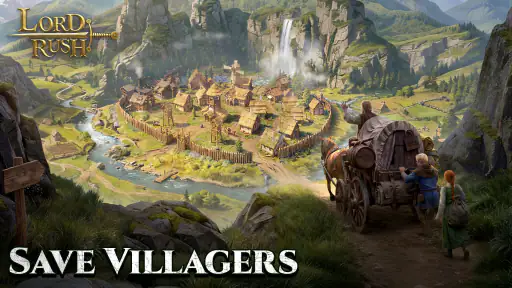
Analysis by Reviewed
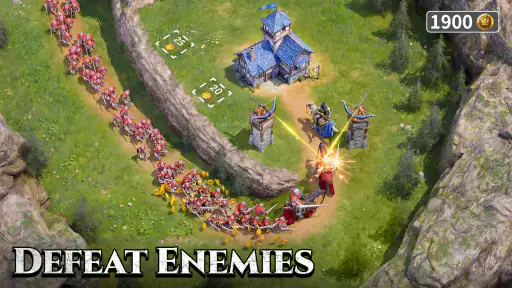
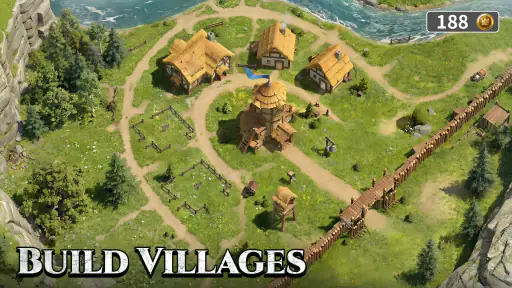
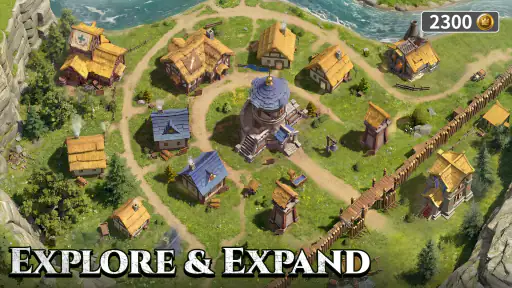
I like strategy games that make me think about what to protect before trouble arrives, rather than simply asking me to tap quickly. Lordrush is a medieval tower-defense game, and that premise gives it a clear appeal: it is built around defending against incoming pressure and making choices about how to handle it. My recommendation comes with an important qualification, though. A short store description does not tell you how its battles, progression, or upgrade systems work, so I would not assume it offers a particular kind of tactical depth before playing. What I can say is that it is best approached as a strategy game to try for yourself, not as a guaranteed fit for every tower-defense fan.
Planning is the point, not just the medieval setting
Tower defense is most satisfying when I can connect a decision to its consequence: spend a resource now to steady a vulnerable position, or hold it back for a harder push later. That kind of planning is what I look for in Lordrush. Its medieval framing sets the scene, but the meaningful question for a player is whether defending feels like a series of choices rather than a string of automatic upgrades.
When I judge a game in this category, I pay attention to the time horizon each decision demands. Some choices should solve the next immediate threat; others should prepare for what may come after it. If every decision is obvious as soon as an enemy appears, the game can feel reactive. If I need to weigh immediate safety against a stronger later position, the same basic defense premise becomes more engaging.
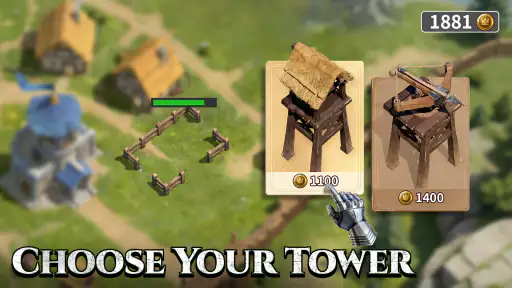
A practical way to test that distinction is to avoid spending every available resource the moment it appears. Keep track of what is putting pressure on your defense, then ask whether an upgrade or action addresses the real weakness or merely makes the current moment feel safer. That habit is useful in tower defense generally, and it helps reveal whether this particular game rewards deliberate planning.
Make each defensive choice answer a problem
Rather than treating every improvement as automatically valuable, I would look for the problem it is meant to solve. Is a position under pressure? Is the current plan struggling to cope? Does a change improve the overall defense, or only one part of it? These questions keep a strategy game from becoming a routine of picking the most attractive-looking option.
There is also a useful distinction between a weak plan and a difficult moment. A defense can be sound and still need a small adjustment; rebuilding your whole approach every time pressure rises can waste resources and make it harder to learn what actually works. I prefer to change one thing at a time where possible, then pay attention to whether that change improves the next attempt.
That approach makes Lordrush a more sensible pick for players who enjoy thinking through a defense than for someone seeking a purely passive medieval backdrop. If the appeal for you is watching action unfold without having to evaluate tradeoffs, a less strategy-focused game may be a better match.
You May Like

Clash of Clans Is Won Between the Battles

Android Auto Makes the Case for Quieter Car Software

MobiOffice: Transforming Mobile Productivity with Seamless Integration

EA SPORTS FC™ Mobile Soccer: Redefining Mobile Sports Gaming

How Microsoft OneDrive Became a Mobile Productivity Giant

How Google Translate Breaks Language Barriers Effortlessly
Risk and reward are about timing
In tower defense, risk is not always a dramatic all-or-nothing gamble. It can be as simple as accepting a little short-term discomfort to keep options open, or choosing a safe response that leaves you less prepared for a later challenge. The important question is whether the potential reward justifies the exposure, not whether a choice looks bold.
I would resist the temptation to spend purely because something is available. A resource held in reserve can have value: it gives you room to answer an unexpected problem rather than locking you into the first plan you formed. On the other hand, saving everything can be its own mistake if a weak defense causes repeated trouble. The useful balance is to spend when you can explain what risk the decision reduces.
For a quick play session between other tasks, that decision-making can be a satisfying change of pace, provided the game lets you make progress in manageable chunks. If you are playing while distracted, though, strategy built on timing and observation is easier to enjoy when you can give it your attention. I would choose a calmer moment for a serious attempt rather than expect every session to work well as background entertainment.
One concrete tip is to treat a failed attempt as information instead of a reason to repeat the same choices faster. Identify the point where your defense stopped feeling secure, then change the response to that pressure on the next run. This is a better learning loop than making several unrelated changes at once, because it lets you judge which adjustment mattered.
Adapt without throwing away what works
Good defense requires adaptation, but adaptation is not the same as constant improvisation. If one part of a plan is doing its job, preserve it while addressing the part that is failing. That gives you a clearer picture of the game’s demands and avoids turning each new challenge into a complete reset of your thinking.
I would also pay attention to whether a difficulty comes from an identifiable threat or from a lack of understanding. The first calls for a tactical response; the second calls for a closer look at how your current choices fit together. Separating those cases is a small but valuable skill. It prevents frustration from pushing you into unnecessary spending or hasty decisions.
There is a tradeoff here for players who like experimentation. Trying an unusual approach can reveal alternatives, but it may be less efficient when you are trying to overcome a specific obstacle. I would experiment when there is room to learn and use a conservative plan when consistency matters more. That distinction helps keep the game engaging without making every session feel like a test.
Depth should earn your time
A tower-defense game has to give me reasons to keep refining my approach. The strongest reason is not simply that more play is possible; it is that I understand the game better and can make more informed choices. A satisfying sense of depth comes from learning which decisions matter, spotting patterns in the pressure, and seeing a better plan hold together.
That is why I would judge Lordrush over several sessions rather than make a final call from its medieval theme alone. The first session can show whether the basic defense loop feels readable. Later play should reveal whether there is enough room to adapt and whether progress feels connected to better decisions. If you enjoy learning by testing a plan, that process can be part of the attraction.
There is a patience cost. Players who want immediate variety, elaborate tactical systems, or a clearly defined long-term campaign should check their expectations as they play rather than assume those elements are present. I would not recommend choosing it solely because you want a deep simulation of medieval warfare: its core identity is tower defense, not a promise of a broad war strategy experience.
Compared with more action-led games, tower defense usually asks for more attention to preparation and less reliance on reflexes alone. Compared with broad strategy games, it usually narrows the focus to defending against pressure. That makes this kind of game appealing when I want a contained tactical problem, but less suitable when I want to manage a large world, negotiate, or build an expansive campaign.
What to expect before installing
Lordrush is free to play, and optional in-app purchases range from $0.99 to $99.99 per item. I would start without spending and first decide whether the core play is enjoyable on its own. In a strategy game, purchases are most worth considering only after you understand what is slowing your progress and whether paying would genuinely improve your experience. A high-priced option is not automatically a good value for a player who has not yet settled into the game.
The game is made by Century Games Innovation Pte. Ltd. It is rated for Everyone, so its stated age classification makes it broadly accessible, though parents should still consider whether the purchase options suit their household. It has a 4.4 average from around 93,000 ratings, with more than a million installs. Those figures suggest a substantial audience, but they do not tell me whether its particular style of defense will suit your preferences.
It was released on June 16, 2026, and requires Android 7.0 or later. Those details are useful when checking whether an Android device can run it; iOS players should check the requirements shown for their own device before installing. If you are trying to decide between this and another game, focus less on the medieval theme and more on whether you want focused defensive planning, optional purchases, and a strategy game whose appeal you will need to judge through play.
A good fit for focused sessions, not every routine
I would suggest giving it a try if you like defending a position, adjusting a plan when pressure changes, and learning from a setback. It also suits someone looking for a focused strategy game rather than a sprawling alternative. A realistic everyday use is a short session when you have enough time to concentrate on one defensive problem and reflect on what worked, rather than playing while juggling several distractions.
For example, if I have a quiet break and want something more involving than a casual tap game, I can use a session to test one adjustment and see whether it changes the outcome. I would avoid starting a serious attempt just before I need to leave or while checking messages: dividing attention makes it harder to notice whether a decision actually helped. The useful habit is to leave a moment after a setback to think through the cause, rather than treating each round as disposable.
I would skip it if you mainly want a story-driven adventure, a competitive game centered on reflexes, or a large-scale strategy experience with many kinds of management. I would also be cautious if optional purchases make you uncomfortable: the game is free, but its in-app purchase range is broad enough that I would set a personal spending limit before considering any purchase.
How I would judge its place among strategy games
Against a fast action game, the appeal here is the chance to consider a defense instead of relying chiefly on quick reactions. Against a sprawling strategy title, the tradeoff is a tighter focus: you are looking for a contained defensive challenge, not the broader work of running a kingdom or planning a campaign. That makes it easier to recommend to someone who wants one clear tactical problem at a time, but not to a player who measures depth by the number of systems to manage.
When deciding whether to keep playing, I would ask three practical questions: do I understand why a defense struggled, can I make a useful adjustment without changing everything, and does another attempt feel like a chance to learn rather than repeat? If the answer is no after giving the core loop a fair try, a different tower-defense game with clearer tactical feedback may be a better choice. If those decisions are what you enjoy, the focused format is a strength rather than a limitation.
My overall view is measured but positive. Lordrush has a clear strategy-game premise, and the best way to enjoy that premise is to plan ahead, spend with purpose, and adjust only when you can identify what needs fixing. I would try it for its focused tower-defense appeal, while keeping expectations grounded and deciding for myself whether its tactical decisions are rewarding enough to earn longer sessions.
Lordrush Frequently Asked Questions
What is Lordrush, and what do you do in the game?
Lordrush is a fantasy-themed game centered on building strength, taking on challenges, and progressing through a world of battles and rewards. The exact activities and available features can vary by version, so check the current store listing and in-game tutorial for details before downloading. New players should expect to learn the controls and progression systems as they play.
Is Lordrush free to download and play?
Lordrush may be available as a free download, but that does not necessarily mean every feature or item is free. Games in this category can offer optional purchases, such as currency, upgrades, or other advantages. Review the app-store page for pricing information, and check your device’s purchase settings if children may use the game. Availability and costs can differ by platform or region.
Does Lordrush require an internet connection?
Whether Lordrush can be played offline may depend on the version and the feature you want to use. Online access may be needed for account sign-in, synchronizing progress, events, or other connected features, even if some gameplay is available without a connection. Before downloading, consult the current store description and test the game’s offline behavior rather than assuming that all modes work without internet.
Which devices support Lordrush, and how much storage does it need?
Compatibility depends on the game’s current release and your device’s operating system. Check the Lordrush listing in the Google Play Store or Apple App Store to confirm supported versions, device requirements, and the download size. Keep additional free storage available because games may download updates or extra files after installation. If your device is older, performance and compatibility may differ from newer models.
Is Lordrush suitable for children, and does it include ads or in-app purchases?
Parents should review Lordrush’s age rating, privacy information, and purchase disclosures on the relevant app-store page before allowing a child to play. The rating can indicate whether the game includes fantasy violence or other content that may not suit every age. Check whether ads, in-app purchases, or online interactions are listed, and use device-level parental controls where appropriate.
Pros
- Quick sessions make it easy to play in short bursts.
- Simple controls are approachable for newcomers.
- Strategic choices add variety to battles.
- Progression gives players goals to work toward.
- Suitable for fans of fantasy-themed games.
Cons
- Gameplay may feel repetitive over time.
- Progress can slow as challenges become tougher.
- Some players may find the difficulty uneven.
- Frequent play may be needed to keep up.
- Not ideal for players seeking a story-focused experience.

- Category
- Strategy
- Version
- Varies with device