Hypermarket 3D: Store Cashier
- 3.59K
- 4.4
- Installs
- 50.00M
- Price
- Free

Screenshots
Analysis by Reviewed
If you've ever wondered what it's like to run your own store, Hypermarket 3D: Store Cashier is the game you didn't know you needed! It's a quirky, fun, and immersive experience that lets you step into the shoes of a store cashier, all from the comfort of your smartphone. Let's dive into this delightful little app that turns the mundane task of shopping into an exciting adventure.
What a First Session Is Best For
I would approach this as a compact, hands-on supermarket game, not as a detailed business simulator. Its central appeal is acting on small, recognizable shop tasks, so it makes most sense when you want to pay attention for a few minutes rather than settle in for a long, strategic campaign. If you enjoy the tactile feeling of completing one job and moving to the next, the theme gives those actions an easy context.
That distinction is helpful before you install it. A simulation can mean anything from building a sprawling operation to repeating simple work with a playful twist. Here, the cashier-and-shop routine is the draw. I would choose it for a quick distraction, or to see whether I enjoy a busy retail setting, rather than expecting a realistic account of staffing, accounts, or inventory planning.
Starting Without Overthinking It
The easiest way to settle in is to let the early guidance lead. I would try each action as it appears, notice how the controls respond, and avoid racing ahead before the basic gestures feel natural. A first session does not need a perfect strategy: getting comfortable with the immediate task is a more useful goal than trying to understand every possible demand at once.
It also helps to treat the screen as a small set of competing priorities. If you are focused on the checkout, take a moment during a lull to look for another visible need, such as stock that needs attention. That glance is a practical habit, not a complicated system to master. It keeps the experience from becoming a string of hurried taps and helps you see why the game asks you to move between activities.
If you are playing on a phone while commuting or waiting for someone, start when you have enough attention to follow what is happening. The game’s quick-action style may be less satisfying if you keep switching away in the middle of a busy moment. For a short break, it is sensible to aim for one immediate task and stop when your time is up rather than treating a brief session as a test of total store control.
Welcome to the World of Retail
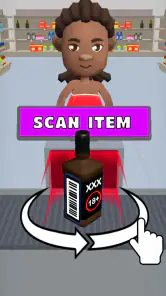
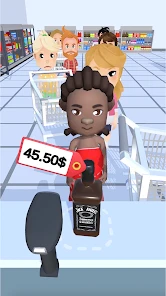
In Hypermarket 3D: Store Cashier, you get to manage your own virtual supermarket. The game starts small, with you handling just a few aisles. But don't be fooled! As you progress, things get busier, and keeping up with customer demands becomes a thrilling challenge. Your job? To ensure the shelves are stocked, checkout lines are moving, and customers leave with a smile on their face.
More From Our News Desk

Clash of Clans Is Won Between the Battles

Android Auto Makes the Case for Quieter Car Software

MobiOffice: Transforming Mobile Productivity with Seamless Integration

EA SPORTS FC™ Mobile Soccer: Redefining Mobile Sports Gaming

How Microsoft OneDrive Became a Mobile Productivity Giant

How Google Translate Breaks Language Barriers Effortlessly
What to Expect on Your First Visit
This is a casual simulation game from Sunday.gg, built around familiar supermarket tasks rather than a complicated management dashboard. The appeal is the quick rhythm: notice what needs attention, make a small decision, and move on to the next task. It suits short breaks when you want something more interactive than a passive time-killer, though anyone looking for deep business planning may find the retail theme more substantial than the strategy.
It is free to install, and the game is rated Teen. Its 4.4 average from around 269,000 ratings and more than 50 million installs suggest it has reached a wide audience, but those figures do not tell you whether its pace will suit you. I would treat it as a light, hands-on diversion rather than a detailed lesson in running a real shop. Optional in-app purchases range from $0.99 to $8.99 per item, so it is worth keeping that in mind if you prefer to avoid spending inside games.
Engaging Gameplay
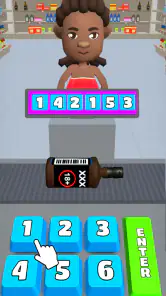
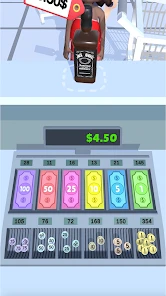
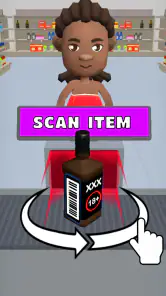
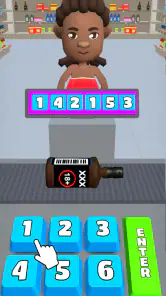
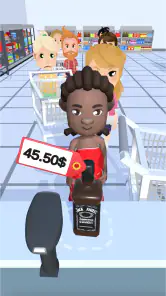
The gameplay is straightforward yet incredibly engaging. You swipe to scan items, tap to manage stock, and occasionally handle unexpected challenges that keep you on your toes. Whether it's a sudden rush of customers or a broken cash register, there's always something happening. The game does a fantastic job of simulating the hustle and bustle of a real supermarket.
What I love most is how it balances fun with strategy. You need to be quick with your fingers, but also smart in how you prioritize tasks. It's this combination that makes the game both relaxing and mentally stimulating.
Getting to Your First Win
For a first-time player, I would focus on the task directly in front of you instead of trying to anticipate every possible problem. Follow the opening guidance, learn how scanning and stocking respond to your taps, and let the early routine become familiar before worrying about speed. A useful small habit is to glance at the shelves whenever there is a lull at checkout; that helps you notice competing demands instead of getting locked into one job.
That approach also makes the game easier to pick up again after a pause. If you only have a few minutes while waiting for a ride or taking a break, aim to complete the immediate task rather than treating every session as a long management run. The first satisfying moment is not mastering the whole shop; it is getting through a brief burst of activity without losing track of what needs attention.
Choosing the Right Kind of Session
A useful everyday scenario is a quiet stretch between errands. I might open the game while waiting for a takeaway or sitting in a waiting room, play long enough to focus on the shop’s immediate demands, then close it when I need to move on. That kind of stop-and-start use suits a game built around clear, small actions better than setting aside an evening for a deep campaign.
There is a trade-off, though: short sessions are convenient only if you enjoy returning to a similar routine. If you need each visit to introduce a different story or a radically new puzzle, repeating cashier and stock tasks may wear thin. I would give it a fair try over a few brief visits, paying attention to whether the rhythm itself remains enjoyable instead of judging it by how much content you can rush through at once.
For a younger player, I would also keep the Teen content rating in mind when deciding whether it is appropriate. The supermarket setting may look familiar and light, but the rating is the practical guide for families considering it. For adults, that rating and the simple premise make it easy to understand what sort of setting to expect, without assuming that the game is meant to teach real-world retail skills.
Graphics and Sound
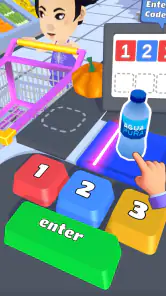
Visually, the game is a treat. The graphics are vibrant and colorful, which adds to the light-hearted feel of the game. The animations are smooth, making the gameplay experience pleasant and seamless. Plus, the sound effects—complete with the ding of a cash register—add to the immersive experience, making you feel like you're right there in the store.
Where the Routine Can Catch You Out
The main trade-off is that the familiar cashier-and-stockroom loop can become repetitive if you want every session to introduce a new kind of challenge. The busy moments are entertaining, but they also reward quick attention more than careful long-term planning. If you prefer simulation games focused on designing a city, building a farm, or managing complex budgets, a broader management title is likely a better fit. This one is most appealing when the simple act of keeping a shop moving is the point.
When a rush makes several tasks feel urgent, I would avoid tapping randomly just to keep moving. Pick one visible need, finish it, then check what has changed. That modest rhythm is more useful than trying to do everything at once, and it makes the cashier role feel less frantic. If the game’s pace still feels hectic, taking a short break is a better choice than expecting it to become a slow, hands-off tycoon game.
How It Compares with Other Simulation Games
Compared with a farm or city-building simulation, this supermarket game puts less emphasis on designing a large space or planning a chain of upgrades and more on responding to immediate shop activity. That narrower focus is a strength when I want a clear task without a lot of setup. It is also the reason I would not recommend it to someone who wants to decorate, explore a large world, or spend a session working through layered economic choices.
Compared with a puzzle game, it offers a more everyday setting and a sense of switching between practical jobs, but it is not the best pick if you want each level to revolve around a fresh logic problem. And unlike a passive idle game, its appeal comes from paying attention and acting. The right alternative depends on what you want from a break: choose this for an active retail routine, a builder for long-term planning, or a puzzle game for focused problem-solving.
User-Friendly Interface
One of the standout features of this game is its user-friendly interface. Even if you're new to mobile gaming, you'll find it easy to navigate through the various tasks. The controls are intuitive, and the tutorials at the beginning are helpful, ensuring you get the hang of things quickly. It's designed to be accessible to all ages, making it a perfect family-friendly game.
Who Will Enjoy It—and Who Might Not
I can see this working well for someone who likes small, tactile jobs with a clear goal: scan an item, deal with stock, and keep customers moving. It is also a reasonable choice for a first simulation game because the supermarket setting is easy to understand without specialist knowledge. On the other hand, players who dislike repeated gestures, prefer relaxed exploration, or want to plan a business over many layers may be happier with a different kind of game.
For a realistic everyday session, imagine opening it during a short lunch break. You can settle into the checkout-and-restocking rhythm, handle a small burst of activity, and put the phone away when the break ends. That is a better match than expecting a long, absorbing campaign. The current version is 236 and it runs on Android 5.1 or later, making it accessible on a range of older Android devices as well as newer ones.
Before You Decide to Spend
The game is free to start, which makes trying the basic rhythm a low-commitment way to find out whether the supermarket setting works for you. I would play at your own pace before considering any optional purchase. The listed purchase range runs from $0.99 to $8.99 per item, but paying is not a prerequisite for deciding whether you enjoy the core idea. If you prefer to keep mobile games entirely free of spending, it is worth being mindful of purchase prompts and sticking to the experience that costs nothing.
It first arrived on April 22, 2020, and its current Android version is 236. The game has around 3,600 written reviews alongside its much larger rating count, which gives prospective players more than one kind of audience signal; neither popularity nor a positive average can replace trying the controls yourself. If you are deciding whether it will suit your device, the Android minimum is version 5.1. Those details make it easier to assess compatibility and expectations before you begin.
Final Thoughts
Overall, Hypermarket 3D: Store Cashier is a delightful escape into the world of retail. It's the perfect game for when you need a break from reality or just want to pass the time with something fun and engaging. Whether you're a fan of simulation games or just looking for something new to try, this app is definitely worth checking out. So, why not give it a download and see if you have what it takes to run your own supermarket?
My practical advice is to try it with modest expectations: enjoy the quick decisions and colorful shop, but do not mistake the playful routine for a deep retail-management simulator. Sunday.gg’s game is free to start, with optional purchases, so you can see whether its hands-on pace clicks before deciding whether to spend anything. If you want an easy-to-grasp supermarket diversion, I think it is worth a try; if you need complex strategy or a constantly changing set of activities, I would look elsewhere.
Hypermarket 3D: Store Cashier Frequently Asked Questions
Does Hypermarket 3D: Store Cashier focus on realistic supermarket management or quick cashier tasks?
The game combines a supermarket setting with hands-on cashier work, so it offers a casual take on retail rather than a detailed business-management simulation. You can scan items, handle cash, and keep the checkout moving while also taking on store tasks. If you enjoy short, practical activities and a familiar grocery-shop theme, that balance may appeal to you.
Is Hypermarket 3D: Store Cashier easy for new players to understand?
Its cashier premise is straightforward: players take on store tasks such as scanning items and handling cash. The colorful presentation and simple mechanics make it approachable, especially if you are looking for a casual game rather than a complex simulation. As you play, the focus is on managing several retail activities and keeping your work moving.
How much storage space or mobile data does Hypermarket 3D: Store Cashier need?
The game requires Android 5.1 or later, but the amount of storage space it uses can vary by device and version. It is sensible to check the download size shown on your device’s app store before installing, particularly if storage is limited. Downloading over Wi-Fi can also help you avoid using mobile data for the initial installation.
What kind of game is Hypermarket 3D: Store Cashier, and who developed it?
Hypermarket 3D: Store Cashier is a simulation game from Sunday.gg, built around running a supermarket and working as a cashier. Its central appeal is the familiar grocery-shop setting: players take on store tasks and try to keep the checkout process moving. It may suit people looking for a casual, hands-on retail simulation rather than a story-driven adventure.
What is Hypermarket 3D: Store Cashier and what can I do in the game?
Hypermarket 3D: Store Cashier is a simulation game that allows players to experience the life of a store cashier in a hypermarket setting. You will manage various tasks including scanning items, handling cash, and providing excellent customer service. The game offers a fun and engaging way to practice your multitasking and time management skills in a retail environment.
Pros
- Engaging 3D graphics
- Intuitive user interface
- Varied levels and challenges
- Realistic cashier simulation
- Regular updates enhance gameplay
Cons
- Contains ads and in-app purchases
- Limited offline functionality
- Repetitive gameplay over time
- Requires constant internet
- Battery consumption could be high

- Category
- Simulation
- Version
- 236