Hex: Anxiety Relief Relax Game
- 5.38K
- 4.5
- Installs
- 1.00M
- Price
- Free

Screenshots





Analysis by Reviewed
When I reach for a quiet puzzle, I want something I can understand quickly and leave whenever real life calls. Hex: Anxiety Relief Relax Game is built around that kind of low-pressure play: it’s a free puzzle game from Infinity Games, Lda, with a straightforward hex-based idea rather than a sprawling set of modes to learn. Its 4.5 average from around 116,000 ratings and more than a million installs suggest it has found an audience, but the more useful question is whether its gentle pace suits the way you like to play.
A small goal that is easy to pick up
The game makes sense when I have a short stretch of attention but don’t want to begin something I’ll need to remember later. Its central task is concrete: look at the hexagonal pieces, work out how they fit the shape, and place them. That gives a new player a clear first objective without a tutorial-heavy setup or a long list of things to track. I can start by looking at the board rather than studying a system around it.
That directness is useful in everyday situations such as waiting for a ride, taking a break between chores, or winding down after work. If I’m interrupted, I don’t have a story beat or a timed round hanging over me. A useful way to approach a puzzle is to scan the outline before moving anything, then consider which piece has the least flexible fit. Starting with the awkward piece can make the remaining spaces easier to read, while random trial and error can make the board feel busier than it is.
How the puzzle rewards attention
The satisfaction comes from seeing a placement make sense, not from a complicated chain of rewards. I like that the board itself gives me something immediate to judge: a piece either fits the shape I’m working toward or it doesn’t. That kind of feedback can be more rewarding than an abstract progress bar when I only want a small mental task. It also means the experience depends heavily on whether spatial matching is enjoyable for you; a player who wants word clues, number logic, or a mystery to unravel may not connect with this particular style.
When I get stuck, I try changing the question instead of repeating the same move. Rather than asking, “Where can this piece go?”, I look at a narrow gap and ask what kind of piece could fill it. That reversal helps me notice constraints I missed. It’s a practical way to stay engaged without rushing, and it suits a puzzle whose challenge comes from arranging pieces rather than reacting quickly.
What the visuals and sound contribute
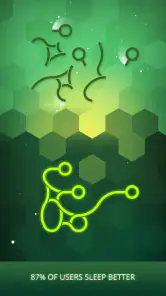
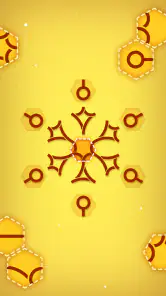
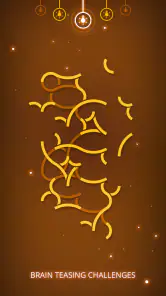
Right off the bat, the app welcomes you with soothing colors and a minimalist design. It's incredibly user-friendly, which is always a plus when you’re looking to unwind. There’s no steep learning curve here, just simple, intuitive navigation. The interface is clean, with calming visuals that almost whisper, "relax." If I had to describe it in one word, it would be zen.
I have to give a special mention to the app’s soundscapes. The background music is a gentle mix of soft piano notes and nature sounds that instantly transport you to a peaceful place. Whether you’re in a noisy cafe or at home after a hectic day, the audio experience is designed to cocoon you in calmness.
More From Our News Desk

Weather by Xiaomi Review: Clear at a Glance, Less Clear Up Close

X Under Pressure: Can It Recover When Posting Goes Wrong?

Clash of Clans Is Won Between the Battles

Android Auto Makes the Case for Quieter Car Software

MobiOffice: Transforming Mobile Productivity with Seamless Integration

EA SPORTS FC™ Mobile Soccer: Redefining Mobile Sports Gaming
The visuals are equally calming, with earthy tones and smooth transitions that don’t jar the senses. Every element seems thoughtfully designed to promote relaxation, and it shows in every aspect of the app.
How Goals, Difficulty, and Pace Hold Up
I look at how the game’s modest puzzle goals, shape-based feedback, and unhurried pace work together to keep a session satisfying without relying on a visible reward ladder. That balance matters most when you want a calm break but still need enough challenge to stay attentive. From there, I consider where the difficulty can feel engaging—and where the same restraint may leave some players wanting more.
Staying relaxed without losing the puzzle
The core idea of Hex: Anxiety Relief Relax Game is to engage your mind with puzzles that are just challenging enough to keep you engaged, but not so difficult that you feel stressed. It’s like a gentle yoga session for your brain. You arrange hexagon pieces on a grid to form a complete shape, and there’s something incredibly satisfying about slotting the right piece into place.
The game doesn’t rush you. There’s no timer ticking away, which is a refreshing change from the usual pressure-packed puzzle games. You can take your time, sip on your tea, and move at your own pace. It’s all about creating a serene and unhurried experience.
Finding a Comfortable Rhythm
The early goal is refreshingly modest: focus on the shape in front of you, test how its pieces fit, and complete the arrangement. That gives me enough direction to begin without asking me to manage a campaign, collect a set of resources, or keep several objectives in mind. If I have only a few spare minutes, I can settle into one puzzle instead of spending that time navigating layers of menus.
That simplicity is also the main trade-off. Players who enjoy chasing a complicated story, unlocking a long chain of abilities, or competing against a clock may find the basic loop too restrained. I’d choose a more tactical or time-based puzzle when I want urgency and a sharper sense of mastery; Hex suits me better when I want attention without adrenaline.
Reading the difficulty without a countdown
Without a clock, the difficulty is felt through the shape and the choices available, rather than through pressure to act quickly. That changes how I judge a hard moment: I can reconsider, but I still need to notice how the pieces relate to one another. The calm presentation doesn’t make every placement obvious, and that contrast is part of the appeal. It gives the puzzle room to ask for patience without turning a mistake into a race against time.
For a more deliberate session, I’d place a piece only when I can explain to myself why it belongs there. If I’m uncertain, I pause and compare the remaining spaces instead of filling the first opening that looks plausible. This approach is especially useful when several pieces appear to fit broadly at first glance. It keeps the activity thoughtful and reduces the chance that I’ll turn a quiet break into frustrated shuffling.
Progress that lives in the solved shape
In a game with this uncluttered approach, progress is most satisfying at the scale of a single solved shape: I can see the result of trying a placement, reconsidering it, and finding a fit. That immediate feedback is useful when I want a small, self-contained task rather than a distant reward. It also means I shouldn’t expect progress signals to carry the same weight as a level-based adventure or a puzzle game built around elaborate unlocks.
A practical tip is to treat a stuck moment as a reason to pause, not to force a solution. Because the play is unhurried, I can look at the empty spaces and the outlines again with fresh eyes. That small reset makes the game more calming for me than repeatedly dragging pieces at random, and it keeps the puzzle-solving itself—not speed—the focus.
When the minimalist approach is a plus
Compared with match-three games, where cascades and quick sequences often provide momentum, this hex puzzle asks me to concentrate on a shape and its fit. Compared with a timed logic challenge, it gives me more room to reflect before acting. Those differences make it a good choice when I want focused, quiet play, but not when I’m seeking a burst of action or a steady stream of dramatic rewards.
It also sits apart from story-led puzzle games. There’s no need to follow dialogue or remember a sequence of narrative clues to enjoy the central task. That makes it easy to dip into, though players who need a plot, characters, or a sense of discovery between puzzles may find the experience too spare. I’d decide based on whether solving the arrangement itself is enough to keep me interested.
Why You Might Love It
What I love most about this game is its versatility. Whether you have five minutes or an hour, it fits into a spare moment or a longer stretch of quiet. It’s a great companion to unwind with before bed or during a lunch break.
It’s also worth mentioning that the app is not just a game; it can be a mindfulness-style activity. The act of focusing on the puzzle may divert attention from stressful thoughts for a while, which is why I’d use it as a small reset rather than expect it to treat anxiety or replace professional support. People respond differently: a puzzle that feels soothing to me may feel like another task to someone else.
A realistic place in the day
Picture waiting for a delayed appointment: I have a short gap, don’t want to start a story-heavy game, and would rather not get pulled into a competitive match. A small hex puzzle gives that spare attention somewhere to go, and I can put the phone away when I’m called. At home, the same quality makes it an easy wind-down choice, though I’d keep the volume low or off if I were sharing a quiet room.
If I’m playing in a noisy place, I wouldn’t rely on the audio to create the calm by itself; the puzzle’s unhurried nature is the more dependable part of the experience. At bedtime, I’d also set a natural stopping point before opening it, such as finishing the current arrangement. A quiet game can still stretch a break longer than intended, so deciding when to stop is a small but useful way to keep it serving the moment.
Who Should Choose It
I’d recommend it to someone who likes spatial puzzles, wants a gentle mental activity, and values being able to play without a countdown. It is rated for Everyone, so its audience is broad, although the simple premise will matter more than age for deciding whether it’s enjoyable. If you prefer frequent new mechanics, detailed progression, or a competitive score to beat, a more feature-rich puzzle game will probably hold your attention longer.
The game is free to download, with in-app purchases priced from $0.99 to $10.99 per item. I’d start with the free experience and decide whether it earns a regular place in your routine before spending anything. It was released on August 22, 2017, and its lasting appeal is easy to understand: a compact puzzle can be returned to without needing to remember a plot or a complicated control scheme. Infinity Games, Lda is the developer behind it.
What to expect from purchases and return visits
For someone wondering whether it is worth paying for, my advice is to first see whether the basic act of arranging hex pieces holds your attention. The purchase range is broad enough that I wouldn’t assume every item serves the same purpose or is necessary to enjoy the puzzle. I’d treat spending as optional and make the decision only after the game has proved useful in my own routine, rather than buying simply because I want more of a calm mood.
As for whether it gives me a reason to return every day, that depends on what motivates me. I return to it for the low-friction puzzle itself, not because I need to maintain a streak or chase a competitive rank. Someone who enjoys self-directed play may find that refreshing; someone who needs visible milestones, frequent unlocks, or a growing collection of goals may prefer a game where progress is explicitly structured.
Keeping the Pace in Perspective
There is no timer pushing me through a session, which is a real advantage when I want to slow down. The other side of that freedom is that the game may not create much momentum for players who rely on deadlines or escalating stakes to stay engaged. I see its pacing as a deliberate filter: it favors patient, short bursts of concentration over the kind of escalating challenge that makes a puzzle session feel like a test.
For me, the best way to use it is to stop while the experience still feels pleasant. A solved shape can be a natural endpoint; there’s no need to turn a calming break into a long session just because I have more time. That makes the game easy to fit between tasks, but it also means players looking for a strong reason to return every day may want a puzzle title with clearer long-term goals.
My progression verdict
As a progression-focused game, this is deliberately modest: its clearest payoff is the satisfaction of completing the shape in front of me, not a sprawling ladder of unlocks or escalating systems. I see that as a strength when I want to begin quickly, think carefully, and leave without feeling behind. It is a limitation when I want goals that keep expanding or a strong sense that each session changes what I can do next.
So my recommendation is specific. Choose it if you want a free, gentle spatial puzzle that leaves room to think and fits into short breaks. Skip it if you need speed, variety, a story, or a visible long-term climb to hold your interest. The average rating of 4.5 from around 116,000 ratings and its more than a million installs show that many players have tried it, but your own preference for quiet shape-solving is the deciding factor.
In conclusion, if you’re on a quest for a little slice of peace in your busy life, this app could be just what you need. It’s a delightful blend of mental engagement and relaxation, wrapped up in a visually pleasing package. So why not give it a try? You might just find yourself a little more zen.
Hex: Anxiety Relief Relax Game Frequently Asked Questions
Can I play Hex: Anxiety Relief Relax Game in short sessions?
Hex: Anxiety Relief Relax Game is built around a simple puzzle idea: looping hex shapes. That makes it easy to pick up when you want a brief, focused break, without needing to approach it like a fast or competitive game. Its minimalist style and calm-play focus can also make it a comfortable choice for unwinding at your own pace.
Is Hex: Anxiety Relief Relax Game a puzzle game or a meditation app?
Hex: Anxiety Relief Relax Game is a puzzle game, not a meditation app. Its store summary describes it as a relaxing game focused on looping hexes, and its minimalist presentation gives the puzzles a calm feel. You can use a session as a quiet break, but the central activity is playing puzzles rather than following a guided meditation program.
Is Hex: Anxiety Relief Relax Game free to download?
Yes, Hex: Anxiety Relief Relax Game is free to download, so you can try its puzzle gameplay without paying upfront. The game also offers optional in-app purchases, with items priced from $0.99 to $10.99. You can begin with the free experience and decide for yourself whether any paid extras are worth getting.
Who developed Hex: Anxiety Relief Relax Game, and is it popular?
Hex: Anxiety Relief Relax Game is made by Infinity Games, Lda. It has been downloaded over one million times and has an average rating of 4.5 from around 116,000 ratings, giving prospective players a useful sense of its reach and reception. Those figures make it a widely tried puzzle game, though your own experience will depend on whether its calm, minimalist style suits you.
What is Hex: Anxiety Relief Relax Game and how does it work?
Hex: Anxiety Relief Relax Game is a mobile application designed to help reduce anxiety and stress through engaging, tranquil gameplay. The game involves solving hexagonal puzzles, which are specifically crafted to promote relaxation and mindfulness. Its soothing music and calm visuals enhance the overall calming effect, making it a great tool for unwinding after a long day.
Pros
- Calming and relaxing gameplay experience.
- Visually appealing and soothing design.
- Easy to understand and play for all ages.
- Helps reduce anxiety and stress.
- Available offline without interruptions.
Cons
- Limited variety of puzzles over time.
- In-app purchases can be expensive.
- Ads can disrupt the gaming experience.
- No multiplayer or social features.
- Music can become repetitive.
- Category
- Puzzle
- Version
- Varies with device