Music Tower: Tap Tiles
- 403.00
- 4.4
- Installs
- 1.00M
- Price
- Free

Screenshots







Analysis by Reviewed
Music Tower: Tap Tiles is aimed at players who like the idea of pairing rhythm taps with a steadily growing virtual tower. I find that combination appealing for short, casual sessions: the beat gives each tap a clear purpose, while the tower gives progress a visible destination. It is a music game from Infinity Games, Lda, and its central appeal is this mix rather than a deep simulation or a dedicated music-learning tool.
What the free access means
The game is free to download, with optional in-app purchases priced from $0.99 to $26.99 per item. That makes it easy to try without paying upfront, but free access should not be confused with knowing exactly how much a longer session or particular upgrade will cost. I would start by playing without buying anything and decide whether the basic loop holds my attention before considering an optional purchase.
Its 4.4 average from around 14,000 ratings, alongside more than a million installs, suggests that many players have given it a try. Those figures are useful context, not a promise that every part of the experience will suit you. It is rated for Everyone, and the current version is 1.10.0 for devices running Android 7.0 or later.
How I would judge the purchase decision
I would treat the free download as a low-risk way to answer one practical question: do I enjoy tapping along enough to return to it? The listed purchase range is broad, so I would not assume every optional item has the same purpose or value. Before buying, I’d check the in-game description of the specific item and consider whether it adds something I genuinely want, rather than using a purchase to compensate for a rhythm loop that has already stopped being fun.
That approach matters especially in a hybrid game. A player drawn mainly to the tower may be tempted by upgrades, while someone who cares most about music may expect purchases to expand the listening experience. Those are different reasons to spend, and neither should be taken for granted. I’d keep the first few sessions purchase-free, learn what progress feels like through normal play, and only then decide whether an optional item fits my own use.
The Rhythm of the Game
First things first, Music Tower: Tap Tiles is all about combining the joy of music with the strategy of tower-building games. You start by choosing your favorite tracks from a diverse selection of songs. As each track plays, your mission is to tap the tiles in sync with the beat. It’s like having a dance party right in your hands!
Building and Beats
What sets this app apart is its unique blend of gameplay. While you’re jamming out to your favorite tunes, you’re also tasked with building and upgrading your music tower. Each successful tap earns you points, which you can then use to enhance your tower’s features. It’s a fun and engaging way to keep players invested in both the music and the game mechanics. Strategizing your moves becomes crucial as you aim to reach new heights, literally and figuratively!
More From Our News Desk

Weather by Xiaomi Review: Clear at a Glance, Less Clear Up Close

X Under Pressure: Can It Recover When Posting Goes Wrong?

Clash of Clans Is Won Between the Battles

Android Auto Makes the Case for Quieter Car Software

MobiOffice: Transforming Mobile Productivity with Seamless Integration

EA SPORTS FC™ Mobile Soccer: Redefining Mobile Sports Gaming
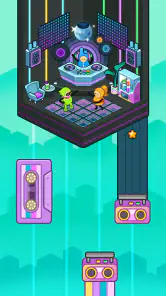
The game’s design is vibrant and eye-catching, making it a pleasure to play. The controls are intuitive, ensuring that players of all ages can jump right in and start tapping away. And let’s not forget about the thrill of competing with friends or other players worldwide. It adds a competitive edge that keeps you coming back for more.
Making the rhythm loop work for you
There is a useful distinction between playing for a clean run and playing mainly to see the tower advance. If I’m trying to improve my timing, I’d choose a track and give the taps my attention instead of checking the building progress between beats. If I’m in a more relaxed mood, I’d let the tower be the small reward that keeps a casual session pleasant. Switching between those mindsets helps the hybrid design feel intentional rather than like two unrelated tasks competing for attention.
For a first session, I’d focus on whether the beat and tile cues feel readable on my own screen, rather than immediately chasing a difficult run. A quiet setting can make it easier to notice the rhythm; in a noisy place, headphones may help, provided I can still pay attention to what is happening around me. I would also avoid playing while walking through traffic or doing anything that needs my eyes and hands elsewhere. This is a tap-focused game, so even a brief session deserves a little attention.
How it fits into a daily routine
I see this working best as a small break between tasks: play a track while waiting for a kettle to boil, or pick it up for a few minutes on a commute when you can safely give the screen your attention. The useful habit is to treat tower progress as a bonus to the rhythm session, not a reason to keep tapping when you meant to stop. If you tend to lose track of time in games, setting a personal stopping point before opening it can help.
For a better rhythm session, I’d use headphones when the surroundings are noisy and keep the screen unobstructed so the tile timing stays easy to read. In a quiet place, low volume may be enough; the visual beat can still make the tapping feel satisfying. This is not the same as practicing an instrument or learning formal music theory. Its value is quick, hands-on entertainment, so anyone looking for structured musical instruction should choose a different kind of app.
Where the trade-offs show
Compared with a conventional rhythm game, the tower layer gives each successful run a second purpose: taps connect to building progress, not only to finishing a song. Compared with a pure idle or tycoon game, the rhythm element asks you to pay attention in the moment rather than simply check on a growing project. That hybrid is the point, but it also means the game may be less satisfying if you want either demanding timing challenges above all else or a relaxed builder that needs almost no interaction.
I would also keep expectations measured around the song selection and progression. The experience depends on enjoying the tracks available in the game, and a broad range does not guarantee that every player will find familiar favorites. Likewise, the appeal of upgrades can fade if you mainly want a new musical challenge. Before spending, ask yourself whether you are paying for something you already enjoy or trying to make a loop you do not enjoy feel more compelling.
Small choices that improve a session
One practical tip is to decide what you want from a session before you start: a quick music break, a focused attempt at better timing, or a little progress on the tower. That simple choice makes it easier to stop when you have had enough and gives you a fairer test of whether the game suits you. If you keep switching attention between the rhythm and the building layer, it may feel busier than it needs to; concentrating on one goal at a time makes the combination easier to appreciate.
I would also judge the game across more than one mood. A track that feels enjoyable when I am alert may be less appealing when I am tired and just want something passive. Because tapping in rhythm requires active attention, this is not the best choice for a background game during work or a conversation. For those moments, an idle builder or a playlist may be a better fit; Music Tower is more rewarding when I can actually look at the screen and engage with the beat.
Why You’ll Love It
One of my favorite aspects of Music Tower: Tap Tiles is how it seamlessly integrates your love for music with the excitement of gaming. Whether you’re a fan of pop, rock, or classical, there’s something here for everyone. Plus, the regular updates mean there’s always new content to explore, keeping the app fresh and engaging.
If you’re someone who enjoys a challenge, the game offers various difficulty levels to test your skills. From easy-going tunes for a relaxed session to more intense tracks that require lightning-fast reflexes, there’s no shortage of fun to be had. The sense of accomplishment you get after completing a challenging track is incredibly rewarding.
What to expect from the music and challenge
For me, the deciding factor is not whether every track matches my personal taste; it is whether I can enjoy following the beat even when the song is unfamiliar. That makes the game easier to approach as a rhythm activity than as a substitute for a music player. If I want a particular artist, album, or carefully curated listening queue, a regular music app is the more dependable choice. Here, the music supports the play rather than being the whole reason to open the app.
The difficulty options are useful because they give different kinds of players a way to approach the timing. I would begin at a comfortable level, then increase the challenge only when the tiles feel manageable. Starting too hard can make missed taps feel frustrating and obscure the appeal of the tower rewards; starting gently lets me decide whether I enjoy the rhythm itself before making the session more demanding. Players who thrive on strict score competition may still prefer a specialist rhythm title with a stronger emphasis on precision.
Who is likely to get the most from it?
I’d recommend trying it if you enjoy tapping along to music and like seeing a small project develop as you play. It may suit a younger casual player as well as an adult looking for a lightweight game, though the best fit is someone who is comfortable with repeated timing-based play. If you prefer long story campaigns, realistic city management, or precise score-chasing in a specialized rhythm title, those alternatives are likely to serve you better.
A practical way to judge the fit is to play a few sessions and notice which part you naturally return for: the beat, the tower, or the challenge of improving your timing. If only one layer appeals, that may still be enough for occasional play, but it is a useful signal before spending. The free entry makes that trial straightforward; optional purchases are a personal choice, not a requirement I would assume is necessary to enjoy the basic idea.
A realistic everyday test
Imagine having a short pause after lunch, with enough time to focus but not enough to start a long campaign. I’d open the game for one song, pay attention to the tile rhythm, then see whether the tower progress gives me a satisfying stopping point. If I feel tempted to keep going, I’d ask whether I’m enjoying the next track or simply chasing another upgrade. That small check makes the game easier to fit into a routine without letting a casual break turn into an unplanned stretch of screen time.
For a family setting, the Everyone rating makes it broadly approachable, but I would still consider whether a child enjoys repeated timing tasks and whether optional purchases should be restricted or discussed. The rating is not a promise that every child will like the same music or pace. For adults, it may work as a light reset between chores, but it is not a substitute for a hands-off relaxation app: the tiles call for active tapping and attention.
When another kind of game is better
If music is the priority and I want to listen without watching a screen, I would choose a music player. If I want to build a detailed city or manage a complex economy, a dedicated simulation will offer more depth than a tower attached to rhythm taps. And if I want to train musical skills, an instrument-learning or ear-training app is more suitable than a casual game. These alternatives are not flaws in Music Tower; they clarify what its particular combination is meant to deliver.
It is also worth considering how much variety I expect from a mobile game. The idea may feel fresh at first because each run joins a song with visible construction, but repetition is part of a simple tap-based loop. Someone who needs a changing story, elaborate strategic choices, or a large catalogue of personally familiar tracks may tire of it sooner. I’d recommend it most confidently to someone who likes repeating short challenges and does not need every session to introduce a new system.
Wrapping It Up
In conclusion, Music Tower: Tap Tiles is a delightful mix of rhythm game and tower-building fun. It’s perfect for those moments when you want to unwind with some music or when you’re in the mood for a bit of a challenge. The app’s vibrant graphics, engaging gameplay, and wide range of songs make it a standout choice for music and game enthusiasts alike.
So, what are you waiting for? Get ready to tap your way to the top and build your own musical empire. Trust me; you won’t regret downloading this gem of an app!
Music Tower: Tap Tiles Frequently Asked Questions
Does Music Tower: Tap Tiles work on iOS as well as Android?
Music Tower: Tap Tiles is an Android game, and it requires Android 7.0 or later. It is built for mobile play, with tapping to the music at the heart of its tower-stacking gameplay. If you are using an iPhone or iPad, check the app store on your device for availability before looking for a download; the Android version is the one with the stated system requirement.
Who developed Music Tower: Tap Tiles, and what is its general style?
Music Tower: Tap Tiles is developed by Infinity Games, Lda. Its presentation centers on sweet music and cozy tower stacking, giving the rhythm gameplay a light, approachable feel rather than making it sound like a serious music-production tool. If you enjoy casual games that pair musical timing with a visible building theme, that combination is the main appeal to consider before installing.
Is Music Tower: Tap Tiles suitable for children?
Music Tower: Tap Tiles has an Everyone content rating, and its music-and-tapping format is approachable for a broad audience. The core activity is timing taps to a beat while building a tower, so it is easy to understand without complicated controls. Parents may still want to review the game’s in-app purchase options and manage device purchase settings before letting a child play.
What kind of game is Music Tower: Tap Tiles?
Music Tower: Tap Tiles is a music game from Infinity Games, Lda, built around a sweet, cozy tower-stacking theme and rhythm-based play. Its store description presents it as an adorable rhythm simulation tycoon game, so it combines tapping to music with the appeal of steadily building a tower. It is a casual option for players who enjoy musical timing challenges.
What is Music Tower: Tap Tiles and how does it work?
Music Tower: Tap Tiles is a rhythm-based mobile game where players tap on tiles in synchronization with the music to score points. The game features a tower-building theme where successful tapping helps you build and climb a musical tower. Players can enjoy a variety of songs, challenging their reflexes and timing skills. The game is designed to be engaging and offers multiple levels of difficulty to cater to both beginners and advanced players.
Pros
- Intuitive gameplay easy for all.
- Variety of music genres available.
- Visually appealing graphics.
- Regular updates with new songs.
- Offline play without internet.
Cons
- Advertisements can be intrusive.
- Limited free song selections.
- In-app purchases can add up.
- Occasional lag on older devices.
- No multiplayer mode available.
- Category
- Music
- Version
- 1.10.0