Dream Hop - 3D Magic Dash
- 202.00
- 4.4
- Installs
- 5.00M
- Price
- Free

Screenshots


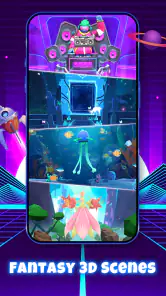
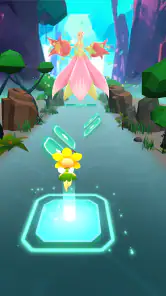
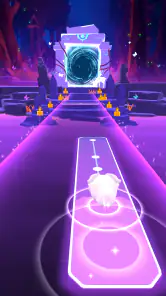
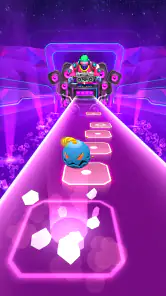
Analysis by Reviewed
I judge a music game like Dream Hop - 3D Magic Dash by a simple question: does following the beat make play more enjoyable, or does it feel like an ordinary obstacle course with music in the background? That distinction matters if you are choosing between a rhythm game, an endless runner, or something more relaxed for a few spare minutes. My first impression is that Dream Hop sits between those familiar formats, with timing and visual movement doing more of the work than a complicated control scheme.
What to look for before you choose
When I pick a music game for a phone, I first ask whether I want to interact with the music or simply have it accompany another activity. Some games ask me to read note patterns and tap in time; others put a song behind a familiar running or jumping challenge. This one is closer to the second group, but the beat is meant to inform movement, so it is not just background decoration. That makes it a useful middle ground if a traditional rhythm interface looks intimidating but a plain runner feels too familiar.
I would also think about where and how I tend to play. A game that depends on quick reactions is a better fit for a short, attentive pause than for a crowded walk or a moment when I need to keep half an eye on something else. Before settling in, I would check that I can hear the soundtrack comfortably and hold the phone securely. Those small choices can make the timing feel more natural and help me judge whether the music-led approach is genuinely enjoyable for me.
A Magical Journey Awaits
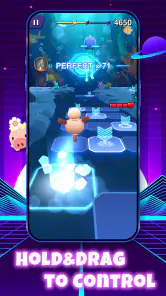
As soon as you step into the world of Dream Hop - 3D Magic Dash, you're greeted with stunning visuals that are nothing short of enchanting. The game takes you on a journey through beautifully designed 3D landscapes, where every dash and hop feels like a dance on air. The developers have clearly put a lot of love into crafting these dreamlike environments, and it truly pays off in creating an immersive experience.
Gameplay Mechanics
The gameplay is quite straightforward, yet incredibly engaging. You control a character that automatically runs forward, and your job is to guide them through obstacles by tapping and holding on the screen to make them hop. Sounds simple, right? But don't be fooled. The further you go, the more challenging it becomes, as the obstacles get trickier and the pace quickens. It's this increasing difficulty that keeps you on your toes and coming back for more.
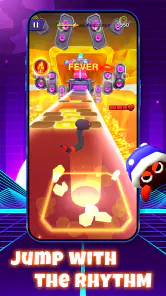
One of the standout features of the game is its rhythm-based mechanics. The background music isn't just for ambiance; it plays a crucial role in timing your movements. This clever integration of music and gameplay creates a synergy that makes every level feel like a new dance routine you're mastering. Trust me, nailing those perfect hops to the beat is immensely satisfying!
Where its blend of music and movement works
This is a music game from Remaster Games, and that label is useful when setting expectations: I would pick it for the appeal of synchronizing movement with a soundtrack, not for deep music creation or a conventional song-library challenge. Compared with rhythm games built around tapping notes in lanes, its appeal is more physical and spatial; compared with a typical runner, the beat gives your timing a stronger role. If you mainly want to listen passively, or prefer a game where strategic planning matters more than quick reactions, another style may suit you better.
More From Our News Desk

Weather by Xiaomi Review: Clear at a Glance, Less Clear Up Close

X Under Pressure: Can It Recover When Posting Goes Wrong?

Clash of Clans Is Won Between the Battles

Android Auto Makes the Case for Quieter Car Software

MobiOffice: Transforming Mobile Productivity with Seamless Integration

EA SPORTS FC™ Mobile Soccer: Redefining Mobile Sports Gaming
In everyday use, I can see it fitting a short break when I want something more absorbing than scrolling but not a long session that needs a story recap. A practical tip is to give the sound your attention rather than staring only at the character: when the beat is clear, it can help you anticipate a hop, while watching the obstacles still matters as the pace rises. If you are somewhere you need to stay quiet, the visual cues may help, but the music-led design is less satisfying without listening.
Reading the scenery and soundtrack together
Let's talk about the audio-visual experience. The soundtrack is a collection of catchy tunes that perfectly complements the visual spectacle, pulling you deeper into the game's universe. Each track is carefully selected to match the pace and mood of the levels, enhancing the overall immersion. It's not just a game; it's a full-fledged audio-visual treat!
Visually, Dream Hop is a feast for the eyes. The colors are vibrant, the animations are smooth, and there's a delightful variety of themes as you progress. Whether you're hopping through a forest or dashing across a futuristic cityscape, each level offers something new and exciting to look at.
Small breaks, with your attention still on the game
Imagine waiting for a coffee order or sitting through a short gap before an appointment. A run can make that pause feel lively, and the simple touch controls are easy to understand without a lengthy tutorial. I would still choose a calm moment rather than trying to play while walking or doing something else: the faster sections ask for attention, and divided focus can turn a relaxing break into a string of missed timings. For a commute, it is best treated as a game to play while safely seated, not something to manage on the move.
If you are wondering whether it is approachable, the basic action is easy to grasp, but that does not mean every stretch will feel effortless; increasing pace and trickier obstacles provide the challenge. That makes it a reasonable pick for someone curious about rhythm games who does not want to begin with a dense control scheme. On the other hand, players who dislike repeating attempts after a mistake, or who want a leisurely game with no pressure to react, may be happier with a slower music or puzzle game.
Who is likely to enjoy the trade-off?
If you're a fan of rhythm games or endless runners, Dream Hop - 3D Magic Dash is a must-try. It's the perfect blend of challenging gameplay, beautiful graphics, and an unforgettable soundtrack. Plus, it's a great way to unwind after a long day or to kill some time while waiting for your coffee to brew.
I would especially consider it if I like learning a simple action through repetition and enjoy noticing how sound and movement fit together. The reward is not just making it farther; it is getting a better feel for when a hop belongs. That can give a short attempt a satisfying focus without requiring me to plan a long play session. It is less compelling for someone who wants to build a music collection, choose a favorite track for every session, or treat the phone game as a passive soundtrack player.
Price, age guidance, and a sensible first try
It is free to start, with in-app purchases ranging from $6.99 to $29.99 per item, so I would treat optional spending as a personal choice rather than a reason to download. The game is rated Teen, and its current version is 1.0.35; it requires Android 5.1 or later. It has a 4.4 average from around 3,700 ratings, alongside over 5 million installs, which suggests it has found a sizeable audience without guaranteeing that its style will suit everyone.
For a first session, I would avoid making a purchase decision while I am still figuring out whether I enjoy the core loop. I would play when I can give the screen and sound my attention, then ask whether the timing itself feels rewarding or whether I am mostly staying for the scenery. That distinction matters more than a good-looking first impression: if the rhythm-and-hop pairing does not click, spending is unlikely to change the basic reason the game may or may not fit.
Trying It Without Overcommitting
One useful way to decide whether the game clicks is to play a few short sessions and notice what you enjoy most: reading the beat, reacting to the track, or simply watching the 3D scenery change. That tells you more than judging it by a single difficult run. If music is the main draw, use a listening setup that lets you hear the rhythm clearly; if quick visual reactions are what you enjoy, focus on the upcoming path and let the soundtrack support rather than dictate your timing. The trade-off is that the more you rely on sound, the less convenient it may be in noisy or quiet settings.
For anyone comparing it with other mobile music games, the deciding factor is this particular mix of forward movement, hopping and beat awareness. It is less suited to players seeking a broad catalogue of songs to master or a purely score-focused tapping challenge. I would also avoid choosing it as a background activity: its appeal comes from paying attention, even though each session can fit into a small break. That makes it a better match for brief, focused play than for multitasking.
When another kind of game is the better pick
If I wanted a direct music-performance challenge, I would choose a game centered on note patterns instead: that format puts musical accuracy at the front and makes the screen’s prompts the main thing to learn. If I wanted to unwind without reacting quickly, a slower music or puzzle game would make more sense. And if I wanted a runner primarily for route choices or a different kind of strategy, this beat-led hopping approach would not be my first choice. The point is not that one category is better overall, but that Dream Hop’s appeal depends on enjoying its particular combination rather than expecting it to cover every music-game mood.
There is also a practical difference between playing with sound available and playing in a setting where I need to mute my phone. Since the soundtrack contributes to timing, I would not assume that a silent session gives the same experience. If I know I will often play in a quiet place, I would try to decide whether following the visual action alone is enough for me before making the game part of my routine. That is a useful test for anyone choosing between this and a rhythm game whose prompts are designed to be read directly from the screen.
Release details and my recommendation
Dream Hop was released on Dec 13, 2023, and the free download gives curious players a straightforward way to see whether its rhythm-and-runner approach feels right. I would try it if I wanted bright 3D presentation and reactive play in short bursts, while keeping the optional purchases in mind before spending. If I wanted deep strategy, hands-off music listening, or a slower pace, I would choose another kind of game instead.
Overall, Dream Hop is more than just a game; it's an experience. Whether you're a seasoned gamer or just looking for a fun new app to explore, this game has something for everyone. So, what are you waiting for? Dive into the world of Dream Hop and let the magic take over!
The short version of the choice
My recommendation is to treat it as a focused, casual rhythm-runner rather than a full music library or a game to play on autopilot. The free entry point makes it easy to test the central idea, while the faster obstacle sequences mean it still asks for attention and a little patience. I would give it a try if the thought of matching hops to music sounds more appealing than tapping a stream of notes; I would skip it if I mainly want strategy, passive listening, or relaxed play without quick decisions.
Dream Hop - 3D Magic Dash Frequently Asked Questions
Is Dream Hop - 3D Magic Dash free to download, and what does it cost inside the game?
Dream Hop - 3D Magic Dash is free to download, so you can try its music-driven ball-jumping gameplay without paying upfront. Optional in-app purchases are available, with items ranging from $6.99 to $29.99 each. The game can still be enjoyed without treating those purchases as a requirement, though paid items may appeal to players who want to explore the available extras.
What should I know about the age rating before downloading Dream Hop - 3D Magic Dash?
Dream Hop - 3D Magic Dash has a Teen content rating. That makes it worth checking the rating before installing it for a younger player, even though the game centers on rhythm, music, and navigating a ball through a 3D scene. Parents and guardians can use the rating as a starting point when deciding whether the game fits their household.
What is Dream Hop - 3D Magic Dash about?
Dream Hop - 3D Magic Dash is an engaging rhythm-based mobile game where players navigate through mesmerizing 3D environments. The game combines music and vibrant visuals, challenging players to tap and dash in sync with the beat. It's designed to offer both relaxation and excitement, appealing to fans of music and rhythm games.
How do you play Dream Hop - 3D Magic Dash?
To play Dream Hop - 3D Magic Dash, players must tap the screen to the rhythm of the music while navigating through various levels. The game requires precise timing and quick reflexes to avoid obstacles and collect rewards. As players progress, levels become more challenging, offering a dynamic and immersive gameplay experience.
Is Dream Hop - 3D Magic Dash suitable for all ages?
Dream Hop - 3D Magic Dash is a music-focused rhythm game with simple controls and progressively challenging play. Its accessibility may make it approachable for a range of players, but it is not rated for all ages: the content rating is Teen. Parents should consider that rating when deciding whether it is appropriate for a child.
Pros
- Stunning 3D graphics elevate gameplay.
- Intuitive controls make it easy to play.
- Variety of levels keeps it engaging.
- Upbeat music enhances the experience.
- Regular updates with new features.
Cons
- Ads can be intrusive during gameplay.
- Requires internet connection to play.
- Some levels can be too challenging.
- Occasional glitches disrupt play.
- In-app purchases can be pricey.
- Category
- Music
- Version
- 1.0.35