Cosmo Run
- 671.00
- 4.2
- Installs
- 1.00M
- Price
- Free

Screenshots



Analysis by Reviewed
I tend to reach for an arcade game when I have a few spare minutes, not when I want to learn a complicated system. Cosmo Run fits that quick-session mood: its space setting wraps a simple-sounding idea around turns that demand attention. I find the appeal less about settling in for a long story and more about trying again after a near miss, then seeing whether I can keep my focus for one more run.
Where the challenge catches you out
The main friction is timing. A path can change direction before I feel ready, so looking a little too far ahead or reacting a little late can end a promising attempt. That makes the game easy to understand but not automatically easy to play well. If you prefer arcade games where progress comes from gradual upgrades or a forgiving pace, the repeated need to sharpen your reactions may feel more demanding than relaxing.
My practical tip is to treat each run as a chance to learn the rhythm rather than as a test you must pass. After a fall, I try to remember the turn that caught me instead of immediately tapping through in frustration. That small pause makes retries feel purposeful, and it helps distinguish a genuine timing mistake from simply playing while distracted. The trade-off is clear: the same restart-friendly challenge that suits a short break can become tiring if you want steady, low-pressure progress.
Before you start playing
There is little ceremony to getting into this kind of arcade game, but I still like to check the basics before blaming the game for a rough session. Make sure it has finished installing, open it when you have a moment to focus, and try a short run before settling in somewhere noisy or interrupted. Since the play depends on quick reactions, a notification or a conversation at the wrong moment can matter more than it would in a slower puzzle game.
If a run feels unexpectedly awkward, I would first pause and try again when I can give the screen my attention. If the game itself seems unresponsive, closing and reopening it is a sensible general first step; if the problem continues, checking for an available update or restarting the device can help rule out a temporary hiccup. I would avoid changing several things at once, since that makes it harder to tell whether the issue was a brief interruption or something else.
Making a short session count
A useful way to fit this game into an ordinary day is to pick a clear stopping point before opening it. If I have a few minutes before a meeting or while waiting for a ride, I can play a handful of attempts and leave without feeling that I have abandoned a long quest. The compact loop is a better match for those gaps than a game that expects sustained attention or asks me to remember a complicated objective between sessions.
I also find it helps to separate practice from score chasing. When I am learning a tricky stretch, I focus on noticing how the route changes and whether I reacted early or late. When I am trying for a personal best, I avoid multitasking and give the run my full attention. That distinction makes a failed attempt less irritating: practice can still be useful even when the run ends quickly, while a distracted score attempt is often just a poor test of the game.
More From Our News Desk

 Gmail
Gmail in a Busy Inbox: Who Benefits Most?
From first account to crowded workday, Gmail earns its place through dependable search and flexible sorting—but its best fit depends on how much inbox maintenance you can tolerate.

 Prime Video
Switching to Prime Video: What Changes in Your Viewing Routine
Prime Video can make a compelling second home for streaming, but switching means learning a different catalog, rental layer, and route from browsing to playback.

 Universal TV Remote Control
 Works Best as a Reliable Backup
A phone remote earns its place through quick setup and reliable habits. Here is how to get more from Universal TV Remote Control—and where its limits show.

 Weather - By Xiaomi
Weather by Xiaomi Review: Clear at a Glance, Less Clear Up Close
Xiaomi’s weather app makes everyday forecasts quick to scan, but its calm surface can leave useful details and recovery paths harder to find than they should be.

 X
X Under Pressure: Can It Recover When Posting Goes Wrong?
A resilience-focused review of X, examining setup, mistaken posts, interruptions, weak connections, and the gaps that matter when recovery needs to be dependable.

 Clash of Clans
 Is Won Between the Battles
Its raids are quick; its community is a long-term project of coordination, teaching, rivalry, and shared responsibility—with all the friction that entails.
Latest News



The Cosmic Challenge
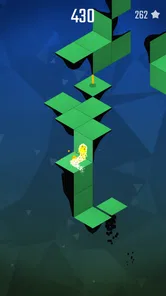
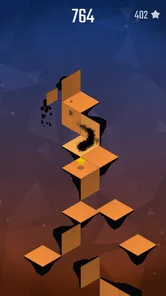
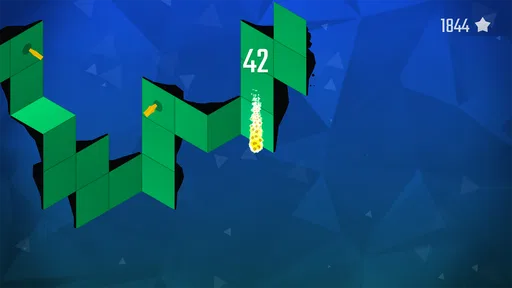
First off, let’s talk about the gameplay. Cosmo Run is this exhilarating mix of strategy and reflexes. You’re tasked with navigating a geometric path suspended in space, and trust me, it’s not as easy as it sounds. The path twists and turns unexpectedly, and you’ve got to be on your toes to keep your little cosmic traveller from plummeting into the abyss. The challenge is real, and it’s addictive!
In practical terms, I see it working best during a commute while waiting, or during a short break when I can put the phone down as soon as I need to. A useful personal rule is to stop after a frustrating streak rather than turning a quick diversion into a chore. That also makes it easier to notice whether I am improving at reading the path or merely repeating the same rushed response.
Stellar Graphics
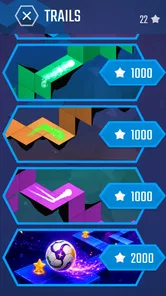
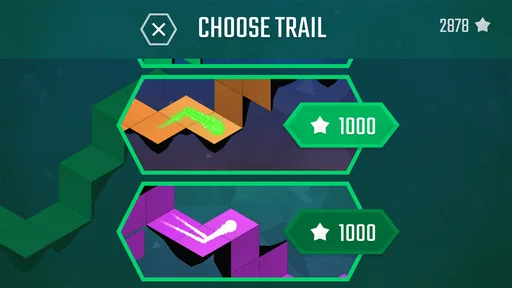
One of the first things I noticed and absolutely loved about Cosmo Run is its graphics. The colors are vibrant, and the animations are smooth, making the whole experience visually delightful. The cosmic theme is beautifully captured, with trails of stardust and glowing paths that add to the game’s allure. It’s like having a mini-universe right in the palm of your hand!
The visual style does more than set a mood: the glowing route is the thing I need to keep reading while I react. That means the presentation is part of the practical experience, not just decoration. I would play somewhere with enough light to see the display comfortably, and I would avoid staring at the screen while walking or crossing a street. This is a game for a stationary pause, not for splitting attention in a situation where missing what is around me could matter.
Soundtrack to the Stars
Now, let’s not forget the soundtrack. The ambient music in Cosmo Run is perfectly on point. It’s calming yet engaging, providing the perfect backdrop as you maneuver through the game. I found the music to be a great companion, especially during those intense moments when you’re just about to break your high score.
For focused attempts, I prefer a quiet moment so the music and the visual cues do not compete with outside noise. If you are somewhere loud, lowering distractions around the phone matters more than trying to squeeze in a serious score chase. And if you simply want a casual run, the soundtrack gives the session a gentler feel, even though the turns still ask for attention.
A Universe of Features
What’s also cool about Cosmo Run is the variety of features it offers. You can collect gems along the way, which can be used to unlock new skins for your character. These little customizations add a nice personal touch to the game. Plus, the game keeps you coming back with daily challenges and rewards. It’s like a little cosmic gift every day!
That mix gives me two different ways to approach a session: I can focus on the immediate run, or treat collected gems and customization as a longer-term reason to return. I would not assume that cosmetic unlocks make the core turns easier; for me, they are a side goal rather than a substitute for learning the timing. If you are the sort of player who wants every reward quickly, that distinction is worth keeping in mind.
And hey, if you’re the competitive type, you can even challenge your friends to see who can master the cosmos better. The leaderboard feature keeps things exciting and adds an extra layer of fun.
For me, the social and collection elements work best as optional seasoning. I can enjoy a run without turning every result into a comparison, and I would not let a leaderboard decide whether the game is worth keeping. If friendly competition motivates you, it gives you a reason to return; if you would rather play privately, the timing challenge can still stand on its own.
Who will enjoy this kind of arcade game?
I would recommend it to someone who likes chasing a cleaner attempt, appreciates a vivid space presentation, and is happy with a game built around concentration rather than a long campaign. It is also an easy fit for short pockets of free time: a couple of attempts while waiting for a friend can feel complete without needing a big commitment. Players who dislike repeating difficult sections, or who want a story to carry them between sessions, may be happier with a slower arcade or puzzle alternative.
Compared with many arcade games that lean on waves of enemies, increasingly busy screens, or elaborate progression, this one puts the focus on reading a route and reacting to its turns. That narrower focus is a strength when I want a direct test of timing, but it also means the experience may feel repetitive if I am looking for lots of different activities. I would choose it for a quick reflex challenge, not as an all-purpose game for every mood.
Choosing it over other quick games
If I am deciding between this and a conventional endless runner, I look at what kind of attention I want to spend. A runner usually asks me to track a moving scene and respond to obstacles; this game feels more like concentrating on a route whose turns are the central test. Neither style is automatically better. I would choose this one when I want the challenge to stay focused on timing and direction, and pick a broader arcade game when I want more varied hazards or a busier sense of action.
It is also a different fit from a puzzle game. A puzzle gives me room to pause and work through a solution, while this arcade experience rewards staying alert and responding in the moment. If I am tired, interrupted, or looking for something calm enough to play while listening closely to another person, a slower puzzle is the kinder option. If I want a brisk concentration test and can give it a few uninterrupted minutes, the quick retry loop is more appealing.
Price, audience, and version context
The game is free to download, with optional in-app purchases priced from $0.99 to $9.99 per item. I would start by playing without spending and decide later whether any purchase fits how I use it; the core appeal, for me, is in learning the turns, not in treating customization as essential. It is rated Everyone, so its stated age category is broad, though a younger player who gets frustrated by repeated mistakes may still need to decide whether this style suits them.
No Six Five developed the game, which was released on July 31, 2015. The current version is 3.0. It has an average rating of 4.2 from around 20,000 ratings, with about 671 written reviews and over 1 million installs. Those figures suggest that it has found an audience, but they cannot tell you whether its particular reflex challenge will suit your tastes; a short trial is a better test than popularity alone.
For someone trying it for the first time, I would keep the decision simple: install it, play a few attempts without buying anything, and ask whether the act of reading the turns is enjoyable even when a run ends early. That is a more useful test than judging it by how many unlocks I have collected or whether I immediately beat someone else’s score. If that basic loop feels satisfying, the optional goals can add reasons to return; if it does not, extra cosmetics are unlikely to change the central feel.
When a rough session may not be the game’s fault
Because success depends on quick reactions, a poor attempt does not always point to a technical problem. A distracted moment, a rushed tap, or playing when tired can make the path seem less readable. I would first retry when I am alert and holding the phone comfortably. If the game repeatedly stops responding rather than simply ending a run, then basic troubleshooting—reopening it and checking for an update—makes more sense than assuming every missed turn is a fault.
There is a useful distinction between a game ending a run and the controls or display failing to respond as expected. The first is part of the challenge; the second is a reason to try the straightforward checks rather than keep tapping harder. I would also give myself a moment after reopening the game before starting another attempt, so I can tell whether the interruption has cleared. If the same problem continues, restarting the device is a reasonable next general check.
Practical verdict
In a nutshell, Cosmo Run is an absolute blast. It’s a delightful mix of challenge, beauty, and fun that’s sure to keep you entertained for hours. Whether you’re looking to kill some time or dive into an immersive experience, this game has something for everyone. So, gear up and get ready to explore the cosmos—just be prepared for a few falls along the way!
So there you have it, folks! Grab your smartphone, download Cosmo Run, and let your cosmic adventure begin. Happy gaming!
Cosmo Run Frequently Asked Questions
Is Cosmo Run suitable for someone new to arcade games?
Yes. Cosmo Run keeps its central action simple: guide a ball along a winding route through space and tap to change direction at the right moment. New players can understand the basic idea quickly, while staying on course calls for attention and practice. Its straightforward controls make it approachable, though precise timing is still part of the challenge.
Does Cosmo Run have an age rating that parents should know about?
Cosmo Run is rated Everyone, so its content is considered suitable for a broad audience. The gameplay focuses on steering a ball along a path in a space setting, using timing and quick reactions to avoid falling. Its simple premise may be accessible to younger players, while the challenge of making accurate turns can also keep older players engaged.
Does Cosmo Run suit players looking for a quick, skill-based arcade game?
Cosmo Run is built around short bursts of focused play: you guide a ball along a winding route through space and react with timely taps to keep it from falling. The simple central action makes it easy to understand, while the need for precise turns gives each run a skill-based challenge. It may appeal to players who enjoy testing their timing and reflexes.
Who developed Cosmo Run, and what kind of game is it?
Cosmo Run is an arcade game developed by No Six Five. Its space setting and straightforward tap-to-turn control put the emphasis on reacting quickly rather than learning a complicated set of commands. The game’s store summary describes its central appeal as performing skillful turns in space, making it a natural option for players who enjoy compact, reflex-focused arcade challenges.
What is Cosmo Run and how does it work?
Cosmo Run is an engaging arcade game available on Android and iOS that challenges players to navigate a ball through a winding path in space. The game's primary objective is to keep the ball on track without it falling off the edges, which requires precise timing and quick reflexes. Players must tap the screen to change the direction of the ball at the right moment to stay on course and avoid losing the game.
Pros
- Engaging gameplay with endless challenges.
- Intuitive controls for seamless navigation.
- Vibrant graphics enhance user experience.
- Regular updates with new levels.
- Suitable for all age groups.
Cons
- Ads can be intrusive during gameplay.
- In-app purchases can be pricey.
- Some levels may feel repetitive.
- Occasional bugs disrupt the game.
- Requires internet for full features.