Boook: Speech Learning Stories
- 0.00
- 0.0
- Installs
- 50.00K
- Price
- Free

Screenshots
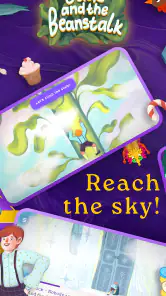

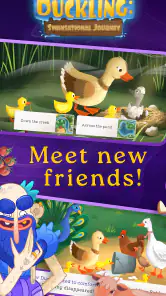
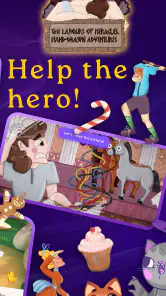
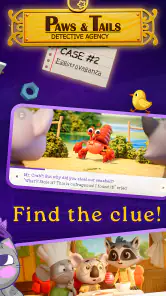
Analysis by Reviewed
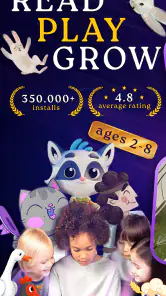
I approached Boook: Speech Learning Stories as a parent might approach any educational game: not just asking whether it looks cheerful, but whether a child can understand what to do, feel a sense of progress, and return to it without turning reading practice into a chore. This is a free educational game from AG Softworks LTD focused on speech, phonics, early reading, and story-based activities. Its audience is children, and the Everyone rating makes that purpose clear.
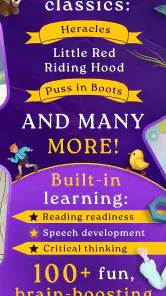
My first impression is that the concept is more appealing than a plain drill because it places learning inside games and books. That matters for children who lose interest when an activity feels like a worksheet. The app is best understood as a guided early-literacy companion rather than a complete replacement for a teacher, parent, or structured reading program. It can make short practice sessions easier to start, especially when a child responds better to pictures, sounds, and playful interaction than to repeated printed exercises.
How the learning journey feels from the first activity onward
Early goals are simple enough to make starting feel safe
For a young learner, the first important goal is not speed. It is knowing what the activity expects. Speech and phonics practice can be intimidating when a child is unsure whether an answer is supposed to be spoken, tapped, matched, or read aloud. Boook: Speech Learning Stories works best when treated as a gentle introduction: sit with the child at the beginning, explain the task in plain language, and let the child try without immediately correcting every mistake.
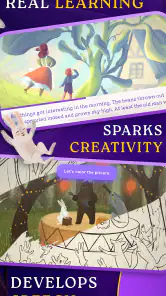
I particularly like the combination of story context and literacy practice. A child who is reluctant to repeat sounds may be more willing to continue when the exercise feels connected to a character or a small narrative moment. The story element gives the session a reason to exist beyond “learn this sound,” while the phonics focus keeps the activity tied to a practical reading skill.
That does not mean every child will automatically understand the goal. Younger users may tap quickly simply because something on screen looks interesting. A parent can improve the experience by asking the child to say the sound first, then complete the activity, instead of allowing random tapping to become the main habit. This small routine turns the game from passive entertainment into shared practice.
The app is also a reasonable fit for families looking for a low-pressure starting point. It is free to install, so trying a short session does not require committing money at the outset. However, free access should not be confused with unlimited access to every part of the experience. In-app purchases range from $4.99 to $39.99 per item, so an adult should handle purchase decisions and check what a child can access before handing over the device.
Progress signals matter more than flashy rewards
In an early-reading game, progress is not only about collecting something or reaching a new screen. The most useful signal is whether the child begins to recognize a sound, attempts a word with less hesitation, or remembers a pattern from a previous session. I would watch those real-world changes more closely than any in-game celebration.
Parents can make the app more effective by keeping a tiny mental record after each session: which sounds felt easy, which ones caused confusion, and whether the child could explain the task without help. If the child succeeds inside the game but cannot repeat the sound away from the screen, that is a sign to slow down and practise aloud rather than simply moving forward.
The story format can support this kind of observation because it gives adults a natural pause point. After a book or activity, ask the child to retell one part, identify a sound heard during play, or find a familiar letter in a physical book. This creates a bridge between screen practice and ordinary reading. It is one of the strongest ways to avoid mistaking game completion for genuine understanding.
There is also a useful trade-off here. A clearly structured app can give a child confidence, but too much adult intervention can make the activity feel like a test. I would offer help only when the child is stuck, then let the child complete the action independently. The aim is to preserve ownership of the small victory.
The difficulty curve needs an adult’s attention
Children do not progress evenly. One learner may recognize individual sounds quickly but struggle to blend them, while another may enjoy stories yet avoid speaking aloud. Because of that, I would not judge the app by whether every activity feels equally easy or equally challenging. The better question is whether the child can stay engaged while meeting a manageable next step.
If an activity becomes frustrating, repeating it immediately is not always the best response. A short break, a spoken example from an adult, or a return to a familiar story may work better than pushing through. Early literacy practice benefits from frequent successful attempts, especially for children who already feel uncertain about reading.
On the other hand, a child who answers everything instantly may need more challenge than the app can provide on its own. In that situation, I would use the game as a warm-up and then move to a printed picture book, magnetic letters, or a conversation about the sounds in everyday words. The app can start the lesson, but it should not be expected to supply every level of progression for a fast learner.
The device itself can affect perceived difficulty. A small screen, poor audio, background noise, or a child holding the device too far away can make a simple speech activity feel unfairly hard. Headphones may help in a noisy room, but an adult should still remain nearby with young children. Clear sound and a calm setting are practical parts of the learning setup, not minor details.
Retention comes from routine, not pressure
The biggest question for any children’s game is whether it can encourage a return visit without creating pressure. I would avoid presenting Boook: Speech Learning Stories as something a child must use every day for a long session. Short, predictable practice is more realistic: a few minutes after breakfast, before a bedtime story, or during a quiet waiting period.
A useful routine is to choose one goal before opening the app. For example, the child might listen carefully for a particular sound, practise saying it clearly, or remember one new word from the story. Once that goal is met, stopping can feel like a successful ending rather than an interruption. This approach also prevents the child from drifting into repetitive tapping simply to keep the session going.
Parents should pay attention to the difference between genuine interest and reward chasing. If a child asks to return because the stories and sounds are enjoyable, that is a healthy sign. If the child becomes upset about unlocking, repeating, or losing access to something, the adult should set a firm boundary and redirect attention to the learning activity itself. The purchase range makes this especially important in a shared family device.
Another retention technique is to alternate screen use with an offline follow-up. After playing, read a short physical book together and invite the child to spot a familiar sound. This makes the app part of a broader reading habit instead of the entire habit. It also reveals whether the game is transferring knowledge beyond its own interface.
What the app does well compared with ordinary alternatives
Compared with a standard phonics worksheet, the app has an obvious advantage: it can make practice feel active. A child receives a more immediate, playful context than a page of isolated exercises, and the story element may help reluctant learners stay with the task long enough to attempt it. For families who struggle to begin reading practice, that reduction in resistance is meaningful.
Compared with a general video, an interactive educational game is potentially more useful because the child is expected to respond rather than only watch. That said, a video can be better for modelling pronunciation when a child needs to hear a sound slowly and repeatedly without the distraction of game interaction. I would use video selectively for demonstration, then use the app for active participation.
Compared with a live tutor or a parent-led lesson, Boook: Speech Learning Stories cannot notice every subtle pronunciation issue or adjust its explanation in the same personal way. An adult can hear when a child is guessing, tired, or confusing two sounds; an app cannot replace that judgement. The strongest arrangement is therefore complementary: use the game for motivation and repetition, then let a person provide correction, encouragement, and context.
Compared with a full reading curriculum, this title appears more approachable and less demanding, but that accessibility is also its limitation. Families seeking a carefully sequenced program with extensive assessment may prefer a dedicated literacy course or professional guidance. Families seeking a friendly entry point for speech and phonics practice may find this format easier to introduce.
Practical ways I would use it at home
In an everyday scenario, I would use it during the ten minutes before dinner while one adult is preparing food and another can sit beside the child. I would begin by choosing a single activity, keep the volume clear, and ask the child to repeat one sound without turning the moment into an exam. Afterward, I would connect the sound to an object nearby, such as a toy or food item, and finish there. The short transition from game to real life is more valuable than extending the session until the child becomes restless.
For a child who avoids speaking, I would first allow listening and observing, then model the response myself in a playful voice. After that, I would invite an attempt but avoid demanding perfection. For a child who rushes, I would ask for a slower answer and praise careful listening rather than speed. These adjustments are simple, but they determine whether the app supports confidence or adds pressure.
For siblings, I would avoid making one child perform in front of the other if pronunciation is a sensitive issue. They can take turns with separate goals, or listen together and then practise privately. The Everyone rating makes the game broadly suitable for children, but age-appropriate supervision still matters because children at different stages may need very different levels of explanation.
Where the experience may create friction
The free entry point is helpful, but the presence of item-based in-app purchases means adults need to manage access carefully. A child may not understand why one part is available while another requires a purchase, particularly if the game presents locked material as part of the normal journey. I would explore the app myself before allowing independent use and make the household rule about purchases clear.
There is also a risk that the appealing story layer can overshadow the speech objective. If a child remembers the characters but cannot recall the sound practice, the session has become entertainment first and learning second. The solution is not to remove the fun; it is to pause and ask one or two simple questions about what was practised.
Another limitation is that screen-based pronunciation practice works best when the environment is quiet and the child is willing to speak. A tired child, a noisy room, or a device with unclear audio can lower the quality of the session. This is not a reason to reject the app, but it is a reason to choose the time and setting thoughtfully.
I would also skip it as a primary solution if the child needs individualized speech therapy, has persistent difficulty being understood, or requires an assessment of a specific reading problem. The game may still be enjoyable alongside professional support, but it should not be treated as a diagnostic tool or a substitute for expert attention.
Device details and who should try it
AG Softworks LTD released the game on Jun 7, 2024. The current version is 3.4.1, and it requires Android 10 or later. Those details are worth checking before installation, especially on an older family tablet that is used mainly by children. The game has passed 50K+ installs, which suggests that it has found an audience without making popularity the main reason to choose it.
I would recommend trying it if you want a free way to introduce phonics and speech practice through short, story-led activities. It is particularly suitable for a parent who is prepared to sit nearby at first, notice what the child is actually learning, and connect the digital activity with books and conversation. It can also suit children who respond poorly to formal worksheets but enjoy interactive tasks.
I would be more cautious if you want a fully independent learning system, a detailed progress report for adults, or a complete reading curriculum in one app. I would also look elsewhere if your child is already reading confidently and needs advanced comprehension, longer texts, or more demanding vocabulary. The app’s strength is its approachable starting point, not unlimited academic depth.
My progression verdict
Boook: Speech Learning Stories succeeds when its progression is treated as a series of small learning moments rather than a race through content. The early goals are understandable, the story setting can make practice less intimidating, and the game format offers a more inviting alternative to repetitive worksheets. Its best progress signals are the child’s growing willingness to listen, speak, and recognize sounds beyond the screen.
Its retention value depends heavily on how adults frame it. Short sessions, clear boundaries around purchases, and offline reading afterward make the experience more purposeful. Without that guidance, a child may focus on tapping, unlocking, or simply watching the story. The app can encourage a return to practice, but the lasting habit comes from the routine built around it.
My overall opinion is positive but measured. I would recommend giving it a try for early speech and phonics practice, especially if you want something warmer and more interactive than a worksheet. I would not rely on it alone for reading development or speech concerns. Used as one tool among stories, conversation, and adult support, it offers a friendly way to help a child take the next small step toward reading.
Pros
- Short stories make daily speaking practice feel more engaging.
- Useful for learners who prefer listening over textbook exercises.
- Narrated content can fit easily into short study sessions.
- Story-based repetition helps reinforce common phrases naturally.
- Simple format makes it suitable for independent practice.
Cons
- The story selection may feel limited for advanced learners.
- Some lessons may require an internet connection to load content.
- Speech recognition feedback may not suit every accent or device.
- Progress tracking appears less detailed than in full language courses.
- Learners seeking grammar explanations may find the app too story-focused.

- Category
- Educational
- Version
- 3.4.1