Beat Notes Cyber Music Game
- 8.00
- 3.9
- Installs
- 1.00M
- Price
- Free

Screenshots

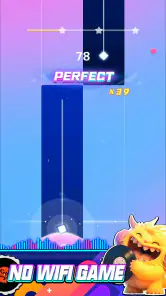

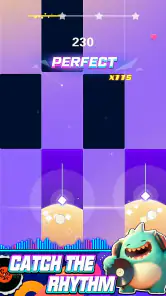
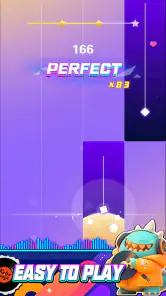


Analysis by Reviewed
I usually judge a rhythm game by two practical questions: does it respond quickly enough to feel fair, and does it fit into the small gaps in my day? Beat Notes Cyber Music Game is a free music game from Three Cookers Game built around tapping along to tracks. Its premise is easy to grasp, so I can get into a round without first learning a complicated set of rules. The appeal is less about studying music and more about matching my timing to a lively, screen-led challenge.
Quick sessions, with timing as the real test
The game’s music-focused format makes it an easy pick when I want something more active than putting on a playlist but less involved than a long console session. A short break is a natural use case: I can focus on following the notes, then put the phone away when I need to get back to something else. The key trade-off is that this kind of play rewards attention. If I am distracted, rushing, or trying to play while doing something else, missed timing can make a round feel less satisfying.
For a better first impression, I would try a session somewhere quiet and hold the phone comfortably rather than treating it as background entertainment. That gives me a clearer sense of the rhythm and helps separate a genuine timing mistake from a moment when I simply was not paying attention. It is also a useful way to decide whether the game’s pace suits me before settling into longer play.
Where it fits among music games
Compared with music games that put greater emphasis on building musical knowledge or practicing an instrument, this is best approached as an arcade-style rhythm diversion. I would choose it for the immediate challenge of keeping time, not as a substitute for piano lessons or a tool for learning songs. If I want a passive listening session, a regular music player is the better fit; if I want structured musical instruction, a dedicated learning app makes more sense. Beat Notes sits between those uses, turning listening into an active test of attention and coordination.
That distinction also helps set expectations about who will enjoy it. Someone who likes chasing a cleaner run or reacting to a beat may find the format appealing. A player who dislikes quick visual decisions, or who mainly wants to listen without tapping, may prefer a different kind of music app. I would treat the game as a small, focused activity rather than something that needs to occupy every spare moment.
What to consider before installing
The game is rated for Everyone and is free to install, while optional in-app purchases range from $3.99 to $39.99 per item. I would check the purchase prompts carefully if a child is playing or if I am trying to keep spending under control. The average rating is 3.9 from 573 ratings, and it has over one million installs, which gives a useful sense of its reach without telling me whether its particular rhythm style will suit my hands or musical taste.
It was released on April 16, 2024, and the current version is 6.0. Those details help identify the edition, but they do not guarantee identical performance on every phone. The minimum operating-system requirement is Android 5.1, so I would check compatibility before downloading, especially on an older device. I would also leave enough attention for the game itself: rhythm play depends on a responsive-feeling session, and interruptions or a crowded screen can make timing harder even when the phone is otherwise usable.
More From Our News Desk

Clash of Clans Is Won Between the Battles

Android Auto Makes the Case for Quieter Car Software

MobiOffice: Transforming Mobile Productivity with Seamless Integration

EA SPORTS FC™ Mobile Soccer: Redefining Mobile Sports Gaming

How Microsoft OneDrive Became a Mobile Productivity Giant

How Google Translate Breaks Language Barriers Effortlessly
Feel the Beat
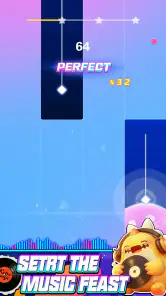
From the moment I launched Beat Notes Cyber Music Game, I was hooked. The interface is sleek, with neon colors that give it a cyberpunk vibe, making me feel like I was stepping into a digital concert hall. What really caught my attention, though, was the intuitive gameplay. You simply tap, hold, and swipe along with the music, perfectly timed to the beat. It's like your fingers become part of the band, jamming along to some seriously catchy tunes.
Gameplay That Keeps You Coming Back
One of the things I absolutely love about this game is its variety. There are multiple levels to unlock, each with its own unique soundtrack and challenges. The game offers a wide range of music, from pop and rock to electronic and classical, ensuring there's something for everyone. As you advance, the levels become more complex, testing your reflexes and rhythm skills. It's a thrilling challenge that keeps me coming back for more, eager to improve my score and climb the leaderboards.
When a song starts to feel difficult, I find it more useful to focus on the pattern than to chase every note with hurried movements. Staying relaxed can help me keep a steadier rhythm, while a few deliberate attempts give me a better sense of where my timing slips. The trade-off is that increasing challenge can be rewarding for players who enjoy practice, but frustrating for anyone who expects every track to be effortless on the first try.
A Community of Music Lovers
What really sets this game apart is the community aspect. You can connect with other players, share your scores, and even engage in friendly competitions. It's a great way to meet fellow music lovers and exchange tips and tricks to master those tricky levels. Plus, the developers are super active, always updating the game with new features and tracks, which means there's always something fresh to look forward to.
For me, the strongest reason to give it a chance is the combination of music and hands-on timing. The main reason to skip it is just as straightforward: if I want quiet, passive listening or a more formal way to learn piano, this is not the right tool. I would start with a brief session, see whether the note-following feels enjoyable, and decide from there rather than assuming that a music theme alone guarantees a match.
Making a session work on an everyday phone
I would treat the first few minutes as a practical test, not just a warm-up. Start with a track that feels manageable, keep the phone steady, and notice whether the visual cues and music seem to line up comfortably for you. If a run feels unexpectedly messy, try again when you can give it your full attention before deciding the game is too demanding. Rhythm games make small lapses feel obvious, and a notification or someone speaking beside you can be enough to throw off a run.
That makes the game a better fit for a deliberate coffee break than for playing while walking, riding in a crowded vehicle, or trying to answer messages. A quiet moment at home is useful for getting familiar with its timing, while a short wait between errands can suit a quick attempt once you know what to expect. I would avoid making a session the soundtrack to another task: divided attention can turn a potentially satisfying challenge into a string of preventable misses.
What a harder run asks of you
The music-game format naturally asks for quick visual attention and coordinated finger movement. When the screen gets busy, I find it sensible to keep my grip relaxed and avoid reaching awkwardly across the phone. That is a small adjustment, but it can make a longer session feel less tiring and reduce the chance that my hand position, rather than my sense of rhythm, is the main problem. If I start tensing up, a pause is more useful than repeatedly forcing another attempt.
I would also separate two kinds of difficulty: learning the rhythm pattern and reacting quickly enough to execute it. A player may understand what a section is asking for but still need practice to make the movement feel natural. That distinction matters because replaying with a specific goal—such as staying calm through a tricky passage—is more productive than simply tapping faster. It is a useful approach for players who enjoy improvement, though it will not appeal to someone looking for an easy, low-attention way to pass time.
Speed, stability, and sensible expectations
In a rhythm game, perceived speed is about more than how quickly a screen opens. The controls need to feel responsive enough for my timing to matter, and the visual rhythm needs to remain understandable while I play. I would not assume that every device or session will feel identical; an older phone that technically meets the operating-system requirement may still offer a different overall experience from a newer one. The most helpful check is simple: try a short run and decide whether your actions feel connected to what you see and hear.
I would keep expectations moderate about heavy use, too. A quick session is a natural way to enjoy this kind of game, while repeated attempts can keep me focused longer than planned when I want to improve. If the phone becomes warm or the game seems less comfortable during extended play, taking a break is a sensible choice rather than pushing through. I am not treating that as a special problem with this title; it is an everyday precaution for any game that keeps the screen active and asks for sustained attention.
For reliability, I would make sure the game is installed on a compatible device and give it a moment to settle before judging how a round feels. If an interruption breaks my concentration, I prefer to restart when I can focus rather than trying to recover mid-task. That is especially true when timing is the point of play: even a perfectly functioning game cannot make a distracted attempt feel fair. A stable-feeling session starts with a stable situation—comfortable grip, enough attention, and no need to hurry away.
Who will enjoy it, and who may prefer something else
I can see it working well for someone who likes short, hands-on challenges and enjoys repeating a section to improve. The music gives the tapping a clear purpose, and the colorful presentation makes the experience feel more like an arcade game than a lesson. It may also suit a casual player who wants to turn a few minutes of waiting into an activity, provided there is enough space and focus to play comfortably.
On the other hand, I would steer away if your priority is learning piano technique, reading music, or following a structured course. The game’s tapping challenge is not a replacement for those goals. Nor would I choose it when I want uninterrupted listening, since a music player does that job without demanding visual focus. Compared with other rhythm games, the appeal here is the piano-themed, pop-and-EDM direction and the immediate note-following feel; players seeking a different music selection or a more explicit training path may be happier elsewhere.
Families should also decide in advance how to handle optional purchases. The game is free to install, but individual in-app items are priced from $3.99 to $39.99. I would look over any purchase screen before handing the phone to a child and use the device’s purchase controls if needed. That does not change the basic appeal of trying a rhythm round, but it is worth being clear about spending boundaries before a child starts exploring.
A practical performance verdict
My overall impression is that this is best enjoyed as a focused, lightweight rhythm diversion rather than a game I would leave running in the background. Its straightforward premise makes it easy to approach, while improving at it depends on paying attention and choosing a comfortable pace. I would test it in a short, quiet session first, then decide whether the timing and presentation make me want another go. That is a better guide than install numbers or ratings, which cannot predict how the controls will feel in my hands.
The game has an average rating of 3.9 and more than one million installs, so plenty of people have tried it, but popularity does not settle the personal question of whether its rhythm style clicks for you. I would give it a chance if the idea of tapping along to music sounds fun, especially if I enjoy replaying a challenge to get more consistent. If I need a music tutor, a passive playlist, or a game that works well while I am distracted, I would choose a different option instead.
In conclusion, if you're a fan of rhythm games or just looking for a fun way to pass the time, I highly recommend giving Beat Notes Cyber Music Game a try. It's more than just a game; it's an experience that immerses you in the world of music. So grab your headphones, crank up the volume, and get ready to feel the beat like never before!
Beat Notes Cyber Music Game Frequently Asked Questions
Is Beat Notes Cyber Music Game free to download?
Yes. Beat Notes Cyber Music Game is free to download, so you can try its music-focused rhythm gameplay without paying upfront. It also offers optional in-app purchases, with items priced from $3.99 to $39.99. Consider those purchases separately from the free download, especially if you prefer not to spend money inside games.
Is Beat Notes Cyber Music Game suitable for children?
Beat Notes Cyber Music Game has an Everyone content rating, making it broadly suitable for players of different ages. Its central activity is playing along to music by responding to notes, so it may appeal to children and adults who enjoy rhythm games. Parents can still review the game and its optional purchases together with younger players.
What is Beat Notes Cyber Music Game about?
Beat Notes Cyber Music Game is an immersive rhythm-based game that combines captivating music tracks with engaging gameplay. Players tap, swipe, and hit notes in time with the music to score points and progress through various levels. The game boasts a futuristic cyber theme, offering a visually stunning experience with its neon graphics and pulsating beats.
On which platforms can I download Beat Notes Cyber Music Game?
Beat Notes Cyber Music Game is available for download on both Android and iOS platforms. Players can easily find the game on the Google Play Store for Android devices and the Apple App Store for iOS devices. Ensure your device meets the minimum system requirements for an optimal gaming experience.
Are there in-app purchases in Beat Notes Cyber Music Game?
Yes, Beat Notes Cyber Music Game offers in-app purchases. While the game itself is free to download, players can buy additional content such as new music tracks, skins, and other customization options to enhance their gaming experience. These purchases are optional and not necessary to enjoy the core gameplay.
Pros
- Engaging rhythm-based gameplay.
- Stunning neon graphics.
- Diverse music tracks.
- Intuitive controls.
- Regular updates with new content.
Cons
- In-app purchases can be pricey.
- Ads can be intrusive.
- Limited offline gameplay.
- Requires high device performance.
- Steep learning curve for beginners.

- Category
- Music
- Version
- 6.0