Vista Auction
- 54.00
- 3.5
- Installs
- 10.00K
- Version
- 1.16.0

Screenshots



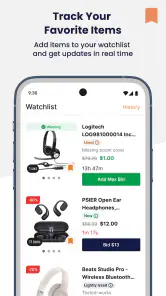
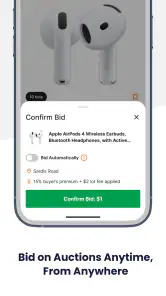
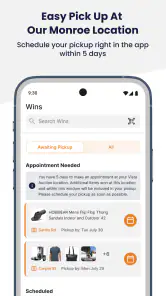


Analysis by Reviewed
I approached Vista Auction as a shopping app for people who prefer local bidding to ordinary online checkout. Its central idea is easy to understand: browse auction opportunities, decide what an item is worth to you, and take part without paying an entry fee for the app itself. That makes it interesting for bargain hunters, curious browsers, and anyone who enjoys the tension of an auction more than the fixed-price experience of a standard marketplace.
My overall impression is mixed but promising. The app has a clear purpose and a memorable local angle, yet auction shopping demands more attention than simply adding an item to a cart. The useful question is not whether every listing is automatically a bargain. It is whether the final result, after your bid and any practical effort involved, is better than the alternatives you already use.
How Vista Auction fits into everyday shopping
Vista Auction is a free shopping app from Vista Auction, aimed at local bidding rather than conventional retail browsing. It carries an Everyone content rating, so its general presentation is intended for a broad audience. The app was released on November 27, 2025, and version 1.16.0 is the current version I reviewed on a device running Android 8.0 or later.
That Android requirement is useful for people with older phones, although an older operating system can still affect the overall experience through device speed, screen size, or notification behavior. I would not judge the app only by its compatibility line. Auction apps are most useful when you can check them regularly, so a phone that handles browsing and alerts comfortably matters more than simply being able to install it.
The store shows an average rating of 3.5 from around 116 ratings, with 54 written reviews and over 10K installs. Those figures suggest that the app has attracted a real early audience, but they also tell me to keep expectations measured. It is not a mature, universally established marketplace in the same league as the biggest shopping platforms. I would treat it as a focused tool to explore, not as the only place I shop.
The phrase “Bid Local, Win Big” captures the intended appeal, but I found the local focus more important than the promise of winning. Local auctions can be worthwhile because they may connect you with items and sellers in your area. They can also require more planning than a delivery-based marketplace. Before bidding, I would want to understand where an item is located, how I would receive it, and whether the total effort still makes sense if the price rises.
What the free price really means
The app itself is free, which lowers the risk of trying it. You can install it without committing money just to see whether its auction selection suits you. That is a meaningful advantage over services that charge for access before you even know whether you will find useful items.
Free access should not be confused with free purchases. The app may help you discover and bid on goods, but the value of any transaction depends on the winning amount and the practical terms attached to that item. I would set a personal ceiling before bidding, rather than allowing the excitement of a closing auction to decide my budget.
This distinction is especially important when comparing Vista Auction with a normal shopping app. A fixed-price listing gives you a known purchase amount immediately. An auction can begin attractively and finish at a level that no longer feels attractive. The free download makes experimentation inexpensive, but it does not remove the need for careful buying decisions.
My first-use approach
If I were introducing a friend to the app, I would suggest starting as a browser rather than as an active bidder. Spend time learning how listings are presented, how quickly auctions change, and how easy it is to return to an item you are watching. This lets you understand the rhythm of the marketplace without making a rushed commitment.
I would also make a simple note for each serious candidate: the maximum amount I would pay, the reason I want the item, and the practical plan for receiving it. That small routine is more valuable here than chasing every apparent deal. The strongest auction habit is knowing when to stop.
Where the app can deliver real value
The most obvious value is discovery. A local auction app can expose opportunities that do not feel like ordinary catalog shopping. Instead of searching only for a specific product at a fixed price, you can look for useful or interesting items that happen to appear through the auction process. That makes the experience suitable for flexible shoppers who enjoy comparing possibilities.
There is also value in the local angle. When a purchase is nearby, the buyer may be able to think about collection or local logistics in a more direct way than with a distant seller. I would still check the practical details for every listing, but the app’s identity is better suited to people who are comfortable with a transaction connected to their area rather than expecting every purchase to arrive through a standard delivery pipeline.
Another strength is the way the app can turn occasional shopping into a repeatable search habit. I would use it when I am not in a hurry and can check for suitable items over time. That is a better match than opening it only when I need something immediately. Urgent shoppers usually benefit more from a known price and predictable fulfillment.
One non-obvious advantage of auction browsing is that it can improve your sense of market value. Even if I decide not to bid, observing how interest develops around an item can help me judge whether my own price expectation is realistic. I would not treat every auction result as a definitive valuation, but repeated browsing can make future decisions less impulsive.
A realistic household example
Imagine I need a replacement item for a spare room, but there is no deadline. I could open Vista Auction, look through local opportunities, and identify a listing that fits the room and my budget. Rather than bidding immediately, I would compare the likely total cost with a fixed-price alternative, decide whether collection is convenient, and write down my limit.
If the auction remains below that limit near the end, the purchase may offer worthwhile value. If bidding moves beyond it, I would leave rather than rationalize the extra cost. The app is most useful in this situation because flexibility gives me room to wait. It is much less useful if I need the replacement tomorrow or cannot handle uncertainty about the final amount.
Three habits that make the experience better
Separate curiosity from intent. I would mark mentally which listings I am merely exploring and which ones solve a real need. This prevents an interesting auction from quietly becoming an unnecessary purchase.
Calculate the complete effort, not only the bid. I would consider travel, timing, collection arrangements, and the inconvenience of a poor fit. A lower winning amount is not automatically better if getting the item is difficult.
Use a written ceiling before the closing stage. The final moments are where emotional bidding can replace sensible shopping. A pre-set limit gives me a clear exit and protects the value of the free app from turning into an expensive impulse.
These habits are not flashy features, but they are the difference between using an auction app thoughtfully and treating it like a game of chance. Vista Auction benefits users who bring their own discipline. It cannot decide whether a listing is worth the money for them.
How it compares with familiar alternatives
Compared with a standard retailer, Vista Auction offers less certainty but potentially more discovery. A retailer is usually better when I know the exact product I want, need a dependable delivery process, or want to return to a familiar item page and buy immediately. Vista Auction is more appealing when I am willing to browse and wait for an opportunity.
Compared with a large general marketplace, the local emphasis is the main point of difference. Bigger platforms often provide broader inventory and highly familiar purchase flows. This app is more specialized, so its value depends heavily on whether the local auction selection matches what you are looking for. I would keep a general marketplace available for routine purchases and use Vista Auction as a complementary search rather than a complete replacement.
Compared with a classified listing service, an auction format can create a different kind of price discovery. A classified service may make direct negotiation or immediate contact feel more natural, while an auction gives the purchase a defined competitive structure. The better option depends on whether I prefer a clear asking price and conversation or the possibility of winning through a bid.
The tradeoffs I would consider before bidding
The biggest friction is uncertainty. A free app is easy to try, but the outcome of a particular auction is not guaranteed. I may spend time watching an item and still decide not to bid, or I may lose after investing attention in it. That is normal for this category, but it means the app rewards patience more than speed.
Local shopping can also introduce practical questions that do not matter as much in a standard delivery app. I would want to plan around location, timing, and the condition of the item before treating a low bid as a bargain. If those details are inconvenient, the apparent saving may disappear in time or effort.
There is a psychological tradeoff too. Auctions encourage users to focus on winning, while good shopping decisions should focus on value. I found it helpful to describe the purchase in plain language: “I need this item at or below this total amount.” If I cannot explain the benefit that way, I probably should not bid.
The app’s rating of 3.5 indicates a fairly ordinary level of user satisfaction rather than a signal of flawless performance. I would therefore allow for some rough edges while evaluating it. Early-stage or smaller shopping services can feel less polished than the largest alternatives, and the experience may depend strongly on the quality and consistency of the available local listings.
Another limitation is suitability. People who dislike monitoring auctions, making judgment calls, or arranging local transactions may find the format tiring. The app is not the right choice for someone who wants a simple cart, a guaranteed price, and a predictable checkout routine every time.
Questions I would answer before installing
Is it worth trying if I am only looking for bargains? Yes, because the app is free to access and browsing lets you judge its usefulness without paying for membership. I would still avoid installing it with the expectation that every visit will produce a deal. Its value comes from finding the right opportunity, not from constant savings.
Can it replace my usual shopping app? In my view, no—not for most people. It works better beside a normal retailer or broad marketplace. Use those services when certainty matters, and check Vista Auction when you have flexibility and want to explore local bidding.
Should a first-time user bid immediately? I would not. I would first observe several listings, learn the app’s flow, and decide how local collection or fulfillment fits into my routine. Watching without bidding is a practical way to build confidence and avoid paying for a lesson through an unwanted purchase.
Who should skip it? I would skip it if I need guaranteed availability, cannot manage a changing final price, or do not want to deal with local logistics. I would also choose a fixed-price service when the item is essential and time-sensitive. Auction shopping is strongest when the purchase is useful but not urgent.
Does the developer and current release make it worth testing? Vista Auction is the developer behind the app, and version 1.16.0 gives Android users a clear current version to try. That does not guarantee that it will suit every phone or shopping routine, but the free price makes a personal test reasonable for people interested in local auctions.
My verdict on the value
I see Vista Auction as a focused shopping option rather than a universal marketplace. Its free access removes the main barrier to experimentation, while the local auction concept gives it a distinct reason to exist. I like it most for flexible shoppers who enjoy discovery, can compare alternatives, and are willing to set firm limits.
I would recommend trying it if you have time to browse and a genuine interest in local bidding. Start slowly, compare the complete cost with fixed-price choices, and treat the winning feeling as separate from the value of the item. The app can be worthwhile when it helps you find something suitable at a sensible total cost.
I would not recommend relying on it for urgent purchases or for anyone who wants completely predictable shopping. Its limitations are part of its format, not problems that careful browsing can always solve. My final view is that Vista Auction is worth a cautious trial, not blind loyalty: keep it as a useful local-auction companion, and let the actual item, final bid, and practical effort decide whether each purchase is a win.
Pros
- Easy access to live and upcoming auctions from a mobile device.
- Useful bidding tools help users follow lots and place offers quickly.
- Lot details and auction information are conveniently grouped together.
- Notifications can help users stay updated on auction activity and results.
- Suitable for buyers interested in vehicles
- equipment
- and other auction items.
Cons
- Some listings may provide limited photos or descriptions for careful evaluation.
- Bidding activity can move quickly
- increasing the risk of impulsive offers.
- Additional buyer fees may affect the final purchase cost.
- App performance and auction access can depend on a stable internet connection.
- Not every auction or listing may be available in all locations.