PokerBROS: Play NLH, PLO, OFC
- 1.81K
- 4.5
- Installs
- 500.00K
- Price
- Free

Screenshots

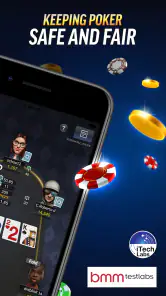
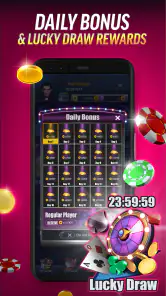

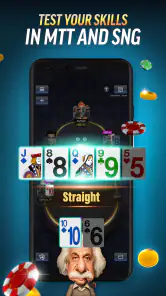


Analysis by Reviewed
If you are looking for a social way to play poker with people you already know, PokerBROS: Play NLH, PLO, OFC is built around that simple idea. I found it more interesting than a standard solo poker app because the focus is on private-feeling groups, shared tables, and friendly competition rather than only sitting down with anonymous players. It is a free social app from ThinkLean, with optional in-app purchases ranging from $0.99 to $99.99 per item.
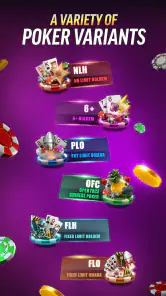
The app supports Texas Hold’em, Pot Limit Omaha, and Open-Face Chinese Poker, so it is not limited to one familiar format. That variety is useful, but it also means a new player can feel slightly lost if they open it without knowing which mode to choose. My advice is to treat the first session as an orientation: learn where the tables are, understand how your group works, and aim for one complete, comfortable game instead of trying every option immediately.
What to expect when you open PokerBROS
The first thing to understand is that this is a social poker app, not simply a digital deck of cards. Its appeal depends heavily on whether you have friends, a regular group, or an online community that wants to play together. If you enjoy discussing hands, teasing friends after a bad decision, and building a recurring game night, the format makes sense. If you only want instant matches against strangers with no setup, a conventional poker platform may feel more direct.
The store summary highlights Texas Hold’em, Pot Limit Omaha, and other poker games, while the product is presented as PokerBROS. In practical terms, I would approach it as a place to organize or join a poker circle. That distinction matters because the most satisfying experience is not necessarily the first hand you play. It is the point where you recognize the people at the table, understand the group’s routine, and start making decisions with a little more confidence.
The app has a Teen content rating, which is worth keeping in mind for households and younger users. It is free to install, although the presence of optional purchases means I would still avoid treating the in-app balance as if it were completely consequence-free. Before joining a regular group, I would make sure everyone understands what the app’s virtual items or purchases are being used for and whether participation is meant to remain casual.
PokerBROS has reached over 500 thousand installs and holds a 4.5 average from around 11 thousand ratings, with roughly 1.8 thousand written reviews. Those figures suggest that the social format has found a real audience, but they should not be mistaken for a guarantee that every group will suit you. Poker is unusually dependent on table culture. A welcoming group can make the app feel lively; a confusing or overly competitive one can make the same interface feel tiring.
On my first visit, I would not judge the whole experience by how quickly I could find a game. I would judge it by whether the app makes the next action understandable: joining the right group, choosing a familiar poker variant, and knowing what to do when the hand begins. That is the path that turns the download into something useful.
More From Our News Desk

Clash of Clans Is Won Between the Battles

Android Auto Makes the Case for Quieter Car Software

MobiOffice: Transforming Mobile Productivity with Seamless Integration

EA SPORTS FC™ Mobile Soccer: Redefining Mobile Sports Gaming

How Microsoft OneDrive Became a Mobile Productivity Giant

How Google Translate Breaks Language Barriers Effortlessly
Choosing the right poker variant
For a first meaningful session, Texas Hold’em is the safest starting point because most casual players already recognize the basic rhythm: receive cards, evaluate the board, and decide whether to continue. Pot Limit Omaha is more demanding because the extra hole cards create more possible combinations and can make apparently strong hands less secure than they look. Open-Face Chinese Poker is a different kind of challenge altogether, so I would save it for a group that already knows how it wants to play.
This choice is more important than it may seem. A new player who starts with a familiar Hold’em table can spend the session learning the app. Someone who starts with an unfamiliar variant has to learn both the rules and the interface at once. My practical tip is to ask your friends which game they consider the group’s default, then stay with that format until you can complete a hand without stopping to interpret every screen.
Setting up your first session
After installing the app, I would begin by checking the current version shown on the device. PokerBROS is listed at version 1.7.0 and supports Android 5.0 or later, so it is accessible on a wide range of Android phones. That broad compatibility is helpful if your group includes people with older devices, although performance can still vary with the phone, connection, and operating system environment.
Do not rush through the identity and group choices simply because you want to reach a table. In a social poker app, the name and profile you use affect how easily friends recognize you. A clear, consistent identity is more practical than an elaborate one, especially if several people in your circle are joining at the same time. It also reduces the chance that someone enters the wrong table or mistakes another player for you.
If a friend has invited you, keep that invitation available while you work through the setup. The most common beginner mistake is moving ahead without noting the group or table details, then expecting the app to make the connection obvious later. I would take a moment to confirm the group name, the game type, and the intended starting point before tapping through additional areas.
A second useful habit is to separate learning the interface from learning poker strategy. During setup, look for the places where you can identify your group, view available games, and return to the table. Once the hand starts, concentrate on the cards and actions. Trying to memorize every menu while also calculating a draw is a quick way to feel that the app is harder than it really is.
How to reach the first successful action
For me, a first success in PokerBROS is not winning a large pot. It is joining the intended table, recognizing the game, and completing a decision without confusion. If you reach that point, you have already learned the core workflow. A win can come later; the first goal is to make the app feel predictable.
Start with a table where the rules are familiar and the people are patient. When the hand begins, identify your cards, check the variant, and pause long enough to understand the available action. In Hold’em, that usually means deciding whether to fold, call, or raise based on your cards, the board, and the betting situation. In a friendly first session, there is no shame in asking the group to explain a screen before acting.
One non-obvious advantage of playing with people you know is that you can establish a shared vocabulary outside the app. Before the game, agree on what counts as a casual hand, whether beginners can ask questions, and how the group handles someone joining late. This prevents the app from carrying social rules it cannot possibly explain. The best first session is often created by a short conversation before anyone taps the table.
I also recommend setting a personal stopping point. Poker apps can encourage “one more hand,” particularly when you have just lost or are trying to recover. Decide in advance whether you are playing for a short break, a scheduled group session, or a longer evening. The free download does not remove the need for discipline, especially when optional purchases are available. Keep the first session about learning the flow, not chasing a result.
Small habits that make the table easier to read
When several games are available, avoid jumping between them just because one table looks busy. Consistency helps you notice what is actually happening in the interface. Stay with one variant for a while, and use the next session to explore another. This approach also makes it easier to compare your decisions because you are not changing the rules and the social setting at the same time.
Another useful habit is to watch the table before making a purchase or committing to a longer session. You can learn a surprising amount from the pace of the group: whether players explain actions, whether hands move quickly, and whether the atmosphere suits a beginner. If the table feels rushed, switching to a more patient group is often a better solution than blaming yourself for not keeping up.
In Pot Limit Omaha, I would be especially careful about overvaluing hands that look attractive at first glance. The additional cards create more possibilities for opponents as well as for you. That is a strategic reason to choose Hold’em first, even if Omaha sounds more exciting. The app can provide the table, but it cannot replace a clear understanding of the variant’s hand logic.
With Open-Face Chinese Poker, the challenge is less about copying your Hold’em habits and more about learning how the arrangement decisions work. I would only choose it when the group is prepared to explain the format. Otherwise, the first session can become a rules lesson instead of a social game, which is not necessarily bad, but it is a different expectation.
Common points of confusion for new players
The biggest source of confusion is assuming that every poker app uses the same social structure. Some alternatives are designed around quick matchmaking, automated opponents, tournaments, or a large public player pool. PokerBROS feels more dependent on the group you enter. If you cannot immediately see why a table is available or who it is meant for, the answer may be connected to the way your circle organizes games rather than to a missing poker rule.
Another point to clarify is the difference between app access and the value of optional purchases. The app is free, but purchases are available, and individual items can cost from $0.99 to $99.99. I would not buy anything until I understood exactly how the group uses it and whether I can enjoy the session without it. This is especially important for first-time users who may interpret a purchase prompt as necessary progress.
Players also sometimes confuse a poor hand with a poor app experience. Poker naturally includes losing stretches, awkward decisions, and moments where the correct action is to fold. If the table is functioning normally but the cards are unkind, that is part of the game. On the other hand, if you cannot tell which group you joined, what variant is active, or how to return to the right table, that is a usability issue worth addressing before continuing.
The age rating is another practical consideration. Since the app is rated Teen, families should not assume that its social environment is identical to a private board game at home. I would be selective about groups, avoid sharing unnecessary personal details, and make sure younger players understand that online social spaces require the same caution as other community apps.
Finally, do not assume that a high rating means the app will replace every other poker option. A 4.5 average is encouraging, but the reasons people enjoy it are likely tied to its social approach. If your priority is a highly structured competitive ladder, detailed training tools, or a purely anonymous quick match, another category of poker app may serve you better. PokerBROS is strongest when the human group is part of the reason you want to play.
Who should use it and who should skip it
I would recommend PokerBROS to friends who already have a poker circle, people organizing a recurring game night, and players who enjoy switching between Hold’em, Omaha, and other formats. It can also suit someone who wants a more personal atmosphere than a public table offers. The app’s value grows as the quality of the group improves, so a small, active circle may be more satisfying than a large but disorganized one.
I would be more cautious recommending it to a complete beginner who has no invitation and wants instant guidance. You can learn poker through practice, but the social structure may not feel immediately obvious without someone showing you where to start. In that case, a dedicated tutorial or practice-focused alternative could be a better first stop, followed by PokerBROS once you understand the rules.
It is also not my first choice for someone who wants a calm, offline experience. The app is built around social play, and that brings the benefits and drawbacks of playing with other people: conversation, group expectations, changing availability, and occasional disagreements about how a session should run. If you want to play entirely on your own schedule, an offline poker game is likely a better fit.
Players who are uncomfortable with optional spending should set a clear boundary before joining. The free price makes trying the app easy, but the purchase range is wide enough that casual users should pay attention. I would treat purchases as a separate decision from joining a table, never as the natural next step after a disappointing hand.
How it compares with familiar alternatives
Compared with a standard online poker room, PokerBROS is more appealing when the social group matters as much as the cards. A public room can be faster because it does not depend on your friends being available, but it may feel less personal. PokerBROS reverses that priority: the group experience is central, while the convenience of instant anonymous matchmaking may be less important.
Compared with a poker training app, it is less suited to structured learning. Training tools usually help you study hand strength, probabilities, or decision patterns in a controlled way. Here, the lesson comes from playing real sessions, talking with your group, and noticing how different variants change your choices. I would use a training resource to build fundamentals, then use this app to put those fundamentals into a social setting.
Compared with a casual card game that uses poker imagery but minimal rules, PokerBROS offers more room for players who genuinely want Texas Hold’em, Pot Limit Omaha, or Open-Face Chinese Poker. That also creates a higher learning curve. It rewards people who are willing to understand the format rather than simply press the most attractive button on the screen.
The trade-off is clear: you gain a more organized home for group poker, but you depend more on finding the right group. That is why I would not evaluate it only by its first five minutes. The meaningful test is whether your second or third session is easier because you now know where your friends play and what kind of game you want.
Taking the next step without making the game complicated
Once you have completed a comfortable Hold’em session, choose one improvement rather than changing everything. You might learn the basics of Pot Limit Omaha, invite another friend, or agree on a regular time for your group. A focused next step keeps the app social and prevents the menus, variants, and purchase options from becoming distractions.
If your group is already comfortable, experimenting with another format can refresh the experience. I would move from Hold’em to Omaha only after everyone understands that the extra cards change hand evaluation. Open-Face Chinese Poker deserves its own introduction because it asks for a different kind of planning. The best way to explore it is with players who are willing to explain decisions instead of treating confusion as part of the competition.
Version 1.7.0 is the current version, and the app’s Android requirement begins at version 5.0 of the operating system. For a practical check before a group session, make sure everyone can open the app, identify the same game, and reach the intended table. That simple preparation is more valuable than discovering a compatibility or setup problem after everyone has agreed to play.
I would also review my own boundaries after the first few sessions. Am I enjoying the conversation, or am I only trying to recover losses? Do I understand the variant, or am I copying other players? Am I comfortable with the group and with the available purchases? These questions help decide whether the app is becoming a healthy hobby or merely another source of screen time.
After using it as a social poker destination, my view is positive but specific. PokerBROS: Play NLH, PLO, OFC is a good choice for people who want poker to feel like a shared activity rather than a collection of isolated hands. ThinkLean has positioned it for variety and group play, and its free entry makes it easy to test with friends. The experience is less convincing if you want instant anonymous games, deep training guidance, or a completely offline pastime.
My recommendation is to start with a known group, choose Texas Hold’em, and define the session before you begin. Complete one game, learn the table flow, and postpone purchases until you understand how your group uses the app. If that first session leaves you wanting to organize another, PokerBROS has probably found its place on your phone. If the social setup feels like work, a simpler poker alternative will likely be the better match.
PokerBROS: Play NLH, PLO, OFC Frequently Asked Questions
Is PokerBROS suitable for someone new to mobile poker?
PokerBROS may suit newcomers who want to learn through social play and join a poker community, though its club-based setup may feel less straightforward than a simple open lobby. The app includes familiar Texas Hold’em as well as PLO and OFC, whose rules and strategies differ. Before joining a table, take time to understand the game format and the club’s rules so you know what to expect.
What does PokerBROS require to run on my phone?
PokerBROS is available for Android devices running version 5.0 or later. Checking your device’s operating system before downloading can help avoid compatibility surprises. The app is also available for iOS, so iPhone users can look for it in their app store. As with any mobile app, keeping your device’s software current can help you have a smoother experience.
Does PokerBROS include in-app purchases?
Yes. PokerBROS is free to download, but it offers in-app purchases, with prices ranging from $0.99 to $99.99 per item. Those purchases are separate from the download price, so it is worth reviewing the purchase options and your device’s payment settings before using them. The app’s social, club-based format also means you should understand a club’s chip policies and any expectations before joining games.
What is PokerBROS: Play NLH, PLO, OFC?
PokerBROS is a social poker app focused on private clubs and organized games rather than a traditional casino lobby. Players can join or create clubs, invite friends, and play popular formats such as No-Limit Hold’em (NLH), Pot-Limit Omaha (PLO), and Open-Face Chinese Poker (OFC). The app is designed for mobile play, with club-based tables, customizable settings, and communication tools that make it suitable for private groups and poker communities.
Is PokerBROS free to download and play?
The app can generally be downloaded without an upfront purchase, but users should understand that free installation does not necessarily mean every game is completely free. PokerBROS may support club-specific systems, virtual chips, or other arrangements determined by individual clubs. Before joining a table, carefully review the club’s rules, payment expectations, and chip policies. Availability and features may also vary depending on your region and platform.
Pros
- Supports NLH
- PLO
- and OFC poker variants in one app.
- Private clubs make it easy to play with friends or regular groups.
- Play-money format lets beginners practice without financial risk.
- Club tools support tables
- tournaments
- and organized poker communities.
- Available on both Android and iOS devices.
Cons
- No real-money cashouts
- which may disappoint serious poker players.
- Club access often depends on invitations or finding active communities.
- The interface can feel busy for new players unfamiliar with club systems.
- Gameplay quality depends heavily on the activity and fairness of each club.
- In-app purchases may be needed for additional play-money chips.
- Category
- Social
- Version
- 1.7.0