Patogh: Popular Fun & Play Hub
- 318.00
- 4.1
- Installs
- 1.00M
- Price
- Free

Screenshots






Analysis by Reviewed
When I have a few spare minutes and want more than a solo game, I look for something that brings play and conversation together without making me plan a whole evening around it. That is the appeal of Patogh: Popular Fun & Play Hub: it is a free social app from developer M.N.Haami, built around entertainment and meeting people. Its Teen age rating is worth keeping in mind if you are choosing an app for a younger user; I would still treat conversations with unfamiliar people thoughtfully, as I would in any social space.
Choosing a social app for a particular kind of downtime
Patogh makes most sense when I want a shared activity to give a conversation somewhere to start. A group of friends could use a game as a low-pressure way to spend time together, while someone curious about meeting people may appreciate having play and chat in the same place. If my main goal were keeping up with people I already know, I would probably choose a conventional messaging or social-network app instead. Patogh’s appeal is the combination, rather than a replacement for every social tool.
That distinction matters when deciding what to expect from a first session. I would not install it assuming it will organize plans, replace my regular group chat, or provide the same kind of quiet focus as a dedicated game. I would think of it as a place to see whether an activity and a conversation can make a short break feel less solitary. If either half turns out to be more appealing than the other, that is useful to know before I make it part of my routine.
How I would move from opening the app to spending time with others
I would start by deciding whether I want to play or connect, then use the app’s game and group options to find a shared focus. A practical first visit is to try a game before joining a conversation: it gives me a feel for the entertainment side and helps me decide whether I want to spend more time there. If a group around an interest feels like a fit, joining it can turn a brief session into an ongoing social activity. I would keep the first visit modest rather than assuming every feature or community will suit me.
That modest start is also a useful way to compare a group’s tone with my own expectations. I can read along and see whether people are discussing the activity in a way I enjoy before taking a more active role. If the exchange feels welcoming, I can contribute a question or observation related to the game; if it feels awkward, I can move on without treating that first encounter as a verdict on the whole app. A social space is shaped by its participants, so choosing where to spend attention is part of using it well.
That sequence also makes the handoff between play and conversation easier. Instead of opening a chat with nothing to say, I can talk about the activity, ask how someone approaches it, or share a tip. For a quiet evening when friends are busy, that can be a more natural starting point than browsing a general social feed. One useful habit is to decide in advance whether I have time for a quick game or a longer conversation; otherwise, an app meant for a short break can take over the whole break.
What's the Buzz About?
Imagine having a single app where you can play an array of games, connect with friends, and even meet new people from around the world. Sounds like a dream, right? Well, Patogh makes this dream come true. I stumbled upon this app while looking for something to break the monotony of my daily routine, and boy, was I pleasantly surprised!
More From Our News Desk

Clash of Clans Is Won Between the Battles

Android Auto Makes the Case for Quieter Car Software

MobiOffice: Transforming Mobile Productivity with Seamless Integration

EA SPORTS FC™ Mobile Soccer: Redefining Mobile Sports Gaming

How Microsoft OneDrive Became a Mobile Productivity Giant

How Google Translate Breaks Language Barriers Effortlessly
A Playground in Your Pocket
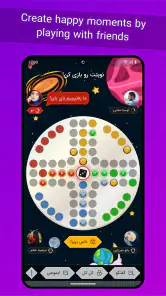
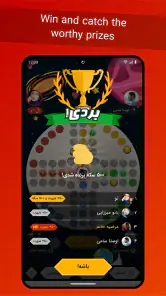
So, what does Patogh really offer? First off, it has a selection of games that cater to different tastes. Whether you're into strategy, puzzles, or casual gaming, there's something here for everyone. I tried a few rounds of their puzzle games, and let me tell you, they’re not just your ordinary time-killers. Each game has unique challenges that are both engaging and fun.
But the fun doesn’t stop there. The app also allows you to create and join groups, which is fantastic if you’re looking to share the experience with others. I joined a group of puzzle enthusiasts, and it’s been a blast swapping tips and tricks.
That group option changes how I would use the app over time. Rather than treating every visit as a search for a brand-new conversation, I can return to an interest-based space and build familiarity through recurring discussions. For a casual player, that can make it easier to ask about a puzzle or share a small discovery without needing to introduce the whole topic from scratch. The trade-off is that a group only helps if its interests and conversation style are a match; joining one is a starting point, not a guarantee of a lively or comfortable experience.
Meet New Faces, Make New Friends
Remember the thrill of meeting new people in a cozy coffee shop? Well, Patogh replicates that feeling virtually. The app’s social features are quite impressive. You can chat with people from different corners of the globe, making it a melting pot of cultures and ideas. I’ve found myself spending hours just chatting and learning about different cultures, which is both refreshing and enlightening.
Plus, the app is designed to be user-friendly. Even if you’re not tech-savvy, navigating through the various features is a breeze. Everything is laid out intuitively, so you can focus more on enjoying the experience rather than figuring out how things work.
What to expect from its social side
Compared with a standalone puzzle game, Patogh gives play a social context; compared with a broad social network, it gives people an activity to rally around. That blend is useful when I want light interaction rather than a carefully curated feed. It is less suitable if I want a quiet, offline puzzle session, or if I prefer social apps limited to people I already know. The right choice depends on whether meeting and chatting are part of the point for me.
It also sits in a different lane from a standard messaging app. A messenger is usually the more direct choice when I already know whom I want to contact and need a reliable place for a specific conversation. A standalone game makes more sense when I want its mechanics without social interruptions. Patogh is most distinctive in the middle: I can use games and groups as common ground, then decide whether the social side is worth continuing. That makes it a less predictable choice, but potentially a more engaging one when I want company rather than simply another feed to scroll.
For a realistic everyday example, imagine I have half an hour free after dinner and a friend is not available. I could open the app, try a game, and see whether a group conversation adds to the experience. If the chat is lively, I can stay; if not, I can treat the game as the whole visit and leave. That flexibility is a strength, but it also means the quality of the session depends partly on whether the people and groups I encounter match my interests.
For that sort of short window, I would make the decision before opening the app: am I looking for one quick activity, or am I willing to let a conversation continue? That small boundary helps me avoid starting a casual visit and then feeling pulled into a longer one than I wanted. It also gives me a clear way to judge the app afterward. If I leave feeling entertained or glad I spoke with someone, the session worked; if I only felt distracted, I can choose a solo game next time.
Where the experience can lose its flow
Combining games and social contact is convenient, but it can also split my attention. I may open the app for a quick round and find that conversation becomes the main event, or arrive hoping to chat and discover that I would rather play. I would approach new communities with patience: a group’s tone may not be right for me, and I should not feel obliged to keep participating just because I joined. For users who want predictable, private communication, a familiar messaging app is the more straightforward option.
Another practical point is that social entertainment depends on timing and participation. A group that suits me in principle may not have a conversation I want to join at the moment I open the app. I would avoid judging the whole experience from one quiet visit, but I also would not keep checking out of obligation. If I find that the social side regularly feels like work, a single-purpose game or a smaller circle of people I already know is probably a better fit.
Because the app brings strangers and shared activities together, I would also keep ordinary online boundaries in place. I would avoid sharing personal details simply to keep a conversation moving, and I would step away from an exchange that feels uncomfortable. That advice is especially important when choosing an app for a Teen user: the age rating is a useful starting point, not a substitute for talking about thoughtful participation and safe social habits.
Patogh is rated 4.1 on average, with around 22,000 ratings and about 318 written reviews, and it has passed one million installs. Those figures suggest it has found an audience, but they cannot tell me whether a particular group will be welcoming or active when I visit. It is free, which makes trying it low-commitment, and version 10.25 requires Android 5.0 or later. I would check that my device meets the requirement before installing, then judge the experience by the games and conversations I actually find.
The app has been around since July 2, 2017, so it is not a brand-new experiment in social entertainment. Even so, the practical question for me is not how long it has existed but whether its current mix suits my habits. I would give it a brief, purposeful trial rather than assuming that its overall audience guarantees a good personal match. If I enjoy the game options but not the social environment, I can keep that distinction clear when deciding whether to return.
Final Thoughts
All in all, Patogh: Popular Fun & Play Hub is more than just an app; it’s an experience. It seamlessly combines gaming and social interaction in a way that keeps you coming back for more. If you’re looking to add a splash of excitement to your day, give it a try. You might just find yourself hooked like I did!
So, go ahead and download Patogh. Dive into the games, interact with the community, and let the fun begin. Trust me, it’s an app that’s worth every tap!
Who is likely to enjoy it
I would recommend giving it a try if you like casual play and are open to meeting people through shared interests. It is a better fit for someone who enjoys dipping between games and conversation than for someone seeking a focused game with a clear solo progression, or a private chat tool with a familiar contact list. My best advice is to treat the first session as a test: find out whether the available games and group atmosphere suit you before making it part of your routine. When that mix clicks, Patogh offers an easy way to turn spare time into a more social break.
It may also appeal to people who enjoy having more than one way to spend a visit. If I arrive in the mood to play, a game can be enough; if a good discussion develops around it, the same session can become social. That flexibility is useful for a relaxed evening or an unplanned pause, but it is not ideal when I need a tightly structured activity with a predictable finish. I would choose another option for a focused practice session, a private conversation, or a feed built only around people I already follow.
A sensible way to decide whether it belongs on your phone
My recommendation is to judge the app through a small, deliberate trial: explore the games, look for a group connected to an interest you genuinely have, and notice whether the handoff from playing to talking feels natural. There is no need to make a new group your regular hangout after one visit. A quick game can be the whole point, while a welcoming exchange can be a reason to return. If neither part feels enjoyable, that is a clear sign that a more focused game or familiar social platform will serve you better.
In the end, I see Patogh as an option for people who want entertainment to open the door to conversation, not as a universal replacement for games or social networks. Its appeal rests on that overlap, and the best outcome is a session that feels easy to start and easy to leave. If you value casual play, are comfortable meeting people in a shared online space, and can keep sensible boundaries, it is worth trying. If you prefer known contacts, solitude, or a more predictable experience, I would pick a tool designed around that preference instead.
Patogh: Popular Fun & Play Hub Frequently Asked Questions
Who develops Patogh, and what kind of app is it?
Patogh is a social app developed by M.N.Haami. Its appeal centers on bringing entertainment and social interaction together, rather than serving only as a standalone game. If you are choosing an app for shared activities and casual fun, that combination may suit you. The experience is described as a hangout for competition and entertainment.
What does Patogh offer for social interaction?
Patogh combines social features with games and interactive experiences, giving users ways to connect while exploring activities. It is presented as a hub for shared fun and competition, so its social side is part of the core appeal rather than an incidental extra. The app may be a better fit for people who enjoy interactive entertainment than for those looking for a purely private, single-player experience.
Is Patogh free to download, and what devices can run it?
Patogh is a free social app, so you can download it without paying upfront. It runs on Android devices with version 5.0 or later, making it worth checking your phone’s software before installing. Its current version is 10.25, and the app is developed by M.N.Haami. As with any app, available features may depend on the device and its operating system.
What is Patogh: Popular Fun & Play Hub?
Patogh: Popular Fun & Play Hub is an engaging mobile application designed to provide users with a platform to access various fun activities. It offers a mix of games, social features, and interactive experiences, making it a versatile hub for entertainment. Users can explore different games, connect with friends, and enjoy a variety of fun challenges.
Is Patogh suitable for all age groups?
Yes, Patogh is designed to cater to a wide range of age groups. While it offers content that is suitable for younger audiences, it also includes features and games that older users might find appealing. However, parental guidance is recommended for very young users to ensure appropriate use of the app's features. Patogh has a Teen content rating, so families should consider that age guidance before downloading.
Pros
- Easy navigation and user-friendly interface.
- Wide variety of games and entertainment options.
- Regular updates with new content added.
- Supports multiple languages for global users.
- Engaging social features to connect with friends.
Cons
- Requires constant internet connection.
- In-app purchases can be quite expensive.
- Some games may have occasional bugs.
- Ads can be intrusive and frequent.
- Limited parental controls for younger users.

- Category
- Social
- Version
- 10.25