Midtown Comics
- 201.00
- 3.6
- Installs
- 50.00K
- Price
- Free
Screenshots
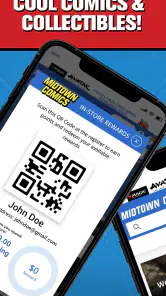
Analysis by Reviewed
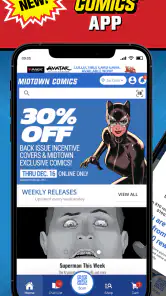
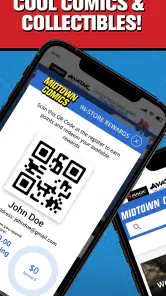
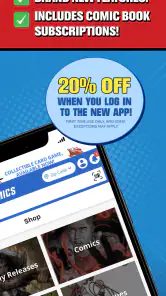
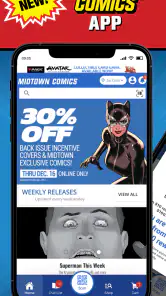
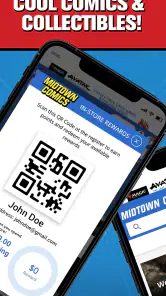
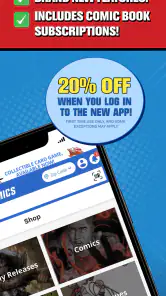
Midtown Comics is best understood as a compact doorway into the comic-book world rather than a complete replacement for every way people read, collect, or shop for comics. I found its appeal strongest when I wanted a familiar comics retailer in my pocket, with pop-culture browsing that felt more focused than a general shopping app. It is free, aimed at everyone, and developed by Midtown Comics, so the experience has a clear identity instead of feeling like an anonymous catalog.
My overall view is positive but measured: this is a useful companion for comic readers who already know what they like, want to explore a recognizable comics source, or prefer keeping their hobby connected to a specialist retailer. It is less convincing for someone looking primarily for a dedicated digital reading library, deep collection-management tools, or a perfectly frictionless discovery engine. That distinction matters, because the word “comics” can describe very different app experiences.
What the app does well for comic readers
The first strength is focus. Midtown Comics does not try to be a social network, a general entertainment portal, and a comics reader all at once. Its connection to a major comic shop gives the app a retail-minded character: I approach it as a place to browse the wider pop-culture shelf, think about what I want next, and keep up with the kinds of books and characters that make comic collecting enjoyable.
That makes it especially handy during small moments in the day. If I have a few minutes before leaving home, I can use the app to browse instead of opening several unrelated services. A realistic example is a Saturday morning when I remember that I want to find something for a friend who likes superhero stories but already owns the obvious books. A specialist comics app is a better starting point than a general marketplace because the subject itself remains at the center of the experience.
The app also benefits from Midtown Comics’ recognizable identity. The developer is not presented as a random software brand trying to attach itself to comics; the name gives the product a clear connection to the comic-shop culture around it. For readers who enjoy the physical side of the hobby, that context can be more useful than an app built only around algorithmic recommendations.
I also like the low barrier to trying it. Midtown Comics is free, and its content rating is Everyone, which makes it easy to install for casual browsing or to place on a family device without the app presenting itself as an adults-only product. That does not mean every comic subject is automatically suitable for every individual reader; it simply makes the app approachable as a general comics and pop-culture destination.
The public response suggests a mixed but meaningful level of interest. The app holds an average rating of 3.6 from around 700 ratings, alongside around 200 written reviews, and it has passed 50 thousand installs. I read those figures as evidence of a real audience with room for improvement, not as proof that the app will satisfy every comic reader. The rating is high enough to show that many people find value in it, while the middle-ground score is a useful warning against expecting a flawless modern storefront.
More From Our News Desk

Clash of Clans Is Won Between the Battles

Android Auto Makes the Case for Quieter Car Software

MobiOffice: Transforming Mobile Productivity with Seamless Integration

EA SPORTS FC™ Mobile Soccer: Redefining Mobile Sports Gaming

How Microsoft OneDrive Became a Mobile Productivity Giant

How Google Translate Breaks Language Barriers Effortlessly
A practical browsing routine
My preferred way to use Midtown Comics is with a specific purpose rather than endless scrolling. I start with a broad intention—finding a new series, checking what kind of merchandise or comic-related material interests me, or looking for a gift—and then narrow my attention. This prevents the app from becoming a passive time sink and makes its specialist focus work in my favor.
One useful habit is to separate discovery from the final buying decision. I can use the app to remind myself which characters, publishers, formats, or themes I want to investigate, then compare those choices with my existing collection before committing. That is particularly helpful for collectors, because enthusiasm can make duplicate purchases easy. The app is most valuable when it supports a deliberate shopping workflow rather than encouraging me to treat every interesting cover as an immediate must-have.
Another practical use is gift planning. Someone who does not read comics regularly may know only a character name, a film adaptation, or a broad preference such as horror or science fiction. A specialist environment can turn that vague idea into a more informed search. I would still check the recipient’s reading history and preferred format, but the app gives me a more relevant place to begin than a generic retail search box.
It can also serve as a lightweight way to reconnect with the hobby. When I have been away from comics for a while, I do not necessarily want to research every continuity change or read long editorial guides immediately. Browsing a comics-focused app helps me see what catches my eye first. That visual, interest-led approach is useful for returning readers who want to follow curiosity instead of starting with a complicated reading order.
Where it fits among other comics options
Compared with a dedicated digital comics subscription or reading platform, Midtown Comics feels more like a specialist retail companion than a complete reading ecosystem. A digital library is usually the better choice when my priority is opening an issue instantly, continuing across devices, or keeping a large selection available inside a single reading interface. Midtown Comics makes more sense when the browsing and collecting side of comics matters as much as the act of reading.
Compared with a general marketplace, its advantage is relevance. A broad shopping service may offer more categories, more sellers, or a larger overall inventory, but it can also bury comics beneath unrelated products. Midtown Comics keeps the cultural context visible. That can make browsing more enjoyable and can reduce the effort involved in finding something connected to the hobby.
On the other hand, general marketplaces may be more convenient for shoppers who already know the exact item they want and care mainly about delivery comparisons, seller options, or a familiar checkout process. I would not choose Midtown Comics solely because it is a specialist name if my only goal were to locate the cheapest available copy as quickly as possible. The better option depends on whether I value comic-shop context or broad retail efficiency.
It also differs from collection-management apps. A collection tracker is designed around ownership, issue numbers, condition, duplicates, and personal records. Midtown Comics should not be treated as a substitute for that kind of private catalog. My best workflow is to use a collection tracker or a simple personal list alongside the app, especially if I buy regularly. That small separation keeps discovery enjoyable while reducing the chance of ordering something I already own.
The limitations I noticed and who should skip it
The main weakness is expectation management. The store summary presents a broad pop-culture promise, but a short summary cannot explain whether a particular user will find the exact shopping, reading, or cataloging tools they want. I would not install Midtown Comics expecting it to behave like a full digital comic reader, a database for every issue in my collection, or a personalized social community. Those are different product goals.
The app’s age is also relevant to how I judge it. It was released on May 16, 2014, so I approach it as an established app rather than assuming it follows every current mobile design convention. That does not automatically make it poor, but it does make me more patient about older navigation patterns and less likely to compare it directly with a newly built commerce platform. Readers who care strongly about the newest interface polish may notice that difference sooner than casual users.
The moderate average rating reinforces that caution. A 3.6 average is not a reason to dismiss the app, but it tells me to test it against my own needs instead of treating the brand name as a guarantee. Storefront apps can be very useful to one person and frustrating to another depending on whether that person wants browsing, reading, collecting, or purchasing. In this case, the app’s value depends heavily on which of those activities I put first.
I would skip it if I wanted a pure reading experience with a large digital shelf and a smooth “open and continue” routine. I would also look elsewhere if I needed detailed collection statistics, advanced issue tracking, or a highly personalized recommendation system. Those users will probably be happier with a dedicated reader or collection manager, using Midtown Comics only as an additional source of discovery.
I would be cautious too if I dislike browsing without a clear destination. Specialist comic catalogs can be enjoyable precisely because they expose me to unexpected characters and formats, but that can feel inefficient when I am trying to complete one precise task. In that situation, writing down the exact title or character before opening the app helps. If the search experience does not quickly support that goal, a broader retailer may be the more practical route.
Who gets the most from it
The best audience is the curious comic reader who enjoys the ecosystem around the books: characters, collecting, gifts, pop-culture merchandise, and the feeling of browsing a recognizable comic shop. It is also a sensible option for someone returning to comics after a break and looking for visual prompts rather than an academic reading guide.
Casual fans may appreciate the free entry point. They can explore without making the app part of a paid subscription routine, and the Everyone rating keeps the product broadly approachable. Parents or relatives shopping for a young fan should still make their own judgment about the specific item or subject, but the app itself is positioned for a general audience rather than a narrowly restricted one.
Collectors can benefit if they use it as one step in a larger process. My advice is to keep a separate wish list divided into “already own,” “want soon,” and “research first.” That simple three-part method turns browsing into something more controlled. It also addresses one of the hidden trade-offs of comic shopping: discovering more can be exciting, but it can make duplicate or impulse purchases more likely if I do not maintain my own records.
Gift buyers are another strong fit. Instead of asking a recipient for one exact title and losing the surprise, I can use the app to explore the person’s favorite characters or genres, then verify what they already have through a quick conversation or a photo of their shelf. The app helps with inspiration, but personal knowledge remains essential because comic preferences can be very specific.
New readers should use it with modest expectations. Midtown Comics can help spark interest, but it may not explain where to begin with a complicated character history or a long-running universe. For that, I would pair browsing with a trusted reading guide, a librarian’s recommendation, or advice from an experienced comic-shop employee. The app can open the door; it does not need to be the entire tour.
Small decisions that improve the experience
My first tip is to decide whether I am browsing for reading, collecting, or gifting before I start. Those goals lead to different choices, and mixing them together makes almost any comic storefront feel cluttered. For reading, I focus on story interest and format. For collecting, I check my existing shelf and budget. For gifting, I prioritize the recipient’s tastes and familiarity level.
My second tip is to treat the app as a discovery tool even when I ultimately buy elsewhere. That is not a criticism; it is a sensible way to use a specialist service. I can find ideas in a focused environment, compare them with my collection, and then decide whether Midtown Comics or another retailer better suits the final purchase.
My third tip is to avoid judging a comic by a character alone. A familiar hero can appear in very different tones, continuities, and formats. Before choosing a gift or recommending a title, I look for clues about the reader’s preferred mood and experience. This is where human judgment adds something an app cannot reliably replace.
Finally, I would keep notifications and browsing habits intentional if the app offers prompts that draw me back. Comic collecting rewards enthusiasm, but a clear monthly limit or a short wish list keeps the hobby enjoyable rather than impulsive. The strongest experience comes from using Midtown Comics to make better choices, not from treating every discovery as an obligation to buy.
My final recommendation
Midtown Comics is worth trying when you want a focused comic-shop companion, not when you need a complete digital reading or collection-management system. I appreciate its clear identity, free access, broad Everyone rating, and usefulness for discovery, gift planning, and reconnecting with comics. Its established release date and middling 3.6 average also tell me to keep expectations realistic and evaluate the app based on my specific workflow.
I would recommend it to casual fans, collectors who already keep their own records, gift buyers, and readers who enjoy browsing the wider pop-culture side of comics. I would point dedicated digital readers toward a purpose-built reading platform, and I would send serious archivists toward a collection tracker. For me, Midtown Comics works best in the middle: a convenient, recognizable place to explore comic culture and shape my next purchase, provided I do not ask it to be something it was never meant to be.
Midtown Comics Frequently Asked Questions
Is Midtown Comics free to download?
Yes, Midtown Comics is free to download, so you can install it and explore the app without paying for the download itself. The app is for browsing and shopping, however, so products you choose to order may cost money. Before completing a purchase, review the item price and any other charges shown during checkout.
Who makes Midtown Comics, and what is its age rating?
Midtown Comics is developed by Midtown Comics and is listed for Everyone. It is a comics-focused shopping app, with products and content intended for a broad audience. Parents may still want to review product listings and descriptions with younger users, particularly when browsing comics, collectibles, or other pop-culture merchandise, since individual items can vary in subject matter.
What is Midtown Comics, and what can I do with the app?
Midtown Comics is a shopping and browsing platform for comic book fans, offering access to comics, graphic novels, manga, collectibles, toys, apparel, and related merchandise. After installing it, users can explore available products, search for specific titles or characters, check item details and prices, and place orders. It is especially useful for readers who want to discover new releases or shop from a specialized comics retailer.
Does Midtown Comics offer both new and older comic books?
Yes, Midtown Comics is generally aimed at readers looking for a broad selection rather than only the latest releases. Depending on current stock, you may find new issues, collected editions, graphic novels, manga, back issues, and special editions. Availability can change quickly, particularly for popular characters and limited products, so checking the listing carefully before ordering is recommended.
Can I use Midtown Comics to buy collectibles and merchandise as well as comics?
The platform is not limited to traditional comic books. Users can typically browse products such as action figures, statues, Funko-style collectibles, toys, clothing, posters, accessories, and other pop-culture merchandise. Product categories and inventory may vary, but the app is designed to serve collectors as well as casual readers. Always review photographs, descriptions, condition information, and included accessories before purchasing.
Pros
- Large selection of comics
- manga
- graphic novels
- and collectibles
- Access to exclusive Midtown Comics releases and special editions
- Useful search and filtering tools for finding specific titles
- Supports browsing from a well-known specialist comic retailer
- Good option for fans seeking current and backlist issues
Cons
- Availability may vary
- especially for popular or limited-stock items
- Collectibles and shipping costs can make orders expensive
- Some items may take longer to ship when sourced from suppliers
- The catalog may feel overwhelming for casual or new comic readers
- Digital reading options may be limited compared with dedicated comic apps
- Category
- Comics
- Version
- Varies with device