MeetAny – Live Video Call
- 43.00
- 3.7
- Installs
- 1.00M
- Price
- Free

Screenshots




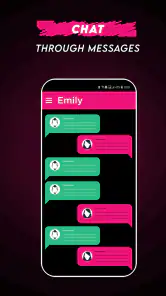



Analysis by Reviewed
I approached MeetAny as a social app rather than simply another video-calling tool. Its purpose is to put you in contact with people you do not already know, using random video conversations and live calls instead of a contact list built from friends and family. That difference matters: the appeal is spontaneity, but the responsibility for judging each interaction also sits much more heavily with the person using it.
In my experience, this kind of app can be entertaining when I want a brief conversation outside my usual circle. It can also feel unpredictable in ways that a conventional messenger does not. MeetAny is free to install, belongs to the Social category, and is developed by MeetAny. It has reached over a million installs and holds an average rating of 3.7 from around 2.6 thousand ratings, which suggests a sizeable audience but also a mixed experience rather than universal approval.
The app is intended for adults, with a Mature 17+ content rating and an 18+ focus in its store positioning. I would take that seriously before opening it. This is not a casual family video tool, and it is not the app I would hand to a younger teenager simply because the download costs nothing. The central question is less “Can I start a call quickly?” and more “Am I comfortable managing an unplanned interaction with a stranger?”
How MeetAny feels when the conversation is the product
The main idea is easy to understand. Instead of searching for a particular friend, I use MeetAny to enter a random video chat or live video call and meet someone from elsewhere. That gives the app a different rhythm from WhatsApp, FaceTime, Messenger, or a standard social network. Those services are strongest when I already know who I want to reach. MeetAny is built around the possibility that the other person is unknown.
That can be useful in a few specific situations. Someone who enjoys quick social encounters may prefer the low-commitment format: start a conversation, see whether it feels comfortable, and move on if it does not. A person practicing casual conversation with people from different places may also find the random element more engaging than speaking into an empty language-learning exercise. The app can even serve as a way to break a repetitive evening routine, provided I treat each call as a short, optional interaction rather than a relationship I am expected to continue.
The trade-off is that random matching removes much of the context I normally rely on. With a friend, I know the person’s identity and likely behavior. With a public profile, I can at least decide whether to interact based on visible information. A random video call gives me less preparation time and may expose me to conversations that are awkward, unwanted, or simply irrelevant. I would not use it when I need predictable communication, professional contact, or a dependable way to reach a particular person.
One practical scenario shows where it fits. Imagine I have ten spare minutes after dinner and want a live conversation rather than scrolling through posts. I could open MeetAny, begin with a neutral greeting, and keep the first exchange brief. If the other person is respectful, I can continue. If the tone changes, I can leave instead of trying to rescue the conversation. That workflow sounds simple, but the important habit is deciding in advance that ending the call is a normal outcome, not a failure.
More From Our News Desk

Clash of Clans Is Won Between the Battles

Android Auto Makes the Case for Quieter Car Software

MobiOffice: Transforming Mobile Productivity with Seamless Integration

EA SPORTS FC™ Mobile Soccer: Redefining Mobile Sports Gaming

How Microsoft OneDrive Became a Mobile Productivity Giant

How Google Translate Breaks Language Barriers Effortlessly
What the free entry point does and does not solve
MeetAny is free, which makes trying the basic experience less intimidating. However, free access should not be confused with a completely cost-free service. The app includes in-app purchases ranging from $0.49 to $54.99 per item. I would check every purchase prompt carefully and avoid paying simply because a conversation was disappointing or because I wanted to change the result of a random interaction.
The broad price range is especially relevant in a social app, where an impatient decision can happen in the middle of an emotionally charged moment. My advice is to decide beforehand whether I am willing to spend anything at all. If I do choose to buy an item, I would review the amount, the purpose of the purchase, and the confirmation screen instead of assuming that a small-looking button represents a small charge.
The current version is 1.7.8, and the app requires Android 7.0 or later. That makes the compatibility question fairly straightforward for many Android users, although I would still check the operating system on an older phone before planning to use it. A video-based app can also be more demanding in daily use than a text messenger, so I would test it on the device and connection I actually intend to use rather than judging it only from the installation screen.
Trust starts with the choices visible before a call
For me, trust in MeetAny cannot come from the random-chat concept alone. It has to come from the choices I can see and control while using it. Before starting, I would pay attention to the app’s account flow, the way it asks me to proceed, and whether I can understand what is happening without rushing through screens. A social app deserves a slower first setup because the people involved are strangers, not contacts I have already approved.
I would also keep my own profile deliberately limited. I would avoid using a full legal name, displaying a workplace, showing a school uniform, or revealing a neighborhood through the background. This is not a claim about MeetAny’s internal data practices; it is a practical way to reduce what another participant can learn from a short call. A plain background and neutral username can make the interaction less revealing without preventing conversation.
Camera and microphone decisions deserve the same care. I would not grant access while standing in a private room containing documents, family photographs, a visible address, or anything else I would not want a stranger to notice. If I only want to understand the interface first, I would explore the available screens before presenting myself on camera. My strongest trust test is whether I can pause, review, and choose rather than being pushed into sharing immediately.
When an app connects me with unknown people, I also want clear ways to leave an interaction. The exact controls may depend on the screen and the current app build, so I would look for the visible end-call, skip, report, or blocking choices as soon as I enter the service, not after a problem begins. If those controls are easy to locate, I can use the app with more confidence. If I have to search while someone is behaving badly, the experience becomes stressful very quickly.
Handling uncomfortable moments without giving away control
The most important skill in MeetAny is not finding the most interesting conversation. It is recognizing when a conversation is no longer worth continuing. I would leave immediately if someone pressures me to reveal personal details, move the conversation elsewhere, show something private, send money, or ignore a boundary. I would not debate the decision or explain myself at length. A random video call does not create an obligation to be polite beyond ending it safely.
This is also why I would avoid sharing a phone number, email address, social handle, home location, travel plans, payment information, or details that could identify someone close to me. Even harmless facts can become identifying when combined. Saying that I live near a recognizable landmark, work unusual hours, and am alone at home may reveal more than intended. I would keep early conversations general until I had a genuine reason to trust the other person.
There is a subtle difference between privacy and secrecy here. I do not need to act suspiciously toward every participant, but I should assume that a stranger has not earned access to my private life. I would also remember that anything visible on camera can be noticed without being verbally discussed. A screen, badge, document, package label, or reflection may disclose information accidentally. Adjusting the camera angle before a call is a small step with a meaningful benefit.
If a conversation becomes offensive or sexual, I would not treat that as part of the app’s entertainment value merely because the service is for adults. Mature access does not remove the need for personal boundaries. I would end the call, use any visible reporting or blocking option, and avoid retaliating in a way that prolongs contact. Keeping a record of what happened may be useful if the app presents a reporting process, but I would not continue engaging just to collect proof.
Who will enjoy it, and who should choose another app
MeetAny is a reasonable fit for adults who genuinely like spontaneous video conversations and can handle quick decisions. It suits people who understand that not every match will be meaningful, who are comfortable ending calls, and who prefer live interaction to browsing profiles. It may also appeal to someone who wants a lightweight way to meet people outside an established friend group without building a public social feed first.
I would recommend a different type of app to anyone seeking reliable contact with known people. FaceTime, WhatsApp, Messenger, and similar services are better when the priority is identity, continuity, and control over who can reach me. A moderated community or interest-based platform may be a better choice when I want conversation around a specific hobby. A language-learning service may be more suitable when the goal is structured practice rather than unpredictable social contact.
I would also skip MeetAny if I am under the stated age requirement, if random video exposure makes me anxious, or if I am currently looking for emotional support from people I can trust. The app’s format is not a substitute for a close friend, counselor, or crisis resource. It can create a moment of connection, but it cannot guarantee understanding, safety, or consistency from the person on the other side of the call.
Another trade-off involves attention. Random video apps encourage rapid decisions, and that can become tiring. If I notice myself accepting calls automatically, staying in conversations out of guilt, or spending money to improve an unsatisfying session, I would stop using the app for a while. The service works best when I remain an active chooser rather than letting the next call determine my mood.
Small habits that make the experience more manageable
I found that a short personal routine matters more here than elaborate preparation. Before a session, I would set a time limit, choose a neutral location, and decide which subjects are off-limits. I would keep notifications under control afterward so that a brief experiment does not turn into an unwanted stream of interruptions. These steps do not change the app itself, but they make my use more deliberate.
I would also treat the first few seconds of a call as an assessment period. Is the other person responding normally? Are they respecting a basic greeting? Are they trying to rush me into a different platform or asking questions that feel too personal? I do not need a dramatic reason to leave. A vague feeling that the interaction is wrong is enough. This is one of the biggest differences from ordinary messaging: the live format gives me less time to compose a response, so my exit decision should be simple.
For better conversations, I would use open but non-personal prompts. Asking about a favorite film genre, a food someone recommends, or what they enjoy doing on weekends can reveal whether the exchange is comfortable without exposing sensitive information. I would avoid turning the call into an interview, and I would not assume that someone’s accent, appearance, or location tells me anything reliable about them. Curiosity works better when it is paired with restraint.
On the technical side, I would test the camera framing and audio before settling in. Poor lighting can make a normal conversation feel awkward, while background noise can encourage both people to repeat themselves or become frustrated. If the connection becomes unstable, I would not interpret that as a personal rejection. A random service already contains uncertainty; adding technical confusion can make the experience feel more negative than it really is.
What I think about its maturity and everyday usefulness
The adult rating is not a minor label in this case. It sets the right expectations for the social environment, but it does not promise that every interaction will be mature in the everyday sense of respectful and considerate. I would use the rating as a reason to prepare, not as reassurance. Adults still need to protect their identity, watch for manipulation, and leave quickly when a conversation crosses a line.
The app’s store presence, with around 43 written reviews alongside its larger pool of ratings, gives me less qualitative detail than I would want before forming a strong opinion about long-term reliability. I would therefore judge it through a short, cautious trial: inspect the controls, avoid personal disclosures, watch for purchase prompts, and decide whether the actual conversations justify returning. I would not treat the rating alone as proof that the service will suit my particular expectations.
That cautious approach is especially useful because the app’s value is highly personal. One user may enjoy the surprise of meeting someone new, while another may find the same randomness exhausting. Neither reaction is necessarily a technical verdict. The format itself creates the main strength and the main weakness: it removes the effort of finding a specific person, but it also removes much of the predictability that makes other communication apps comfortable.
My verdict after weighing freedom against uncertainty
MeetAny – Live Video Call is best understood as a spontaneous adult social experiment, not a replacement for a trusted messenger. I like the directness of the idea and can see why a person might enjoy an occasional conversation with someone outside their usual circle. The free entry point makes that experiment accessible, while the broad audience gives the service a chance to feel active rather than empty.
Still, I would recommend it only to users who are comfortable taking responsibility for their own boundaries. The random format means that trust has to be built one interaction at a time, and sometimes the correct decision is to leave before trust begins. I would keep my identity and surroundings private, review each visible control, treat in-app purchases carefully, and never allow curiosity to override discomfort.
My final view is cautiously positive for the right adult user, but not universal. If you want surprise, live conversation, and the possibility of meeting someone new, MeetAny is worth a careful try. If you want dependable contacts, strong predictability, structured communities, or a clearly moderated environment, another social or messaging option will probably serve you better. The app can open a door to conversation, but I would remain the person deciding which doors to enter and when to close them.
MeetAny – Live Video Call Frequently Asked Questions
Is MeetAny – Live Video Call intended for adults?
MeetAny is presented as a random video chat and live video call app for meeting people worldwide, and it is intended for adults. Its content rating is Mature 17+, while the app’s own description says it is for people aged 18 and over. Keep that age guidance in mind before downloading, and use the app only if you meet the age requirements that apply to you.
What is MeetAny – Live Video Call, and how does it work?
MeetAny – Live Video Call is a social communication app designed for meeting people through live video calls and online interactions. After creating an account, users can typically browse available profiles, start conversations, and connect through video or chat features. The experience may depend on your location, connection quality, user availability, and the permissions you grant to the app.
Is MeetAny – Live Video Call free to download and use?
The app is free to download, but some communication features, virtual items, premium options, or extended calling functions can require in-app purchases. Prices for individual purchases range from $0.49 to $54.99. Before starting a call or confirming a payment, check the pricing information shown inside the application. Availability of free credits, limits, and premium features may also vary by country, platform, and account.
Is MeetAny – Live Video Call safe and private?
As with any live video-chat platform, users should be careful about sharing personal information, documents, financial details, or private images. Review the app’s privacy policy and permission requests before using it, and only communicate with people you trust. Use blocking and reporting tools when available, and remember that live conversations may involve strangers whose identity cannot always be verified.
What permissions does MeetAny – Live Video Call require?
A video-calling app commonly requests access to the camera and microphone so you can participate in live conversations. It may also request notifications, storage, or network-related permissions depending on the device and features enabled. You can manage these permissions through Android or iOS settings. If you deny camera or microphone access, video calls may be unavailable or limited to text-based communication.
Pros
- Quick matching makes it easy to meet new people worldwide.
- Live video calls feel more personal than text-only chats.
- Simple interface is easy for first-time users to navigate.
- Useful filters help narrow down potential conversation partners.
- In-app reporting tools can help manage inappropriate behavior.
Cons
- Some features may require coins
- subscriptions
- or additional purchases.
- Call quality can vary significantly with weak internet connections.
- Random matching may lead to conversations that feel repetitive.
- Privacy risks exist when sharing personal details with strangers.
- The user experience may include frequent ads or promotional prompts.

- Category
- Social
- Version
- 1.7.8