Local Single: Chat & Friends
- 3.99K
- 4.4
- Installs
- 500.00K
- Price
- Free

Screenshots


Analysis by Reviewed
I’d treat Local Single as a social app for people who want nearby conversation to have a chance of becoming an actual friendship or date. That local focus can be appealing when I’m tired of feeds built around distant connections, but it also makes the experience depend on who is active in my area. I’d approach it with curiosity rather than expecting every chat to turn into a lasting connection.
Where it fits into everyday social life
A realistic use is opening the app after moving to a new neighborhood, or on a quiet evening when I’d like to talk with someone nearby before deciding whether to meet. Local discovery gives those conversations a practical context that broad social networks often lack. Compared with general-purpose platforms, which are usually centered on existing contacts or endless content feeds, this is more directly about finding new local people. Compared with dating-first apps, its stated scope also leaves room for friendship, though users may arrive with different expectations.
That mix is useful, but it calls for clear communication. If I’m hoping to make friends rather than date, I’d say so early and look for the same intention in the other person. A nearby match is not automatically a good fit, and proximity should be a starting point for conversation, not a reason to share personal details quickly.
A practical routine for local discovery
I’d use the app with a small goal rather than treating it as something I need to check constantly. For example, after settling into a new area, I might browse when I have time to respond thoughtfully, start one or two conversations, and see whether anyone shares an interest or a convenient way to meet. That keeps the experience manageable and makes it easier to notice whether local discovery is actually helping me build connections.
It also helps to separate browsing from planning. A person appearing nearby is only a reason to consider saying hello; it is not a commitment to meet. If a conversation feels promising, I’d move from general chat to a simple shared-interest question, then decide whether an in-person plan makes sense. If the exchange is one-sided or vague, I’d let it rest instead of trying to force momentum.
Keeping a shared device and separate accounts in mind
In a household where a tablet or phone is sometimes shared, I would treat this as a personal account rather than a communal social space. Before handing a device to someone else, I’d close the app and check that private conversations are not left visible. That is a sensible device habit, not a claim that the app offers household profiles or special account controls.
I’d also make account boundaries part of the setup conversation: whose account is signed in, who can see notifications, and whether anyone else might use the device. Those small checks matter more for a chat app than for a shared utility, because messages can be personal. If separate people want to use it, keeping their accounts and conversations distinct is safer than passing one profile around.
More From Our News Desk

Clash of Clans Is Won Between the Battles

Android Auto Makes the Case for Quieter Car Software

MobiOffice: Transforming Mobile Productivity with Seamless Integration

EA SPORTS FC™ Mobile Soccer: Redefining Mobile Sports Gaming

How Microsoft OneDrive Became a Mobile Productivity Giant

How Google Translate Breaks Language Barriers Effortlessly
Notifications, privacy, and household routines
On a phone that moves between people, I’d consider where message previews might appear before signing in. Even if I’m comfortable using a social app, a notification visible on a shared screen can reveal that someone has contacted me or expose part of a private conversation. A practical routine is to keep the device locked when it is not in use and avoid leaving the chat open when lending it to someone.
I’d also avoid using a shared household account simply because it seems convenient. Social conversations depend on personal context, and mixing different people’s messages can create confusion about who is speaking or what has been agreed. If everyone wants to try local discovery, each person should make an individual choice and keep their own conversations separate, rather than treating one profile as a family resource.
Turning a nearby chat into a sensible plan
Local discovery can make it easier to suggest a simple activity, but I’d keep the first plan low-pressure: a public café, a short walk in a busy area, or a group setting if that feels more comfortable. I would not treat the app’s local focus as proof that a person’s identity or intentions have been verified. Keep early conversation on the app, avoid sharing a home address, and let someone you trust know where you plan to go.
For coordination, I’d agree on a clear time and public meeting point in the chat, then confirm the plan before leaving. If someone pushes for private details or an isolated meeting before trust is established, I’d pause rather than feel obliged to continue. These precautions do not make meeting strangers risk-free, but they help keep a first encounter on your terms.
Making a first meetup easier to manage
For a first meeting, I’d choose a place that is easy to leave and simple to find, and I’d keep the plan short enough that either person can end it comfortably. That is more useful than trying to create an impressive outing with someone I have only just started talking to. If the conversation goes well, there is always room to arrange another meeting; if it does not, a brief public coffee is a straightforward way to wrap up.
I’d settle the practical details in the conversation before setting off: the exact public location, a rough arrival time, and a way to recognize each other that does not require sharing sensitive information. I would not rely on being nearby as a substitute for confirming plans. People can be busy, misunderstand a message, or change their minds, so a quick confirmation protects both sides from a wasted trip.
What's the Buzz?
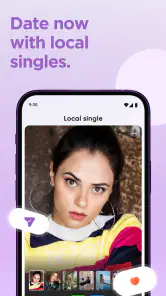
So, what exactly makes Local Single: Chat & Friends stand out in the crowded world of social apps? First off, it’s all about the local connection. Unlike other apps where you might end up chatting with someone three time zones away, this one focuses on helping you meet people right in your neighborhood. Whether you're looking for friendship, romance, or just someone to grab a coffee with, this app makes it easy to find like-minded folks nearby.
Features You’ll Love
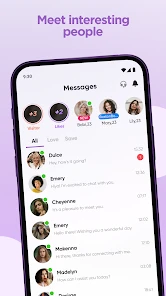
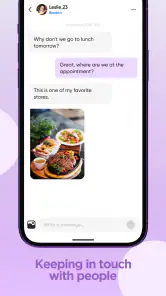
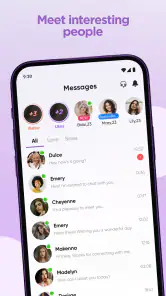
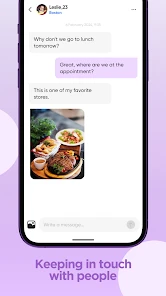
Diving into the app, you'll notice a sleek and user-friendly interface. It’s super intuitive, so even if you’re not tech-savvy, you’ll find your way around in no time. One of the coolest features is the "Nearby" function that shows you who's around at any given moment. Plus, with its robust chat features, you can send texts, emojis, and even voice messages. It's like having a mini social hub right in your pocket!
And let’s talk about privacy. We all know how sketchy some apps can be with your data, but here, you can rest easy. The app gives you control over what you share and with whom, which is a huge plus in my book.
Using chat without rushing the connection
I’d treat the available ways to chat as different tools for different moments, not as a checklist to complete. Text works well for opening a conversation and keeping plans clear. A voice message can make a short exchange feel more personal, but it also asks for more attention from the person receiving it, so I’d use one when the other person seems comfortable with that style rather than sending long recordings out of the blue.
A useful habit is to ask a low-pressure question tied to something the person has already shared, then give them room to answer. That is more likely to lead to a real exchange than sending a string of generic greetings. If I do not get a reply, I’d avoid assuming there is a hidden meaning or repeatedly contacting them. People may simply be busy, inactive, or not interested, and a respectful pause is part of using any social space well.
Age, trust, and realistic expectations
The app is rated Mature 17+, so I would not treat it as a suitable choice for younger teens or as a family chat tool. In a household, adults should keep that age context clear and avoid leaving an account open where a younger person might casually browse. It’s a social space for adult use, not a substitute for a moderated family environment.
Local Single is free to install, and its current version is 1.2.4; optional in-app purchases range from $3.99 to $59.99 per item. I’d start with the free experience and decide whether any purchase actually solves a need for me before spending. Its 4.4 average from around 37,000 ratings, alongside more than 500,000 installs, suggests it has found an audience, but those figures can’t tell me whether there will be active, compatible people in my own neighborhood.
Who is likely to get the most from it?
I think it fits best for an adult who has a reason to widen their local circle and is comfortable making the first move. Someone new to an area might use it to find conversation beyond work or existing friends; a person with an unusual schedule might appreciate being able to start a chat when arranging a traditional meetup is difficult. It can also suit someone open to both friendship and dating, provided they are willing to clarify what they want instead of assuming everyone shares the same aim.
I’d be less enthusiastic about it for someone who wants a guaranteed stream of active people, an app focused only on dating, or a dependable way to coordinate an existing group. The local emphasis is its point, but that also means the experience can vary by neighborhood and timing. If I mainly needed to plan dinner with people I already know, a group chat would be more direct; if I wanted a narrowly defined dating pool, a dedicated dating service might make intentions easier to interpret.
Making the Most of It
Now, I’ve been using Local Single: Chat & Friends for a while, and here’s a little tip – don’t just stick to texting. The voice message feature is a game-changer. It adds a personal touch that texts sometimes lack. Plus, it's a great way to stand out and make a memorable impression.
Another thing I love is the events section. It’s perfect for checking out what's happening in your area and maybe even meeting up with some of your new connections. From casual meetups to more organized events, there’s always something going on.
Choosing when to move from online to in person
I would not make an event or a nearby listing the whole basis for trust. Before joining a plan, I’d look for a conversation that feels reciprocal and clear, and I’d decide whether the setting suits my comfort level. A public group activity may feel easier than a one-to-one meeting, but it still makes sense to tell a trusted person where I’m going and to keep control over my own transport.
If I’m not ready to meet, there is no need to invent an excuse or share more than I want to. I can continue chatting, suggest a different public plan, or simply stop responding if the interaction feels wrong. The useful part of local social discovery is the possibility of turning a conversation into a real-world connection, not an obligation to do so quickly.
What to expect before committing time
Because the idea depends on nearby users, the experience may feel lively in one place and quiet in another. I’d give it a fair trial at different times rather than judging it from one quick browse, while avoiding repeated messages to someone who has not replied. Local matching can narrow the distance, but it cannot guarantee shared interests, availability, or chemistry.
If I were choosing between this and a broad social network, I’d pick Local Single when meeting new people nearby is the point. If I mainly wanted to keep up with friends I already know, a regular messaging app would be simpler. If I wanted a strictly dating-focused experience, an app built around that single purpose might make intentions easier to read. The developer is Local Single, and the app is free to download, but paid items mean I’d keep spending deliberate rather than assuming every useful interaction requires an upgrade.
Spending and deciding whether to stay
I’d give the free experience enough time to answer a practical question: am I finding conversations worth continuing? I would not pay simply because a purchase is available, or because I hoped a paid option would create better chemistry. Before buying anything, I’d check the price shown for that item and think about whether it addresses a specific limitation I have actually encountered. That keeps a social app from becoming an impulse expense during a quiet spell.
For deciding whether to keep it, I’d look at the quality of interactions rather than how often I open it. A few respectful conversations that fit my goal may be more valuable than constant browsing with no meaningful exchange. If local activity is low after trying at different times, or if the mix of intentions does not suit me, switching to a community group, a broader social platform, or a dating-focused alternative may be a better use of my attention.
Wrapping It Up
In a nutshell, if you’re on the hunt for a fresh way to meet new people and maybe even spark a connection, give Local Single: Chat & Friends a shot. It’s got all the tools you need to connect with others right in your local area, and it does so in a way that feels authentic and fun. So why not give it a try? You never know who you might meet!
My household verdict is that this makes the most sense as an adult’s personal app, used with sensible privacy habits and modest expectations. It suits someone willing to start conversations and judge each connection individually; it is less suited to people who want guaranteed activity, a private family coordination space, or a tightly defined dating-only service. I’d try it for local discovery, keep first plans public, and let the quality of the conversations—not the promise of proximity—decide whether it earns a place on my phone.
Local Single: Chat & Friends Frequently Asked Questions
How much storage space should I set aside for Local Single: Chat & Friends?
Local Single: Chat & Friends is a social app for meeting and chatting with people nearby. The amount of storage it uses can depend on your device and app data, so check the download size shown on your device’s app store before installing. It is also sensible to leave some free space for updates and the information the app stores as you use it.
Can I use Local Single: Chat & Friends without making purchases?
Yes. Local Single: Chat & Friends is free to download, and you can use its basic features without buying anything. The app also offers in-app purchases, with items priced from $3.99 to $59.99 each. If you are considering a purchase, check its details in the app first and make sure you understand whether it is a one-time item or a recurring subscription.
What age is Local Single: Chat & Friends intended for?
Local Single: Chat & Friends is rated Mature 17+, so it is intended for adults rather than younger users. Keep that age guidance in mind before downloading, especially if the app will be used on a shared device or by someone under 17. The app focuses on meeting and chatting with people nearby, so users should approach conversations and any plans to meet in person thoughtfully.
What is Local Single: Chat & Friends?
Local Single: Chat & Friends is a social networking app designed to connect singles within your local area. The app facilitates meeting new people, making friends, and potentially finding romantic partners. By using location-based technology, it ensures that you can engage with users nearby, making it easier to arrange meetups and socialize.
How does the location feature work in Local Single: Chat & Friends?
The app uses your device's GPS to determine your location and show potential matches or friends in your vicinity. This feature allows for more relevant connections as you can find people who are geographically close to you. Privacy settings allow you to adjust how your location is shared, ensuring your safety and comfort while using the app.
Pros
- User-friendly interface with easy navigation.
- Connects you with local singles quickly.
- Offers real-time chat capabilities.
- Secure with strong privacy controls.
- Free version provides ample features.
Cons
- Limited matches in smaller towns.
- Some features require in-app purchases.
- Occasional bugs in chat feature.
- Profile verification could be stronger.
- Ads in the free version can be intrusive.
- Category
- Social
- Version
- 1.2.4