LitUp - Find Your Next Date
- 3.29K
- 4.4
- Installs
- 500.00K
- Price
- Free

Screenshots
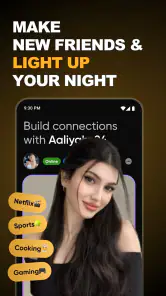
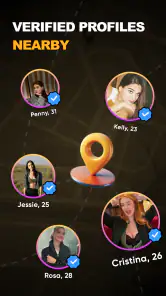



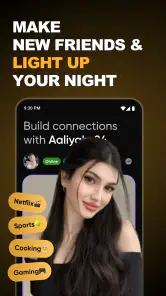
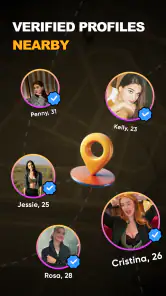

Analysis by Reviewed
I approached LitUp as a first-time dating user would: install it, understand what it is trying to do, and see whether it can move a conversation beyond endless scrolling. It is a social dating app from CloudMind AI LLC, aimed at people who want to chat with potential matches, meet people nearby, and arrange a date when the interaction feels right. My overall impression is that it is most useful when you treat it as a way to start local conversations, not as a promise that every profile will become a relationship.
The app is free to download, which makes trying it fairly low-risk, although purchases inside the app range from $3.99 to $99.99 per item. That difference matters: you can explore the basic experience without paying, but you should look carefully at any purchase screen before confirming anything. LitUp is rated for mature users aged seventeen and older, so it is not designed as a general-purpose social network for teenagers.
What to expect when you open LitUp
The first thing I would tell a new user is to set a realistic goal. Do not install LitUp expecting the app to decide who your perfect partner is in a few minutes. A better goal is simpler: create a profile that gives someone a reason to reply, notice people who are genuinely nearby, and begin one conversation that feels natural enough to continue.
That local focus can be useful if you are tired of matching with people who live too far away to meet. It also creates a trade-off. A nearby person may be more practical for a coffee or walk, but location alone says very little about personality, intentions, or compatibility. I found it helpful to treat proximity as a starting filter rather than evidence that a match is automatically worthwhile.
LitUp sits between a traditional dating app and a broader social discovery tool. The dating purpose is clear, but the experience depends heavily on how much effort you put into presenting yourself and opening conversations. If you prefer a fully guided matchmaking service, with detailed compatibility questions doing most of the work, this may feel more hands-on than expected. If you like choosing whom to approach and writing your own messages, that flexibility is a strength.
The app has attracted a sizeable audience, with more than five hundred thousand installs, a 4.4 average rating, and roughly twenty-nine thousand ratings. Those figures suggest that it is not an empty experiment with no users at all, but they should not be read as a guarantee that your immediate area will be busy. Dating-app activity can vary sharply by neighborhood, age group, and the time you use it.
One practical expectation is that success will probably come from repeated, thoughtful use rather than one dramatic session. I would give myself a short, focused visit each day instead of spending an hour swiping while distracted. That approach makes it easier to notice who actually answers, which conversations feel balanced, and whether the nearby pool suits what I am looking for.
More From Our News Desk

Clash of Clans Is Won Between the Battles

Android Auto Makes the Case for Quieter Car Software

MobiOffice: Transforming Mobile Productivity with Seamless Integration

EA SPORTS FC™ Mobile Soccer: Redefining Mobile Sports Gaming

How Microsoft OneDrive Became a Mobile Productivity Giant

How Google Translate Breaks Language Barriers Effortlessly
Who will get the most from it
I think LitUp is a good fit for someone who wants a straightforward way to meet potential dates nearby and is comfortable taking initiative. It can also suit a person who has recently moved, works from home, or wants to expand a local social circle without relying only on existing friends. The nearby angle is especially practical when your real objective is an in-person meeting rather than a long-distance online connection.
I would be more cautious if you dislike messaging strangers, want extensive personality analysis before seeing profiles, or need a dating service built around a very specific community. In those situations, a specialized service or a more questionnaire-driven alternative may be a better match. LitUp is not automatically the right choice simply because it is free to start.
Setting up a profile that can actually start a conversation
The setup stage is where many dating-app experiences are won or lost. I would not rush through it just to reach the discovery screen. A sparse profile forces the other person to do all the work, while a heavily polished profile can feel distant. The useful middle ground is a clear introduction, a few honest details, and enough personality for someone to ask a follow-up question.
Choose photos that show how you normally look rather than relying only on one carefully posed image. A recent, well-lit main photo makes recognition easier if you eventually arrange a meeting. Additional images should add context instead of repeating the same angle. For example, a hobby, a favorite type of outing, or an ordinary weekend activity gives a better opening than several nearly identical portraits.
When writing your introduction, avoid turning it into a list of demands. I would mention the kind of date I enjoy, the sort of conversation I like, and one specific interest that another person could respond to. “I like trying small restaurants and taking long walks with a podcast” gives someone more to work with than “I enjoy food and music.” The aim is not to sound impressive; it is to make the first message easier.
A useful profile-writing trick is to include one low-pressure question. It might be about a favorite local place, a weekend routine, or a simple choice between two activities. This gives a potential match a natural reply and reduces the awkwardness of starting with a generic compliment. It also helps you see whether the person read your profile at all.
Take a moment to decide what you are actually seeking before you begin chatting. You do not need to write a long personal statement, but clarity helps you avoid wasting time with people whose expectations are completely different. If you are open to meeting but want to talk first, that is a reasonable position. If you only want casual conversation, being direct is kinder than letting someone assume a date is coming.
Because the app is for mature users, I would still apply the same safety habits I use on any dating platform. Keep early messages inside the app, do not send money, and avoid sharing your home address or detailed daily routine. A nearby match is still a stranger. Before meeting, I would choose a public place, tell a friend where I am going, and arrange my own way home.
How to make the first session less overwhelming
Do not try to evaluate every visible profile as if you were making a permanent decision. I found it more useful to look for three quick signals: does the profile seem genuine, is there something specific I can respond to, and does the person appear to want the same kind of interaction? If the answer is no across the board, moving on is more productive than inventing a reason to force a match.
I also recommend keeping a small mental note of what you have already said. Repeating the same opening to several people can make conversations feel mechanical, and it becomes easy to forget details. A short, personalized message based on a profile prompt or interest is more effective than trying to be clever for its own sake.
There is another trade-off worth understanding: being selective protects your time, but being too strict can make the app feel empty. I would separate genuine deal-breakers from minor preferences. Someone may not use the exact wording you expected in a profile yet still be interesting to talk to. On the other hand, clear discomfort, pressure, or evasive answers should not be rationalized away just because the person is nearby.
Turning a match into the first meaningful action
The first successful action in LitUp is not necessarily arranging a date. For a new user, I would define success as receiving a thoughtful reply and reaching a conversation that moves naturally between both people. That is a better test of the app than collecting matches that never speak.
Start with something tied to the other person’s profile. If they mention a local activity, ask what they like about it. If they show an interest you share, explain your own connection rather than simply saying “same.” A message such as “You mentioned weekend markets; do you usually go for the food or the browsing?” is easy to answer and gives the other person room to show personality.
Once a conversation begins, watch for balance. You should not have to carry every topic, answer one-word replies indefinitely, or repeatedly prove that you are worth speaking to. A useful early exchange has some back-and-forth, reasonable curiosity, and a pace that feels comfortable. If the person is enthusiastic but constantly pushes you to move faster than you want, that is not a successful match for me.
A realistic everyday scenario would be using LitUp after work on a Thursday. I might spend a few minutes checking nearby profiles, choose one person whose profile mentions a place I know, and send a question about it. If the reply is warm, I could exchange a few messages that evening, continue the conversation the next day, and suggest a short public coffee only after we both seem comfortable. The important part is that the meeting grows out of an actual exchange instead of being treated as the reward for matching.
When suggesting a date, keep the first plan simple and easy to leave. A coffee shop, casual lunch spot, or busy public walk is more sensible than an expensive reservation or an isolated location. I would also avoid making the first meeting depend on a complicated schedule. If the conversation is good, a short meeting can always become longer; if it is not, both people have a clear exit.
One non-obvious benefit of a nearby dating app is that local knowledge can become an early compatibility test. You do not need identical tastes, but you can learn a lot from how someone talks about their area. Do they suggest an accessible place? Do they respect your travel limits? Do they understand that convenience should work for both people? These details reveal practical compatibility before you invest heavily in the connection.
When paid options enter the picture
LitUp can be used for free, so I would not pay immediately just because a purchase screen appears. First, learn whether there are enough relevant people nearby and whether you enjoy the messaging flow. A premium purchase cannot fix an incomplete profile, weak opening messages, or a local pool that simply does not fit your preferences.
Since individual in-app purchases can cost as much as $99.99, I would read each offer carefully and check whether it is a one-time purchase or part of a recurring arrangement before confirming. The sensible approach is to decide on a personal spending limit in advance. If the free experience already helps you start real conversations, there is no reason to spend just to feel more active.
Paid tools can make sense only when they solve a specific problem you have already identified, such as wanting more control over discovery or more visibility for a profile. Even then, I would judge the result by meaningful conversations, not by the number of views or matches. More attention is not automatically better attention.
Common confusion and friction points
The biggest source of confusion for new users is the difference between being visible and being understood. A profile may appear polished, but that does not mean the person is ready to meet or even looking for the same type of relationship. I would ask about intentions naturally rather than assuming that a match has already agreed to the same plan.
Another common mistake is treating a nearby profile as a verified recommendation. Location can make a meeting easier, but it does not replace basic judgment. Be wary of rushed declarations, requests for financial help, pressure to leave the app immediately, or stories that do not stay consistent. These are reasons to end contact, not puzzles you need to solve.
Some users may also wonder why a conversation suddenly becomes quiet. Dating apps are full of incomplete exchanges, and silence does not always provide a clear explanation. I would send one polite follow-up if the conversation had genuine momentum, then move on rather than repeatedly messaging. Protecting your attention is part of using the app well.
Privacy is another area where I would slow down. Avoid putting your workplace, exact home area, or predictable schedule in a public-facing profile. You can describe your interests without giving away a map of your life. When moving toward a meeting, share only what the other person needs to know for that plan.
It is also easy to mistake a lively session for a successful one. Scrolling can feel productive because it keeps you busy, but the real measure is whether you find people you would be comfortable speaking with and whether those conversations have mutual effort. I would rather have one promising exchange than dozens of shallow interactions.
The app runs on Android devices beginning with version 6.0, which makes it accessible to people using older supported phones. Its current version is 1.1.2. If the experience feels slow or awkward on an older device, I would keep the app updated and make sure the phone itself has enough free storage and a stable connection. Those basic checks can prevent technical friction from being mistaken for a problem with the dating experience.
Choosing LitUp against familiar dating alternatives
Compared with a broad social network, LitUp has a clearer dating purpose. You are not trying to turn a general feed into a romantic conversation from scratch. That focus can save time, especially if your intention is to meet rather than simply collect online contacts. The downside is that the interaction may feel more direct and exposed, because people are approaching one another with dating in mind.
Compared with a highly specialized dating service, LitUp appears more approachable and local in its basic idea. That can be better for someone who wants a wider pool and does not want to complete a long compatibility process. A specialized alternative may be preferable if shared beliefs, lifestyle, professional background, or a particular community are central to your decision.
Compared with meeting through friends, LitUp offers more choice and less dependence on an existing social circle. It also removes some useful context: a friend cannot vouch for a stranger you meet in the app. I would compensate by taking more time with messages and by arranging a careful first meeting.
The best alternative may depend on what is failing in your current dating routine. If distance is the main problem, LitUp’s nearby orientation is worth trying. If conversation quality is the problem, improve your profile and opening messages before blaming the platform. If you want strong identity-based filtering or a slower, more deliberate process, another service may suit you better.
My next-step plan for a new user
I would begin by creating a complete but honest profile, choosing photos that look like real life, and writing one specific detail that invites a question. Then I would browse in short sessions, focus on people whose profiles give me something genuine to discuss, and send a small number of personalized messages instead of broadcasting the same line.
After a reply, I would look for mutual effort before suggesting a meeting. I would keep the first plan public, short, and easy to change, while protecting personal information until trust has developed. I would also wait before considering an in-app purchase, because the free experience is enough to learn whether LitUp has useful activity in my area.
My honest recommendation is that LitUp is worth trying if you want a free starting point for local dating and are willing to participate actively. It is less suitable for anyone expecting automatic matchmaking, instant commitment, or a completely effortless route to a relationship. The app gives you a place to begin; the quality of the result depends on your profile, your judgment, and the willingness of the people you meet to communicate respectfully.
For me, the strongest way to use it is as a focused bridge from discovery to a safe first conversation. Keep the goal modest, notice the quality of the exchange, and do not spend money simply to keep scrolling. With that mindset, LitUp can be a practical addition to a dating routine, especially when meeting someone nearby matters more than finding a perfectly calculated match.
LitUp - Find Your Next Date Frequently Asked Questions
Do I need to create an account before using LitUp?
LitUp is built around dating profiles and interactions, so getting started involves creating an account and setting up a profile. Think about what you want potential matches to know before adding personal details or photos. A clear, considerate profile can help others understand what you are looking for, while sharing only information you are comfortable making visible is a sensible first step.
Can I use LitUp to find people nearby?
Yes. LitUp is described as a dating app for chatting, meeting, and finding your next date nearby. How useful nearby discovery feels will depend on the people active in your area and the preferences you choose. If location-based dating is important to you, consider whether you are comfortable using an app that helps surface potential connections in your vicinity.
Who is LitUp intended for, and what is its age rating?
LitUp is a social dating app for adults interested in chatting, meeting people nearby, and finding a date. It has a Mature 17+ content rating, so it is not intended for younger users. Before installing, consider whether you are comfortable using a dating platform and sharing a profile with other people. The app is developed by CloudMind AI LLC.
Which devices can run LitUp?
LitUp is available for Android devices running Android 6.0 or later. Check your device’s operating system before downloading, since an older version may not be compatible. The app is currently version 1.1.2. If you use an iPhone or iPad, check the relevant app store for compatibility and availability on your specific device before proceeding.
What is LitUp - Find Your Next Date?
LitUp - Find Your Next Date is a dating app designed to help people discover potential romantic connections based on their profiles, preferences, and interactions. After creating an account, users can browse suggested matches, review photos and personal information, and decide whether they would like to connect. Its usefulness depends on the number of active users in your area.
Pros
- Simple interface makes browsing profiles quick and easy.
- Interest-based matching can help start more relevant conversations.
- Profile prompts make it easier to show personality beyond photos.
- Useful for meeting people who are open to new connections.
- Notifications help you keep track of new matches and messages.
Cons
- The quality of matches may vary depending on your location.
- Some features may require a paid subscription or in-app purchases.
- A smaller user base can mean fewer active profiles in certain areas.
- Like many dating apps
- it requires caution when meeting people offline.
- Frequent notifications may feel distracting without careful settings.
- Category
- Social
- Version
- 1.1.2