League of Comic Geeks
- 306.00
- 4.7
- Installs
- 100.00K
- Price
- Free

Screenshots
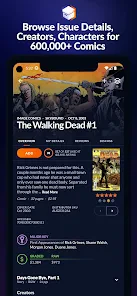
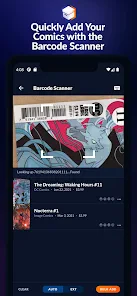
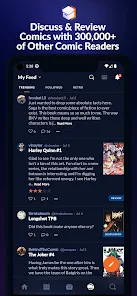
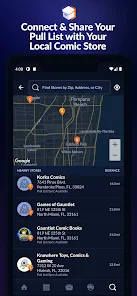
Analysis by Reviewed
I use comic tracking apps for two different jobs: deciding what to pick up next and remembering what I already own. League of Comic Geeks brings those habits together, with release information, collection management and a social space focused on comics. It is a free comics app from League of Comic Geeks, and its 4.7 average across around two thousand ratings suggests it has found an audience among readers who want more than a digital shelf.
A current home for release planning
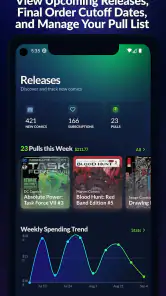
The app’s most practical role is helping me plan around new issues. Instead of relying on memory or checking several publisher pages, I can browse the release calendar and keep an eye on series I follow. That is especially useful when a run has multiple titles or when I’m trying to decide what to bring up at my local shop. The key benefit is not simply seeing what is coming out; it is having release planning sit alongside the list of books I already care about.
There is a small but worthwhile habit that makes this more useful: check upcoming releases before making a shopping list, then compare them with your collection and wishlist. That gives me a better chance of spotting a gap or avoiding an accidental duplicate. It also helps separate “I want to read this someday” from “I need to look for this week,” which can otherwise blur together when a collection grows.
The Ultimate Comic Companion
First things first, let’s talk about what makes League of Comic Geeks stand out. Imagine having a personal assistant who's all about comics. The app is designed to help you keep track of upcoming releases, manage your collection, and even join discussions in a vibrant community. It's like having a comic book store at your fingertips, but without the risk of getting lost in endless aisles.
Tracking New Releases
One of the coolest features is how effortlessly it lets you track upcoming comic releases. You can easily browse the release calendar, ensuring you never miss out on new issues of your favorite series. It’s like having a calendar that’s way cooler than your regular one because it’s filled with heroes, villains, and epic storylines.
For an ordinary week, I’d use that calendar on the day I plan a shop visit: scan the upcoming issues, note the titles I follow, then check the list again before buying. It’s a simple workflow, but it turns a broad release schedule into a personal reminder. If you read casually and buy only when a cover catches your eye, that level of organization may feel unnecessary; if you follow several monthly series, it can save repeated searching.
Managing Your Collection
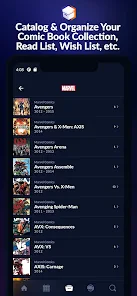
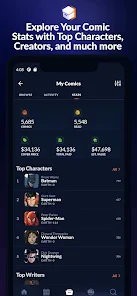
If you’re anything like me, managing your comic collection can sometimes feel like a superpower in itself. With this app, you can catalog your comics, mark what you’ve read, and even create a wishlist. It’s intuitive and straightforward, so you don’t need to be a tech wizard to get your collection in order.
More From Our News Desk

Clash of Clans Is Won Between the Battles

Android Auto Makes the Case for Quieter Car Software

MobiOffice: Transforming Mobile Productivity with Seamless Integration

EA SPORTS FC™ Mobile Soccer: Redefining Mobile Sports Gaming

How Microsoft OneDrive Became a Mobile Productivity Giant

How Google Translate Breaks Language Barriers Effortlessly
The collection tools are most helpful when I treat them as a record I maintain gradually, rather than a project I must finish in one sitting. Start with the series you buy regularly, then add older books when you have a reason to look them up. Marking what you have read also gives your wishlist a clearer purpose: it becomes a practical queue of books to seek out, not just a second collection of titles you might vaguely want.
There is a trade-off, though. A catalog is only as dependable as the time you spend keeping it current, and entering a large back catalogue can feel like work. If your priority is simply reading comics on a screen, a dedicated reading app is a better fit; this is aimed at organizing the hobby around releases and ownership, not replacing the act of reading.
Diving into the Community
Alright, now onto one of my favorite parts – the community. The app lets you connect with fellow comic book lovers. You can discuss theories, share reviews, and join in the chatter about the latest issues. It’s a bit like having a virtual comic book club that’s open 24/7. The discussions here can get pretty lively, and it’s a great way to discover new titles and perspectives.
I find the social side most useful after finishing an issue: I can look for reactions and interpretations while the story is still fresh, or use other readers’ comments to notice a series I had overlooked. The obvious caution is spoilers. If you are behind on a run, browse conversations carefully and avoid discussion threads for the latest issue until you have caught up. Readers who prefer a quiet, private checklist may also find the community less important than the release and collection tools.
How it fits a collector’s routine
Compared with a paper notebook, a general notes app or a spreadsheet, this brings releases, reading progress, collection records and comic-focused discussion into one place. Those alternatives can be quicker for a tiny collection or easier to customize, but they require more manual upkeep and do not naturally connect the record-keeping to a comics community. I would choose a spreadsheet if I needed highly personal fields or already had a carefully maintained inventory; I would choose this app if I wanted a ready-made comic-centered routine.
It is particularly suited to readers who follow ongoing series, keep a wishlist, or want a better sense of what they own before buying. A new reader can use it to explore and build a reading habit without needing a huge collection first. On the other hand, someone who buys very occasionally, dislikes cataloging, or mainly wants to read digital issues may get more value from a simpler list or a reading-focused service.
There is also a useful middle ground between making the app your complete archive and ignoring it because your collection feels too large to enter. I would begin with the titles currently on my pull list and the books I am actively trying to find. That makes the information immediately useful for a shop visit, while leaving older purchases for later. If the habit sticks, the collection can grow in manageable steps; if it does not, little time has been spent recreating a full inventory.
When comparing it with a retailer’s own shopping list, I see a different purpose. A shop list can be more direct if I only need to tell one store what to set aside. This app makes more sense when I want my release planning connected to what I own, what I have read and what I might seek elsewhere. I would not assume those tools replace each other: a comics-focused tracker can help me decide what I want, while a retailer remains the place where I arrange a purchase.
What changes mean for existing users
The app was released on July 21, 2021, and version 3.3.8 is the current version. That gives an existing user a concrete reference point when checking which build is installed, but a version number alone does not tell me which individual functions changed or how a particular update affects a personal workflow. I would judge an update by whether the calendar, collection records and community browsing continue to serve the way I use them, rather than assuming a new number means a major redesign.
For anyone considering a switch from a home-grown spreadsheet, the sensible approach is to try the app with a small, familiar slice of a collection first. Add a few series you follow and a short wishlist, then see whether maintaining those records feels easier than your current method. That low-effort test reveals more than importing a large backlog before you know whether the routine suits you.
For a long-time user, the practical question is less whether an update sounds impressive and more whether their established lists still support the same weekly decisions. I’d check a handful of familiar titles and recent purchases after installing a new build, then use the app normally before changing my whole process. That keeps a personal record trustworthy and makes it easier to notice if something in the routine needs attention.
Limits worth weighing
The Teen content rating is worth keeping in mind for younger users and families, especially around community discussions where readers may talk openly about plot developments. I would also be realistic about the social feature: a lively fan space can be enjoyable, but it is not a substitute for a carefully curated reading guide, and opinions in a discussion are not the same as a spoiler-free recommendation.
League of Comic Geeks has over one hundred thousand installs, and that reach makes it easier to understand why readers treat it as a shared hub rather than a private inventory. Still, the best reason to use it is personal utility: if tracking releases prevents missed issues or the collection list helps avoid duplicate purchases, the app is doing meaningful work. If those problems do not apply to you, the extra organization may feel like another task.
One limitation of any combined tracker is that it asks me to keep several kinds of information tidy. If I only want a fast note before leaving home, opening a dedicated notes app may be quicker. If I want discussion, I may prefer to read only after finishing the issue rather than mixing fan conversation into planning. The strength here—bringing different comic habits together—can also feel like extra surface area for someone who wants one small tool.
A useful safeguard is to avoid treating a wishlist as a promise to buy everything on it. I’d use it to remember books that genuinely interest me, then review it before a shop trip and remove titles that no longer fit my budget or reading mood. That keeps the list from becoming a second backlog and makes the release calendar more practical. The app can organize choices, but it cannot decide which series deserve my time.
Who should give it a try
The app is free, runs on Android 7.0 or later, and has 306 written reviews alongside its ratings. I’d recommend trying it if you want one place to plan upcoming comic purchases, record what you own and see what other readers are discussing. I would skip it if I wanted only a digital comic reader, or if I know I will not keep a collection list updated. For me, its strongest point is the connection between the release calendar and a personal record: that pairing can make a weekly shop visit feel deliberate instead of improvised.
It should suit a reader who buys new issues often enough to lose track, a collector who wants to check ownership before buying, or someone starting to follow several series and looking for a routine. It is less compelling for a reader who mostly borrows comics, buys only a few books a year, or already has a record-keeping system they enjoy. Since it is free, trying a small list is a low-commitment way to find out whether the workflow helps, but the ongoing value still depends on using it.
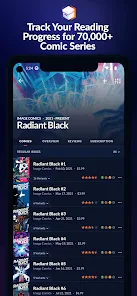
A realistic test would be to open it before a weekend visit to a comic shop. I’d review the series I follow, check what is coming up, and glance at my owned titles before deciding what to ask for. After reading, I could mark progress and save any book I want to pursue later. That is where the app earns its place: not by making collecting effortless, but by helping me connect a few recurring decisions without relying on memory alone.
If I were advising a friend, I’d say to start with one current series rather than trying to catalog every comic they have ever read. Use the release calendar for the next shop trip, add a few owned issues that are easy to verify, and see whether the list prevents confusion. A focused trial answers the important questions: whether the catalog is convenient enough, whether the community is useful, and whether maintaining records feels like help rather than homework.
Overall, League of Comic Geeks is more than just an app; it’s a gateway into the world of comics. Whether you’re a seasoned collector or just starting out, this app offers tools and community engagement that elevate your comic book experience. So, if you’re ready to organize your collection, keep up with new releases, and dive into engaging discussions, this is definitely an app worth checking out. Just remember to have fun and keep on reading!
League of Comic Geeks Frequently Asked Questions
Is League of Comic Geeks suitable for someone who is new to collecting comics?
Yes. League of Comic Geeks is built around keeping track of comics and discovering new releases, so it can be useful whether you are starting a collection or already follow several series. Its collection and pull-list tools give you a place to organize what you own and what you want to pick up, while the community can offer ways to explore other readers’ interests.
What is League of Comic Geeks and how does it work?
League of Comic Geeks is a comprehensive comic book tracking app designed for comic enthusiasts to manage their collections, discover new comics, and connect with fellow comic fans. Users can easily create pull lists, check upcoming releases, rate and review comics, and join discussions. The app offers a user-friendly interface that helps streamline the comic book collecting experience.
Is League of Comic Geeks free to use or does it require a subscription?
League of Comic Geeks is free to download and use. It lets readers see new comic releases and manage a collection or pull list, making it possible to try its main tracking purpose without paying upfront. If you are choosing whether it fits your routine, consider first how often you want to update your lists and explore the available comic information.
Can I use League of Comic Geeks on multiple devices?
Yes, League of Comic Geeks is available on both Android and iOS platforms, and it supports multi-device synchronization. This means you can access your comic collection and pull lists from your smartphone or tablet, ensuring that your data is consistently updated across all devices, as long as you are logged into the same account.
How accurate is the comic release information on League of Comic Geeks?
The app strives to provide the most accurate and up-to-date comic release information by sourcing data from various publishers and distributors. However, release dates may occasionally change due to publisher schedules. Users are encouraged to verify with their local comic shops or online retailers for the most precise release information.
Pros
- User-friendly interface for easy navigation.
- Extensive database of comic book collections.
- Personalized recommendations for users.
- Community features for comic discussions.
- Regular updates with new comic releases.
Cons
- Limited offline functionality available.
- Some features require premium subscription.
- Occasional bugs in the mobile app.
- Ads can be intrusive for free users.
- Not all comics available in digital format.
- Category
- Comics
- Version
- 3.3.8