Key Collector Comics
- 1.82K
- 4.6
- Installs
- 100.00K
- Price
- Free

Screenshots







Analysis by Reviewed
I like comic apps best when they help me make a decision in the moment: whether to check an issue at a shop, note a gap in my collection, or simply follow a character’s history. Key Collector Comics is built around that kind of collecting, pairing issue discovery with collection tracking and market-oriented information. It is free to download, though optional in-app purchases range from $3.99 to $39.99 per item, so I’d start with the free experience and decide later whether anything paid suits the way I collect.
A Useful Starting Point for a Shared Hobby
In a household where comics are passed between readers, bought by different people, or stored in several places, it helps to separate “we’re interested in this issue” from “we own this issue.” I would use the app to look something up together, then keep ownership and storage details in a household list if those details matter. That simple division avoids treating a discovery tool as a complete record of every family member’s books.
A realistic example is a parent and teenager planning a visit to a comic shop. One can search for issues connected to a favorite character while the other checks which titles are already on the family’s list. Before leaving, they can agree on a small set of priorities and a spending limit. The app can inform the search, but that conversation—not a trending label or a market estimate—should guide what ends up in the shopping bag.
Making a Comic Collection Easier to Share
For a household where more than one person reads or collects comics, a shared browsing session can be useful: one person can name a character or series, while another checks whether a particular issue is already on the family’s radar. I would treat that as casual coordination, not as a shared inventory system. Before relying on the app to settle ownership or spending, agree on who is maintaining the collection and how purchases will be recorded.
That boundary matters because comic collections often mix personal reading copies, keepsakes, and books someone hopes to trade. A catalog can help you discuss what you own, but it cannot replace a household agreement about who owns an item or who may buy it. I’d keep the app’s role practical: research and tracking, with the final decision about a purchase left to the collector.
Finding Issues Without Losing the Thread
When I first launched the app, the sleek and user-friendly interface immediately caught my attention. It's like stepping into a digital comic book store where everything is neatly sorted and easy to find. The main menu offers a plethora of options, from searching for key issues to discovering the latest trends in the comic world.
Key Collector Comics serves as a comprehensive database, meticulously curated to include valuable comic book issues. This isn't just a simple catalog; it's a treasure trove for anyone passionate about comics. You can explore different categories such as first appearances, iconic covers, and even the most obscure yet critical issues that would make any collector's heart skip a beat.
More From Our News Desk

Clash of Clans Is Won Between the Battles

Android Auto Makes the Case for Quieter Car Software

MobiOffice: Transforming Mobile Productivity with Seamless Integration

EA SPORTS FC™ Mobile Soccer: Redefining Mobile Sports Gaming

How Microsoft OneDrive Became a Mobile Productivity Giant

How Google Translate Breaks Language Barriers Effortlessly
That focus makes it different from keeping a basic checklist in a notes app or spreadsheet. A homemade list is flexible and can include any detail you want, but it won’t naturally point you toward notable issues or collecting context. This app is more useful when you are discovering what might matter; a spreadsheet may still be better for recording private details such as where a book is stored, what you paid, or which family member owns it.
For a collection that spans decades or several publishers, I’d avoid trying to catalogue everything in one sitting. Start with the books you are most likely to search for again: a run you are completing, issues tied to a favorite character, or comics you might bring to a shop. That makes the tracker useful sooner and gives you a manageable way to notice gaps. It also prevents a common frustration with any collection app: spending so long entering old books that you stop using the tool before it helps with a real decision.
Using Trends and Collection Tracking Carefully
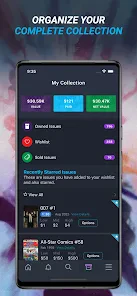
One of the standout features is the "Hot Keys" section. It highlights what’s trending in the comic universe right now, ensuring you’re always in the loop. The app also allows you to track your collection, making it easier to manage and assess your valuable assets. And trust me, the satisfaction of cataloging your collection digitally is a game-changer.
A useful habit is to check a trending issue against your own collecting goals before acting on the excitement. A popular key issue may be interesting without being a good fit for your budget, reading interests, or the series you are trying to complete. I’d use the collection tracker to spot gaps and organize what I want to look for, then make buying decisions separately rather than treating a trend as a recommendation to spend.
The "Spec Deck" is another feature that deserves a mention. It provides insights into potential investment opportunities within the comic book market. For those looking to buy, sell, or trade, this feature is incredibly useful. It’s like having a personal financial advisor, but for comics!
I’d take that investment angle as a research prompt, not a promise of profit. Comic values can be uncertain, and a highlighted issue still needs to make sense to the person buying it. For a reader who mainly wants stories, a library or reading-focused tool may be a better match; for someone weighing a purchase or trade, the app’s collector-oriented material is more relevant.
There is also a practical difference between checking a guide and judging an actual copy. A value-oriented reference can help me decide whether an issue deserves attention, but it cannot replace looking at the physical book’s condition, edition, and details before agreeing on a price. If I were selling, I would use the app to prepare questions and identify relevant issues, then compare the specific copy with what a buyer or experienced shop owner can see in person. That extra step matters most when the purchase is costly or the book’s condition is central to its value.
Setting Boundaries for Household Use
When a device is shared, I’d decide in advance whether the app is being used for joint browsing or as one person’s collection tracker. Those are different jobs. A shared search can be convenient, but a record used to track someone’s personal collection should be maintained consistently and with their agreement. If several people add or remove books without a clear routine, the list can become less trustworthy than a simple written note.
I would also keep the app separate from household purchase approval. Its discovery and market-focused material can give everyone a starting point for discussion, but it should not be treated as permission to buy or sell a comic. In a family with younger collectors, an adult can help distinguish an interesting issue from an affordable or suitable purchase. That keeps the app useful without assuming it provides family accounts, spending controls, or ownership permissions.
For collectors who share a device but not a collection, a personal notebook or spreadsheet may be the cleaner record for names, locations, condition notes, and purchase history. The trade-off is that those tools require more manual research and do not offer the same issue-discovery focus. I’d use each for what it does well: this app for exploring comic context and tracking selected issues, a private record for household-specific details.
Keeping Expectations Clear at Home
The app is rated Everyone, and its subject is comic collecting, which makes it easy to browse together across ages. I still wouldn’t assume an age label answers every family’s questions about a particular comic’s content or spending habits. For a younger collector, I’d use the app as a conversation starter about characters and issue history, while an adult handles any purchase decision. The app is from Key Collector Comics, and its focused purpose is clear: support comic discovery and collection management rather than act as a general family reading service.
For everyday use, picture checking a short list before visiting a comic shop. I’d search the issues I’m curious about, use the app’s collecting context to identify which ones deserve a closer look, and then inspect the actual copies in person. That last step matters: a digital reference can help narrow the search, but it cannot tell me the condition of a specific book sitting on the shelf. This workflow is more dependable than buying on impulse from a trending label alone.
The app has been available since October 3, 2017, and its current version is 4.4.6. It has a 4.6 average from around 5,500 ratings, with over 100,000 installs and about 1,800 written reviews. Those figures suggest that it has found an audience among comic collectors, but popularity is not the same as a perfect fit. I’d judge it by whether its issue references and tracker match the way you actually browse and collect.
It is a free app for Android and iOS, with optional in-app purchases priced from $3.99 to $39.99 per item. The minimum Android requirement is version 6.0, and the age rating is Everyone. I’d begin without paying: first see whether you enjoy searching, browsing key issues, and keeping a small part of your collection organized. Only consider a purchase if you can identify a specific feature or benefit you expect to use; the price range alone is not a reason to upgrade.
Who Gets the Most from It
This is strongest for people who collect with curiosity as well as a checklist: readers who want to trace notable issues, collectors who like noticing gaps, and buyers who want a focused reference before a shop visit. It can also help a casual fan make sense of why certain issues attract attention, without requiring them to build a detailed catalog from scratch. If your collection is growing and you often forget which issues you meant to seek out, a digital record can turn vague browsing into a more deliberate hunt.
It is less suited to someone whose main goal is to read comics digitally, manage a library of borrowed books, or maintain a precise home inventory with custom fields. A spreadsheet or notes app offers more control over personal details, while a reading tracker is a better fit for keeping track of what you have finished. And if you want a firm appraisal of a specific copy, I’d rather combine the app’s market context with an in-person assessment than rely on a single digital reference.
Compared with a handwritten list, the app is better for exploration and issue context, but a handwritten list is quick, private, and easy to tailor. Compared with a general comics database, its appeal is the collector’s point of view: discovery, notable issues, trends, and collection tracking are brought together. The trade-off is that any focused tool reflects its own way of organizing the hobby. If your collecting method depends on unusual categories or detailed condition notes, you may still want a personal system alongside it.
Deciding Whether It Fits Your Collecting Style
So, is Key Collector Comics worth downloading? In my opinion, absolutely. Whether you're a hardcore collector looking to expand your repository or a casual reader curious about the value of your comic stash, this app is invaluable. It’s like having a comic book connoisseur at your fingertips, guiding you through the vast and sometimes overwhelming world of comics.
The app is available on both Android and iOS platforms and offers a premium subscription for those who want to unlock additional features. But even the free version provides a wealth of information that can enhance your collecting experience.
It may not suit someone who only wants a simple reading list, a fully customized household inventory, or a definitive appraisal before selling. In those cases, a personal spreadsheet, a reading tracker, or an in-person opinion from a knowledgeable comic seller may be more useful. Its strongest fit is the collector who wants help navigating notable issues and keeping a collection in view, while staying thoughtful about market signals.
In conclusion, Key Collector Comics is more than just an app; it's a must-have tool for anyone serious about their comic book journey. It bridges the gap between physical collections and digital management, making the hobby more accessible and enjoyable. So go ahead, give it a try, and unlock the hidden potential of your comic collection today!
Key Collector Comics Frequently Asked Questions
What devices can run Key Collector Comics?
Key Collector Comics is available for Android devices running Android 6.0 or later. It is a comics app focused on organizing a collection and exploring notable issues, so checking your device’s operating system before downloading is a sensible first step. The app is rated for Everyone, making its stated content age rating suitable for a broad audience.
Who makes Key Collector Comics, and what is the app’s reputation among users?
Key Collector Comics is developed by Key Collector Comics and has been available since October 3, 2017. It has an average rating of 4.6 from around 5,500 ratings, with roughly 1,800 written reviews. Those figures suggest that many users have shared feedback about the app, though individual experiences can differ depending on how they collect and which features they use.
What is Key Collector Comics and how does it work?
Key Collector Comics is a comprehensive app designed for comic book enthusiasts, providing a vast database of key issues, first appearances, and valuable comics. Users can easily search and identify valuable comics, track their collections, and receive notifications about trending issues and price updates. This app is perfect for both seasoned collectors and newcomers entering the comic book world.
Is Key Collector Comics free to use or does it require a subscription?
Key Collector Comics offers a free version with basic features, allowing users to explore key issues and maintain a simple collection. However, for advanced features like market trends, price tracking, and exclusive content, a premium subscription is available. This subscription provides a more enriched experience for serious collectors who want to stay informed about the market. The app is free to download, and optional in-app purchases are offered.
Can I track my personal comic collection with Key Collector Comics?
Yes, Key Collector Comics includes a feature that allows users to track their personal comic book collections. You can easily add comics to your collection, categorize them, and even note their condition and value. This feature helps collectors keep an organized record of their comics, making it easier to manage and assess their collection's worth.
Pros
- Extensive comic database.
- User-friendly interface.
- Regular updates.
- Offline access available.
- Affordable subscription model.
Cons
- Limited free content.
- Occasional app crashes.
- Some missing titles.
- No comic reader included.
- Ads in free version.
- Category
- Comics
- Version
- 4.4.6