Floe: Local Singles Dating
- 747.00
- 4.5
- Installs
- 500.00K
- Price
- Free

Screenshots



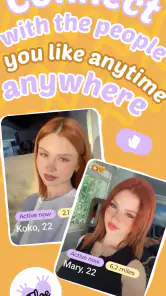

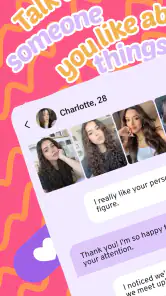

Analysis by Reviewed
I approached Floe: Local Singles Dating as a practical social app rather than a promise of instant romance. Its purpose is straightforward: help people discover nearby singles, decide who interests them, and move from a profile to a conversation. That simplicity is useful, but it also means the quality of the experience depends heavily on how comfortably you can browse, evaluate people, and communicate at your own pace.
Floe is a free dating app from Creatix Technology Limited, aimed at mature users and available on Android devices running version 7.0 or later. It has reached over half a million installs and holds a 4.5 average from roughly 37 thousand ratings, which suggests that many users find the basic idea approachable. I would still treat those numbers as a starting point rather than a guarantee: a dating app can feel lively in one area and quiet in another, and personal results depend on who is nearby and active.
How Floe feels to use in everyday dating
Readability and navigation shape the first impression
The main appeal of Floe is that its central task is easy to understand. You are looking through nearby profiles, deciding whether you want to continue, and opening the door to a chat when interest is mutual or clear enough to justify contact. That familiar pattern reduces the learning curve for anyone who has used a modern dating service before.
I found that this kind of focused design is especially helpful when I want a quick session rather than a long evening of profile management. A short check during a lunch break or after work can be enough to see whether anything new has appeared. The app’s social category also gives it a different feel from a general-purpose messaging network: the likely intention is clearer from the beginning, so I spend less time guessing why someone is there.
There is a trade-off, though. Dating interfaces often compress a lot of meaning into profile cards, images, icons, and short prompts. That can be efficient for fast browsing, but it may be tiring for users who need more time to read or interpret each screen. I recommend slowing down instead of treating every swipe as a final decision. If a profile deserves a closer look, read the available information carefully and avoid making the first screen the entire basis for judging a person.
For readability, the most useful personal adjustment is to use the phone’s own display settings when necessary. Larger system text, stronger contrast, or a screen reader may help with the device interface, but their effect can vary from one screen to another. I would not assume that every visual element will become equally clear after changing those settings. The sensible approach is to test the parts you use most: profile browsing, opening a conversation, and reviewing purchase prompts.
Navigation is also easier when I keep a simple routine. I browse in one session, pause before reacting, and return later to messages instead of trying to do everything at once. That workflow reduces accidental taps and makes the app less mentally demanding. It is a small habit, but it matters more in a dating environment than in a casual social feed because a rushed action can affect who you contact.
More From Our News Desk

Clash of Clans Is Won Between the Battles

Android Auto Makes the Case for Quieter Car Software

MobiOffice: Transforming Mobile Productivity with Seamless Integration

EA SPORTS FC™ Mobile Soccer: Redefining Mobile Sports Gaming

How Microsoft OneDrive Became a Mobile Productivity Giant

How Google Translate Breaks Language Barriers Effortlessly
Motor and sensory considerations before you start swiping
Swipe-based interaction can be convenient, but it is not equally comfortable for everyone. It usually favors short gestures and quick choices, while some users have limited dexterity, tremors, joint pain, or difficulty making precise movements. If that sounds familiar, I would use deliberate, smaller motions and avoid browsing when I am physically tired. A larger phone, a stable grip, or an alternative input method supported by the device can make the interaction less frustrating.
The important point is that the app’s core behavior encourages speed, while good dating decisions often require patience. Those goals can conflict. If repeated gestures are uncomfortable, there is no benefit in forcing a long session. A better workflow is to check a few profiles, stop before fatigue sets in, and return when you can concentrate. This also improves the quality of your choices, because I am less likely to react automatically when I am not rushing.
People with sensory sensitivities may also prefer a quieter environment. Dating notifications can interrupt concentration, and message alerts can feel more urgent than they really are. I recommend reviewing the phone’s notification controls and choosing a time when you can respond without pressure. If you are sensitive to bright screens, lowering brightness or using a system display mode can make profile browsing more comfortable, although the result will depend on the device and operating-system settings.
For users with hearing loss, the visual side of a text-based dating exchange is likely to be more useful than relying on sound. That makes careful reading and clear written communication important. I would not build a dating routine around expecting audio cues or immediate spoken interaction. Instead, I would ask early, in a natural way, whether the other person is comfortable keeping the conversation in writing or using another communication method later.
Users with low vision should take extra care with identity and safety checks. Enlarging text can help, but it can also make a screen feel crowded, so moving slowly between profile details is sensible. If another person helps you read or navigate, protect private messages and personal information. Dating profiles can contain sensitive details, and accessibility support should not require giving someone unnecessary access to your account.
Different situations call for different ways of using Floe
Floe makes the most sense for someone who wants to meet people in the surrounding area rather than maintain a purely long-distance connection. A realistic example would be a person who has recently moved, works mostly from home, or simply wants to expand their social circle beyond existing friends. They could open the app after work, review a small number of local profiles, and begin with a low-pressure message based on something specific rather than sending the same greeting to everyone.
That local focus can be valuable for people who have mobility or travel limitations, because a nearby conversation may be more realistic than a match located far away. At the same time, “nearby” does not automatically mean accessible. A person may live close but have an unsuitable meeting location, an incompatible schedule, or communication needs that require planning. I would use the app to discover possibilities, then discuss practical details before agreeing to meet.
Floe can also fit users who prefer short, repeatable interactions. Instead of trying to complete a full dating process in one sitting, I can separate it into stages: browse when I have energy, send a message when I can focus, and discuss a meeting only after the conversation feels comfortable. This staged approach is useful for people managing fatigue, anxiety, variable concentration, or demanding care responsibilities.
For someone who is nervous about dating, the app’s direct purpose may be easier than joining a broad social platform and hoping to meet someone compatible. The downside is that the dating context can make every interaction feel more significant. I would recommend preparing a few honest conversation starters and deciding in advance what information I am not ready to share. That gives the experience structure without turning it into a performance.
People seeking a very specific community should think carefully before choosing Floe as their only option. A general local dating pool may be useful, but it may not provide the same focused environment as a service built around a particular identity, age group, language, disability community, or relationship preference. In that situation, Floe could be one channel among several, not the complete solution.
What the free download does and where costs can affect decisions
The app is free to download and use at its entry level, which makes it easy to try without committing money immediately. That is important in dating because the local pool may or may not suit you. I would spend time understanding whether there are enough relevant profiles and whether conversations feel respectful before considering any optional spending.
In-app purchases range from about five dollars to eighty dollars per item. That is a wide span, so I would treat every purchase screen as a moment to pause rather than tapping through automatically. The practical question is not whether a paid option sounds attractive, but whether it solves a problem you actually have. If your area has few active users, paying may not create the kind of connection you want. If you already have promising conversations, spending may be unnecessary.
For users who need more time to make financial decisions, I suggest setting a personal rule: use the free experience first, avoid buying during an emotional high point, and review the final amount before confirming. Dating apps can make urgency feel natural, especially when a profile or message seems exciting. I prefer to separate emotional interest from payment decisions.
The current version is 1.0.6, and the app was released on July 11, 2025. That places it in a relatively early stage compared with long-established dating services. An early product can feel fresh and less overloaded, but it may also require patience as the experience develops. I would keep the app updated through the normal store process and pay attention to how comfortably it behaves on the particular phone I use.
Remaining barriers that affect trust and comfort
The biggest barrier is not simply whether the interface is easy to operate. It is whether the surrounding dating experience feels safe and manageable. Nearby matching can make a connection feel practical, but it also means I should avoid sharing an exact address, workplace details, daily routine, or other information that makes me easy to locate. A first meeting should happen in a public place, and someone I trust should know where I am going.
Another barrier is uneven communication. A profile may be visually appealing but offer little useful context, while a short conversation can reveal different expectations about pace, privacy, or meeting in person. I would not interpret a quick reply as proof of compatibility, and I would not feel obliged to continue a conversation simply because I matched with someone. Clear boundaries are part of using the app well.
Accessibility can also be affected by the phone itself. Older Android devices may handle modern interfaces differently from newer ones, and system text enlargement or assistive controls may change how much content fits on screen. Since the minimum supported operating system is Android 7.0, compatibility is broad, but broad compatibility does not mean the same comfort on every device. If navigation feels cramped or gestures fail repeatedly, the problem may be the combination of app, screen size, and system settings rather than your ability to use it.
The mature 17+ rating is another practical signal. Floe is not an app I would recommend for younger teenagers, and adults should still decide what kinds of conversations they are comfortable having. A mature rating does not remove the need for personal boundaries, respectful behavior, or caution around requests for money and private images.
I also think users should be realistic about the difference between local availability and local compatibility. An app can show people in the area without guaranteeing that they share your schedule, communication style, or relationship goals. If you need a highly filtered experience, a more specialized dating service may be a better primary choice. If you want broad local discovery and are willing to screen conversations yourself, Floe is easier to justify.
Who should try it, and who should choose something else
I would recommend Floe to adults who want a simple route into local dating, prefer browsing in short sessions, and are comfortable making their own judgments about profiles and conversations. It is particularly suitable for someone who wants to meet nearby people after moving to a new place or whose social life does not naturally produce many new introductions.
I would be more cautious about recommending it as the only dating tool for anyone who needs specialized accessibility features, a tightly defined community, or extensive control over how potential matches are filtered. In those cases, a service designed around those needs may reduce the amount of manual screening and explanation required.
I would also skip it if I dislike swipe-style decisions, feel pressured by rapid interaction, or am unwilling to manage privacy carefully. The app can open conversations, but it cannot replace judgment, patience, or planning. Someone looking mainly for friendship, professional networking, or a large community feed may be better served by a different kind of social platform.
One useful compromise is to treat Floe as a discovery layer rather than a complete dating system. Use it to find possible local connections, then judge compatibility through respectful conversation. Do not pay simply to make the process feel more active, and do not arrange an in-person meeting until practical details and personal comfort are clear.
My inclusive verdict after using the app
Floe succeeds when I want a direct, local dating experience without the extra complexity of a broad social network. Its free entry point, familiar browsing model, and clear social purpose make it approachable. The developer, Creatix Technology Limited, has positioned it as an app for mature users, and the strong average rating from tens of thousands of raters indicates that the basic experience resonates with a substantial audience.
My reservation is that simplicity can hide responsibility. A swipe interface may be easy to recognize, but it is not automatically easy for every hand, eye, attention span, or communication style. Users who need more deliberate pacing should create their own rhythm, adjust device settings where helpful, and avoid treating quick actions as mandatory. The best accessibility choice here is to make the experience slower and more intentional, not to let the interface dictate your pace.
I see Floe as a reasonable option for adults who want to explore nearby dating and are prepared to handle the human parts themselves: boundaries, privacy, conversation, and meeting plans. It is less convincing for people who need a specialized community or highly developed accessibility controls. If that distinction matches your situation, the free version is a sensible way to judge the local experience before spending anything. My final view is positive but measured: Floe is worth trying for straightforward local discovery, provided you use it patiently and keep your own comfort and safety ahead of speed.
Floe: Local Singles Dating Frequently Asked Questions
Is Floe: Local Singles Dating available on Android and iOS?
Floe is a social dating app for meeting nearby singles, and it is available for Android devices that meet its minimum operating-system requirement. If you are considering using it on another platform, check the relevant app store for availability and compatibility before downloading. On Android, make sure your device runs version 7.0 or later.
Who is Floe: Local Singles Dating intended for?
Floe is designed for adults who want to meet and chat with singles nearby. Its mature-audience rating is 17+, so it is not suitable for children or younger teens. Consider that rating before downloading, particularly if you share your device with family members, and think about whether you are comfortable with dating profiles and conversations with people you may not know.
Is Floe: Local Singles Dating suitable for everyone?
Floe is a social dating app intended for adults, so it is not suitable for children or younger teens. Its mature-audience rating is 17+, which is worth considering before downloading, especially if the app will be used on a shared device. Think about your comfort with dating content and conversations with people you may not know.
Which devices and operating systems can run Floe?
Floe is available for Android, and its minimum operating-system requirement is version 7.0. Before installing, check your phone’s software version and make sure you have enough available storage for the app. Keeping your device’s operating system and security settings up to date can also help you use social and dating apps more safely.
What is Floe: Local Singles Dating, and how does it work?
Floe: Local Singles Dating is a dating app designed to help you discover and connect with singles in your area. After creating a profile, you can add photos, write about your interests, set preferences, and browse suggested profiles. Depending on the available features, you can show interest, match with other users, and start conversations when the interest is mutual.
Pros
- Focused on discovering nearby singles for more relevant matches.
- Simple profile setup makes it easy to start browsing quickly.
- Useful filters help narrow results by distance and preferences.
- Chat features support getting to know matches within the app.
- Clean interface is easy to navigate for first-time dating app users.
Cons
- The local user pool may be small outside major cities.
- Some useful features may require a paid subscription.
- Match quality depends heavily on the number of active nearby users.
- Users may encounter incomplete or lightly detailed profiles.
- Location-based matching can raise privacy concerns for some users.
- Category
- Social
- Version
- 1.0.6