APA Scorekeeper
- 432.00
- 3.7
- Installs
- 100.00K
- Price
- Free

Screenshots
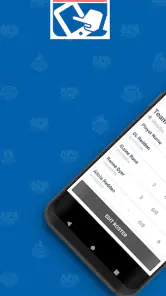
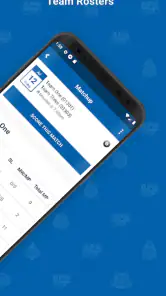
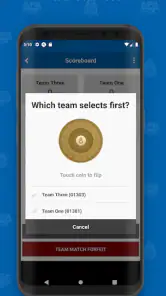
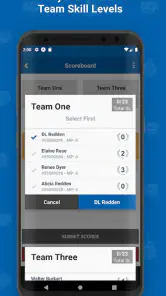
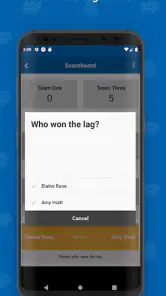
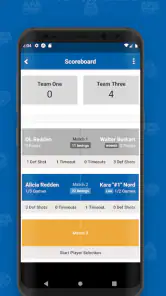
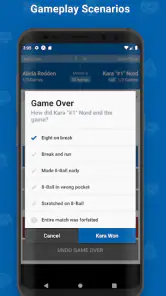
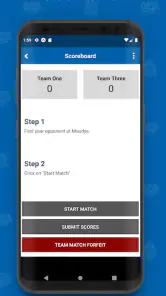
Analysis by Reviewed
Keeping a pool match accurately is harder than it looks once several players, innings, and team results are involved. APA Scorekeeper is built for that specific job: it is the official scoring app for the APA and CPA Pool Leagues, developed by American Poolplayers Assoc. I found its value less in flashy presentation and more in removing the paper score sheet from a busy league night.
That narrow focus is important. This is a free sports app for people who already play in an APA or CPA league, or who need a practical way to manage league scoring at the table. It is not trying to teach cue control, replace a general billiards timer, or turn casual practice into a statistics dashboard. In my experience, its usefulness depends almost entirely on whether your matches follow the scoring structure it is designed to support.
What the scoring capability changes at the table
The central capability is digital match scoring. Instead of passing around a pencil, erasing mistakes, and trying to read a crowded sheet under pool-hall lighting, I can use the phone as the scorekeeper while the match progresses. That sounds modest, but it changes the rhythm of a league evening: the result is recorded as the match happens rather than reconstructed afterward from memory.
For a captain or designated scorekeeper, this is especially helpful when attention is divided between the table, teammates, and the next match. A paper sheet can work perfectly well when everyone is calm and the scorekeeper knows the system. The trouble starts when a player wins a game, somebody calls out the next result, and two people remember the inning differently. A dedicated scoring app gives one person a visible place to enter the result and check the running state.
I would not describe it as a broad pool companion app. Its strength is being a focused tool for league scoring. That focus makes it easier to understand than a general sports tracker, but it also means casual players may find it unnecessary. If you only play informal games with friends and settle the winner at the table, a phone-based scorekeeper can feel like extra administration rather than an improvement.
The app has an average rating of 3.7 from around 840 ratings, with over 400 written reviews. I read that as a sign of a useful but specialized tool rather than a universally polished sports app. People who need league scoring can get real value from it, while anyone expecting a full pool-management platform should set expectations more carefully.
Why a dedicated score screen matters
The practical benefit is consistency. A paper sheet depends on handwriting, memory, and the habits of whoever is holding the pencil. A phone screen gives the scorer a repeatable workflow. That matters when the same person handles several matches during one evening and needs to avoid mixing up players or results.
More From Our News Desk

Clash of Clans Is Won Between the Battles

Android Auto Makes the Case for Quieter Car Software

MobiOffice: Transforming Mobile Productivity with Seamless Integration

EA SPORTS FC™ Mobile Soccer: Redefining Mobile Sports Gaming

How Microsoft OneDrive Became a Mobile Productivity Giant

How Google Translate Breaks Language Barriers Effortlessly
There is also a social advantage. A digital record can reduce the awkward back-and-forth that happens when teammates disagree about what was entered. The scorekeeper still has to enter the correct information, of course, but the act of recording becomes more deliberate. I found that useful in matches where the room was noisy and players were already focused on breaking, racking, or preparing for their turn.
One tip I would give new users is to decide who will operate the app before the match begins. The best workflow is not to hand the phone to a different person after every game. Choose one scorer, keep the device in a predictable place, and make each entry immediately after the result is known. That small habit prevents the most common human error: trying to remember several outcomes and entering them later.
A second useful habit is to pause briefly after an entry and let both sides see what was recorded. The app cannot resolve a disagreement that nobody notices until the end. A quick confirmation at the table is faster than correcting a whole match after the score has been submitted or copied elsewhere.
How I would use it during a league night
I would begin before the first break by making sure the correct match context is selected and that the phone has enough battery for the evening. I would also avoid placing the device directly beside drinks or chalk. Pool halls are busy environments, and a scorekeeping phone is useful only while it remains readable and available.
After each game or scoring event, I would enter the result while it is still fresh. If a player is distracted or the table is crowded, I would wait for a natural pause rather than trying to operate the screen while moving around the table. The point is not to make scoring feel like another competition; it is to make the record dependable.
At the end of the match, I would review the completed information before treating the result as final. This is where a digital workflow earns its place. A paper sheet can be folded, smudged, or misread later. A phone screen gives the scorer a final opportunity to catch an obvious mistake while the players are still present.
That workflow also answers a question many new users have: does installing the app automatically make someone a competent scorekeeper? No. It simplifies the recording task, but it does not replace familiarity with the league’s scoring rules or the responsibility to identify the right players and result. The app is an instrument; the human scorer still controls the quality of the entry.
The strongest everyday scenario
The best fit is a weekly team night where one person normally carries the paper score sheet. Imagine a captain trying to watch a match, answer a teammate’s question, keep track of the next player, and record the current result while several tables are active. In that situation, the dedicated scorekeeper can reduce the amount of information being held in the captain’s head.
I would give the phone to a teammate who is comfortable following the scoring process but is not currently playing. That person can record each result as it happens, show the current state when asked, and keep the captain free to focus on lineup decisions and communication. The gain is not entertainment; it is fewer interruptions and less uncertainty.
This is also a good scenario for a substitute scorer. Paper systems often require someone to understand the layout and abbreviations before they can help. A purpose-built app can make the task more approachable because the digital interface guides the user through the relevant scoring process. I would still have an experienced league member supervise the first match, but the learning curve should be more manageable than memorizing a blank sheet.
Another realistic use is a match where the final outcome is close and every entry matters. When the room is loud, players may remember the same sequence differently. Recording immediately gives the team a clearer shared reference. It does not eliminate disputes, but it moves the discussion from “I think that was entered differently” to “let’s check what is currently on the screen.”
Where it is less convincing
The app is not the right choice for every pool player. If you run a casual home game, play one-off matches, or only need to count games won, a simple notes app may be quicker. A general score counter can also be preferable when you are inventing your own rules or switching between several cue-sport formats. APA Scorekeeper makes sense when its league-oriented purpose matches the way you play.
I would also skip it for someone who wants training analysis. There is a big difference between recording an official-style match result and studying break success, shot selection, safety attempts, or practice progress. This app’s value is administrative accuracy, not coaching. A player searching for detailed personal performance trends should look for a tool designed around practice data instead.
There is a similar trade-off for league organizers who manage more than one kind of competition. A specialized scorekeeper can be easier for the supported league workflow, but a broader tournament-management system may be better if you need brackets, scheduling, standings, player registration, or custom formats. Choosing the narrower tool is sensible only when you actually want its narrower job done well.
Small habits that prevent scoring problems
- Assign one scorer: switching operators repeatedly creates avoidable confusion, especially when several tables finish close together.
- Enter results immediately: delayed entry turns a simple tap into a memory exercise and increases the chance of mixing up the order.
- Confirm the screen: let a player or captain glance at the current record when a result is disputed.
- Protect the phone: keep it visible but away from the edge of the table, chalk dust, and accidental spills.
- Review before finishing: a final check is easier while everyone involved is still nearby.
These are not hidden buttons or advanced settings; they are workflow details. They are also where I think the real difference between a helpful scorekeeper and a frustrating one appears. The app can make correct recording easier, but only if the team treats scoring as a continuous task instead of something to reconstruct once the last ball has disappeared.
Ease of access and device expectations
APA Scorekeeper is free, carries an Everyone content rating, and supports Android devices running version 7.0 or later. That gives it a practical advantage for teams that use an older spare phone rather than asking the captain to use a personal flagship device. The current version is 1.14.52, so I would still install it and test the scoring flow before relying on it at a busy match.
The install base is over 100K, which is reasonable for a specialized league utility. It suggests the app has reached a meaningful audience without making it sound like a mainstream sports platform. I would not choose it because of the install figure; I would choose it because the APA or CPA scoring workflow is relevant to my matches.
One question a user may have is whether the app is suitable for children. Its Everyone rating means the content classification is broad, but the more important issue is supervision and league context. A younger player can operate a scorekeeper if they understand the match and the entries, while an adult may still be the better choice when the room is hectic or the result has league consequences.
Another practical question is whether it replaces a backup. I would not rely on any phone as the only safeguard during an important evening. A charged device and a quick written note of the final result are sensible precautions, particularly if the phone is old or the scorer is unfamiliar with the app. The digital record should reduce work, not create a single point of failure.
How it compares with paper and general score apps
Paper remains the strongest alternative when you need flexibility. It works without learning an interface, can be passed around instantly, and accommodates unusual formats. Experienced captains may also prefer it because they know exactly where every mark belongs. Its weaknesses are legibility, delayed correction, and the effort required to total or interpret the sheet later.
A generic notes app sits between paper and a dedicated scorekeeper. It is flexible and already installed on many phones, but it does not necessarily guide the scorer through the league’s structure. You have to create your own labels, remember what each abbreviation means, and maintain consistency from one match to the next. That can be fine for a casual game, but it is less reassuring when several people need to understand the record.
A general sports-tracking app may offer richer charts and broader statistics, yet that extra range can become friction. If all I need is a reliable record for an APA or CPA league match, a complicated dashboard is not automatically better. The specialized approach wins when the task is known and repeated; the general alternative wins when the rules, sports, or reporting needs change often.
My main trade-off is therefore flexibility versus structure. APA Scorekeeper gives the league scorer a more relevant path than a blank note, but it is less attractive outside that path. I would recommend it to a team that wants to standardize match recording, not to a player who simply wants a universal billiards notebook.
Who gets the most from it
The clearest audience is an APA or CPA league player who regularly serves as captain, scorekeeper, or substitute organizer. That person benefits every week because the app addresses a repeated responsibility rather than a one-time curiosity. It is also useful for teammates who rotate the scoring duty and want a consistent method instead of learning several people’s paper habits.
New league participants may appreciate the guided nature of a dedicated scoring tool, but I would pair them with someone experienced for the first session. The app can help them understand the sequence of recording, while a captain can explain the meaning of the result and catch a mistaken selection. That combination is more reliable than expecting the phone alone to teach league procedure.
It is less valuable for a serious tournament director who needs a complete event-management system, and it is unnecessary for someone who never records results. It is also not a substitute for improving technique, planning a practice routine, or analyzing why a match was lost. The app is at its best when the problem is “How do we record this league match cleanly?” rather than “How do I become a better player?”
After using it as a focused scoring tool, my opinion is positive but deliberately narrow. Its real strength is reducing scorekeeping friction during an APA or CPA match, not expanding into every part of pool management. If that is the problem in front of you, the free download is easy to justify. If your games are informal or your needs are broader, paper or a more flexible sports tool may serve you better.
For the right team, I would install it before the next league night, assign a single scorer, practice entering a sample result, and make a final review part of the routine. That short preparation is enough to show whether the workflow fits your group. When it does, the app quietly handles an important job and lets everyone spend more attention on the match itself.
APA Scorekeeper Frequently Asked Questions
Who develops APA Scorekeeper, and is it the official app for APA and CPA leagues?
APA Scorekeeper is developed by the American Poolplayers Assoc and is the official scoring app of the APA and CPA Pool Leagues. It is intended for people involved in those leagues who want to keep match scoring on a mobile device. If you play in another pool league, check whether its rules and scoring procedures align with the app before relying on it during a match.
What is APA Scorekeeper and what is it used for?
APA Scorekeeper is a mobile scoring application designed for American Poolplayers Association matches. It helps players or team captains record game results, track match progress, and keep scoring information organized while a league night is underway. Instead of relying on paper score sheets or mental calculations, users can enter results directly on their device and review the current score as the match develops.
Can APA Scorekeeper be used for both 8-Ball and 9-Ball matches?
The app is intended to support scoring for APA pool league formats, including the commonly used 8-Ball and 9-Ball systems. However, the exact options available may depend on the app version, league setup, or account permissions. Before downloading, players should confirm that the current release supports the format they play and that its scoring workflow matches their local APA rules and team requirements.
Do I need an APA account or league membership to use APA Scorekeeper?
Some features may be available for basic score entry without extensive setup, but APA Scorekeeper is primarily aimed at registered APA players, teams, and league participants. Depending on the version, you may be asked to sign in, provide team information, or connect the app with league-related details. Users should have their correct player and team information available to avoid recording a match under the wrong account.
Does APA Scorekeeper work without an internet connection?
The ability to use APA Scorekeeper offline can vary by feature and app version. Entering information during a match may be possible when connectivity is limited, but syncing results, checking league data, or submitting scores could require an internet connection. For the most reliable experience, it is best to open the app before league play, sign in when connected, and verify that any saved results have synchronized afterward.
Pros
- Quickly records scores during APA league matches.
- Simple interface suitable for fast
- in-game score updates.
- Helps keep match details organized in one place.
- Useful for players
- captains
- and league administrators.
- Reduces reliance on paper score sheets during matches.
Cons
- May require an active APA account or league access.
- Features can be limited outside official APA league play.
- Small screens may make detailed score entry less comfortable.
- Requires careful input to avoid recording match data incorrectly.
- Availability and support may vary by region or league.
- Category
- Sports
- Version
- 1.14.52





