Words Klondike : Associations
- 221.00
- 4.7
- Installs
- 100.00K
- Price
- Free
Screenshots
Analysis by Reviewed
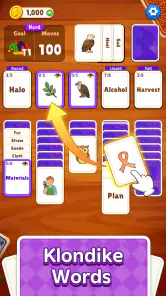
I usually know within the first few sessions whether a word game is going to become part of my routine or disappear into a crowded app folder. Words Klondike made a pleasant first impression because it combines familiar solitaire movement with word-solving rather than asking me to learn a complicated ruleset. The capybara presentation gives the experience a gentle personality, while the card-based layout keeps each round easy to understand at a glance.
This is a free word game from Higgs Studio, aimed at Everyone and available for devices running Android 6.0 or later. It has reached over 100 thousand installs and holds a 4.7 average from around 5.5 thousand ratings, which suggests that its relaxed approach has found an audience. I would not treat those figures as a guarantee that every player will enjoy it, though. The important question is whether the simple loop has enough staying power once the novelty of the theme wears off.
Why the first sessions feel so approachable
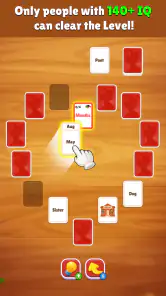
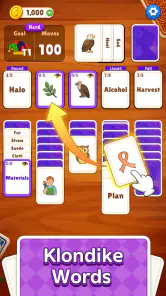
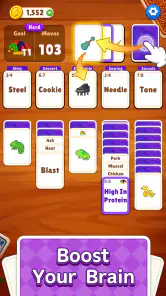
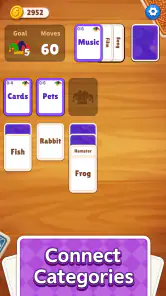
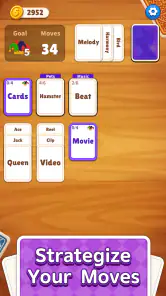
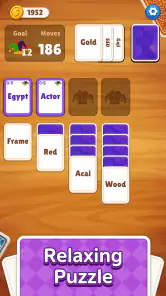
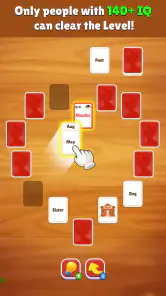
The strongest part of my early experience was how little preparation the game demands. If you already understand the broad idea of Klondike solitaire, the card arrangement feels recognizable. Instead of focusing only on suits and ranks, I am also thinking about words and the order in which cards can be handled. That combination creates a useful middle ground: it is more mentally active than ordinary solitaire, but less intimidating than a dense word puzzle.
The capybara helps set the mood without becoming the entire point of the game. I found the character’s presence suited short, quiet sessions, especially when I wanted something more engaging than scrolling but did not want a competitive challenge. The visual tone is soft and friendly, so the game feels appropriate for a quick break, a slow morning, or the final few minutes before bed.
What makes the opening especially effective is the low friction between starting the game and making the first meaningful decision. I am not spending the first session learning a long tutorial or sorting through multiple modes. That simplicity is valuable for casual players, older users who prefer familiar card logic, and anyone looking for a word game that can be picked up without a large time commitment.
There is also a nice mental rhythm in switching between two kinds of attention. Solitaire encourages me to inspect available moves and think ahead, while word play asks me to recognize patterns and possible combinations. When those two tasks support each other, a move feels satisfying for more than one reason. I am not merely clearing a card; I am opening a route toward a better word arrangement.
That said, the same accessibility can expose a limitation early. Players who want a deep vocabulary challenge may find the experience gentler than expected. This is not the right choice if your main goal is to study difficult words, compete against expert solvers, or face a constantly escalating test of language knowledge. Its appeal comes from the blend of light logic and word recognition, not from academic difficulty.
A practical way to play during a busy day
I found the game best suited to fragmented time. For example, I could play while waiting for an appointment, take a short round during a lunch break, or use it as a calmer alternative to social media in the evening. The card structure makes it easy to return to the current decision after a brief interruption, because the board itself shows what needs attention.
My most useful habit was to avoid making the first available move automatically. I would scan the visible cards, identify which move might expose another option, and only then commit. That small pause makes the game feel more strategic and reduces the sense that I am simply tapping through an obvious sequence. It is a simple tip, but it helps the solitaire side remain interesting after the initial novelty fades.
Another helpful approach is to treat word possibilities as a resource rather than a finish line. Sometimes the most attractive-looking word is not the best immediate choice if it blocks a card that could create several later moves. Thinking one step beyond the obvious combination gives the game more texture and is where I felt the Klondike influence most clearly.
What changes after the novelty settles
After the first week, the central question becomes repetition. The capybara remains charming, but a friendly theme cannot carry a game indefinitely. For me, the lasting value depends on whether I am in the mood for a predictable, low-pressure puzzle. When I am, the lack of fuss is an advantage. I can open it, make a few thoughtful moves, and stop without feeling that I have abandoned a long campaign.
This makes it different from many word games built around daily streaks, timed races, or social comparison. Those alternatives may provide a stronger reason to return every day, especially for players who enjoy measurable goals. Words Klondike feels more like a personal desk puzzle: there is satisfaction in solving the current arrangement, but less pressure to maintain a public record or chase other players.
Compared with traditional solitaire, it gives my vocabulary more work to do. Compared with crossword-style games, it asks for less reading and usually feels more tactile because the cards remain central. Compared with fast word searches, it offers more room for planning and less frantic scanning. That middle position is its main identity, and it also explains why it will not replace every other game in a player’s library.
The month-to-month appeal is therefore selective rather than universal. I can see myself keeping it installed as a dependable fallback for quiet moments, particularly because it does not require a large block of concentration. However, I would not expect it to become my only word game. Players who need new mechanics, rich narrative progression, or a strong sense of long-term achievement may eventually move to something more ambitious.
How to decide whether it earns regular play
I would judge its place in a routine by asking what kind of mental break I actually want. If I want a gentle puzzle that combines card planning with word recognition, this is a strong candidate. If I want to expand my vocabulary, race a timer, or compare scores with friends, I would look elsewhere. That distinction matters because the game’s restraint is either its greatest strength or its most noticeable weakness, depending on your expectations.
The free entry also makes it easy to test without committing money at the outset. In-app purchases range from $1.99 to $99.99 per item, so I would pay attention to the purchase prompts and decide in advance whether optional spending fits my habits. The game is perfectly suited to a cautious trial: play enough to see whether the basic loop remains enjoyable, rather than assuming that extra purchases will solve boredom.
I also recommend playing in short sessions at first. A few rounds reveal whether the combination of cards and words feels naturally satisfying to you. A long first session can make almost any simple game feel repetitive, while brief use shows whether you genuinely want to return the next day. For this title, recurring comfort matters more than a dramatic first impression.
Maintenance, fatigue, and the long-term verdict
The low maintenance is part of the appeal
One reason I can imagine keeping this game around is that it asks very little from me outside the puzzle itself. There is no need to learn a complex control scheme, organize a large collection, or remember an elaborate storyline. The current version is 1.15.2, and the overall experience feels focused on immediate play rather than on managing a broad game system.
That low maintenance has practical value. I do not need to reserve a special time for it or prepare mentally for a demanding challenge. It works as a small reset between tasks. For someone who wants a casual game that can sit unused for several days and still feel familiar when reopened, that is a meaningful advantage.
It is also a reasonable option for households looking for an Everyone-rated game with a calm presentation. I would still encourage each person to decide whether the word difficulty suits them, because an age rating describes suitability broadly rather than guaranteeing that the puzzle will match every player’s interests. The accessible presentation is welcoming, but the ideal audience is specifically people who enjoy light word logic.
The trade-off is that low maintenance can become low urgency. There is less pulling me back if I am not already in the mood for this particular type of puzzle. A game with a strong daily challenge or evolving objectives may be better for someone who wants a firm habit cue. Here, the habit has to come from the player’s own preference for a quiet card puzzle.
Where fatigue can appear
The main fatigue risk is repetition in the basic decision pattern. Once I understand how to inspect the board and prioritize useful moves, some sessions can start to feel familiar rather than surprising. That is not necessarily a flaw in a casual solitaire game, but it limits how long I can play continuously before wanting a change of pace.
The word element can create a second kind of friction. When a solution depends on recognizing a combination quickly, players with different vocabulary levels may experience the same board very differently. A round that feels pleasantly obvious to one person may feel slow or discouraging to another. I would not recommend it as a shared competitive game unless everyone is comfortable with that unevenness.
There is also a psychological trade-off in the calm design. The gentle tone reduces stress, but it may also reduce excitement. If I am tired and want a game to wake me up, the relaxed capybara atmosphere and measured card play may not provide enough energy. In that situation, a timed word game, a sharper puzzle format, or a more competitive solitaire variant would probably serve me better.
Optional purchases are another point worth considering over time. The game is free, but the available purchase range is broad enough that I would avoid treating spending as part of the normal cost until I knew exactly what I wanted from it. My advice is to enjoy the basic loop first and keep purchases separate from the question of whether the game itself remains fun. If the core routine becomes dull, buying more content or assistance is unlikely to change that underlying reaction.
Who should install it, and who should skip it
I would recommend it to casual word-game players who already like solitaire, people who prefer relaxed logic puzzles, and anyone wanting a screen activity that fits naturally into short breaks. It is especially appealing if you enjoy making careful decisions without timers or social pressure. The capybara theme adds warmth without requiring you to engage with a complicated fictional world.
I would be more cautious recommending it to dedicated crossword fans, competitive word-game players, and users who need constant novelty. Those players may find the experience too soft or too repetitive after the first few sessions. I would also skip it if my main reason for installing a game were to build a long-term progression profile, because its strongest quality is the individual puzzle session rather than a large sense of advancement.
For me, the best comparison is not a replacement for every word app, but a bridge between ordinary solitaire and casual vocabulary play. It gives solitaire fans a new layer to consider, while giving word-game fans a more relaxed alternative to grids, clues, and rapid-fire challenges. That specific blend is enough to make it distinctive, even if it is not deep enough to become a permanent main game for everyone.
My lasting assessment
After the first-week charm fades, Words Klondike remains worthwhile when I treat it as a dependable small ritual rather than an endlessly expanding game. Its strengths are clear: approachable card logic, a pleasant capybara-led presentation, a free starting point, and a relaxed pace that fits ordinary interruptions. I appreciate that I can play thoughtfully without turning a short break into a demanding event.
Its limitations are just as important. The loop may not provide enough variety for long sessions, the word challenge will not satisfy players seeking advanced vocabulary work, and the calm presentation can feel too quiet when I want competition or urgency. The purchase options also deserve a measured approach, because long-term enjoyment should come from the puzzle itself rather than from continued spending.
My final recommendation is positive but specific: install it if you want a gentle word-and-solitaire hybrid that can live quietly on your phone and be useful whenever you need a short mental reset. I would not call it an essential game for every word fan, but it earns lasting space for the right player because it is easy to maintain, easy to revisit, and pleasant without demanding attention every day. Its recurring value comes from dependable comfort, not constant surprise.
Pros
- Relaxing word puzzles suitable for short daily sessions.
- Clever association clues encourage flexible thinking.
- Simple interface is easy for new players to understand.
- Gradual difficulty keeps the challenge accessible.
- Works well for fans of vocabulary and logic games.
Cons
- Some puzzles may accept only very specific word connections.
- Progress can feel repetitive after extended play.
- Hints may reduce the satisfaction of solving difficult levels.
- Players seeking fast action may find the pace too slow.
- Advanced vocabulary knowledge can provide a noticeable advantage.
- Category
- Word
- Version
- 1.15.2