Wordling: Daily Word Challenge
- 1.49K
- 4.4
- Installs
- 1.00M
- Price
- Free
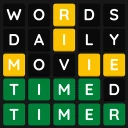
Screenshots
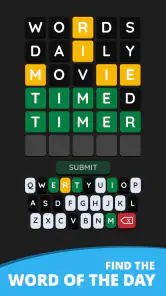
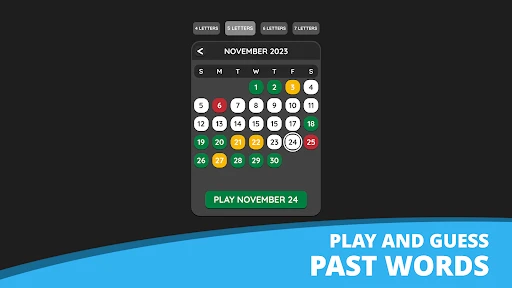
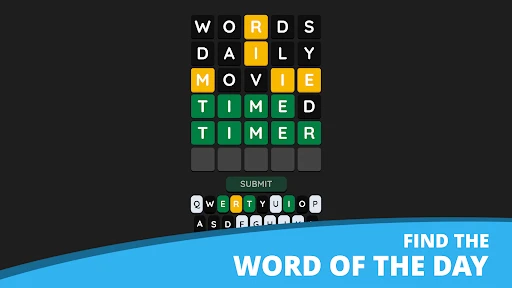
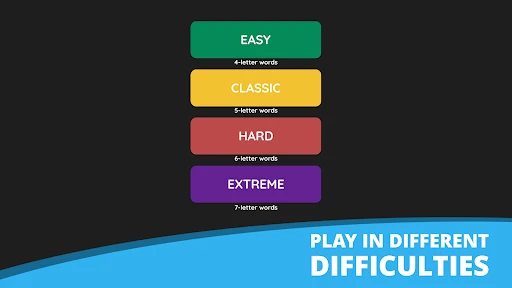
Analysis by Reviewed
For a first-time player, the appeal of a daily word game is its low-pressure promise: open it when you have a spare moment, focus on a puzzle, and leave when you are done. Wordling: Daily Word Challenge is a free word game from TapNation, and its premise suits people who enjoy spotting words and testing their vocabulary in short sessions. I would approach it as a casual brain break rather than a full language course or a deep strategy game.
What to expect from a daily word game
The daily format gives you a simple reason to return, but it also sets the pace: this is best for someone who likes a small, self-contained challenge, not a long campaign or a huge collection of modes. If you usually turn to a crossword for clues and wordplay, or a word-search book for a quiet visual hunt, this offers a phone-based alternative centered on daily puzzles. The trade-off is that a daily routine may feel restrictive if you want an unlimited stream of new puzzles whenever you open a game.
It is also worth setting expectations about what a word puzzle can do. I find this kind of play useful for warming up my attention and noticing letter patterns, but I would not rely on it as a structured way to learn a language. It works best when the goal is enjoyment, a brief mental pause, or a small personal challenge rather than measurable study.
Getting from install to your first solve
Wordling: Daily Word Challenge is rated for Everyone, and the game is free to download. Its current version is 2.5.0, with Android 7.0 listed as the minimum operating-system requirement. In-app purchases are available, with items ranging from $0.99 to $64.99, so I would check the purchase details carefully before confirming anything. The game has an average rating of 4.4 from around 36,000 ratings, and it has passed one million installs.
When you first open it, take a moment to understand the puzzle’s instructions before guessing. In word games, a rushed first move can make the rules seem more confusing than they are. I recommend reading any on-screen guidance, entering a considered first answer, and using a hint only after you have tried a couple of possibilities. That small pause helps you learn the game’s feedback rather than treating each attempt as a shot in the dark.
A useful everyday routine
A realistic time to play is during a coffee break or while waiting for a bus: give yourself a few quiet minutes, try the day’s puzzle, and stop when you are ready to move on. If you get stuck, step away briefly instead of repeatedly entering guesses. Returning with fresh eyes can make familiar letter combinations easier to spot, and it keeps a casual game from turning into a frustrating obligation.
For a more deliberate session, I would keep track of the kinds of words I overlook—perhaps short common words, unusual letter pairings, or endings I tend to miss. The point is not to build a formal scorecard; it is to notice your own habits. This makes each puzzle a small exercise in observation, even when you do not solve it immediately.
More From Our News Desk

Weather by Xiaomi Review: Clear at a Glance, Less Clear Up Close

X Under Pressure: Can It Recover When Posting Goes Wrong?

Clash of Clans Is Won Between the Battles

Android Auto Makes the Case for Quieter Car Software

MobiOffice: Transforming Mobile Productivity with Seamless Integration

EA SPORTS FC™ Mobile Soccer: Redefining Mobile Sports Gaming
Wordling: Daily Word Challenge is an engaging app that invites word enthusiasts to indulge in daily puzzles and challenges. The app is designed to stimulate your brain, expand your vocabulary, and provide a fun and competitive way to engage with language. This review explores the various aspects of Wordling, from its user interface to the daily challenges it offers.
Getting Started with Wordling: Daily Word Challenge
Upon downloading Wordling: Daily Word Challenge, I was immediately captivated by its sleek and user-friendly interface. The app opens up to a vibrant home screen, offering easy navigation to different sections like Daily Challenges, Leaderboards, and Personal Progress. Setting up an account was a breeze, thanks to its smooth integration with social media platforms, allowing me to connect with friends and fellow wordsmiths.
Features that Stand Out
The app’s core attraction lies in its daily word challenges which are both intriguing and educational. Every day, users are presented with a new puzzle that encourages them to think critically and creatively. The challenges vary in difficulty, catering to both novices and seasoned word players. What I found particularly delightful is the app’s ability to offer hints without giving away the answers, ensuring that users still have to put their thinking caps on.
Another noteworthy feature is the leaderboard, which adds a competitive edge to the game. Seeing my rank compared to players worldwide is a great motivator to improve my skills and climb higher. The app also tracks personal progress, allowing me to see how my vocabulary and problem-solving skills have evolved over time.
Choosing whether it fits your play style
The strongest reason to pick this over a paper puzzle is convenience: a phone is easy to reach during a short pause, and the daily structure gives you a clear stopping point. Compared with open-ended word-search games, it is a better fit if you like returning to a fresh daily prompt; if you prefer to solve many puzzles in one sitting, a traditional puzzle collection may suit you better. I would also skip it if competition and repeat visits feel like pressure rather than fun.
One practical tip is to treat hints as a learning aid, not a shortcut. Before using one, say aloud or jot down the possibilities you have already considered. Then compare the hint with your own reasoning. This helps you avoid spending the session tapping randomly, and it makes a tough puzzle feel more like a deduction than a guessing contest. If the game’s daily pace does not match your schedule, there is no need to force a streak; a puzzle should fit around your day.
Where the social and progress features help
The original account of the game describes leaderboards, progress tracking, forums, and the ability to create challenges. Those features make the experience sound broader than a solitary daily puzzle, but they are most useful to players who enjoy comparing approaches or discussing word choices. If you would rather solve quietly, you can focus on the puzzle itself and treat the social side as optional. I would avoid letting a ranking define whether a session went well: noticing a pattern or solving without a hint can be a more satisfying personal measure.
For a new player wondering whether to pay, the sensible approach is to begin with the free download and decide whether the regular puzzle habit is worth continuing before considering any optional purchase. The listed purchase range is broad, so check the item and its cost in the purchase screen rather than assuming every extra is necessary. If you are setting the game up for a younger player, its Everyone rating is reassuring, though I would still review purchase controls on the device as a general precaution.
Keeping the challenge enjoyable
The game was released on January 7, 2022, and the current version is 2.5.0. TapNation’s word title has attracted around 1,500 written reviews as well as its larger pool of ratings, but popularity alone does not tell you whether its rhythm will suit you. I would judge it by a simple test: does one puzzle leave you curious and relaxed, or does the daily framing make you feel behind? That answer matters more than chasing a ranking.
For me, the best way to use a daily word puzzle is as a small, intentional break: read the prompt carefully, make a reasoned attempt, and stop when the session has done its job. The hints can help when you hit a wall, while the social and progress elements may add motivation if you enjoy them. If you want endless levels, extensive language lessons, or a completely pressure-free offline pastime, another word-game format may be a better match.
Features that Stand Out
The app’s core attraction lies in its daily word challenges which are both intriguing and educational. Every day, users are presented with a new puzzle that encourages them to think critically and creatively. The challenges vary in difficulty, catering to both novices and seasoned word players. What I found particularly delightful is the app’s ability to offer hints without giving away the answers, ensuring that users still have to put their thinking caps on.
Another noteworthy feature is the leaderboard, which adds a competitive edge to the game. Seeing my rank compared to players worldwide is a great motivator to improve my skills and climb higher. The app also tracks personal progress, allowing me to see how my vocabulary and problem-solving skills have evolved over time.
Why I Love Wordling
One of the reasons I’ve grown fond of Wordling: Daily Word Challenge is its community aspect. The app hosts forums where users can discuss puzzles, share tips, and even create their own challenges. This feature turns what could be a solitary activity into a social experience, fostering a sense of community among users.
The app also regularly updates its content, keeping the challenges fresh and relevant. I never find myself bored, as there’s always a new puzzle waiting for me each day. Plus, the app’s developers seem to genuinely care about user feedback, often implementing suggestions that enhance the overall experience.
Making a good first session count
My advice for a newcomer is to make the first visit about learning the rhythm, not proving how quickly you can solve anything. Read the prompt, study the available feedback after an attempt, and ask what that feedback rules out before entering another word. It is tempting to change several letters at once, but changing one idea at a time makes the result easier to interpret. Even a failed guess can be useful if it gives you a clearer picture of the answer.
If you are playing with a child or another beginner, let them explain why they chose a word before offering a hint. That turns the puzzle into a friendly conversation about spelling and patterns rather than a race to finish. I would keep the session short and stop while it still feels light; a daily challenge is more welcoming when nobody treats a missed answer as a test of ability.
Who will enjoy it, and who may not
I can see this fitting people who like small routines, enjoy wordplay, and want a puzzle that can be picked up without arranging a longer game night. It is also handy for someone who normally plays a word puzzle on paper but wants something already in reach while waiting in a queue. The daily cadence gives those players a natural boundary, which can be a real advantage when mobile games tend to invite endless scrolling.
On the other hand, I would choose a crossword app if I wanted layered clues and a broader range of ways to reason through an answer. A conventional word-search collection is a better pick for a purely visual hunt, and a vocabulary-learning app is more appropriate when I want lessons, structured review, or a clear study plan. Wordling is strongest as a compact puzzle habit; it should not have to replace those different activities.
Small choices that make play smoother
There is a useful balance between thinking independently and asking for help. I would set a personal rule before starting—for example, try a few deliberate possibilities, pause, and only then consider a hint. The exact number is less important than having a stopping point, because it prevents frustration from turning into a string of careless guesses. If I am playing in a noisy place or only have a moment, I might save the challenge for later rather than rushing through it.
It also helps to separate a puzzle’s difficulty from your own vocabulary. Sometimes the sticking point is not an unfamiliar word but a habit of overlooking a familiar spelling pattern. After finishing, take a few seconds to think about what changed your mind: a letter clue, a hint, or simply looking again after a break. That quick reflection makes the next session more satisfying without turning play into homework.
Final Thoughts
In conclusion, Wordling: Daily Word Challenge is a must-have for anyone who enjoys playing with words and solving puzzles. Its combination of daily challenges, competitive leaderboards, and community interaction creates an engaging and rewarding experience. Whether you’re looking to kill some time on your commute or improve your vocabulary skills, this app has something for everyone.
Wordling: Daily Word Challenge isn’t just an app; it’s a daily ritual that keeps your brain sharp and your spirits high. Give it a try, and you might just find yourself hooked!
Wordling: Daily Word Challenge Frequently Asked Questions
Who developed Wordling: Daily Word Challenge, and what kind of game is it?
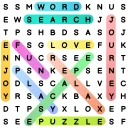
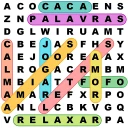
Wordling: Daily Word Challenge is a word game developed by TapNation. It centers on daily word-search puzzles, making it a natural choice for players who enjoy working through vocabulary challenges in short sessions. If you like games that ask you to think about words and solve a puzzle at your own pace, its straightforward focus may suit you.
Does Wordling: Daily Word Challenge have a large player community?
Wordling: Daily Word Challenge has reached over one million installs, and players have given it an average rating of 4.4. It also has around 36,000 ratings and 1,500 written reviews, offering prospective players a sizeable pool of feedback to browse. Reading recent reviews can help you judge whether the game’s daily word-puzzle format matches what you want.
Is Wordling: Daily Word Challenge suitable for children and casual players?
Wordling: Daily Word Challenge is rated Everyone, making it suitable for a broad audience. Its word-puzzle format is easy to understand, so casual players can start without needing experience with more complex games. The daily challenge offers a short, focused activity for people who enjoy testing their vocabulary, while the feedback after each guess helps make the puzzle approachable.
How much storage space does Wordling: Daily Word Challenge require, and what devices can run it?
The game is available for Android and iOS, and its minimum Android requirement is version 7.0. If you are checking compatibility before downloading, make sure your Android device meets that requirement or confirm that the game is offered for your iOS device through its app store. The exact storage space needed can vary by device and installation, so it is sensible to check your available space before downloading.
What is Wordling: Daily Word Challenge?
Wordling: Daily Word Challenge is an addictive word puzzle game that tests your vocabulary skills. Each day, players are given a new word challenge, pushing them to think creatively and expand their word knowledge. The game offers a fun, engaging way to improve your language skills while competing with friends or other players globally. Developed by TapNation, it focuses on daily word-search puzzles and is a good fit for players who enjoy a quick mental challenge.
Pros
- Engaging daily word puzzles.
- Improves vocabulary skills.
- User-friendly interface.
- Offline play available.
- Regular updates.
Cons
- Limited free content.
- Ads can be intrusive.
- Repetitive game mechanics.
- Requires internet for updates.
- No multiplayer option.
- Category
- Word
- Version
- 2.5.0