Word Nature Seasons
- 81.00
- 4.9
- Installs
- 100.00K
- Price
- Free
Screenshots


Analysis by Reviewed
I went into Word Nature Seasons expecting a gentle word game, and that is exactly where it works best: as a quiet puzzle break rather than a demanding competition. Its central idea is simple—solve word puzzles while moving through nature-themed seasonal settings—but the important part is how that theme changes the mood of the activity. The game makes vocabulary practice feel less like a test and more like a small daily ritual.
That distinction matters because word games can be surprisingly different in use. Some push speed, some reward long streaks, and others turn every round into a race against a clock. This one is better suited to players who want to slow down, scan letters carefully, and enjoy a calmer rhythm. I found it easiest to appreciate when I treated each puzzle as a short pause in the day instead of something I had to rush through.
Why the nature-and-seasons concept works
The most important capability here is the combination of relaxing word puzzles with a changing natural atmosphere. The seasonal framing gives the game a sense of movement without making the word-solving itself feel frantic. Even when the basic task is familiar, the surrounding presentation helps prevent a long run of puzzles from feeling completely flat.
In practical terms, this makes the game a good fit for short sessions. I can open it while waiting for an appointment, play a few puzzles before bed, or use it as a low-pressure reset after work. It does not demand the same mental commitment as a large strategy game, but it still gives me something active to think about. That balance is the main reason I would recommend it to someone who enjoys words but does not want a stressful challenge.
The nature theme also gives the experience a softer identity than a standard crossword or an aggressively competitive word-board game. That does not mean the puzzles are meaningless or purely decorative. The player still has to recognize patterns, test possible words, and decide whether a promising combination is actually valid. The difference is that the game presents those decisions in a more restful package.
I especially like this approach for people who enjoy the familiar satisfaction of finding a word but are not interested in comparing their score with strangers. The store rating of 4.9 on average, supported by around 2.5 thousand ratings, suggests that this relaxed direction is connecting with its audience. I would still treat ratings as a useful signal rather than a guarantee, because enjoyment depends heavily on whether you prefer calm discovery or constant pressure.
How a typical session feels
When I play, the useful habit is to begin with the obvious letter combinations instead of trying to force a solution immediately. Word puzzles often become easier once a few short words reveal the structure of the available letters. I look for common beginnings and endings, then check whether a less obvious word can be formed from the remaining choices. This method keeps the game thoughtful without turning every board into a guessing contest.
More From Our News Desk

Weather by Xiaomi Review: Clear at a Glance, Less Clear Up Close

X Under Pressure: Can It Recover When Posting Goes Wrong?

Clash of Clans Is Won Between the Battles

Android Auto Makes the Case for Quieter Car Software

MobiOffice: Transforming Mobile Productivity with Seamless Integration

EA SPORTS FC™ Mobile Soccer: Redefining Mobile Sports Gaming
The seasonal presentation is most effective when I let it set the pace. I do not approach a round as if I am trying to clear it as quickly as possible. Instead, I use the visual theme as a cue to pause, inspect the board, and make deliberate attempts. That makes the game particularly comfortable on a phone, where a few minutes of focused attention can fit between ordinary tasks.
One useful way to play is to separate “I do not see it yet” from “the puzzle is impossible.” With word games, the first reaction can be misleading. I usually scan for short, familiar words before considering more unusual combinations. If I get stuck, I stop tapping randomly and revisit the letters from a different direction. That small change in method is more satisfying than burning through guesses.
Another practical tip is to play when your attention is available but your energy is low. I found it less suitable when I wanted a fast burst of excitement and more suitable when I wanted a mental activity that would not overwhelm me. The difference is subtle, but it affects whether the game feels soothing or slow. A player looking for constant novelty may find the gentle pace too restrained.
Because the game comes from Mad Brain Games LTD and is categorized as a word game, its appeal is easy to understand: the core activity is familiar, while the nature-based framing gives it a distinct mood. It is not trying to replace a full crossword collection or a competitive word arena. Its strength is the space between those choices, where a player can think for a while without feeling examined.
A realistic everyday use case
Imagine finishing dinner and having ten quiet minutes before the rest of the evening begins. A fast action game might feel too energetic, while a long-form puzzle might require more commitment than you want to give. This is where I think Word Nature Seasons makes the most sense. I can open it, solve a small number of word challenges, and put the phone down without feeling that I have abandoned a complicated campaign.
The same applies to commuting or waiting rooms, provided the player has enough attention to read and interact with the puzzle. It is more engaging than passively scrolling, but it does not require the kind of continuous focus demanded by a multiplayer match. For older relatives or casual players, the familiar word format may also feel more approachable than a game built around complex controls.
It can work before sleep as well, although that depends on the individual. The calm presentation is less stimulating than many alternatives, but any screen-based activity may not suit someone trying to disconnect completely. I would use it as a short wind-down activity rather than assuming it is automatically a sleep aid.
Where it stands beside familiar alternatives
Compared with a crossword app, this game feels more immediately accessible because the player can focus on forming words without needing to understand a large clue system. A traditional crossword may offer deeper clue interpretation and a stronger sense of solving a complete grid, so dedicated crossword fans could find this experience lighter. I see the two as serving different moods: one rewards extended concentration, while this is better for quick, approachable sessions.
Compared with a daily word guessing game, the seasonal format feels less tied to a single high point each day. That can be an advantage if I want to play when convenient rather than wait for one new challenge. On the other hand, daily games often create a sharper ritual and a stronger reason to return at a specific time. Word Nature Seasons is more flexible, but that flexibility may also make it easier to play casually and forget about it.
Against competitive word-board games, the difference is even clearer. Those games are built around opponents, tactics, and pressure from another person. Here, the appeal is personal concentration and atmosphere. If your favorite part of word gaming is outsmarting a rival, this will probably feel too solitary. If you prefer solving at your own pace, the absence of competition is a real benefit rather than a missing feature.
The tradeoffs I noticed
The calm design is also the main limitation. A relaxing puzzle game can become repetitive if the presentation does not provide enough variety for your taste. I would not choose this as my only game if I wanted dramatic progression, complex strategy, or a strong social layer. Its identity is narrow, and that is both why it feels coherent and why some players may outgrow it.
There is also a difference between gentle difficulty and lack of challenge. Players who enjoy word puzzles for their hardest clues may want something more demanding. This game is aimed at accessibility and relaxation, so it may not satisfy someone seeking advanced vocabulary tests or intense timed performance. I would recommend trying it with the expectation of a comfortable brain exercise, not an expert tournament.
The free price makes it easy to try, but the presence of in-app purchases ranging from forty-nine cents to ninety-nine dollars and ninety-nine cents per item is worth keeping in mind. The broad range means players should pay attention to purchase prompts and decide in advance whether they want to spend anything. For me, the sensible approach is to begin with the free experience and only consider an optional purchase if it clearly improves the way I already enjoy playing.
That payment structure may be more noticeable to families. The content rating is Everyone, which makes the game broadly approachable, but an age-friendly rating does not remove the need for sensible purchase controls on a shared device. I would set those controls before handing the phone to a child or a less confident user. That is not a criticism of the word puzzles themselves; it is simply a practical step whenever a free mobile game includes optional spending.
Device compatibility is another detail to check before installing. The current version is 0.26.0, and the game requires operating system version 10 or newer. For most recent phones that should be straightforward, but anyone using an older device should confirm compatibility first rather than assuming every Android handset will run it.
Who will get the most from it
I think this is strongest for casual word-game players, people who enjoy nature-themed presentation, and anyone looking for a low-pressure alternative to competitive mobile games. It also suits players who like building a small routine around puzzles: a few rounds during a break, a quiet session in the evening, or a gentle way to wake up the brain without diving into a demanding game.
It may also appeal to families because the word format is easy to understand and the Everyone rating keeps the content broadly suitable. Still, I would not describe it as an educational vocabulary course. Solving words can encourage attention and recall, but the main purpose is entertainment. Someone seeking structured language lessons, detailed definitions, or measurable study progress should choose a dedicated learning app instead.
Players who should skip it are those who need multiplayer competition, elaborate stories, fast action, or a clearly escalating strategic system. I would also steer away anyone who dislikes repeated word formation as a core activity. The nature theme can make the experience feel more inviting, but it does not change the fundamental fact that you are returning to word puzzles again and again.
The game has passed the early stage of being an unknown experiment, with over one hundred thousand installs and a release date of September 14, 2024. That gives it enough of an audience to feel established while still leaving room for the experience to evolve. I would keep expectations realistic: its current appeal comes from the focused concept, not from a huge collection of unrelated systems.
My recommendation after using it
My honest recommendation is to try Word Nature Seasons if you want a free, approachable word game that feels calmer than the usual alternatives. The nature-and-seasons concept is not just a decorative label; it changes how I use the game by encouraging shorter, more relaxed sessions. I enjoy it most when I am looking for a quiet puzzle break rather than a challenge that demands my full evening.
The best way to judge it is to play with the right expectation. Give it a chance as a peaceful word routine, not as a competitive replacement for a crossword league or a multiplayer board game. Start with unhurried solving, avoid random tapping when you get stuck, and decide early whether optional purchases fit your budget. Those choices make the experience clearer and help separate the game’s genuine strengths from the things it was never designed to provide.
For me, the result is a pleasant niche game with a clear purpose. It does not need complicated mechanics to be worthwhile. Its value comes from making ordinary word solving feel comfortable, seasonal, and easy to fit into real life. If that is the kind of mobile break you want, Word Nature Seasons is a sensible download to test. If you need competition, deep progression, or demanding vocabulary work, a different word-game style will serve you better.
Word Nature Seasons Frequently Asked Questions
Who developed Word Nature Seasons, and what kind of game is it?
Word Nature Seasons is a word puzzle game developed by Mad Brain Games LTD. It pairs vocabulary challenges with a nature-focused theme, offering a relaxed style of play for people who enjoy finding words and solving puzzles. Its central appeal is straightforward: work through word challenges while taking in seasonal scenery, rather than competing in a fast-paced action game.
What is Word Nature Seasons?
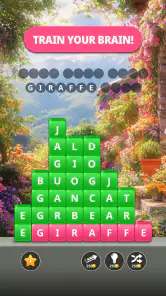
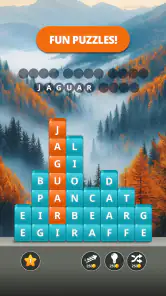
Word Nature Seasons is a relaxing word puzzle game that combines vocabulary challenges with peaceful nature-themed visuals. Players solve word puzzles while progressing through different seasonal environments, such as spring gardens, summer landscapes, autumn scenery, and winter settings. The game is designed for casual play, making it suitable for short sessions as well as longer periods of entertainment.
How do you play Word Nature Seasons?
The main objective is to create words from the letters provided in each puzzle. You usually swipe or tap letters to form valid words and complete the level objectives. Some puzzles may include bonus words, hidden solutions, or progressively more difficult letter combinations. As you advance, new seasonal scenes and stages become available, providing a sense of progression alongside the word challenges.
Is Word Nature Seasons free to download and play?
Word Nature Seasons is free to download, so you can start playing without an upfront purchase. It also offers optional in-app purchases, with items priced from 49 cents to $99.99. Those purchases may appeal to players who want additional items or assistance while playing, but the game’s basic word-puzzle experience is available to begin without paying. Check purchase settings before handing the device to a child.
Does Word Nature Seasons require an internet connection?
Some parts of Word Nature Seasons may work without a constant internet connection, which is useful when playing during travel or in areas with limited coverage. However, an internet connection may still be required for advertisements, cloud synchronization, updates, special events, or in-app purchases. Offline functionality can vary by device and game version, so it is best to test the game after installation rather than assuming every feature works offline.
Pros
- Relaxing word puzzles with a gentle seasonal atmosphere.
- Simple controls make it easy to play with one hand.
- Gradual difficulty suits both casual and regular players.
- Seasonal themes add visual variety as you progress.
- Short levels are convenient for quick gaming sessions.
Cons
- Some puzzles may feel repetitive after extended play.
- Later levels can become noticeably more challenging.
- Hints may be limited or tied to in-game resources.
- The game may require internet access for certain features.
- Players seeking competitive multiplayer may find it lacking.
- Category
- Word
- Version
- 0.26.0