Word Madness
- 2.04K
- 4.9
- Installs
- 500.00K
- Price
- Free
Screenshots
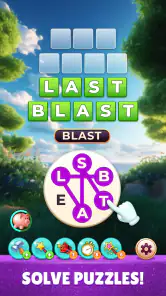


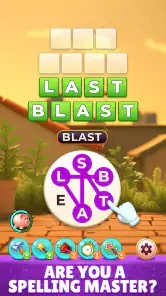
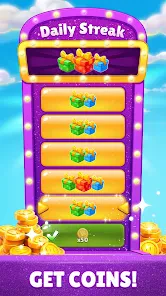
Analysis by Reviewed
Word games can be relaxing, competitive, or surprisingly intense, and the kind of puzzle matters as much as the words themselves. Word Madness aims for quick decisions: you work with a jumble of letters and try to spot words before time runs out. I see it as a better fit for short, focused bursts than for a long, quiet session with a crossword. That distinction is useful before you install it, because the countdown shapes the whole experience.
A good match for short, focused breaks
I would reach for this when I have a few spare minutes and want something more mentally active than scrolling. A realistic example is sitting down with a coffee before an appointment: one round gives me a clear little task, and I can put the phone away when it is time to go. The format does not ask me to remember a story or manage a complicated setup, so it is easy to return to when another brief pause appears.
That convenience has a trade-off. A timer can turn a casual puzzle into a test of speed, and interruptions are awkward when the clock is running. If you often need to stop mid-game, or prefer to consider every clue without feeling hurried, a traditional crossword or an untimed word search is likely to be more comfortable. I would also avoid playing while walking or doing anything that needs my attention elsewhere; the pace rewards looking at the screen.
How I approach the letter jumble
When a set of letters feels uncooperative, I find it more useful to change tactics than to keep searching for one impressive long word. I start with short, familiar combinations, then try a different first letter and scan again. This gives my attention a reset and can uncover possibilities I missed when I was fixated on one pattern. The useful skill is not just knowing words; it is shifting quickly between ways of looking at the same letters.
I would treat a round as a small warm-up rather than a measurement of vocabulary. A missed word can come down to the timer, a momentary lapse, or simply not seeing a pattern in time. If you are playing to improve your own consistency, focus on whether you are finding more possibilities before the clock ends, rather than judging yourself by one result. That keeps the pressure playful instead of turning every session into a score to defend.
Gameplay that Hooks You
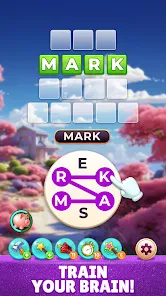
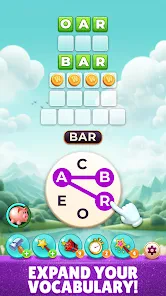
The first thing that struck me about Word Madness is how it seamlessly combines simplicity with challenge. The premise is straightforward: you are given a set of jumbled letters, and your task is to form as many words as possible within a time limit. It sounds easy, right? Well, that’s until the timer starts ticking, and your brain goes on a wild ride trying to unscramble the letters. The rush of finding words under pressure is exhilarating, and it’s what kept me glued to my screen for hours on end.
Levels and Challenges
One thing I absolutely love about this app is the variety of levels and challenges it offers. As you progress, the game ramps up the difficulty by introducing longer words and tricky letter combinations. I found myself constantly pushing to beat my previous high score and unlock new achievements. It’s like having a personal brain gym, and I can’t get enough of it!
More From Our News Desk

Weather by Xiaomi Review: Clear at a Glance, Less Clear Up Close

X Under Pressure: Can It Recover When Posting Goes Wrong?

Clash of Clans Is Won Between the Battles

Android Auto Makes the Case for Quieter Car Software

MobiOffice: Transforming Mobile Productivity with Seamless Integration

EA SPORTS FC™ Mobile Soccer: Redefining Mobile Sports Gaming
The developers have done a fantastic job in ensuring that players remain engaged. With daily challenges and random bonus rounds, there’s always something new to look forward to. And let’s not forget the delightful graphics and sound effects that add a fun and colorful touch to the gameplay.
Choosing a goal that keeps the game fun
There are two reasonable ways to approach a fast word puzzle: aim for a personal best, or simply enjoy the search. The first gives a round a clear target, but it can make repeated play feel like work if every result becomes a judgment. The second is more forgiving, especially on a tired day when quick recall is harder. I would switch between them rather than try to improve every session; sometimes a casual attempt is enough.
The gradual move toward longer words and less obvious combinations also changes what feels rewarding. Early on, finding several familiar words can make the format click. Later, noticing an unusual arrangement may matter more than typing the first obvious answer immediately. My practical tip is to avoid letting one hard-to-see word monopolize the whole round: collect the possibilities that come readily, then use any remaining time to explore less familiar patterns.
Making the most of a round
A small habit that helps me is to change my search pattern when I get stuck: I stop chasing the longest possible answer and instead try a different starting letter or a shorter word. Under a countdown, that reset can be more useful than staring at the same arrangement. I also treat a quick session as a warm-up rather than a test of vocabulary; the point is to spot what I can, not to turn every round into a personal benchmark.
For a realistic everyday use, I would play a round during a commute only when I am safely seated and can give the screen my attention. The timer rewards focus, so it is not the best companion for walking, switching between chores, or any situation where I may need to look away. If interruptions are common, a crossword that lets me return to a clue later is a more forgiving alternative.
Social Element
In today’s age of connectivity, it’s refreshing to see an app that incorporates a social element. Word Madness allows you to compete with friends or other players worldwide. There’s nothing quite like the thrill of climbing the leaderboard and showing off your word prowess. Plus, it’s a great way to bond with fellow word enthusiasts and share tips and tricks.
Competition without assuming pay-to-win
For me, a leaderboard is most enjoyable when I treat it as a bit of friendly motivation rather than proof that one player is better at language in every situation. A timed result measures quick recognition as well as vocabulary, so comparing scores can be fun, but it is not a complete measure of word knowledge. If you play with friends, a more relaxed challenge is to compare how each person approached a tricky jumble, not just who finished highest.
The game offers in-app purchases, but the existence of those purchases does not establish whether they affect competition or provide an advantage. I would not spend on the assumption that it is required to keep up, and I would look at the exact item and price before confirming anything. If your main priority is an entirely predictable cost, a one-time-purchase word game may feel simpler. If you are comfortable deciding about optional purchases as they arise, the free download makes it possible to try the basic experience first.
Spending and fairness
The game is free to download, while optional in-app purchases range from $0.99 to $99.99 per item. That broad range is worth noticing before spending: I would check the price attached to any particular purchase and decide whether it adds enough value for my own play. The presence of purchases alone does not tell me whether they affect competitive balance, so I would not assume that paying is necessary—or that it creates an advantage. If I prefer a completely fixed-cost experience, a paid word game without purchase offers may be easier to budget for.
It is rated for Everyone, which makes it broadly approachable as a word game, though a timed format may still be more enjoyable for players who like quick decisions. The game has a 4.9 average from around 8,000 ratings, and more than 500,000 installs; those figures suggest that many people have tried it, but they cannot tell me whether its pace will fit your taste. I would judge it by a few rounds rather than by popularity alone.
What the purchase details mean in practice
The free entry point lowers the risk of trying a quick word game, but I would still make the purchase choice deliberately. Before tapping any offer, check its displayed price and consider whether it addresses something you actually want from the game. A large possible price range is a reason to pause and read carefully, not a reason to assume every player needs to buy something. That is especially relevant if a child may use the device: the Everyone age rating describes the game’s broad audience, while purchase decisions are still worth supervising.
One question players naturally have is whether a purchase is needed to enjoy the central puzzle. I would begin with the free experience and see whether the timed letter-search itself holds my interest. The confirmed purchase range tells me that optional spending exists, but it does not tell me what each item does or how it interacts with play. I would therefore avoid treating any purchase as a shortcut to better results without first understanding the specific offer shown in the game.
What to know before choosing
Word Madness is a focused pick for people who want fast word-finding, not a full replacement for every kind of word puzzle. If you prefer to solve clues slowly, build a shared crossword with someone, or avoid countdown pressure, a conventional crossword or untimed word search may suit you better. If you enjoy trying to make quick connections from a jumble of letters, the format has a clear appeal.
The game was released on September 1, 2022, and its current version is 21.57.1; it requires operating system 10 or later. I would check that requirement before installing on an older device. These practical details matter more than they might seem: an otherwise appealing quick-play game is not a good fit if it will not run comfortably on your phone.
How it compares with other word games
Compared with a clue-based crossword, this is less about patiently filling a grid from definitions and more about making fast associations from available letters. Compared with a word search, where the board usually gives your eyes a fixed field to scan, the jumble asks you to generate words from a limited set under a clock. Those differences make it feel more active, but they also make it less suited to players who want a calm puzzle they can leave and resume at will.
I would choose a crossword when I want deduction and a longer chain of thought, and a word search when I want low-pressure visual scanning. I would choose this game when I want a compact burst of letter recognition and do not mind being hurried. That makes it a useful alternative within the word-game category, but not a universal substitute: the best choice depends on whether speed, clues, or an unhurried search is what you enjoy.
Who should try it—and who may not click with it
I think it is most appealing to players who like seeing how quickly they can turn a handful of letters into several answers, and who enjoy having a score or challenge to chase. It can also suit someone who wants a brief solo activity that does not demand a large time commitment. People who find countdowns stressful, prefer narrative progression, or want a puzzle that rewards slow, careful reasoning may get more from a different style of game.
If you are unsure which camp you are in, try a few rounds at different times of day rather than deciding after one hurried attempt. A short session when you are alert may feel lively; the same timer can feel irritating when you are tired or distracted. That difference is not a flaw in your vocabulary. It is a reminder that this particular format asks for attention and quick recall, so mood and setting matter.
Why You Should Download It
If you’re someone who loves a good mental workout, then this app is definitely for you. Word Madness not only provides the perfect balance of fun and challenge, but it also helps improve your vocabulary and cognitive skills. Whether you’re looking to kill time during your commute or unwind after a long day, this app has got you covered.
In conclusion, Word Madness is a must-have for any word game lover. Its engaging gameplay, variety of challenges, and social features make it stand out in the crowded world of mobile apps. So why wait? Dive into the madness and see how many words you can uncover!
My final recommendation
My recommendation is conditional rather than universal: try it if the appeal of quick letter-finding outweighs your dislike of a timer. Mad Brain Games LTD’s word game has a 4.9 average, around 2,000 written reviews, and more than 500,000 installs, but popularity cannot tell you whether the pace feels satisfying on your own phone. The free download is a sensible way to judge that for yourself, while keeping optional spending separate from the decision to play.
Overall, I would keep it in mind for alert, short breaks and skip it when I want a slow puzzle or expect interruptions. That is the clearest way to decide whether it belongs in your rotation: choose it for the brisk search, not as a replacement for every crossword or word game. Check the operating-system requirement, try the format, and spend only if a specific purchase genuinely suits what you want.
Word Madness Frequently Asked Questions
Who developed Word Madness, and what kind of game is it?
Word Madness is a word game developed by Mad Brain Games LTD. It centers on solving crossword puzzles, offering a straightforward way to take on word challenges and work on your vocabulary. If you enjoy games built around finding and arranging words rather than action or strategy, its focus should be easy to understand before you download.
What devices can run Word Madness?
Word Madness is available for Android and iOS, so it can suit players using either major mobile platform. On Android, the minimum operating system requirement is Android 10. It is worth checking your device’s software version before downloading, especially if you have not updated it recently, so you can confirm it meets the requirement.
What is Word Madness and how does it work?
Word Madness is a dynamic and engaging word puzzle game designed for both Android and iOS platforms. The game challenges players to form words from a set of given letters, testing their vocabulary and cognitive skills. With varying levels of difficulty and a timer to add excitement, it keeps players on their toes while improving their language abilities.
Is Word Madness free to download and play?
Yes, Word Madness is free to download and play. However, like many mobile games, it offers in-app purchases that can enhance the gaming experience. These may include additional levels, hints, and ad-free play. Players can enjoy the core game without spending money, but extra features are available for those who wish to purchase them. In-app purchase prices range from $0.99 to $99.99 per item, so check any purchase carefully before confirming it.
What age group is Word Madness suitable for?
Word Madness is suitable for players aged 10 and above. The game’s content is family-friendly, making it an excellent choice for kids, teens, and adults who enjoy word puzzles. Its educational aspect can also be beneficial for younger players looking to expand their vocabulary and improve language skills in an entertaining way.
Pros
- Easy to navigate interface
- Wide range of vocabulary puzzles
- Encourages learning new words
- Suitable for all age groups
- Regular updates with new levels
Cons
- In-app purchases can be costly
- Ads can be intrusive
- Requires internet connection
- Limited offline features
- Occasional bugs in older devices
- Category
- Word
- Version
- 21.57.1