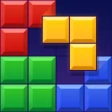
Wooden Puzzle Bliss
- 9.10K
- 4.6
- Installs
- 1.00M
- Price
- Free
Screenshots

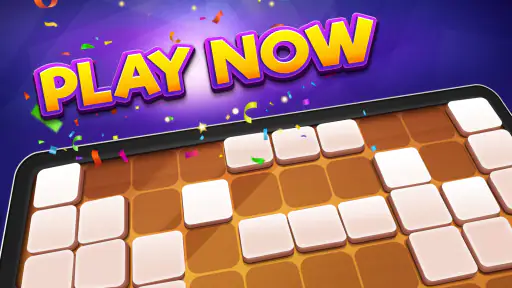
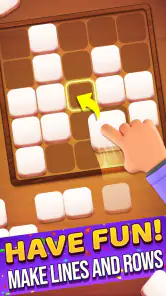
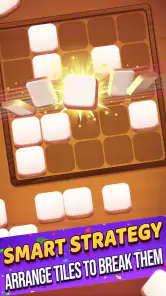

Analysis by Reviewed
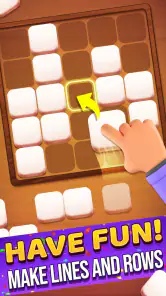
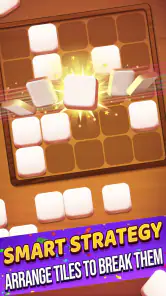
Wooden Puzzle Bliss is the kind of puzzle game I can open for a few quiet minutes without needing to learn a complicated system first. Its central idea is simple: place matching blocks while avoiding a completely filled grid. That sounds familiar, but the appeal comes from how quickly a small decision can turn into a problem several moves later. I found it easy to start, yet surprisingly difficult to play well when I stopped treating each move as a temporary fix.
Developed by Gimica GmbH, this free puzzle game is aimed at Everyone and runs on Android 7.0 or later. It has reached over a million installs, with an average rating of 4.6 from around 112 thousand ratings. Those numbers suggest that the straightforward format has found a broad audience, but popularity alone does not guarantee lasting value. My main question was whether it could remain useful after the first burst of curiosity faded.
How the simple board becomes a daily habit
The first week feels welcoming, but not empty
The opening appeal is immediate. I do not have to memorize a long tutorial, manage a character, follow a story, or wait for a match. The board communicates most of what matters through its shapes and empty spaces. I can begin making decisions almost at once, which makes the game particularly comfortable during a short break, while travelling, or when I want something more active than scrolling but less demanding than a full strategy game.
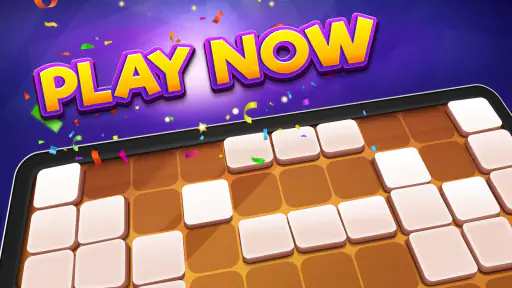
The wooden presentation also gives the experience a calmer personality than many bright, animated puzzle titles. It feels deliberately tactile even though I am playing on a screen. That atmosphere matters because the game is built around repeated concentration rather than dramatic events. I can focus on arranging the board instead of being pushed through a noisy sequence of rewards, characters, or story interruptions.
During the first few sessions, I noticed a useful tension between obvious placement and future planning. A block may fit neatly into an open area, but using that space can remove the flexibility needed for the next shape. The best move is not always the one that creates an immediate match. Sometimes I leave a slightly awkward gap because it preserves room for a more useful arrangement later. That small change in thinking is where the game becomes more than casual tapping.
My practical advice is to avoid filling the board from one side simply because it looks tidy. I get better results when I keep more than one area open and think about the kinds of shapes that could still fit. Corners can be helpful, but they can also become traps if I seal off the surrounding spaces too early. The board rewards keeping options alive, not merely making the current layout look organized.
This also makes the game suitable for different kinds of players. Someone who wants a relaxing visual puzzle can play slowly and accept occasional failure. Someone who enjoys optimization can treat every open square as a resource and examine the consequences of each placement. I would not describe it as a deep strategy game, but it has enough planning to keep the basic matching loop from feeling completely automatic.
Why short sessions work so well
The format fits naturally into everyday gaps. I can play while waiting for an appointment, during a coffee break, or at the end of the day when I do not have the attention for a longer game. A realistic use case is a ten-minute pause between tasks: instead of committing to a competitive match or a story chapter, I can make a few careful placements, stop when my attention drops, and return later without needing to remember a complicated plot.
That convenience is one of its strongest qualities. The game does not ask me to build a large routine around it. I can use it as a mental reset, and the act of looking for space and matching blocks gives my attention a clear target. It is especially appealing if I like puzzles that can be played at my own pace rather than games that punish me for not reacting quickly.
There is a trade-off, though. A short-session game can become background entertainment rather than a memorable hobby. The first week benefits from discovery: I am learning how the pieces interact with the board and noticing which habits cause trouble. Once that learning curve flattens, the question becomes whether the basic loop still gives me a reason to return.
What the rating and free entry point tell me
The game is free to download, which makes trying it low-risk. Optional purchases range from $0.99 to $4.49 per item. I appreciate being able to test the core experience before deciding whether it deserves a place on my phone, but I would still recommend paying attention to how often the game presents its purchase options during normal play. For a puzzle built around calm concentration, interruptions or pressure can affect the experience more than they would in a louder action game.
The Everyone age rating also matches the accessible design. I would feel comfortable suggesting it to a family member who wants a gentle block puzzle, although younger players may still need help understanding that a quick-looking placement can create a difficult board later. The game is easy to begin, but “easy to begin” is not the same as “always easy to solve.”
Does it remain interesting after the novelty?
After the first week, I think the answer depends on what I want from a puzzle. If I enjoy repeating a familiar mental exercise and gradually becoming more disciplined, the game has a reasonable chance of staying in rotation. I can return to it for the same reason I might revisit a small logic puzzle: not because the presentation keeps changing dramatically, but because I want to make a cleaner set of decisions than I did last time.
If I need constant new mechanics, a campaign, social competition, or a strong sense of progression, the appeal is weaker. The simple board is also the limitation. Its strength is that I can understand it instantly; its weakness is that the experience has fewer layers to uncover once I have learned the basic rhythm.
Month-to-month value comes from changing my approach
For long-term use, I would not measure value by how many hours I can force myself to play. I would measure it by whether the game remains a useful small habit. Wooden Puzzle Bliss works best when I treat it as a compact exercise in spatial planning rather than as a game that must occupy an entire evening. A few thoughtful rounds can be satisfying, while extended sessions may expose the repetitive nature of the format.
One way I keep it fresh is by changing the goal of a session. Sometimes I focus on survival and simply try to avoid making a careless placement. At other times, I prioritize creating matches efficiently or maintaining several open routes across the board. This does not create a new mode, but it changes what I notice. The same board can feel different when I stop judging every move only by whether it clears space immediately.
Another useful habit is to pause before placing a block that appears to solve the current problem. I look at the remaining open areas and ask whether the move leaves enough flexibility for a less convenient shape. This is a small discipline, yet it gives the game more lasting value because I am actively improving my decision process instead of waiting for novelty to do the work.
I also find it better suited to a personal rhythm than to a fixed daily target. If I force myself to play every day, the board can begin to feel like an obligation. If I open it when I genuinely want a quiet puzzle, it retains more of its calming quality. That distinction matters for maintenance: a game can be easy to access and still lose its place if I turn it into another task on a crowded schedule.
Where it sits beside familiar alternatives
Compared with match-three games, this title feels less dependent on chasing quick combinations. I am not mainly looking for a chain reaction or a colourful burst. I am managing space. That makes it a better choice for someone who prefers planning over reflexes, but a less exciting choice for anyone who wants frequent visual rewards and rapid momentum.
Compared with traditional falling-block games, the pressure is different as well. The challenge here is not primarily speed. I can spend more time considering the board, which makes it friendlier for relaxed play. The downside is that players who enjoy rising urgency and fast reactions may find it too quiet. A classic falling-block game offers a more intense test of timing; this one offers more room to think.
Compared with large logic-puzzle collections, Wooden Puzzle Bliss is more focused. That focus is convenient because I know exactly what kind of experience I am opening, but it also means there is less protection against repetition. A collection with number puzzles, word puzzles, and spatial challenges will usually offer better variety over several months. I would choose this game when I want one clean block-based activity, not when I want a complete puzzle library.
Maintenance is light, but attention is the real cost
There is very little setup involved. The current version is 1.13.0, and the Android requirement is modest enough for devices running version 7.0 or newer. I do not need to organize a complicated account or learn a large collection of systems before playing. That low maintenance is important for a casual game because friction at the start can easily outweigh the value of a short session.
The more meaningful maintenance is mental. To keep the game enjoyable, I need to prevent careless habits from taking over. If I place blocks quickly without looking ahead, the experience becomes a sequence of avoidable mistakes. I get more from it when I slow down, use the whole board, and accept that a temporary empty space can be more valuable than an immediate match.
I would also avoid using it when I am already mentally exhausted and expect it to feel relaxing automatically. The game is calm in presentation, but it still asks me to evaluate shapes and consequences. After a demanding day, that can be welcome, but it can also feel like one more decision-making task. A simple audiovisual style does not remove the need to think.
For people who play on a shared device or have limited storage and older hardware, the modest Android requirement is reassuring. Still, the practical experience can depend on the individual phone and on how much interruption the player tolerates. I would test a few sessions before making it a regular part of a routine, especially if I am sensitive to advertisements or purchase prompts in free games.
The fatigue points that appear over time
The largest source of fatigue is repetition. The core pleasure comes from arranging blocks and protecting open space, so once I understand that loop, there are fewer surprises. The game can remain satisfying, but it asks me to supply the variety through my own goals and patience. That is not a flaw for a minimalist puzzle, though it does limit how broadly I can recommend it.
Another possible frustration is the gap between a good-looking board and a genuinely healthy board. I sometimes want to complete a neat pattern, only to realize that I have removed the flexibility needed for future pieces. When a round fails after several apparently sensible moves, the result can feel less like a mistake and more like a slow trap. Players who prefer clear, immediate feedback may find this discouraging.
Free-to-play design can create a separate kind of fatigue. The game costs nothing to start, while individual in-app purchases sit between $0.99 and $4.49. That is not automatically a problem, but the value depends on whether the optional spending remains optional in practice. I would recommend trying the game with a firm personal limit and judging whether the uninterrupted core loop is enjoyable on its own.
There is also no reason to choose this title if I want a strong narrative reason to return. It does not replace a story-driven puzzle adventure, a competitive leaderboard game, or a collection with a steady stream of different formats. Its lasting value is narrower: it is a quiet block puzzle that can become a familiar mental break if that is exactly what I am looking for.
Who should make room for it?
I would recommend it to someone who likes spatial puzzles, prefers unhurried decisions, and wants a free game that can be played in short bursts. It is a good fit for a person who enjoys improving through restraint: leaving room, resisting the obvious placement, and thinking one or two steps beyond the current match. It can also suit families because the Everyone rating and simple rules make the entry point approachable.
I would be more cautious about recommending it to players who need a constant stream of new content or who quickly lose interest when a game’s main mechanic stays stable. Competitive players may prefer a title with direct opponents and clearer performance comparison. Fans of fast arcade action may also find the relaxed pace too passive. In those cases, a different puzzle style would probably earn more lasting attention.
One non-obvious strength is that the game can work as a transition activity. I use it most effectively between high-focus tasks, not as a replacement for them. A brief session gives my mind a contained problem with a visible boundary, and stopping after a natural endpoint feels easier than stopping a long-form game halfway through a mission. That makes it useful for people who want controlled entertainment rather than another endless feed.
Another strength is the way it exposes impulsive decision-making. When I lose, I can often identify the moment I valued immediate neatness over future flexibility. That makes the game mildly educational in a practical sense: it encourages me to compare short-term relief with long-term options. The lesson is small, but it is more distinctive than simply matching colours until a counter increases.
A final trade-off is that the game rewards consistency more than experimentation. Trying unusual placements can teach me something, but the board generally favours careful space management. If I enjoy discovering surprising interactions, I may eventually want a more complex puzzle. If I enjoy refining a repeatable method, the focused design becomes an advantage rather than a drawback.
My long-term verdict
Wooden Puzzle Bliss earns lasting space when I want a dependable, low-commitment brain break rather than an endlessly expanding game. Its strongest qualities are the immediate rules, calm presentation, flexible session length, and the quiet challenge of preserving room for future moves. I can recommend it to a friend who wants a straightforward block puzzle with enough planning to reward patience.
My recommendation comes with a clear condition: do not expect the first-week freshness to continue unchanged. The game’s month-to-month value depends on whether I enjoy the underlying habit of examining space and making deliberate placements. If I do, it remains a pleasant companion for short breaks. If I need new mechanics, story, competition, or a wide range of puzzle types, its focused design will probably feel limited.
After the novelty fades, the game is maintained by discipline rather than content. I return because I like the small challenge, not because it constantly gives me something new to unlock. That makes it less universal than a large puzzle collection, but more convenient when I want one familiar activity that starts quickly and ends cleanly. For me, that is enough to keep it installed, provided I play it as a compact daily option instead of demanding that it become my main game.
With its free entry point, Everyone rating, broad device compatibility, and solid reception, Wooden Puzzle Bliss is easy to try. The more important question is whether its restrained format matches my habits. For a patient puzzle fan, I think it can. For anyone chasing constant stimulation, I would look elsewhere. In my experience, its real success is not delivering endless novelty, but making a small amount of thoughtful play feel worthwhile.
Pros
- Simple rules make it easy for beginners to start playing.
- Relaxing gameplay is suitable for short breaks or quiet evenings.
- Offline play allows access without Wi-Fi or mobile data.
- Clean wooden visuals create a pleasant
- distraction-free experience.
- Gradual challenges can help improve focus and spatial reasoning.
Cons
- Some levels may feel repetitive after extended play sessions.
- Hints or extra features may be limited without watching advertisements.
- The game offers little variety beyond its core puzzle format.
- Small pieces can be difficult to place accurately on smaller screens.
- Progression may feel slow for players seeking fast-paced action.
- Category
- Puzzle
- Version
- 1.13.0