Treasure Tiles: Win Cash
- 7.26K
- 4.6
- Installs
- 1.00M
- Price
- Free
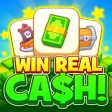
Screenshots


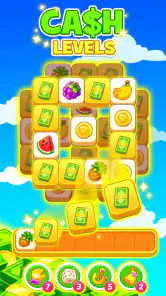

Analysis by Reviewed
I approached Treasure Tiles: Win Cash as a puzzle game first, not as a promise of easy income. Its central appeal is the combination of tile-matching play with real-money game positioning, and that changes how I judge every round. A colorful puzzle can be enjoyed for its own sake, while a cash-focused game also makes me think about time, spending, eligibility, and expectations. That distinction is important before installing it.
Developed by Bear Hug Entertainment Limited, this free game sits in the puzzle category and is aimed at mature players aged 17 and over. It has built a sizeable audience, with more than a million installs, a 4.6 average from roughly 91 thousand ratings, and about 7.3 thousand written reviews. Those figures suggest that the concept has found an audience, although popularity alone does not turn the cash angle into guaranteed earnings.
Why the cash-focused puzzle format matters
The capability that defines this game is its attempt to attach real-money competition to a simple tile experience. In ordinary matching games, the reward is usually a longer session, a new visual theme, or progress through levels. Here, the possibility of winning money gives each decision more weight. Even a familiar puzzle loop can feel different when the result is framed as a contest rather than just personal progress.
In my experience, that makes Treasure Tiles most interesting for people who already enjoy quick puzzle rounds and like the tension of competing under a financial premise. It is less convincing as a replacement for a normal relaxing puzzle game. If I want something completely consequence-free, I would choose a traditional tile game instead. The cash-oriented presentation naturally encourages me to think about results, not only enjoyment.
The important practical lesson is to treat the game as entertainment with a competitive element, never as dependable income. The wording around real-money games can create expectations that the ordinary play experience may not satisfy. A sensible player should decide on a personal spending limit before opening any purchase screen and should stop if the game starts feeling like a way to recover losses.
The puzzle appeal behind the headline
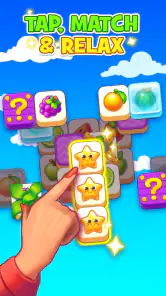
The tile concept gives the app an accessible entry point. Most players can understand the basic visual goal of clearing or arranging tiles without studying complicated rules. That makes it suitable for short breaks, especially when I want something more active than scrolling but not as demanding as a large strategy game.
At the same time, simple rules do not automatically mean shallow decisions. Tile puzzles usually reward attention, planning, and patience, and the cash framing can make mistakes feel more frustrating. I found that the best mindset is to focus on making careful moves rather than rushing because a round appears short. A quick game can still punish impulsive choices.
One useful habit is to pause before committing to a move that seems immediately attractive. I look for the move that opens the most future options instead of taking the first obvious match. That approach is valuable here because the competitive context makes every avoidable mistake more noticeable. It also keeps the experience closer to a skill-based puzzle than a frantic tapping exercise.
What playing it practically feels like
The game is free to download, which lowers the barrier to trying it. I would still read every screen carefully before entering any contest or considering a purchase. Free access and real-money positioning are not the same thing: the first describes how the app can be obtained, while the second affects how I manage my participation.
The current version is 5.0 and it requires Android 9 or later. That requirement is reasonable for many modern phones, but anyone using an older Android device should check compatibility before planning around the game. The age rating of Mature 17+ is another practical signal that this is not intended to be treated like a children’s puzzle app, particularly because of the money-related theme.
I would begin with a short, observation-first session. Rather than immediately chasing the most attractive outcome, I would watch how the game presents its rounds, how clearly it explains any entry conditions, and whether the interface makes the difference between free play and paid participation obvious. This is one of the most useful workflows for a game in this category: understand the structure before investing time or money.
The in-app purchase range runs from $1.99 to $9.99 per item. That makes budgeting especially important. I would not make a purchase simply because a round went badly, and I would avoid treating an item as a tool for fixing a losing streak. If I spend anything, it should be an amount I have already decided is entertainment money, with no expectation that the next result will repay it.
A realistic everyday scenario
Imagine I have a ten-minute break between errands. I can open the game, play a brief puzzle session, and enjoy the mental reset that comes from looking for patterns. That is the strongest everyday use case: a compact activity for someone who likes tile puzzles and does not mind a competitive cash theme.
In that situation, I would set a timer and keep the session within the break. I would also avoid starting a paid contest when I know I am distracted or in a hurry. A rushed player is more likely to miss useful moves, misunderstand a condition, or make a decision based on emotion. The short-break scenario works best when the game remains a controlled pastime rather than something that follows me through the rest of the day.
Another realistic use is comparing performance over several free sessions before spending. I can learn whether I actually enjoy the puzzle loop, whether the pace suits me, and whether the money angle adds excitement or pressure. This is a better test than assuming the promotional promise will be enough to keep the game interesting.
The tradeoff between skill, chance, and expectation
The main tradeoff is psychological. A normal puzzle lets me measure success by improvement. A money-focused puzzle encourages me to measure success by outcome. Those are not always the same. I may make a smart move and still feel disappointed if the result does not match what I hoped for, while a less thoughtful session might occasionally produce a better outcome.
That is why I would not recommend the game to someone looking for predictable earnings. The phrase “win cash” can sound more reliable than any competitive game can realistically be. Players who need certainty, steady rewards, or a guaranteed return should skip this type of app and choose a non-monetary puzzle instead.
There is also a difference between enjoying competition and enjoying pressure. Some people become more focused when a result matters. Others lose the relaxing quality of puzzle play as soon as money enters the picture. I fall somewhere in the middle: the added tension can make a short session engaging, but it also means I need firmer boundaries than I would use with a standard match game.
My clearest advice is to protect the entertainment budget before protecting the winning strategy. No tile technique can make an uncertain result dependable, and no purchase should be justified as a necessary step toward recovering earlier spending.
How it compares with ordinary puzzle alternatives
Compared with a conventional free tile-matching game, Treasure Tiles offers a more competitive reason to pay attention. The possibility of cash can make familiar mechanics feel urgent, and that may appeal to players who find ordinary level progression repetitive. The downside is that the same feature removes some of the calm, low-pressure character people often want from puzzle games.
Compared with a deeper strategy puzzle, it is likely to be easier to approach because the tile premise is immediately understandable. However, players seeking long-term planning, elaborate campaigns, or a rich world may find a dedicated strategy title more satisfying. I would choose Treasure Tiles for short competitive sessions, not for a large, story-driven gaming commitment.
Compared with other real-money game formats, the puzzle foundation may feel more approachable than card, casino-style, or highly technical competitive systems. That does not remove the need for caution. The friendliest-looking interface can still encourage poor decisions if I let the cash possibility dictate my behavior.
Small habits that improve the experience
My first practical tip is to separate learning from competing. I would spend the initial sessions understanding the tile flow and interface instead of assuming that every round should be treated as an opportunity to win money. This reduces the chance of paying to discover that the basic puzzle is not actually enjoyable.
My second tip is to keep a simple personal record of time and spending. I do not need a complicated spreadsheet; noting how often I open the app and whether purchases remain within my limit is enough. This is particularly useful because short rounds can make extended play feel harmless, even when several sessions accumulate.
My third tip is to avoid playing while tired, distracted, or emotionally frustrated. Puzzle attention declines in those situations, and the money framing can turn a small mistake into a reason to chase another attempt. Closing the app is a better decision than trying to force a better result.
A fourth useful check is to read the game’s on-screen instructions before joining anything that involves money. I would want to understand what I am entering, what the objective is, and how the result is presented. If a screen feels unclear, I would not proceed until I understand it. That habit is more valuable than searching for a supposedly secret winning pattern.
Who is most likely to enjoy it
The best audience is an adult puzzle fan who likes quick tile challenges and is comfortable treating cash competition as optional entertainment. This player should be able to enjoy the underlying game even when a session does not produce the hoped-for result. That emotional distance is more important than enthusiasm for the headline feature.
It may also suit someone who has grown bored with purely decorative rewards in casual puzzle games. The real-money angle gives the sessions a different kind of purpose, and the existing audience indicates that the format has broad appeal. Still, I would recommend trying the free experience carefully before deciding whether the competitive layer genuinely improves the game.
It is not the right choice for children, people who want a completely relaxing puzzle, or anyone under financial pressure. It is also a poor fit for players who are tempted to increase spending after losing. For those users, a standard tile game with no cash framing is the safer and more enjoyable alternative.
My conclusion after weighing the promise
Treasure Tiles: Win Cash is most successful when I view it as a tile puzzle with a high-stakes theme, not as a financial opportunity. Bear Hug Entertainment Limited has packaged a familiar kind of game around competition and the possibility of real-money rewards, which gives the format a clear identity. The free entry makes it easy to test, while the mature rating and purchase range remind me to approach it as an adult-only entertainment product.
I like the way the cash-focused capability can sharpen attention during a short puzzle session. I also think it creates the game’s biggest weakness: the pressure can overshadow the simple pleasure of solving tiles. The experience depends heavily on self-control, clear expectations, and a willingness to walk away from a disappointing round.
My recommendation is cautious but positive for the right player. Try it if you already enjoy tile puzzles, want a competitive twist, and can keep spending strictly limited. Skip it if you are seeking reliable income, child-friendly play, or a peaceful alternative to everyday stress. In the end, the strongest reason to keep it installed should be that the puzzle itself is enjoyable; the cash possibility should remain an extra, never the reason to chase one more round.
Pros
- Simple tile-matching gameplay is easy to learn and play casually.
- Short rounds make it convenient for quick breaks or commuting.
- Bright visuals and clear controls keep the interface approachable.
- Reward progress can add motivation beyond completing individual puzzles.
- Suitable for players who prefer relaxed gameplay over fast reflex challenges.
Cons
- Cash rewards may depend on eligibility
- location
- and changing offer terms.
- Reaching withdrawal requirements can take considerable time and gameplay.
- Frequent ads may interrupt sessions
- especially after completing levels.
- Some features or rewards may require optional in-app purchases.
- Internet access may be needed to track progress and process rewards.
- Category
- Puzzle
- Version
- 5.0