Garden Match: Win Cash
- 565.00
- 4.6
- Installs
- 50.00K
- Price
- Free

Screenshots

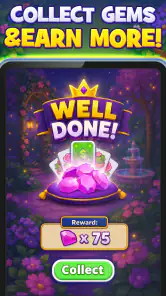
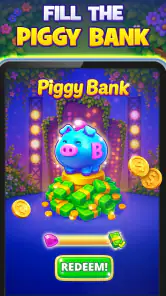
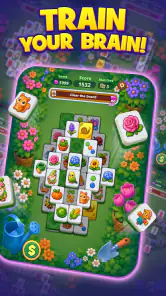
Analysis by Reviewed
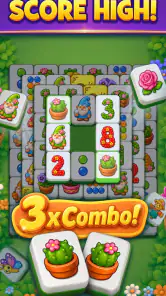
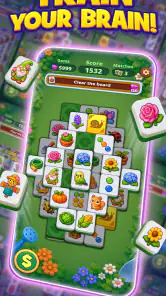
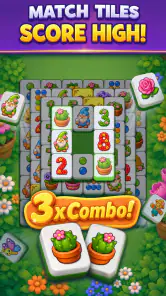
I spent time with Garden Match: Win Cash as a casual puzzle game, and my first impression was that it aims for a gentler mood than many match-style titles. The garden theme gives the board a softer personality, while the basic rhythm is easy to understand: collect tiles, clear the board, and work toward rewards. That makes it approachable when I want something I can pick up without studying a complicated rulebook.
It is a free game from Bear Hug Entertainment Limited, listed in the puzzle category for mature players. The mature 17+ rating is worth noticing before installing it, especially if you are choosing games for a shared family device. The game has attracted an average rating of 4.6 from around 15 thousand ratings, with more than 50 thousand installs, so it has already found an audience without feeling like an obscure experiment.
How Garden Match feels in everyday play
The strongest part of the experience is its low barrier to entry. I do not need a long uninterrupted session to enjoy a board. A short break, a few minutes while waiting for an appointment, or a quiet moment after dinner all suit this kind of puzzle particularly well. The visual idea of tending a garden also helps separate it from harsher, faster puzzle games that rely on intense colors and constant urgency.
The store short description calls it Garden Match, but the longer premise adds an important distinction: rewards are part of the appeal. That changes how I approach each board. I am not only looking for a pleasant distraction; I am also paying attention to the way progress and potential rewards influence my decisions. Anyone downloading it should keep that distinction in mind. It is a casual puzzle first, but the reward angle can make the outcome feel more important than an ordinary score.
In a normal daily scenario, I would use it as a controlled break rather than leave it running in the background. I might play a board during a commute pause, stop when the break ends, and return later when I have the same kind of spare time. That approach works better than treating it like a game that demands a large block of attention. The format is naturally suited to short visits, although players who dislike reward-focused mechanics may find the central motivation less appealing than a purely decorative garden game.
The pace is best judged by the board, not by the download
I would not choose this game expecting a high-speed arcade experience. Its appeal comes from examining the available tiles, spotting a useful clearing opportunity, and deciding whether to take an immediate match or wait for a better arrangement. That slower mental rhythm is a strength when I want something calming, but it can feel restrained if I am looking for constant action.
One practical habit makes the game more enjoyable: I try to scan the whole board before making the first move. The obvious match is not always the most useful one, particularly when clearing one area can expose a more valuable path elsewhere. This is a small change in routine, but it prevents the game from becoming a sequence of automatic taps. It also gives the puzzle more depth than the simple garden presentation might suggest.
The reward objective creates a second layer of pacing. A player who focuses only on clearing tiles may move quickly, while someone thinking about the best possible outcome will naturally pause more often. I prefer the second approach when the board allows it, but I would not force it on every round. If I am playing during a short break, finishing a sensible move is more important than turning every decision into a lengthy calculation.
That trade-off is central to the game’s identity. It is relaxing when I accept the board’s pace, yet less satisfying if I expect rapid progression or a constant stream of new challenges. Compared with match games built around flashy effects and immediate chain reactions, this feels more like a quiet puzzle session. Compared with a traditional offline tile game, the reward-oriented framing gives my decisions more consequence, but it may also make the experience feel less purely recreational.
What happens during longer sessions
Heavy use changes the way I evaluate a game like this. In a brief session, almost any simple puzzle can feel smooth because the mental and visual load stays low. During a longer run, repetition becomes more noticeable. I start asking whether the board decisions remain interesting, whether the reward goal continues to motivate me, and whether the garden setting is enough to keep the experience feeling fresh.
My advice is to use short sessions deliberately rather than trying to turn the game into an all-day activity. The compact puzzle format is a good match for intermittent play. If I continue for too long, the same core loop can become less engaging, especially when I am no longer making thoughtful choices and am simply tapping the first acceptable match.
There is also a useful difference between “playing more” and “playing better.” Longer sessions do not automatically improve my results. In fact, tired play can lead to careless moves because I stop checking the full board. I get more from the game when I pause after a difficult board, return with a clear head, and treat the next round as a fresh puzzle rather than an obligation to keep going.
For players concerned about resource demands, I would set expectations carefully. The available product information identifies the game as a tile-clearing puzzle and gives its supported operating-system requirement, but it does not provide technical measurements such as memory use, battery consumption, loading times, or device temperature. I would therefore avoid promising that it will be exceptionally light or that it will behave identically on every phone. A sensible approach is to test it during a normal session and notice whether your own device remains comfortable.
Reliability matters more when rewards are involved
A puzzle can tolerate a small visual imperfection more easily than a game where the player is working toward rewards. If a board takes a moment to appear, I may shrug. If progress is interrupted at a critical point, the frustration is greater because the session feels more consequential. That is why I pay closer attention to recovery than I would with a basic time-killer.
My preferred routine is simple: I avoid closing the game immediately after an important action, especially if the device is already busy with other tasks. I also try not to play when the phone is close to running out of power or when the operating system is struggling with many open apps. These are not special requirements of the game; they are practical precautions for any interactive app where preserving a completed action matters.
The current version is listed as 1, which suggests that the product is at an early point in its version history. I would interpret that as a reason to keep expectations realistic. A first listed version can still be enjoyable, but long-term polish, broader device behavior, and future refinements are things I would judge over time rather than assume in advance. The game’s rating and user activity are encouraging signs, but they do not replace personal testing on a particular phone.
If an interruption occurs, I would first reopen the game normally instead of repeatedly tapping or immediately reinstalling it. Reinstalling can be a poor first reaction for any game if local progress is involved. I would also make sure the device has enough free space for ordinary app operation and that the operating system is not waiting on a pending restart. These steps are basic, but they are more useful than blaming the puzzle itself before checking the phone.
Recovery is especially important for someone who treats the reward element seriously. I would not make a high-stakes decision while the app is visibly struggling, and I would avoid assuming that a screen transition has completed just because I tapped once. Waiting for the next screen to settle is a small habit that reduces confusion during a busy session.
Device limits and who should install it
The minimum operating-system requirement is Android 9 or later, so owners of older Android devices should check compatibility before planning around the game. That requirement is not a guarantee of identical performance across all supported phones. Two devices can run the same operating-system generation while differing considerably in available memory, processor speed, screen response, and background activity.
On a newer phone, I would expect the simple puzzle format to be less demanding than a modern three-dimensional action game, but I would still avoid presenting that as a measured technical conclusion. The game’s board-based design suggests a modest visual workload, yet actual comfort depends on the device and how the operating system manages other apps. If your phone is older, keep other heavy apps closed during play and see how it behaves rather than relying only on the operating-system label.
Screen size is another practical consideration. A larger display can make tile groups easier to inspect, while a compact phone may encourage accidental taps if the board feels crowded. That does not make a small device unusable, but it can change the balance between careful planning and finger precision. I would be more comfortable recommending it to someone who enjoys deliberate touch puzzles than to a player who wants broad gestures and dramatic movement.
The mature age rating also affects suitability. I would not hand it to a child simply because the mechanics look gentle or the setting resembles a garden. Adults should review the game in the context of their own comfort with reward-centered play. Someone who prefers games with no incentive beyond completing a level may be happier with a conventional tile puzzle, while someone curious about the possibility of real rewards may find the additional motivation worthwhile.
It is also not the right choice for every puzzle fan. If you want a story-heavy gardening simulator, this is too focused on the board-clearing loop. If you want competitive real-time play, it may feel too quiet. If you dislike situations where rewards influence your attention, a standard match-three game without that framing may be a better fit. I see it as a niche combination: a cozy tile puzzle for players willing to engage with a reward-oriented goal.
Three habits that improve the experience
First, I separate observation from action. Instead of tapping as soon as I see a possible match, I look for the move that changes the largest useful area of the board. This is especially valuable when a clearing action can reveal new tiles or create a more flexible arrangement. The garden theme may feel leisurely, but the best results still come from treating each board as a small planning exercise.
Second, I set a stopping point before beginning a longer session. I might decide to finish the current board and then take a break, rather than continuing indefinitely because the next round is immediately available. This protects the relaxing quality of the game and helps me avoid careless decisions caused by fatigue. It also makes the reward element feel like part of the game instead of a reason to keep playing past the point of enjoyment.
Third, I use the game as a focused break rather than mixing it with several demanding tasks. If I am switching rapidly between the puzzle, messages, streaming, and other apps, I am more likely to miss a board change or misread my next move. Giving it a few uninterrupted minutes makes the experience feel more stable and makes my own play more accurate, even without claiming a specific technical performance benefit.
A fourth useful distinction is between a disappointing result and a technical problem. A board that does not go the way I hoped is part of the puzzle. A frozen screen, lost progress, or unexpected interruption is a reliability concern. Keeping those experiences separate helps me decide whether I need to change my strategy, take a break, or troubleshoot the device.
My performance verdict
Garden Match: Win Cash works best when I approach it as a calm, short-session tile puzzle with an added reward motivation. Its simple premise is easy to understand, and its garden presentation gives the board a more welcoming tone than many competitive or heavily animated alternatives. The large number of installs and strong average rating suggest that the format resonates with many players, though neither figure can tell me whether it will suit my personal tolerance for repetition or reward-focused play.
From a speed perspective, I see it as a deliberate game rather than a frantic one. From a resource perspective, the board-based concept appears more modest than a visually intensive game, but I would still judge battery behavior, heat, and loading on the phone I actually use. From a reliability perspective, I would play thoughtfully around interruptions because progress and rewards make recovery more important than in a disposable time-killer.
The developer, Bear Hug Entertainment Limited, has positioned the game around a clear combination of cozy presentation, tile clearing, and real-reward appeal. That combination is its main advantage and its main limitation. It gives ordinary puzzle decisions a stronger purpose, but it also means players who want a completely pressure-free pastime may prefer a conventional alternative.
I recommend trying it if you enjoy quiet matching puzzles, like examining a board before acting, and are comfortable with a mature-rated game that includes a reward-centered objective. I would skip it if you are looking for a deep gardening simulation, a fast action game, or a purely offline-style puzzle without that extra layer. For the right player, it is an easy game to fit into everyday downtime; for everyone else, its appeal may fade once the novelty of combining a cozy garden mood with tile clearing wears off.
Pros
- Simple match-3 gameplay is easy to learn and play casually.
- Garden-themed visuals create a relaxing
- colorful atmosphere.
- Short levels suit quick sessions during breaks.
- Cash tournaments can add extra motivation for competitive players.
- Progression gives players goals beyond completing individual puzzles.
Cons
- Cash rewards may require meeting strict eligibility or withdrawal conditions.
- Some features may be limited unless you watch ads or make purchases.
- Difficulty can increase quickly
- making later levels feel frustrating.
- Real-money competitions may not be available in every country or region.
- Frequent ads can interrupt the experience
- especially between levels.

- Category
- Puzzle
- Version
- 1