Sweet Dance
- 4.46K
- 3.8
- Installs
- 1.00M
- Price
- Free

Screenshots







Analysis by Reviewed
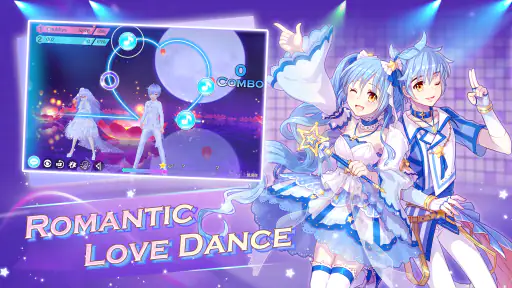
Sweet Dance is the kind of mobile rhythm game I reach for when I want something more social and visually lively than a traditional tap-to-the-beat app. I played it as a music-focused game rather than treating it like a serious dance-training tool, and that distinction matters. Its appeal comes from combining songs, timing, avatars, fashion, and online-style interaction into one bright package. The result is playful and easy to sample, although it can also feel busy when I want a calm, highly focused rhythm session.
Developed by AU Dance Studio, the game is free to download and has passed the one-million-install mark. It is rated Mature 17+, and optional purchases range from $0.99 to $99.99 per item. That pricing range makes it important to approach the game as a free starting point rather than assuming the entire experience will remain equally generous without spending. I found the basic idea easy to understand, but deciding how much time and money to put into the wider experience requires more judgment.
How Sweet Dance feels to use in everyday play
Readability and navigation in a visually crowded game
The first thing I noticed is that Sweet Dance presents itself as a complete entertainment space, not just a single song screen. Music, character presentation, customization, and social elements all compete for attention. That gives the game personality, but it also means that a new player may need a little time to understand where each activity belongs. If you prefer apps with one obvious button and a very short path to play, the opening experience may feel less direct than a minimalist rhythm game.
I recommend spending the first session exploring slowly instead of trying to understand every option at once. I found it more comfortable to identify the main route into a song, learn what the result screen shows, and only then look at the surrounding menus. This approach reduces the visual overload and makes it easier to recognize which choices affect the immediate game and which are mainly about presentation or progression.
The music-game format itself is familiar enough to provide a useful anchor. Once I was inside a performance, the goal was clearer than it was in the broader menus: watch the rhythm prompts, respond in time, and follow the song. That contrast is worth noting for players who have attention difficulties or who become tired when interfaces present too many competing choices. The performance area can feel more understandable than the lobby around it.
Text size, contrast, and visual density will not feel equally comfortable to everyone. I would not choose this game for someone who needs exceptionally large interface elements or a very restrained layout unless they have already tested it on their own device. The colorful presentation is part of the attraction, but decorative movement and layered screens can make quick scanning harder, especially when the phone is held at a distance.
On a practical level, I suggest playing with the device brightness adjusted before starting and keeping the phone in a stable position. That is not a special feature of the game; it is simply a way to make the visual prompts easier to follow. A player who constantly changes posture, switches between portrait and landscape habits, or plays while walking may find the experience less comfortable than someone seated with the screen directly in front of them.
Motor demands and sensory comfort
Sweet Dance asks for timing, visual tracking, and repeated touch input. Those demands make it engaging, but they also create clear boundaries for accessibility. A player with precise finger control and a preference for fast visual feedback may enjoy the sense of flow. Someone with tremors, limited reach, slower reaction time, or hand fatigue may find the same sequences demanding. I would treat the game as a reflex-based activity, not as a relaxing music player with occasional interaction.
One useful way to approach it is to separate performance goals from personal enjoyment. I had more fun when I stopped treating every missed input as a failure and focused on learning the rhythm pattern. That mindset can help players who are new to rhythm games, but it does not remove the underlying motor requirement. If accurate timing is difficult because of a physical condition, the game may remain frustrating even when the music and character elements are appealing.
Touchscreen play also has a physical trade-off. Tapping repeatedly on a small glass surface can be tiring during longer sessions, particularly for players who grip the phone tightly. I found shorter sessions easier on my hands and more enjoyable than trying to continue after concentration had dropped. This is a good example of an everyday adjustment that improves access without pretending the game has a dedicated low-movement mode.
The sensory side deserves equal attention. The combination of music, animation, bright colors, and changing interface elements creates energy, but it may be too stimulating for players sensitive to flashing visuals, layered motion, or loud audio. I would start with a modest volume and avoid playing in a dark room if the screen feels intense. If visual activity is a problem rather than a benefit, a simpler rhythm title with fewer decorative elements may be a better choice.
Headphones can make the beat easier to hear, but they also increase the need to control volume and surroundings. In a shared home, I would use them only if they are comfortable and safe for the situation. In public, the game is less suitable when I need to stay alert to announcements, traffic, or people nearby. The timing focus can pull attention away from the environment, even during a short session.
Playing in different situations
The most natural use case for me was a planned break at home: sit down, choose a short activity, and play with enough concentration to follow the music. It can also work during a quiet wait, provided the connection and surroundings are dependable. I would not recommend starting a demanding performance while commuting on foot, standing in a crowded vehicle, or looking after a child, because the game expects attention that those situations do not always allow.
For a player with limited energy, the game is easier to fit into daily life when treated as a small activity rather than an open-ended commitment. A few songs can provide a satisfying break without requiring a long uninterrupted session. The broader customization and social presentation may encourage returning later, but I found it healthier to decide in advance how long I wanted to play. That also helps prevent hand fatigue and reduces the temptation to make impulse purchases.
Shared play can be appealing for friends who enjoy music, avatars, and self-expression. However, the social side will not automatically be comfortable for everyone. Some players prefer private practice, avoid competitive pressure, or need time to learn controls before showing their results to others. I think the game works best when the player can choose a low-pressure personal goal, such as learning a song pattern or enjoying character styling, instead of feeling obliged to perform socially.
Device context matters too. A larger screen may make prompts and interface text easier to inspect, while a smaller phone can be more portable but less forgiving for visual tracking. Older devices may also make a visually active game feel less smooth, although I would judge that on the individual phone rather than assume identical performance everywhere. The listed minimum operating-system requirement is Android 7.0, and the current version is 23.3, so users should still check how their particular device handles the latest build before committing to long sessions.
Where the experience still creates barriers
The biggest barrier is the combination of speed and sensory density. A player can understand the rules and still struggle because the response window is demanding, the screen is busy, or the audio is difficult to separate from surrounding noise. That is not a flaw for every audience; it is part of what makes a rhythm game exciting. It does mean that Sweet Dance is not an equally comfortable recommendation for people with different visual, auditory, cognitive, or motor needs.
I also think the free-to-play structure deserves careful attention from families and from anyone who needs predictable spending. The game can be installed without an upfront charge, but optional items are priced from $0.99 to $99.99 each. I would decide on a spending limit before exploring customization, especially because fashion and collection systems can make small purchases feel harmless until they accumulate. The Mature 17+ content rating is another reason parents should not treat the game as automatically suitable for younger players simply because it is free to start.
Another limitation is the gap between visual identity and practical clarity. The fashionable presentation gives Sweet Dance its recognizable character, but it may prioritize atmosphere over immediate simplicity. Players who want a clean score-chasing tool may prefer a more focused rhythm alternative. Those who want a dance-themed social world may accept the extra layers as part of the fun. In my experience, the right choice depends less on whether someone likes music and more on whether they enjoy navigating a busy, expressive game environment.
Players who need reliable access without interruptions should also think about when and where they play. A rhythm game is difficult to enjoy if attention is repeatedly broken by notifications, noise, or an unstable connection. I found that putting the phone on a stable surface, silencing avoidable distractions, and choosing a predictable place made more difference than trying to force a session into every spare minute. These habits do not add accessibility controls, but they make the existing interaction easier to manage.
For users who are sensitive to social comparison, the safest approach is to define success personally. I would focus on improving familiarity with the timing rather than judging the experience only by scores or appearance. That makes the game more welcoming for beginners and for players who need extra practice. Still, anyone seeking a fully private, low-pressure music experience may be happier with an offline rhythm game or a music app that does not ask for performance-oriented interaction.
Who should try it, and who should skip it
I would recommend Sweet Dance to players who enjoy rhythm games but also want character presentation, fashion, and a more animated social atmosphere. It is especially suitable for someone who likes switching between playing a song and shaping a personal visual style. The game’s free entry makes sampling straightforward, and its average rating of 3.8 from around fourteen thousand ratings suggests a mixed but substantial audience rather than universal approval. I would use that figure as a reason to try it personally, not as proof that it will suit every player.
I would be more cautious recommending it to someone who wants a quiet, uncluttered interface, has strong sensitivity to visual stimulation, or needs generous timing and low-effort controls. I would also skip it for a younger child because the age rating is Mature 17+, regardless of how colorful the presentation may look. Players who dislike optional spending, social pressure, or repeated touch input may find that the game’s main attractions do not outweigh its friction.
Compared with a conventional rhythm game, Sweet Dance gives more attention to identity and presentation. Compared with a pure avatar-fashion app, it asks for more timing skill and active concentration. Compared with a music-streaming service, it is interactive rather than passive, but it is not a substitute for simply listening to a personal library. That middle position is its strongest point: it offers a music-centered activity with a game layer, not a single-purpose tool.
One practical tip is to test the game in three separate ways before deciding whether it belongs on your phone. First, try a performance when you are rested and can concentrate. Next, inspect the menus when you are not in a hurry. Finally, consider whether the visual style remains comfortable after several minutes rather than judging it from the first screen. This small test reveals more than the store summary because it checks the actual demands that shape long-term enjoyment.
My inclusive verdict
After spending time with it, I see Sweet Dance as an energetic music game with a clear personality, but not as a universally accessible rhythm experience. Its strongest qualities are the blend of music and self-expression, the approachable free starting point, and the ability to turn a short break into something more active than listening. Its weakest qualities are the busy presentation, the physical precision required by rhythm play, the potential sensory load, and the need to manage optional spending thoughtfully.
The best way to approach Sweet Dance is to treat it as a flexible entertainment game, not a one-size-fits-all accessibility solution. Adjusting the environment, taking shorter sessions, lowering the volume, and setting a purchase boundary can make it more comfortable. Those steps help, but they cannot replace features that a player may specifically need, such as unusually large controls, reduced visual motion, or highly forgiving timing.
AU Dance Studio has created something that should appeal to players who want music wrapped in a colorful, character-driven experience. With more than one million installs, it has clearly found a sizable audience, and I understand why: the combination is more expressive than a bare rhythm grid and more interactive than passive listening. My recommendation is positive for teens and adults who enjoy fast touch play and visual customization, but selective for anyone whose access needs make speed, screen density, or sensory intensity a serious concern.
If that description sounds like you, the free download makes a personal trial reasonable, provided you keep the Mature 17+ rating and in-app purchase range in mind. I would begin with a short, low-pressure session and pay attention to comfort rather than chasing progress immediately. For the right player, Sweet Dance is a lively way to connect music, timing, and personal style; for the wrong context, a simpler rhythm game will be the kinder choice.
Pros
- Large catalog of songs and dance routines to keep gameplay varied.
- Avatar customization includes fashionable outfits and stylish accessories.
- Social features make it easy to meet players and form in-game friendships.
- Regular events offer extra rewards and limited-time content.
- Runs well on many modern Android and iOS devices.
Cons
- Progress can feel slow without spending premium currency.
- Some outfits and features require purchases or lengthy grinding.
- Online matchmaking depends heavily on an active player community.
- Frequent events may feel repetitive after extended play.
- Requires a stable internet connection for most game modes.

- Category
- Music
- Version
- 23.3