SUPERSTAR WAKEONE
- 16.00
- 4.6
- Installs
- 10.00K
- Price
- Free

Screenshots
Analysis by Reviewed
I can see SUPERSTAR WAKEONE working best as a shared-household game when everyone already enjoys K-pop, but I would treat it as a personal activity rather than a communal account. Its appeal is the quick rhythm-game loop and artist-card collecting, so one person can fit in a few songs while another watches or takes a turn. For a family sharing a phone or tablet, though, I’d agree on whose profile is being used before anyone starts playing: progress and collected items are part of the individual experience, and casual turn-taking is not the same as sharing one account safely.
One phone, separate expectations
On a shared device, I’d make a simple routine: the person whose session is open plays, then hands over the device without changing account settings or spending anything. That matters because the game includes optional purchases, and card collecting can make paid items tempting for a younger player. I’d check the device’s purchase settings with the account holder rather than assume the game itself provides household controls. If several people want independent progress, their own devices and accounts are a cleaner arrangement than trying to divide one profile.
For a normal weekday, it fits a short break better than a long family gaming session. One player can pick a track, focus on the notes, and stop after a song; another can later use the same device if the household has agreed how to handle profiles and purchases. I would keep headphones nearby in a shared room, since rhythm play is more enjoyable when the music is clear without making everyone else listen to repeated attempts. It is also worth choosing a comfortable setting before passing the phone along, rather than having each person adjust things mid-session.
Making a shared session work smoothly
A useful way to coordinate turns is to decide in advance whether the device is being passed around for casual play or whether each person is expected to maintain separate progress. Those are different arrangements. A quick turn on the same open profile may be fine when everyone understands that the score and collection belong to that profile; it is not a substitute for separate player histories. If someone cares about building their own collection, I would avoid letting other household members play on that person’s session without asking first.
I would also set expectations about purchases before the first handoff, not after a card or event makes spending feel urgent. The game is free to start, but optional purchases create a practical boundary for a shared screen: whoever controls the device and its payment settings should make the rules clear. That simple conversation is more useful than assuming every player will recognize a purchase prompt as something that needs adult approval.
Immersive Gameplay with a K-Pop Twist
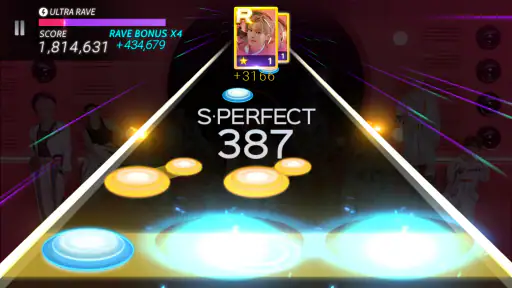
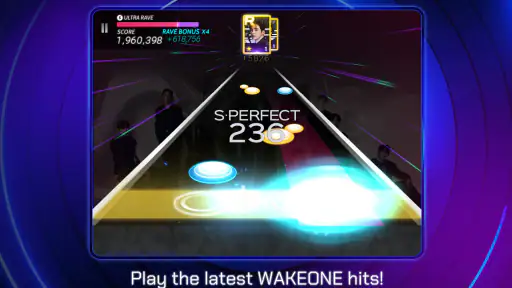
Once I launched SUPERSTAR WAKEONE, I was instantly pulled into a world where K-pop and gaming collide beautifully. The app offers a plethora of tracks from popular K-pop artists, and playing through them feels almost like being a part of a live concert. The interface is vibrant and easy to navigate, which makes the experience even more enjoyable.
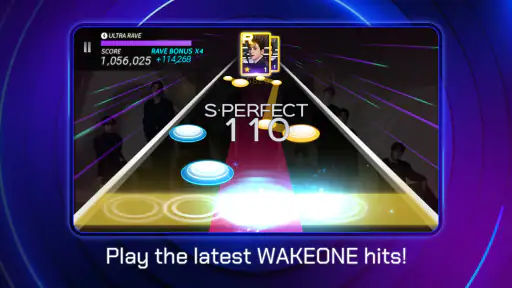
What I really love about the game is its intuitive controls. You tap, hold, and swipe to the beat, which is super satisfying, especially when you hit a perfect combo. It’s challenging enough to keep you engaged but not so difficult that it becomes frustrating. Plus, the game is generous with rewards, so you're constantly motivated to keep playing and improving.
More From Our News Desk

Clash of Clans Is Won Between the Battles

Android Auto Makes the Case for Quieter Car Software

MobiOffice: Transforming Mobile Productivity with Seamless Integration

EA SPORTS FC™ Mobile Soccer: Redefining Mobile Sports Gaming

How Microsoft OneDrive Became a Mobile Productivity Giant

How Google Translate Breaks Language Barriers Effortlessly
Features That Keep You Hooked
One of the standout features of the game is its extensive song library. It’s updated regularly, so there's always something new to look forward to. Whether you're a die-hard fan of a specific group or someone who loves exploring new music, this app has you covered.
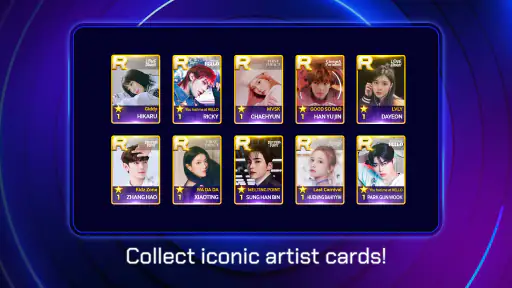
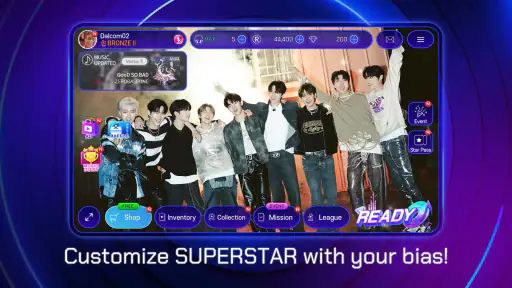
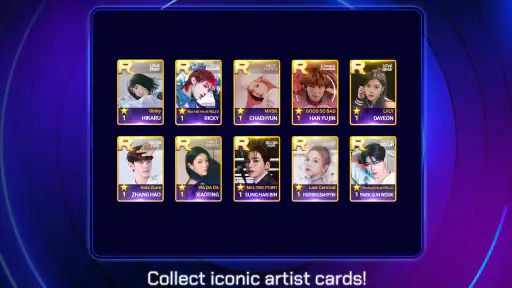
Another cool feature is the customization options. You can collect and upgrade cards of your favorite artists, which is a neat way to engage with the game beyond just playing the songs. It adds a layer of depth and replayability, as you strive to collect all the cards and upgrade them to their maximum potential.
Making progress without turning it into a chore
My practical tip is to treat the card system as a bonus, not a checklist. If you mainly want to play songs, enjoy the tracks first and let collecting follow naturally; chasing every card can shift the focus from music to repeated grinding. When a song feels difficult, replaying it to learn where taps, holds, and swipes fall is more useful than rushing through attempts just to build a collection. That small change makes the game friendlier for casual sessions and helps keep missed notes from becoming a reason to spend.
Compared with a general rhythm game built around a broad mix of genres, this one has a narrower, more personal draw: its connection to ZB1 and Kep1er is the point, not a limitation to overlook. That focus will suit fans who want their play sessions centered on those artists. If you want a wide-ranging music library, a more neutral arcade feel, or a game that does not tie collection progress to particular performers, a different rhythm title may be a better fit. I’d also skip it if card collection and repeat play sound more like chores than motivation.
Choosing the right kind of session
For a player who is new to rhythm games, I would approach each track as a small practice exercise rather than judge the whole game by one rough attempt. Tapping, holding, and swiping ask for different timing, so it can take a few tries to feel comfortable moving between them. A short session on a familiar song is a better starting point than repeatedly restarting a challenging one. This gives a new player a chance to learn the controls without turning a shared evening into a long coaching session.
For experienced rhythm-game players, the appeal is more specific: the artist connection and card progression add a fan-focused reason to return, while the rhythm play remains the central activity. Someone who mainly wants score chasing may enjoy refining timing, but a player who expects a large cross-genre catalog could find the focus restrictive. I would choose a general music rhythm game instead when discovering unfamiliar genres matters more than playing around ZB1 and Kep1er.
Social and Competitive Elements
SUPERSTAR WAKEONE also brings a social aspect to the table. You can compete with friends or players worldwide, which adds a competitive edge to the gameplay. The leaderboards are a fun way to see where you stand and push you to improve your skills.
Moreover, the game hosts regular events and challenges that keep the community engaged. Participating in these events not only gives you a chance to win exclusive rewards but also helps you connect with other fans, making the experience more enriching and fun.
Keeping competition enjoyable at home
In a household, I would treat leaderboards and challenges as optional reasons to play, not as a score everyone has to beat. That keeps a casual player from feeling that they need to match a more experienced sibling or friend before they can enjoy a song. If people do compare results, it is more encouraging to focus on improving one person’s own timing than to turn each handoff into a contest over whose profile is better.
Events can also shape when someone wants to play, so a shared-device routine should leave room for different priorities. One player may want a quick song, while another cares more about a challenge or the cards connected to their progress. Agreeing on a fair turn length avoids the awkward assumption that whoever opens the game gets unlimited time. I would keep the arrangement simple: take turns, respect the active profile, and do not let event pressure decide household spending.
Age, cost, and trust in a shared home
The game is rated Everyone, which can help when deciding whether its general content suits a household, but I would not treat an age rating as a substitute for adult guidance around spending or screen time. It is free to start, while optional in-app purchases range from $0.99 to $89.99 per item, so a parent or device owner should make purchase expectations clear before handing over a shared screen. The average rating is 4.6 from around 1.3 thousand ratings, and it has over 10 thousand installs; those figures suggest an active audience, not a guarantee that every player will enjoy its particular artist focus.
It was released on December 2, 2024, and version 3.21.2 requires Android 7.0 or later. Dalcomsoft, Inc. develops the game. Those details are useful when checking whether an older household phone can run it, but the real decision is whether the device owner is comfortable letting others use the same app profile. I’d keep account access and any payment method under the adult’s control, especially if children are taking turns.
Setting expectations for younger players
The Everyone rating makes the game easier to consider for a mixed-age household, but I would still make the decision based on the child and the way the family handles optional purchases. The rhythm play may be straightforward to understand, while the combination of cards, rewards, and repeat attempts can encourage a player to keep going. For younger children, I would agree on when play ends and make clear that a purchase prompt is not permission to buy.
For parents, the key question is not only whether the game is suitable to open, but whether a child will be using an adult’s device profile. I would keep payment access with the adult and stay nearby when a child is learning how the game’s collection side works. That is a household boundary rather than a claim about a particular in-game family setting. If a child is likely to tap through prompts without asking, I would wait until the device’s purchase arrangements are under adult control before sharing it.
Who will enjoy it most
I’d recommend it to ZB1 or Kep1er fans who like tapping along, improving timing, and collecting artist cards at their own pace. It is also a reasonable pick for someone who wants short music-game sessions rather than a story campaign that demands long stretches of attention. In a household, it can work as a turn-taking game if players respect account boundaries and understand that purchases are optional.
It is less suitable for a group expecting a fully shared family game with separate progress for every person, or for anyone looking for a broad catalog outside its featured artists. The music focus is a genuine strength for fans, but it also defines the limits of the experience. If the household has very different tastes, taking turns may not be enough to make the game appealing to everyone.
When I would choose another game
I would skip this one if the household wants a game that naturally supports several players taking part together on one screen. Its appeal is built around individual rhythm play and personal collecting, so watching someone else’s turn is not the same as a shared multiplayer session. I would also look elsewhere if a child needs a fully separate progression space on a device that everyone uses, or if the family wants music from a much wider range of artists.
On the other hand, it makes sense for a fan who wants a familiar artist focus and likes having a reason to return to songs. It can suit a quiet commute, a short wait, or a brief break at home, provided the player has a comfortable way to listen and can use their own profile or a clearly agreed shared one. I would keep the choice tied to that specific interest rather than assume that every K-pop fan wants the same kind of rhythm game.
In conclusion, SUPERSTAR WAKEONE is a must-try for anyone who loves rhythm games or K-pop. Its immersive gameplay, extensive song library, and engaging social features make it a standout app that keeps you coming back for more. Whether you’re playing casually or aiming to top the leaderboards, this app offers something for everyone. So, put on your headphones, tap to the beat, and let the music take you away!
SUPERSTAR WAKEONE Frequently Asked Questions
Is SUPERSTAR WAKEONE suitable for someone who has never played a rhythm game?
Yes. SUPERSTAR WAKEONE is a music rhythm game built around tapping and swiping along with songs, so new players can start by learning the timing and gradually work toward more challenging play. Its focus on ZB1 and Kep1er may also appeal to fans who want to enjoy their music while collecting cards. The game is rated for Everyone.
What is SUPERSTAR WAKEONE and what does it offer?
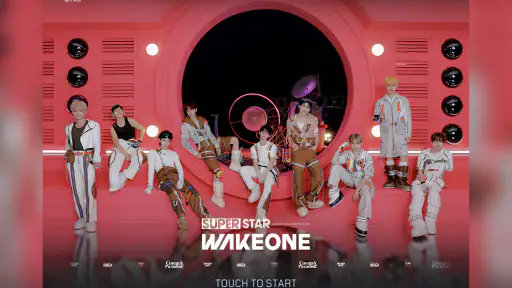
SUPERSTAR WAKEONE is a rhythm game that allows players to enjoy music tracks from popular K-Pop artists. It offers a dynamic and engaging experience where fans can tap and swipe to the rhythm of their favorite songs. The game includes various difficulty levels, online rankings, and collectible cards featuring artists, making it a must-try for music enthusiasts. Its store summary highlights special moments with ZB1 and Kep1er, alongside rhythm gameplay and card collecting.
Is SUPERSTAR WAKEONE free to play, or does it require in-app purchases?
SUPERSTAR WAKEONE is free to download and play. However, it offers in-app purchases for various items such as premium cards, additional songs, and customization options. While the game is enjoyable without spending money, these purchases can enhance the gaming experience by unlocking exclusive content and features. Purchases are optional, and listed item prices range from $0.99 to $89.99, so check the purchase details before confirming anything.
What are the device requirements for playing SUPERSTAR WAKEONE?
To play SUPERSTAR WAKEONE, you need a compatible device and a stable internet connection for connected features. The current version is 3.21.2, and the minimum Android operating system is 7.0. The game requires a stable internet connection to download songs and updates. Make sure your device has enough storage space and a decent amount of RAM to ensure smooth gameplay without any lags.
How does the ranking system work in SUPERSTAR WAKEONE?
The ranking system in SUPERSTAR WAKEONE is based on player performance in completing songs. Players earn points based on their accuracy and timing when hitting notes. These points accumulate to determine their rank both locally and globally. Competing against other players' scores adds a competitive edge, encouraging users to improve their skills and achieve higher rankings.
Pros
- User-friendly interface
- Wide variety of songs
- Engaging visuals
- Smooth performance
- Interactive features
Cons
- In-app purchases required
- Limited free content
- Occasional ads
- Requires internet connection
- High battery usage

- Category
- Music
- Version
- 3.21.2