Stickman vs Monster: Idle RPG
- 135.00
- 4.9
- Installs
- 1.00M
- Price
- Free

Screenshots




Analysis by Reviewed
I’d be more inclined to treat Stickman vs Monster: Idle RPG as a shared-device game in short turns than as something everyone in a household plays together. Its idle battles make it easy to check in, make a few decisions, and hand the phone back without needing a long, uninterrupted session. That suits a quiet moment after dinner or a wait between errands, especially when one person enjoys choosing upgrades and another simply wants to watch the stickmen take on monsters.
Sharing a device without sharing every decision
On a family tablet or a phone passed between siblings, the main practical question is who gets to make progression choices. The game’s appeal includes upgrading heroes, choosing weapons, and arranging formations, so a quick handoff can turn into a debate over the next move. I’d agree on a simple turn-taking routine before opening it: one person can collect the current progress and inspect options, while the next gets to choose an upgrade or formation change. That keeps the game cooperative at home even when its play itself is not a shared-screen activity.
There is also a useful distinction between watching and managing. A younger child may enjoy the comic stickman-versus-monster action without wanting to handle the planning, while an older player can take responsibility for choices. If the device is shared, it is worth deciding whether everyone is comfortable changing the same game state. I would not assume that separate household members automatically get separate progress; treat it as one shared play space unless you have confirmed otherwise on your device.
Small sessions, deliberate choices
A realistic routine is to open the game during a short break, check how the current team is doing, and spend the active part of the session on a decision rather than leaving it running as background entertainment. Idle RPGs can make progress feel effortless, but the more satisfying part here is deciding how to strengthen the fighters and prepare for the next encounter. My tip is to avoid tapping through every choice just to move faster. Pause long enough to compare the available options, then make one change and see whether it improves the next stretch of play.
That approach also helps when more than one person takes turns. Before handing over the device, say what you changed and why; otherwise the next player may replace a formation or weapon choice without knowing the reasoning behind it. This is a small bit of coordination, but it makes the strategy feel more intentional and prevents shared play from becoming a sequence of unexplained taps.
Age, spending, and expectations
Fansipan Limited’s role-playing game is free to start and is rated Everyone 10+. It also offers in-app purchases, with items ranging from $1.49 to $99.99, so I’d set a clear household rule about purchases before letting a child play on a device connected to a payment method. The age rating is a useful starting point, not a substitute for an adult deciding whether the game’s battles, progression, and spending prompts suit a particular child. I’d also keep the distinction clear: a free download does not mean every optional purchase is free.
Choosing who gets the next turn
One small household rule can make this kind of game easier to share: separate the person who reviews choices from the person who commits to them. The first player can point out the available hero, weapon, or formation options, and the next can make the final selection. That gives younger or less experienced players a chance to learn what the decisions mean without turning every handoff into a race to tap first.
More From Our News Desk

Clash of Clans Is Won Between the Battles

Android Auto Makes the Case for Quieter Car Software

MobiOffice: Transforming Mobile Productivity with Seamless Integration

EA SPORTS FC™ Mobile Soccer: Redefining Mobile Sports Gaming

How Microsoft OneDrive Became a Mobile Productivity Giant

How Google Translate Breaks Language Barriers Effortlessly
I would also keep a simple verbal note of the last change—something like “we adjusted the formation, so let’s watch the next stretch before changing anything else.” It is not a game feature, just a way to make shared play less chaotic. The trade-off is that this routine works only when everyone is willing to respect a shared plan; a player who wants complete control over every choice will likely be happier playing on a personal device.
The World of Stickmen and Monsters
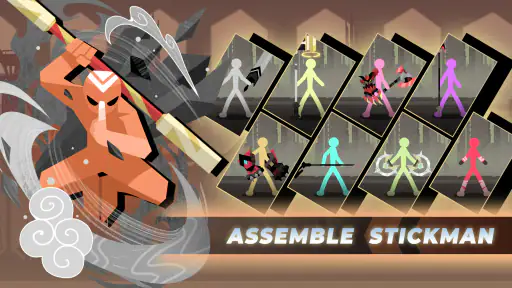
The moment you launch Stickman vs Monster: Idle RPG, you're thrown into a quirky universe where stickmen warriors face off against a variety of monsters. The graphics might be simple, but they are charmingly so. The stickmen are equipped with an array of weapons, each more amusing than the last. You’ll find yourself chuckling at the creativity that the developers have injected into these characters. It’s not just about fighting; it’s about doing it with style.
Gameplay Mechanics
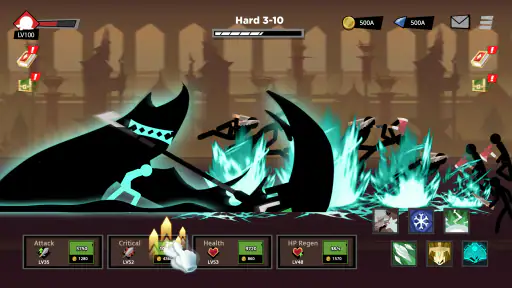
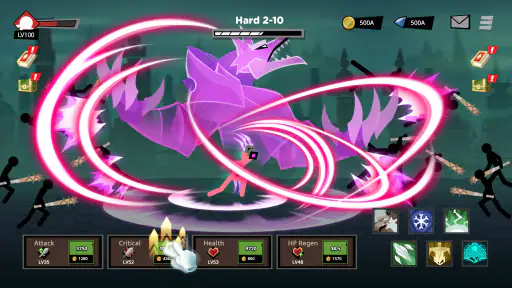
Diving into the gameplay, it's clear that this isn't your average idle RPG. Sure, it has the auto-battle feature that lets your stickmen fight while you kick back, but there's also a strategic layer that keeps you engaged. You need to upgrade your heroes, choose the right weapons, and strategize your formations to outsmart the monster hordes. It's like chess, but with more explosions and fewer grandmasters.
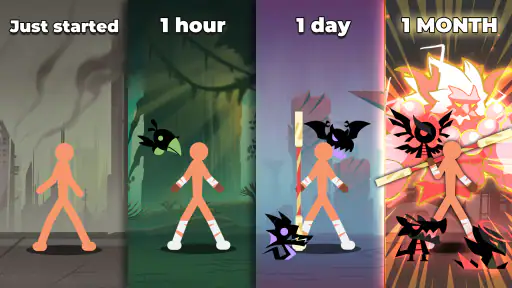
The progression system is gratifying. Each victory against a monster feels like a small triumph as you watch your stickmen grow stronger. The game doesn't rush you; instead, it encourages you to savor each battle and strategize for the next. It's a game of patience and planning, and I must say, it's quite addictive.
What kind of RPG player will enjoy it?
For someone choosing among the usual role-playing options, the distinction I notice is pacing. A traditional action RPG asks me to steer each fight moment by moment; this one leaves room for battles to run automatically and puts more weight on preparation and upgrades. That makes it a better fit for casual check-ins than for players who want precise controls, demanding combat, or a story that takes center stage. If you want to actively dodge and time every attack, I’d pick a more hands-on RPG instead.
It can also work as a low-pressure introduction to RPG decisions: compare a weapon, strengthen a fighter, and watch the result without needing to master a complicated control scheme. The trade-off is that automation can make repeated encounters feel less involving once the novelty wears off. I’d use the strategic choices as the reason to return, rather than expecting every battle animation to feel like a new challenge.
Making a short session count
For a practical everyday use, I’d treat a commute wait, lunch break, or a few minutes before bed as a chance to check the team and make one considered adjustment. That suits the game better than trying to squeeze in a long session when I cannot pay attention to the choices. If I have only a moment, I can watch the current fighting and leave bigger decisions for when I have enough time to compare the options instead of tapping in a hurry.
That distinction matters because “idle” does not mean every part of play is equally satisfying while distracted. The automatic battles reduce the need to steer each moment, but equipment and formation choices still reward a little thought. I would avoid making an upgrade while someone is talking to me or while handing the phone between children; a rushed choice can make the next player feel that progress was changed without their input.
How I’d make progress feel less random
When several upgrade choices compete for attention, I’d focus on one clear goal at a time instead of spreading resources across every option just because it is available. For example, if a formation is struggling, first consider whether changing its arrangement addresses the problem before spending on a weapon or hero upgrade. This is not a guaranteed winning formula; it is a way to learn what each decision changes and avoid making several adjustments at once without knowing which one helped.
Another practical habit is to use short play sessions to review progress, then save more attention for moments when a choice actually matters. That is where an idle format is convenient: the game can suit brief breaks, while the player still has something to think about when returning. It is less suitable if you want a game that rewards constant concentration or if you find waiting between active decisions frustrating.
Reading the results of a change
A useful way to learn the game’s rhythm is to change only one part of the setup before judging what happened. If I alter a formation and also replace a weapon at the same time, it becomes harder to tell which decision affected the next run of battles. Making one adjustment, watching for a while, and then deciding whether to keep it is slower than changing everything at once, but it gives each choice a clearer purpose.
This approach is especially helpful for players new to idle RPGs, where the action can continue without constant input and make cause and effect feel less obvious. It also gives a shared-device group a fairer way to discuss strategy: everyone can see what the last choice was meant to test before suggesting another one. I would not expect every adjustment to produce an obvious result immediately, so patience is part of the appeal as well as a limitation.
How the social side fits a household
One of the highlights of Stickman vs Monster: Idle RPG is the interactive community. There are guilds to join, allowing you to team up with other players and tackle bigger challenges together. The social aspect adds a layer of depth and camaraderie to the game that I didn't expect to find in a stickman universe. Plus, there's always someone online to chat with about strategies or just share a laugh over the ridiculousness of a particular monster design.
For a household, guild play is better treated as an individual commitment than as a casual family feature. If one person joins, the rest do not automatically need to participate; agree who will manage that player’s activity and avoid promising that everyone can contribute on the same account at once. The social element may be a plus for someone who likes discussing tactics, but a player who wants a completely solitary RPG may prefer an offline-feeling alternative without community interaction.
Moreover, the developers frequently update the game with new events and challenges, keeping the content fresh and exciting. It's evident that they are committed to providing a vibrant and evolving experience for their players.
Keeping expectations realistic
The game’s mix of automatic combat and tactical choices occupies a specific middle ground. It is more involved than a simple game that asks for a quick tap and offers no meaningful preparation, but it does not ask for the continuous attention I expect from a more action-heavy RPG. That makes it a sensible choice for someone who enjoys checking in and tuning a team, but a poor substitute for a role-playing game built around exploration, character dialogue, or precise combat.
I would also be cautious about assuming that a guild turns a shared household session into a coordinated team activity. The social layer can give an individual player a reason to discuss strategy, yet household members still need to decide who is managing the game and its progress. If the appeal for your family depends on everyone having independent characters or taking part at the same time, this is not the assumption I would build a purchase—or a routine—around.
Practical details before you install
The game is free, has reached over a million installs, and holds a 4.9 average from around 11,000 ratings. It was released on January 6, 2025, and version 2.0.03 requires Android 9 or later. Those details make it easier to judge whether it suits your device and expectations, but popularity alone cannot tell you whether its mix of idle combat and planning is your style. I’d try it if that loop sounds appealing, while keeping the optional purchases in mind from the start.
If you are deciding whether it belongs on a shared device, I’d ask three practical questions: will players take turns making upgrades, is the age rating suitable for the child who will use it, and is everyone clear about in-app spending? If those boundaries are settled, the game can be an easy drop-in pastime. If you need distinct personal progress for several family members, or prefer a fully controlled action RPG, I’d choose a different option rather than assume this one will meet those needs.
Final Thoughts
In conclusion, Stickman vs Monster: Idle RPG is a delightful mix of strategy, humor, and community interaction. Whether you're a seasoned gamer or someone looking for a light-hearted distraction, this game offers something for everyone. The stick figures might be simple, but the fun is anything but. So, if you're ready for some strategic stickman shenanigans, give it a try. Who knew stick figures could be this much fun?
My household verdict is that it works best when everyone understands it as a light, turn-based-on-the-device diversion, not a shared campaign with separate personal boundaries. I’d recommend it to players who enjoy letting battles unfold while making occasional tactical choices, and to families comfortable with managing purchases and shared progress together. I’d skip it for anyone who needs hands-on combat, independent profiles, or a strictly solitary experience. With those expectations in place, its blend of comic fights and small planning decisions makes for an approachable game to pass around.
A final household check
Before adding it to a family device, I’d have the person who will manage purchases and shared progress try a short session first. That gives them a chance to see whether the pacing suits the household and whether children are content to watch as well as make choices. It is a low-effort way to decide if the game’s particular balance of idle fighting and planning fits your routine, rather than relying on the fact that it is free to download or well liked.
My recommendation is strongest for a player who enjoys small, deliberate improvements and does not mind that the action itself is partly automated. It is weaker for anyone who wants uninterrupted control, separate household play spaces, or an RPG whose main draw is a carefully told story. Those are not minor preferences here; they determine whether the game feels relaxing or passive. If your expectations match its short-session rhythm, it can be an easy game to share without turning every play session into a household event.
Stickman vs Monster: Idle RPG Frequently Asked Questions
Is Stickman vs Monster: Idle RPG free to download, and what should I know about spending?
Stickman vs Monster: Idle RPG is free to download, so you can try its stickman battles and idle role-playing progression without paying upfront. The game also offers optional in-app purchases, with prices ranging from $1.49 to $99.99 per item. Those purchases may appeal if you want to buy available in-game content, but you can decide whether spending fits your play style.
Who develops Stickman vs Monster: Idle RPG, and is it an established game?
Fansipan Limited is the developer of Stickman vs Monster: Idle RPG, a role-playing game that has attracted over 1 million installs. Its average rating is 4.9 from around 11,000 ratings, offering prospective players a useful snapshot of its reception. These figures can help with deciding whether to give it a try, though personal enjoyment will depend on how much you like idle progression and stickman-versus-monster combat.
What is Stickman vs Monster: Idle RPG?
Stickman vs Monster: Idle RPG is an engaging mobile game where players immerse themselves in a world filled with stickman heroes battling against various monsters. The game combines elements of role-playing and idle gaming, allowing players to progress through levels, collect resources, and upgrade their characters even when not actively playing. It offers a unique blend of strategy and casual gaming, making it ideal for players looking for both action and convenience.
What are the key features of Stickman vs Monster: Idle RPG?
Stickman vs Monster: Idle RPG boasts several key features that enhance the gaming experience. These include a wide range of customizable stickman characters, numerous challenging levels filled with diverse monsters, and a dynamic combat system. Players can also enjoy an idle progression system that ensures continuous game advancement, even when offline. Additionally, the game offers regular updates with new content, keeping the gameplay fresh and engaging.
Does Stickman vs Monster: Idle RPG offer in-app purchases?
Yes, Stickman vs Monster: Idle RPG includes in-app purchases. These allow players to buy various in-game items and resources that can enhance gameplay, such as character upgrades, special weapons, and other premium content. While purchases can provide a boost, they are entirely optional, and players can still enjoy and progress through the game without spending money. It's designed to cater to both paying and non-paying users.
Pros
- Engaging gameplay with strategic elements.
- Unique stickman characters to unlock.
- Idle mechanics for casual play.
- Smooth and intuitive user interface.
- Frequent updates and new content.
Cons
- Repetitive gameplay over time.
- Limited customization options.
- Ads can be intrusive.
- Requires internet connection.
- In-app purchases for faster progress.

- Category
- Role Playing
- Version
- 2.0.03