Epic Stickman: Idle RPG War
- 1.34K
- 4.8
- Installs
- 1.00M
- Price
- Free

Screenshots




Analysis by Reviewed
If you’ve ever wanted to dive into a world where stick figures are the ultimate warriors, then Epic Stickman: Idle RPG War is a game you might want to check out. This app brings a unique twist to the idle RPG genre, offering a mix of strategic planning and laid-back gameplay. Let’s dive into what makes this game tick and why it might just be your next mobile obsession.
What to expect from its idle battles
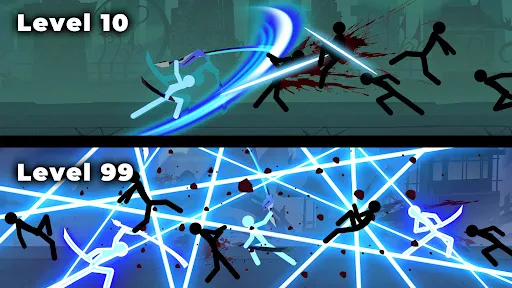
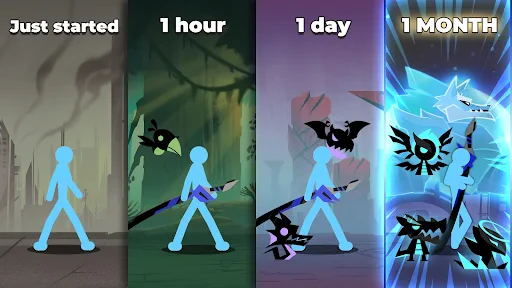
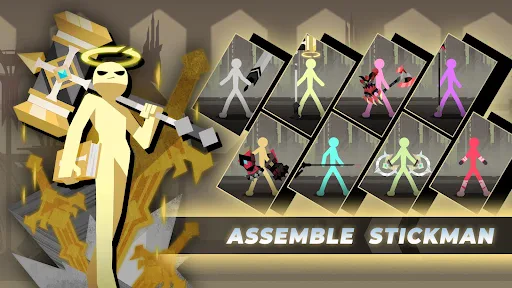
At its core, Epic Stickman: Idle RPG War is all about building your ultimate team of stickman warriors. You start with a few basic fighters, and as you progress, you unlock more powerful characters. The best part? The game plays itself when you’re not around! That’s right—your stickman army continues to battle foes and earn rewards even when you’re off doing something else. It’s perfect for those of us who love to game but don’t always have the time to be glued to our screens.
That loop is most useful when you want a game that can fit between other tasks rather than demand a long, uninterrupted session. I’d treat idle progress as a way to keep a team moving, not as a promise that every decision can be ignored. When I return, the satisfying part is having another chance to decide where to put attention, rather than needing to remember a complicated sequence of actions.
Getting started without overthinking it
The game is a free adventure RPG from Fansipan Limited, with a Teen content rating. It was released on July 2, 2024, and version 1.0.23 is the current version. It has a 4.8 average from around 62,000 ratings and over one million installs. Those figures suggest a sizeable audience, but they are not a substitute for deciding whether an idle battle game suits your tastes. I’d begin by learning the basic rhythm of choosing a class, sending your fighters into combat, and seeing what the game asks you to improve next, instead of trying to optimize everything immediately.
One practical first-session habit is to pause before spending upgrade resources. Compare what the game presents as your immediate bottleneck with the role your current team seems to lack. Improving the most visible fighter may feel rewarding, but a balanced choice can be more useful if progress is slowing because the team needs a different contribution. Treat early upgrades as experiments: notice what changes, then use that observation to guide the next choice.
Gameplay that’s Both Relaxing and Engaging
For a first meaningful success, I’d aim for a small, clear goal: get the opening team into a stronger position and make it through a battle that previously stalled. That gives you a concrete way to judge whether your choices helped. If progress feels slow, changing one upgrade decision at a time makes it easier to learn what matters than spending resources in several directions and guessing afterward. The game’s idle format is forgiving of short visits, but it still feels better when I return with a specific next step in mind.
Strategy Meets Simplicity
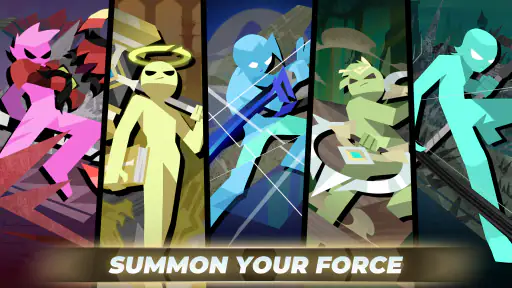
While the gameplay mechanics are simple, the strategy involved in building your team is anything but. You’ll need to carefully select which warriors to upgrade and when, balancing immediate needs with long-term goals. It’s a delightful challenge that keeps you coming back for more, as you tweak your strategy to perfection. Plus, the animations and graphics, though minimalist, add a quirky charm that enhances the overall experience.
More From Our News Desk

Weather by Xiaomi Review: Clear at a Glance, Less Clear Up Close

X Under Pressure: Can It Recover When Posting Goes Wrong?

Clash of Clans Is Won Between the Battles

Android Auto Makes the Case for Quieter Car Software

MobiOffice: Transforming Mobile Productivity with Seamless Integration

EA SPORTS FC™ Mobile Soccer: Redefining Mobile Sports Gaming
One aspect I particularly enjoy is the variety of characters. Each stickman warrior comes with unique abilities and traits, which means there’s always something new to discover. Whether you’re a fan of ranged attackers or prefer the brute strength of melee fighters, there’s a stickman for you.
A useful trade-off is that this simplicity keeps the game approachable, while the team-building choices provide a reason to pay attention. It won’t necessarily satisfy someone who wants a hands-on action RPG with constant movement and precise combat input. I’d choose a more active adventure game if the pleasure comes from controlling every hit; I’d choose this one when I want character choices and battle progress without needing to supervise every moment.
Making the idle rhythm work in everyday life
For example, I can imagine checking in during a short break, reviewing how the team has progressed, and making one considered upgrade before returning to the day. That’s a better fit than opening it while expecting a complete story session or a long stretch of focused play. The idle structure makes brief visits practical, but the most useful routine is to decide what to check before opening the game: team strength, a current obstacle, or a character choice. That keeps a quick session from turning into aimless tapping.
A common point of confusion with idle RPGs is how much to rely on automatic progress. I wouldn’t assume that leaving the game alone will solve every obstacle; when the team stops advancing, that is a cue to inspect your choices rather than simply wait longer. Nor would I spend money just to test whether the game becomes more enjoyable. It is free to start, while optional in-app purchases range from $1.49 to $99.99 per item, so I’d first see whether the basic loop holds my interest and set a personal spending limit before considering any purchase.
Community and Competition
Another standout feature is the game’s community aspect. You can join clans, participate in clan wars, and even compete in global leaderboards. This not only adds a competitive edge but also a social element that enriches the gameplay. It’s fun to connect with other players, share strategies, and celebrate victories together.
That social layer is a reason to try it if shared goals make a game more engaging for you. It may be less appealing if you prefer a solitary experience or dislike feeling that you need to keep pace with other players. I’d first enjoy the basic team-building loop on its own, then decide whether clan activity and rankings add fun or turn a relaxed game into another obligation.
Moreover, the developers seem committed to keeping the game fresh with regular updates and new content. This ensures that there’s always something new to look forward to, preventing the dreaded mid-game lull that can plague idle games.
Who will enjoy it—and who may want another kind of RPG
I’d recommend it to someone who likes watching a team develop, making occasional tactical decisions, and fitting play into spare minutes. It is also a reasonable entry point for a newcomer who finds complex RPG menus intimidating, since the central idea—build a stickman team and improve it—is easy to grasp. Someone seeking a deep narrative, constant manual combat, or a game that never asks for patience may be happier with a more story-led or action-focused alternative. The key question is whether gradual progress feels satisfying to you.
The game is free, but the presence of purchase options means it is worth being deliberate if you share a device or have a spending budget to manage. I’d check the purchase prompt carefully before confirming anything and keep play focused on choices that are enjoyable without paying. That approach also makes it easier to tell whether you genuinely like the strategy or are reacting to a desire to speed up progress.
What I’d do next
Once the opening routine feels familiar, I’d set a simple next goal: identify which fighter or team decision is helping most, then test one change rather than rebuilding everything at once. If that makes battles feel more manageable, keep refining the approach; if the loop still feels repetitive, that is useful information too. There’s no need to turn every idle reward into a long session. A few purposeful check-ins can be enough to find out whether the game’s relaxed pace fits your routine.
Choosing it over other mobile RPGs
When I compare this with the usual mobile RPG choices, I see its appeal as a middle ground: it offers more team decisions than a game that is almost entirely passive, but asks for less moment-to-moment input than an action RPG. That distinction matters more than the stickman look. If I have only a few minutes and still want to feel involved, checking a formation or choosing an improvement gives the visit a purpose. If I have time for a longer session and want to aim, dodge, or control each encounter myself, I’d open a more hands-on game instead.
It is also worth being realistic about what “idle” means for your own routine. Automatic battles can make short sessions convenient, but the game’s appeal still depends on wanting to return and make choices. I wouldn’t install it expecting a background activity that never needs attention, nor would I expect every return to deliver a dramatic breakthrough. A better expectation is gradual team development with occasional moments where a thoughtful adjustment helps clear a sticking point.
A low-pressure way to test the fit
For a first-time player, I’d use the opening stretch as a taste test rather than a commitment. Learn what choosing a class means in practice, pay attention to the team the game gives you, and notice whether its battles are satisfying to watch as well as manage. Then ask yourself a simple question: do I enjoy deciding how to improve this group, or am I only waiting for rewards to accumulate? If the decisions are fun, the idle pacing can make the game a comfortable regular check-in. If they feel like chores, more time may not change the basic appeal.
A practical way to keep that test fair is to avoid changing several things at once. When you make one upgrade and see a different result, you can connect the choice to what happened; when you alter the whole team at once, it is harder to tell what helped. This is a small habit, but it gives a newcomer a clearer sense of progress without requiring detailed spreadsheets or a perfect strategy. I find that kind of simple comparison more useful than chasing an ideal build before I understand the game’s rhythm.
Playing at your own pace
The right cadence will depend on whether you enjoy frequent small check-ins or prefer fewer, longer play sessions. I’d fit it around moments that already have a natural pause, such as waiting for an appointment or taking a break between tasks, rather than letting the game interrupt something that needs focus. That makes its automatic combat a convenience instead of a reason to keep checking a screen. If you share a phone or manage screen time carefully, a deliberate visit with a clear stopping point is a better plan than leaving the game open out of habit.
For younger players and families, the Teen rating is useful context, but I’d still look at the purchase prompts together if spending needs to be supervised. The free entry point makes it straightforward to try the core experience, while the in-app purchase range is broad enough that a household should agree on a rule before anyone taps through a payment screen. I would not treat purchases as a necessary first step. First decide whether the team-building loop is enjoyable on its own, then make any spending choice calmly rather than in response to a stalled battle.
What to do when progress slows
If a fight becomes a wall, I’d resist the impulse to repeat the same action without looking at the team. Check which fighter seems to be doing useful work, identify whether a different role might help, and change only one part of the plan before judging the result. If the game gives you a choice between improving an existing warrior and pursuing another option, compare the immediate effect with what your team is currently missing. This approach won’t guarantee a quick win, but it makes a setback informative instead of merely frustrating.
There is a trade-off here: a player who enjoys experimenting can find these pauses satisfying, while someone who wants the game to choose every improvement may find them tedious. The minimalist presentation keeps the action easy to follow, but it also means the pleasure is less about spectacle than about seeing a team gradually become more capable. I’d recommend it most to players who like noticing small changes in a roster, not to someone who needs every battle to feel like a dramatic set piece.
In conclusion, Epic Stickman: Idle RPG War is a delightful blend of strategy, community, and idle gaming fun. Whether you’re a die-hard RPG fan or someone looking for a casual game to enjoy in your downtime, this app has something to offer. So why not give it a try? Your stickman army awaits!
Epic Stickman: Idle RPG War Frequently Asked Questions
Can I play Epic Stickman: Idle RPG War in short sessions?
The game’s idle RPG setup is suited to players who want progress without needing to stay in every battle. You can check in to collect rewards and work on your team, then return to other activities. That makes it a potentially convenient choice for short play sessions, though the appeal still depends on whether you enjoy gradual character development and stickman combat.
Who developed Epic Stickman: Idle RPG War, and when was it released?
Epic Stickman: Idle RPG War was developed by Fansipan Limited and released on July 2, 2024. It is an adventure game built around idle RPG combat, with a premise that invites players to choose a class and fight for glory. Knowing the developer and release timing can help you identify the game and decide whether its style matches what you are looking for.
Can I choose a class in Epic Stickman: Idle RPG War?
The game’s store description invites players to choose their class and fight for glory, so class choice is part of its central RPG appeal. That gives the battles a sense of personal direction alongside the stickman heroes, skill upgrades, and team strategy. If you enjoy shaping how your character approaches combat, that focus may make the game worth exploring.
What age group is Epic Stickman: Idle RPG War suitable for?
Epic Stickman: Idle RPG War has a Teen content rating, so it is aimed at teen players rather than very young children. Parents and guardians may want to review that rating before downloading it for someone in their care. The game is an adventure RPG built around stickman combat, and its age label is a useful starting point when deciding whether it suits your household.
What is Epic Stickman: Idle RPG War about?
Epic Stickman: Idle RPG War is an engaging role-playing game where you lead a team of stickman heroes in strategic battles. The game combines idle mechanics, allowing your characters to fight even when you're offline, with RPG elements such as character customization, skill upgrades, and team strategy. Players enjoy a dynamic experience with exciting missions and epic battles.
Pros
- Engaging idle gameplay mechanics.
- Visually appealing graphics.
- Varied character customization options.
- Regular updates with new content.
- Offline play available.
Cons
- Contains in-app purchases.
- Requires frequent internet connectivity.
- Advertisements can be intrusive.
- Limited storyline depth.
- Occasional bugs and glitches.
- Category
- Adventure
- Version
- 1.0.23