Sprunki Brainzot Music Beats
- 89.00
- 4.5
- Installs
- 5.00M
- Price
- Free

Screenshots
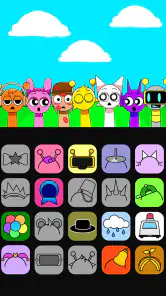
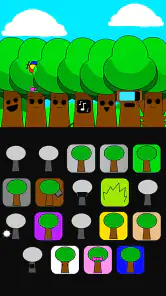
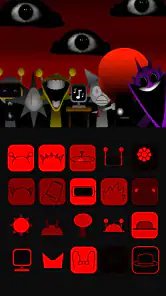
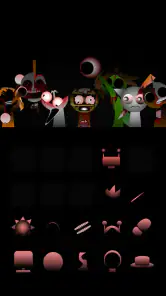
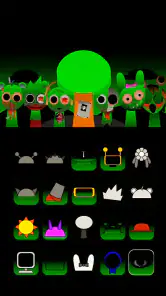
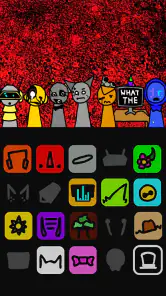
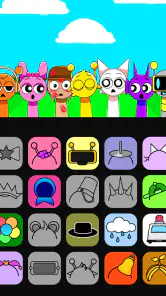
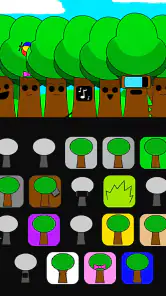
Analysis by Reviewed
When I choose a music game, I want to know what I’ll actually be doing with it, not just whether its theme sounds appealing. Sprunki Brainzot Music Beats is best approached as a casual, screen-based music game: a way to spend a short break interacting with music rather than a replacement for a playlist app, a music lesson, or a recording studio. That distinction helps set fair expectations before you install it.
Choosing the right kind of music app
There are several very different things people mean when they search for a music app. Some want to listen, some want to learn, and others want to make finished tracks. This one belongs in the game category, so I’d pick it when I’m in the mood to play with a music theme, not when I need background audio or a dependable place to manage songs.
That makes it a useful change of pace for someone who normally just taps through a playlist. It is less compelling if you already know you want full control over recording, exporting, or arranging your own compositions. For that, a dedicated music-making app is the more direct choice, and it will save you from expecting game interaction to behave like a studio workflow.
The game is free, developed by Dinosaur House, and has a Teen content rating. I would keep that age guidance in view when choosing it for someone else, especially a younger player. It is a practical starting point, not a substitute for deciding whether a particular game’s style and subject matter suit the person who will use it.
Readability and finding your way around
A bright presentation can make a music game feel inviting, but visual clarity and easy navigation are not the same thing. When you open a game like this, I recommend taking a moment to identify its main play area and any prompts before tapping quickly. That small pause is useful if you are new to music games, since it helps you understand what the screen is asking you to do instead of treating every element as decoration.
I would also keep expectations grounded around setup. The published description identifies this as a music game, so I would not assume that it needs access to a personal music library or that it can work as a library-syncing player. If you prefer not to grant permissions casually, check each system prompt and allow only what makes sense for the action you are taking. This is a practical habit for any mobile game, and it avoids confusing a requested permission with a requirement for every part of play.
One useful first-session habit is to resist tapping through prompts just to reach the action. Read what is on screen, take note of where the main interaction happens, and then try a short session. This is particularly helpful if you are sharing the phone with a family member: you can see whether they understand what to do without needing to explain every tap or assume that colorful elements are self-explanatory.
More From Our News Desk

Clash of Clans Is Won Between the Battles

Android Auto Makes the Case for Quieter Car Software

MobiOffice: Transforming Mobile Productivity with Seamless Integration

EA SPORTS FC™ Mobile Soccer: Redefining Mobile Sports Gaming

How Microsoft OneDrive Became a Mobile Productivity Giant

How Google Translate Breaks Language Barriers Effortlessly
Music play, not a production workstation
Music games can be a nice middle ground between passive listening and the concentration demanded by a creative tool. I’d choose this sort of experience when I want to engage with music for its own sake but do not have the time or interest to set up a project, learn a mixing interface, or manage audio files. The trade-off is that a game’s interaction should not be mistaken for a promise of professional control.
If your goal is to make something you can refine later, compare the game with a music production app before committing your time. A production tool is built around creating and managing work; a music game is built around play. Neither is automatically better—the right option depends on whether you want a finished creative result or a light, interactive diversion.
Getting started and deciding whether it fits
When I first launched Sprunky Music Mix and Mod, the interface immediately caught my attention. It’s clean, vibrant, and incredibly user-friendly, which is always a plus for new users. The app doesn’t bombard you with ads or unnecessary pop-ups, allowing you to dive straight into the music. Setting up was a breeze, too. All I had to do was sync my music library, and I was good to go!
What the music-game format means in practice
Before deciding whether to try it, it helps to know what kind of app this is: Sprunki Brainzot Music Beats is a free music game from Dinosaur House, rather than a conventional music player or a full desktop-style mixing studio. That distinction matters. I’d approach it as a casual way to engage with music, not as a place to organize a library, prepare a polished DJ set, or edit existing songs. Its Teen content rating is also worth keeping in mind when choosing a game for a younger player.
For someone who wants a low-pressure music-themed game during a short break, that format can be a better fit than an app built around playlists or technical production. If your main goal is to make and export finished tracks, though, a dedicated music-making tool is the more sensible choice. I would make that decision before downloading rather than expecting the game to replace software designed for recording or mixing.
Motor and sensory considerations
Music games can ask for quick attention and repeated interaction, which is not equally comfortable for everyone. If fast visual changes or sound are tiring, try a brief session first and decide whether the pace suits you; there is no need to push through a long play session. Playing in a quiet moment with the device at a comfortable volume can make it easier to focus on the musical cues without adding extra sensory load.
Touch accuracy is another real-world consideration. On a small screen, hurried taps can feel less forgiving than playing with a larger display, especially if you have limited dexterity or prefer more time to react. I would avoid treating a missed input as a personal failing: it may simply mean that this particular style of interaction is not comfortable for your hands. Someone who wants slower, less timing-dependent play may be happier with a music app that lets them listen or create at their own pace.
A practical way to judge the physical demands is to try the game while seated and holding the phone in your usual position, rather than testing it while multitasking. If repeated tapping becomes uncomfortable, stop and reassess instead of pushing through. That quick check tells you more about personal fit than a general impression of the screen, and it is especially useful for anyone who has difficulty maintaining a grip or making small, rapid touches.
Sound is part of the experience to consider too. In a shared room, a quiet setting or comfortable headphones may help, but headphones are not a good idea if you need to hear nearby people, traffic, or announcements. If you prefer silent play, first see whether the game remains understandable without audio; do not rely on sound cues being duplicated visually. That is a meaningful trade-off for players with hearing differences and for anyone playing in a place where audio would be disruptive.
Performance and usability
In terms of performance, Sprunky Music Mix and Mod runs smoothly without any noticeable lags. It’s designed to handle a large music library with ease, and even when I loaded it up with tons of tracks, it didn’t break a sweat. The app is available on both Android and iOS, making it accessible to a wide range of users.
Usability-wise, the app is intuitive. The learning curve is minimal, thanks to the helpful hints and tips provided within the app. Plus, the developers have done a commendable job in ensuring that all features are easy to find and use.
For a more deliberate first try, I’d keep the session short and focus on whether the core interaction makes sense to me, rather than trying to judge everything at once. If I’m showing it to a friend, I’d let them explore the screen themselves before offering advice. That reveals whether the prompts are clear enough for them and whether the pace feels enjoyable, which are more useful questions than simply asking whether the game looks polished.
A realistic place for it in the day
A realistic way to fit a music game into everyday life is to use it as a short reset between tasks: open it during a quiet break, give it your attention for a few minutes, then put the phone away. That is a better match than playing while walking, commuting through a busy station, or trying to follow a conversation, because music and visual activity can draw focus away from your surroundings. If you need to stay alert to announcements or people nearby, save it for later.
For example, after finishing a study session at home, I might take a brief screen break from reading but still want something more active than opening a playlist. A music game can fit that moment, provided I am not trying to concentrate on another task at the same time. If the next thing on my schedule requires focus, I would set the phone aside once the break is over rather than letting a quick diversion stretch into a distraction.
The game is aimed at players who enjoy music-themed interaction and want something more active than pressing play on a playlist. It is less suited to someone seeking a reference tool for music theory, a professional production workflow, or a hands-free listening experience. For those needs, a conventional player, a lesson-focused app, or desktop audio software will offer a more appropriate kind of control.
It can also work as a low-stakes way to see whether you enjoy music games at all. If you are buying into the category for the first time, a short trial gives you a clearer answer than comparing feature lists with a full music editor. But if you already know you need precise timing options, visual adjustments, or a particular accessibility support, choose a tool that clearly offers those controls rather than hoping they will be present here.
Remaining barriers and practical trade-offs
My main caution is to judge the experience by what the game actually offers rather than by expectations created by music-mixing language. A game can be entertaining without providing the detailed track controls, file handling, or finished-audio workflow that a creator may need. Likewise, a vibrant screen and sound-led play may be less comfortable for people who need reduced visual stimulation, quiet play, or slower input. Those are not small details if accessibility is central to your choice.
Before settling in, check that the phone’s volume is comfortable and that you are in a setting where sound will not disturb others. If you want to play without audio, verify whether the available controls let you do so comfortably rather than assuming that every cue will be clear visually. This simple check can prevent frustration, especially in shared spaces or when you are trying the game for the first time.
People often want to know whether this can replace a music player, whether it suits a quick break, and whether it will be comfortable without sound or fast touch input. My answer is that it is meant for a music-game session, not for replacing everyday listening; a brief break is a sensible use, while sound-free or slower play should be tested rather than assumed. That is why I would make the first session a personal fit check, not a commitment to use it regularly.
The game’s version is 1.0.14, and it runs on Android 7.0 or later. It was released on November 29, 2024. Those details help with basic device and version expectations, but the more important question is still whether the interaction suits your own screen, hands, and listening environment.
Its average rating is 4.5 from around 28,000 ratings, and it has more than five million installs. Those figures suggest plenty of people have tried it, but popularity cannot tell me whether its pace or sensory demands will suit a particular player. I would treat the numbers as context, then make the decision based on a short, comfortable trial.
Who I’d recommend it to
I’d suggest giving it a try if you are curious about music games, want a casual change from listening to the same playlist, and are comfortable with a screen-based experience that asks you to pay attention. If you are choosing for a teen, the Teen rating gives you a useful starting point, but I would still make the decision based on the individual player and the kind of content they are comfortable with.
On the other hand, skip it if you need a screen reader-friendly workflow, precise accessibility controls, or a guaranteed way to play without sound; I would not assume those options are available. A standard audio player is better for uninterrupted listening, while a dedicated production app makes more sense for detailed creative work. My inclusive verdict is that this is worth sampling when its music-game approach sounds enjoyable, but the right fit depends on whether its visual, audio, and touch demands work for you.
My inclusive verdict
I see the strongest case for this game in its focused, casual role: it offers a music-themed activity for people who want to interact rather than simply listen, without needing to approach it as a serious production project. The main decision is not whether music games are enjoyable in general, but whether this particular screen-led style feels comfortable and understandable to you.
If that sounds appealing, try it during a quiet moment, keep the volume at a level that works for you, and give yourself permission to stop if the visuals, sound, or tapping feel tiring. If you need a more accessible, slower, hands-free, or professionally controlled experience, another kind of music app will be a better fit. That is a fairer recommendation than calling it right for everyone: it is worth exploring when its format matches your needs, and easy to pass over when it does not.
Sprunki Brainzot Music Beats Frequently Asked Questions
Is Sprunki Brainzot Music Beats free to download?
Yes. Sprunki Brainzot Music Beats is free to download, so you can try its music-game premise without paying an upfront purchase price. It is presented as a game about jamming with Sprunki Brainzot Monster. As with any download, check the app’s store page and device settings before installing so you know what you are choosing.
Who makes the game, and how popular is it?
Sprunki Brainzot Music Beats is made by Dinosaur House. It has more than five million installs, with an average rating of 4.5 from around 28,000 ratings. Those figures suggest that many players have tried it, but ratings are only one part of deciding whether a game suits you; its music-focused premise and Teen age guidance are also worth considering.
When was Sprunki Brainzot Music Beats released, and what version is current?
The game was released on November 29, 2024, and its current version is 1.0.14. These details can help you identify the title and version when looking at a download page. Before installing, make sure you are selecting Sprunki Brainzot Music Beats by Dinosaur House, rather than another app with a similar music-themed name.
Is Sprunki Brainzot Music Beats suitable for someone looking for a music game?
Sprunki Brainzot Music Beats is a music game built around jamming with Sprunki Brainzot Monster. Its store summary presents it as an ultimate music game, while its short description calls it “Sprunky Music.” If you enjoy games centered on music and playful sound-making, that premise may appeal to you. It is categorized as a game in the Music category.
What is Sprunky Music Mix and Mod?
Sprunky Music Mix and Mod is an innovative music application that allows users to mix and modify their favorite tracks on the go. It combines intuitive controls with a wide range of effects, making it ideal for both amateur DJs and music enthusiasts who want to experiment with sound. With this app, you can create unique mixes and share them with friends or on social media.
Pros
- User-friendly interface.
- Wide variety of music genres.
- High-quality audio output.
- Customizable playlists.
- Offline mode available.
Cons
- Contains ads in free version.
- Limited features in free mode.
- Occasional app crashes.
- Requires constant updates.
- In-app purchases are pricey.

- Category
- Music
- Version
- 1.0.14