SKZ: Stray Kids game
- 63.00
- 4.5
- Installs
- 100.00K
- Price
- Free

Screenshots

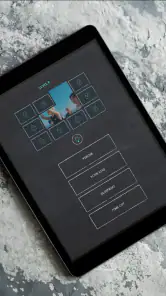
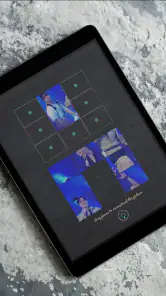
Analysis by Reviewed
I approached SKZ: Stray Kids as a small music game for fans who want something connected to the group rather than a broad rhythm-game library. Its store message points directly at STAY culture, and that focus is important: this is not trying to be an all-purpose music platform. It is a themed experience built around Stray Kids identity, with the developer listed as Kpop game and more.
The game is free, carries an Everyone age rating, and supports Android 8.0 or later. That makes it easy to consider on an older compatible phone, although compatibility on paper does not automatically mean every device will feel equally comfortable. I would think of it as a lightweight fan-oriented download to try between other games, not as a replacement for a full music service or a large competitive rhythm title.
How the game feels to use in everyday play
The strongest first impression is its narrow purpose. If you already follow Stray Kids, the references and tone are likely to feel more inviting than a generic game with unrelated songs or characters. If you do not know the group, much of the appeal may disappear because the experience is tied so closely to SKZ fandom. That makes the game unusually clear about its audience, which I see as a strength rather than a weakness.
In practical terms, I would use it during short breaks: while waiting for a friend, taking a quick pause from studying, or looking for a fan-themed activity that does not require a long session. A game like this works best when I can open it, play for a while, and leave without treating it as a major commitment. It suits casual repetition more than a carefully planned evening of gaming.
The store summary uses playful references to “RED LIGHT” and “HELLEVATOR,” so the presentation is clearly aimed at people who recognize Stray Kids themes. That gives the game a different kind of motivation from a conventional music game. Instead of chasing only a high score, I would be returning because the subject matter feels familiar and personal.
That fan connection also creates the main limitation. Someone looking for a wide selection of artists, elaborate progression, or a deep competitive system may find the concept too focused. A general rhythm game is the better choice when variety matters more than the SKZ theme. Here, the group connection is the reason to install it, not a minor decoration around a larger genre package.
What I would expect from its speed
Because this is a focused music game rather than a large open-world title, I would approach it with modest performance expectations. The important question is not whether it can compete with a flagship rhythm game packed with visual effects, but whether it feels responsive enough for short fan-focused sessions. On a compatible phone, the sensible starting point is to keep other demanding apps closed and give the game a clean launch.
That simple routine matters more on older hardware. Android 8.0 compatibility opens the door to devices that are no longer recent, but age, available memory, and background activity can still affect how quickly any game starts or recovers. I would not judge the experience from the first tap alone. A phone with many apps suspended in the background may need a moment before the game feels ready, while a recently restarted device may provide a smoother beginning.
For music games, perceived speed is also about touch timing. A visually attractive screen is not enough if input feels late or inconsistent. I would test a few easy rounds before deciding whether the game suits my phone. If taps repeatedly feel out of step with what I see, I would first close background apps, check that the device is not overloaded, and try again later rather than immediately assuming the game itself is unusable.
This is one of the more useful ways to evaluate it: do not begin with a difficult session while the phone is busy. Open it after a fresh start, play briefly, and notice whether menus respond promptly and whether the screen remains comfortable during repeated input. That small test tells me more than a download count or a store score when I am deciding whether to keep it installed.
What happens during longer or heavier use
The moments most likely to reveal friction are not the first few seconds after installation. They are repeated rounds, quick transitions, and sessions where the phone is already warm or busy. Music games ask for attention, so even minor pauses can be more noticeable than they would be in a turn-based game. I would therefore leave some breathing room on the device and avoid playing while several other apps are actively working in the background.
A realistic scenario is playing with a phone that has just been used for video, messaging, and social media. In that situation, the game is competing for system resources with apps that may still be cached or running. If the first session feels less smooth, I would clear that clutter before judging the title. The trade-off is convenience: a quick casual game should ideally require no preparation, but older or busy phones sometimes benefit from it.
Longer use can also expose comfort issues unrelated to raw speed. A music game encourages repeated taps and concentrated viewing, so I would avoid treating it as something to play continuously for hours. Short sessions are a better fit for this particular concept anyway. They reduce the chance that heat, battery use, or tired hands will turn a pleasant fan activity into a chore.
I would also pay attention to recovery after an interruption. If a message arrives or I switch away briefly, the useful question is whether returning feels straightforward. Android can reclaim memory when several apps are open, especially on older devices. I cannot promise that every phone will resume in exactly the same way, so I would make a habit of finishing a round before switching apps when the score matters.
That habit is not glamorous, but it is practical. If I am playing purely for amusement, an interrupted session is easy to accept. If I am trying to improve a result, I would avoid multitasking and keep the game in the foreground. This is a general mobile constraint, but it matters more in a timing-based title than in a game where a pause has no effect on performance.
Reliability, updates, and the user experience
The listing shows a solid average of 4.5 from around 2.2 thousand ratings, alongside more than 60 written reviews. That gives me a useful signal that many players find the game worthwhile, but I would still read those numbers in context. A fan game can receive positive reactions because it captures the right mood, even when it does not offer the depth of a major commercial rhythm release.
The current version is listed as 20260803, while the game first appeared on February 21, 2023. For me, the combination suggests a project that has remained present rather than being a one-day novelty. Still, a version number alone does not tell me how the game behaves on every Android model. I would keep expectations realistic and treat the first session as a compatibility check.
Reliability here means more than avoiding a crash. It includes whether the game opens consistently, whether input remains dependable, and whether I can return to it after a short break without unnecessary frustration. On a well-maintained phone with enough free space, I would expect the experience to be easier to manage than a large, resource-heavy game. On a crowded device, the same title may feel less predictable simply because Android has fewer resources available.
If something goes wrong, my recovery routine would be simple: close the game, remove other active apps, reopen it, and restart the phone if the problem continues. I would also make sure the operating system meets the Android 8.0 requirement. These steps cannot fix every issue, but they separate a temporary device problem from a repeatable game problem without wasting much time.
The free price lowers the risk of trying it. I can install it as a fan experiment without making a financial commitment, then remove it if the style does not suit me. That is especially useful for people who are curious about the SKZ connection but are unsure whether a music game will hold their attention. The Everyone rating also makes it a straightforward option to consider for a broad audience, while younger players should still use normal family judgement around screen time.
Device limits that deserve attention
The Android 8.0 minimum is helpful, but it should not be mistaken for a promise of identical performance across all compatible phones. Two devices running the same Android release can differ greatly in memory, processor age, storage condition, and display response. I would be most cautious with an older phone that is nearly full or already struggles when switching between ordinary apps.
Before installing, I would check that there is comfortable free storage rather than relying on the bare minimum needed for the download. I would also avoid starting a session while the phone is updating other apps or handling large background tasks. These are small preparations, but they can make a noticeable difference to a game that depends on quick visual attention.
Battery behaviour is another practical consideration. Any game that keeps the screen active and asks for repeated interaction can be more demanding than reading or messaging. I would play away from direct sunlight, avoid using a phone that is already hot, and take breaks during longer sessions. That advice is less about this title having a confirmed battery problem and more about protecting consistent touch response on mobile hardware.
Screen size may affect comfort as well. On a compact phone, controls and visual cues can feel more concentrated, while a larger display may be easier to follow during repeated play. I would not buy a new device for this game, but I would give myself a few minutes to decide whether the layout feels comfortable. If my fingers cover important areas or I have to stare too closely, the game may be better as an occasional novelty than a daily habit.
Players who primarily use iOS should also check the appropriate platform availability before planning around it. The confirmed technical requirement here is for Android, so my direct recommendation is aimed at Android users who meet that requirement. Anyone who needs a cross-platform experience should choose a title whose support clearly matches every device they intend to use.
Who will enjoy it, and who should choose something else
I would recommend this game first to a committed STAY who wants a small interactive extension of their interest in Stray Kids. It can also suit a casual player who likes music-themed games but prefers a focused identity over a huge catalogue. The free entry point makes experimentation easy, and the fan references give the sessions a reason to feel different from anonymous tapping exercises.
I would be less enthusiastic for someone who wants a serious rhythm-training tool. If precise timing practice, extensive song variety, ranked competition, or complex long-term progression is the main goal, a dedicated rhythm game is likely to provide a deeper experience. Likewise, players who do not recognize the group’s references may find that the theme does not offer enough motivation to return.
There is also a difference between a fan game and a music player. I would not install this expecting uninterrupted listening, a personal music library, or the flexibility of a streaming service. Its value comes from interaction and fandom, not from replacing the way I normally hear songs. Keeping those expectations separate prevents disappointment.
One useful workflow is to treat it as a short companion activity: play a few rounds when I want something connected to SKZ, then switch back to my usual music or game. That avoids forcing it into a role it was not designed to fill. It also lets the themed moments stay enjoyable instead of becoming repetitive through overuse.
The developer name, Kpop game and more, reinforces that this is a niche fan-oriented project rather than a broad mainstream studio release. I see that as a clue about how to evaluate it. I would focus on whether the theme feels personal, whether the basic play is comfortable on my phone, and whether the game gives me a reason to return—not whether it matches the production scale of a major publisher.
My performance verdict
My overall view is cautiously positive for the right audience. The game’s focused SKZ identity, free access, and broad Android compatibility make it easy to try, while the strong average response suggests that the concept connects with many players. I would keep it as a lightweight fan activity rather than expecting a technically demanding or endlessly deep music game.
For the best experience, I would install it on a phone that meets Android 8.0, leave some storage available, close demanding background apps before a serious session, and test touch response during a short first play. If it feels stable, it should be well suited to quick breaks and casual repeat sessions. If the device is older, hot, or crowded with active apps, I would be more careful about judging its speed and recovery.
The deciding factor is not raw complexity but the combination of responsive play and genuine SKZ interest. Fans who want that combination should give it a try, especially because there is no purchase barrier. Players seeking a broad music-game catalogue, advanced competition, or a replacement for a streaming app should skip it in favour of a more specialized alternative.
In the end, I see it as a focused, accessible game with a clear audience. It does not need to be everything to everyone. When I approach it as a short Stray Kids-themed experience and respect the limits of my phone, its simplicity becomes part of the appeal. When I expect the scale of a full rhythm platform, the narrow design becomes much harder to overlook.
Pros
- Fun way to collect and enjoy Stray Kids-themed content
- Simple controls make it accessible for casual players
- Regular events can keep the experience feeling fresh
- Progression provides goals beyond the opening stages
- Suitable for short play sessions on mobile devices
Cons
- Some content may require considerable time or in-game currency
- Event rewards can make progress feel dependent on limited-time play
- Repeated tasks may become predictable after extended sessions
- Storage use may increase with additional downloadable content
- An internet connection may be needed for several game features

- Category
- Music
- Version
- 20260803