Shape Music Rhythm
- 392.00
- 4.0
- Installs
- 1.00M
- Price
- Free

Screenshots
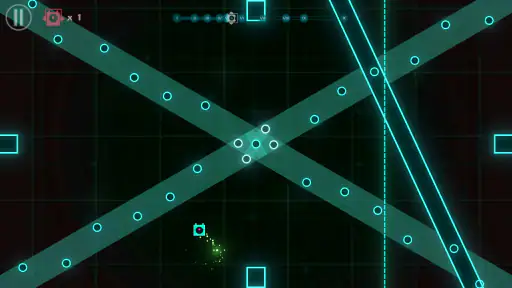
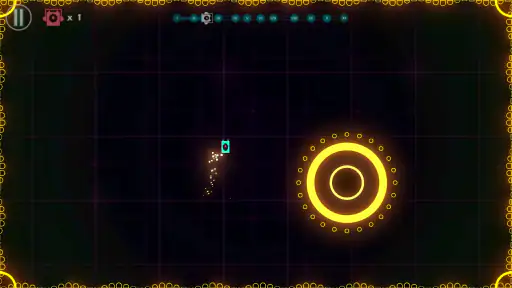
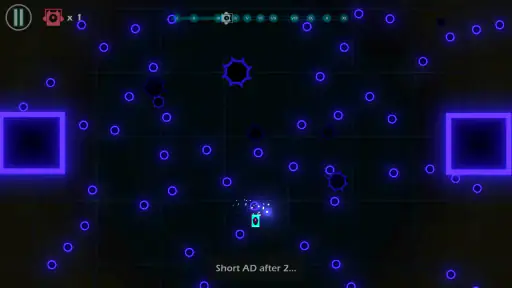
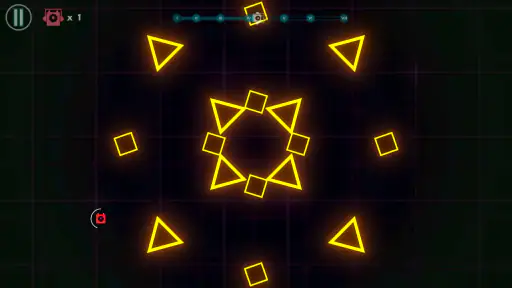
Analysis by Reviewed
Shape Music Rhythm is the kind of mobile game I open when I want music to guide the action without committing to a long, complicated session. Its central appeal is simple: shapes and rhythm meet in a lightweight game built around timing, visual attention, and quick reactions. After spending time with it, I found that the music is not just decoration. It gives the play a sense of pace, while the shapes turn that pace into something I can see and respond to.
That focus makes the game easy to understand, but it also defines its limits. This is not the right choice if you want a deep music library, a story campaign, or a traditional rhythm game packed with detailed customization. It works better as a compact reflex game for short breaks. The experience is free to start, carries a Teen content rating, and comes from Mai An Tim. It has also built a sizeable audience, with more than a million installs and an average rating of 4.0 from around five thousand ratings.
Why the shape-and-rhythm idea matters
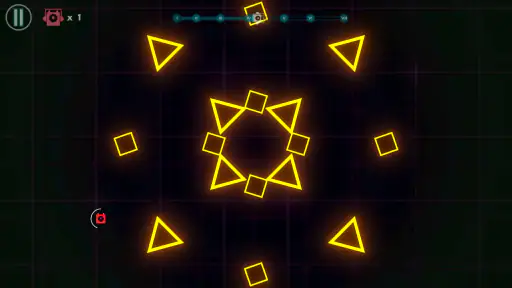
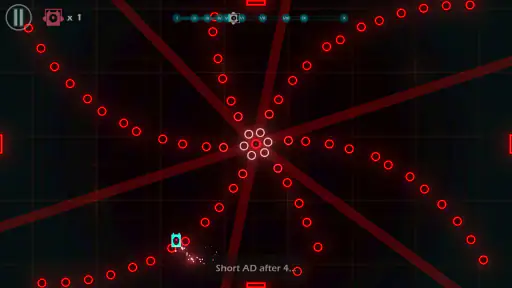
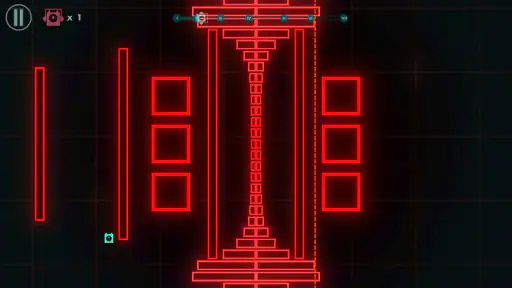
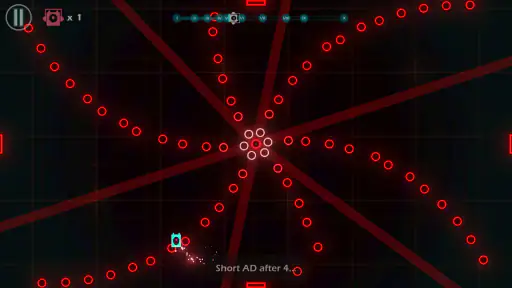
The most important capability here is the way the game connects visual shapes with musical timing. In many rhythm games, the player watches notes, lanes, or markers moving toward a target. Shape Music Rhythm gives that familiar idea a more visual identity. I am not simply listening and tapping; I am trying to read what appears on screen while keeping my actions aligned with the beat.
That combination changes the feel of a session. A music player can make a commute more pleasant, and a standard arcade game can occupy my hands, but this game asks me to use both hearing and sight at once. When I am concentrating, the shapes become a kind of visual translation of the music. A successful action feels satisfying because it confirms two things at the same time: I read the screen correctly and reacted at the right moment.
The real strength is the connection between what I hear and what I see. That connection makes the game approachable for people who enjoy rhythm-based play but do not necessarily want the dense note patterns or competitive complexity found in more demanding alternatives. The visual language is also useful when I am playing somewhere noisy, because I can rely more heavily on the screen than on the audio alone. The opposite is true in a dim room or when I am trying not to stare constantly at the display: the rhythm can help me anticipate the next action.
Still, this design depends heavily on my ability to focus. If I am looking away often, playing while distracted, or expecting the game to run passively in the background, the central idea loses its effect. It is an active game, even when a session is short. The shapes are not something I can casually ignore.
Reading the screen instead of chasing perfect scores
My first useful adjustment was to stop treating every mistake as a failure of reflexes. In practice, mistakes can come from reading the visual sequence too late, listening for the wrong part of the music, or reacting before the cue has fully registered. The game rewards a calmer approach. I get better results when I watch the shape pattern, identify its rhythm, and then respond instead of tapping as soon as anything catches my eye.
This makes the experience more interesting than a simple test of speed. It becomes a short exercise in prediction. I am not only asking, “What is on the screen now?” I am also asking, “What is the rhythm preparing me to do next?” That small shift helps especially when a sequence becomes visually busy. Rather than following each shape as an isolated object, I begin to see groups and recurring timing.
A practical tip is to play the first attempts with a relaxed grip and minimal movement. Holding the phone too tightly makes quick reactions feel less natural, while exaggerated taps can make it harder to stay consistent. I also found that playing with the device at a stable angle helps me keep the shapes in view. These are small habits, but they matter in a game where visual timing is the main event.
Another useful approach is to separate learning from scoring. On an unfamiliar sequence, I focus first on understanding how the visual cues correspond to the beat. Only after that do I worry about improving performance. This prevents the common mobile-game habit of restarting immediately after a mistake without learning anything from it. If I take a moment to identify whether I was early, late, or simply watching the wrong cue, the next attempt feels more purposeful.
How it fits into an ordinary day
The best everyday scenario for me is a short waiting period: sitting before an appointment, taking a break between tasks, or winding down after a long stretch of work. I can play without needing to remember a complicated story or rebuild a large strategy. The music gives the session energy, and the shape-based interaction gives my attention somewhere to go.
It also suits people who want a game that feels more involved than scrolling but less demanding than a long competitive match. A few minutes can be enough to reset my focus. Because the main interaction is based on timing and visual response, I do not need to learn a large set of controls before enjoying it. That makes it a reasonable pick for someone who normally avoids rhythm games because they appear intimidating.
There is a useful distinction, though. This is a game for active breaks, not necessarily restful breaks. If I want to switch off completely, music alone or a calm puzzle may be a better fit. Here, the audio encourages concentration rather than relaxation. The game can feel refreshing after repetitive work, but it can also feel tiring if I have already spent hours staring at screens.
For younger players, the Teen rating is worth considering before installing it on a shared device. Adults choosing it for a teenager should also remember that the game includes optional in-app purchases priced at $1.99 per item. Since the game itself is free, I would check purchase controls on the device if someone else can use the account. That is a practical step for any free-to-start game, especially one that may be played casually and frequently.
Where it differs from familiar rhythm games
Compared with a conventional lane-based rhythm game, Shape Music Rhythm feels less like following a strict musical chart and more like interpreting a visual rhythm puzzle. That can be an advantage for a new player who is put off by rows of notes or complicated control layouts. The shape presentation gives the game its own identity and makes the first few minutes easier to approach.
On the other hand, experienced rhythm-game fans may prefer alternatives with more precise chart analysis, a larger sense of progression, or deeper control options. If your main goal is to practice a particular musical skill, compare detailed performances, or spend a long evening mastering difficult tracks, this may feel too streamlined. Its appeal is not that it replaces every other rhythm game. Its appeal is that it offers a more immediate visual-and-audio challenge.
It also differs from ordinary arcade games because the music influences how I understand the action. In a typical reflex title, visual movement may be enough. Here, muting the sound can make the experience less intuitive, even if the screen remains readable. I would therefore recommend headphones when the surroundings are quiet and speaker play when I need to keep awareness of what is happening around me. The choice changes how much I depend on each sense.
One trade-off is accessibility. The shape-based presentation may be easier for some players than note-heavy interfaces, but rhythm still requires timing. Players with difficulty processing rapid visual changes may find busy moments challenging. Likewise, someone with limited hearing can still use the visual cues, but the game’s musical layer may not contribute in the same way. It is worth approaching it as a visual rhythm game with audio support, rather than assuming either sense alone defines the whole experience.
Small habits that improve the experience
I found three habits particularly helpful. First, I avoid starting a session when I am multitasking. A message, conversation, or television show in the background can break the rhythm quickly. Second, I give myself a few moments to settle into the beat instead of judging the game from the opening action. Third, I treat repeated attempts as pattern practice rather than as a test of patience.
The third habit is especially important. A rhythm game can become frustrating when every restart feels identical. With this one, I get more value when I use each attempt to answer a specific question: Did I miss the shape, misread the timing, or react too quickly? That turns a vague feeling of difficulty into something I can act on. It also prevents me from blaming the controls when the real problem is that I am watching the wrong part of the screen.
I would also manage expectations around the free model. The absence of an upfront price makes it easy to try, but the optional purchases mean that the complete spending experience depends on how the game is used. I would not install it expecting every possible element to be available without cost. For a casual player, the free entry may be enough; for someone who wants to explore everything offered, the individual purchases should be considered before committing time.
The current version is 1.21, and the game runs on Android starting with version 8.0. That makes it accessible on a broad range of Android devices, although performance and comfort can still depend on the phone’s screen, responsiveness, and audio setup. A larger, brighter display may make visual patterns easier to read, while an older device with delayed touch response could undermine the timing that the game relies on.
Who should play it and who should skip it
I would recommend Shape Music Rhythm to someone who wants a free music game that can be understood quickly and enjoyed in short sessions. It is particularly suitable for players who like visual patterns, quick reactions, and the feeling of matching action to a beat without learning a large control system. It can also be a good introduction for a friend who has never tried a rhythm game but enjoys arcade challenges.
It is less suitable for someone looking for a long-form musical hobby. If you want extensive track management, advanced chart difficulty, narrative progression, or a highly competitive ranking experience, I would point you toward a more specialized rhythm title. The same applies if you dislike games that demand constant visual attention. The shape concept is the reason to play, but it is also the reason the game can become mentally busy.
Parents and guardians should make the age rating part of the decision, rather than assuming that a colorful music game is automatically appropriate for every child. The Teen rating and optional purchases deserve a quick check before handing the phone to a younger player. That does not make the game unsuitable for families, but it does mean that the surrounding device settings matter.
Mai An Tim has kept the concept focused instead of turning it into a general-purpose music platform. In my experience, that focus is valuable when I want an immediate challenge. I can understand the basic appeal quickly, and the shapes give the game a recognizable personality. The downside is that players who need variety across many systems may eventually feel that the central interaction is doing most of the work.
My recommendation after playing
What I like most is the clarity of the main idea. Shape Music Rhythm does not need a complicated explanation to communicate what makes it different: music sets the pace, shapes provide the visual language, and I have to bring the two together through timing. That is enough to make a short session feel active and satisfying.
What keeps me from recommending it without qualification is the same narrow focus. The experience depends on whether I enjoy repeating a timing-based challenge and paying close attention to the display. Players who want a broad, content-heavy game should look elsewhere, while casual players may appreciate that it does not demand a large investment before becoming playable.
With a 4.0 average from roughly five thousand ratings, the game has a solid audience without needing to be presented as a universal choice. For me, Shape Music Rhythm works best as a quick, music-led reflex game: free to try, distinctive in presentation, and most enjoyable when I give it a few uninterrupted minutes. I would install it for short active breaks, use headphones or a steady visual setup when possible, and decide afterward whether the optional purchases add enough value for my style of play.
In the end, Shape Music Rhythm is worth trying if the idea of reading shapes in time with music sounds appealing. Its strongest effect is not technical complexity; it is the way a simple visual cue can make a beat feel interactive. That makes it an easy recommendation for curious newcomers and casual arcade players, but a weaker match for anyone searching for a deep, endlessly varied rhythm platform.
Pros
- Simple tap-based controls are easy for beginners to understand.
- Short levels make it convenient for quick gaming sessions.
- Bright geometric visuals give the game a clean
- modern style.
- Rhythm-focused gameplay can improve timing and concentration.
- The minimalist interface keeps distractions to a minimum.
Cons
- Difficulty can increase sharply after the early levels.
- Repeated patterns may feel monotonous during longer sessions.
- Precise timing can be frustrating on smaller phone screens.
- Some features may require an internet connection to access.
- The game offers limited variety beyond its core rhythm mechanic.

- Category
- Music
- Version
- 1.21