Puzzles for Kids - Full game
- 3.00
- 4.0
- Installs
- 10.00K
- Price
- $4.99

Screenshots
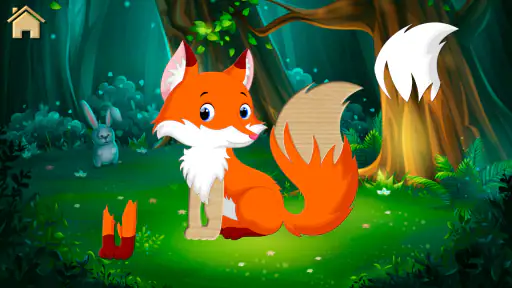

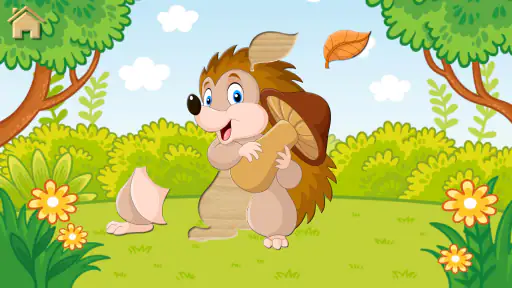
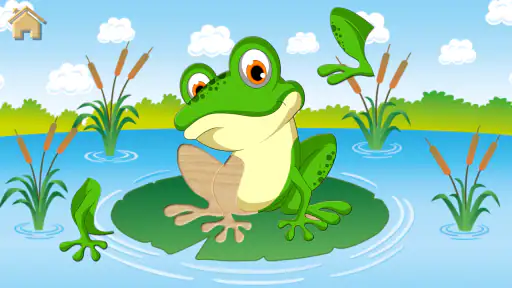
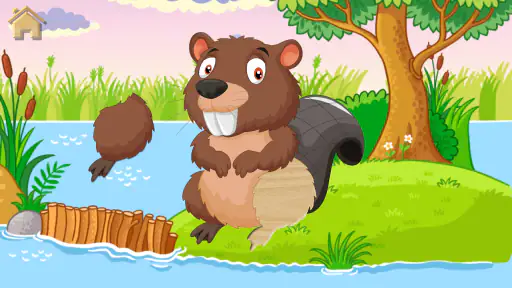
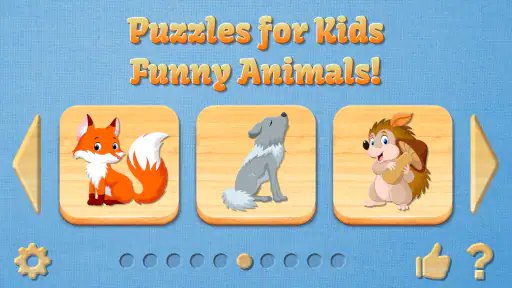
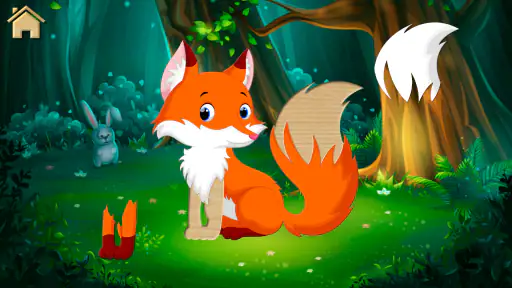
Analysis by Reviewed
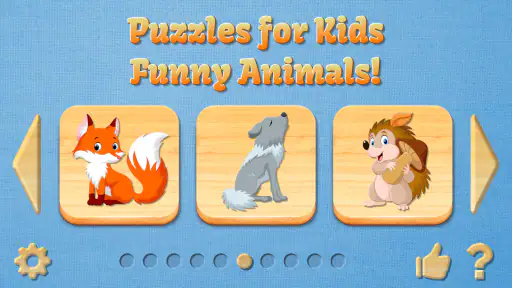
I spent time with Puzzles for Kids - Full game as a simple animal puzzle experience for young children, and its biggest appeal is easy to understand: it offers a calm, focused activity built around pictures rather than complicated rules. It belongs to the educational game category, comes from CLEVERBIT, and is aimed at Everyone. That makes it a natural candidate for preschool children who are beginning to recognize animals, match shapes, and complete short tasks independently.
My overall impression is positive, but quite specific. This is not the kind of game I would choose for a child who needs a large amount of variety, storytelling, or increasingly difficult challenges. I see it more as a quiet activity for a tablet or phone, especially when an adult wants something more purposeful than a random stream of videos. The complete paid version costs $4.99, and the main practical advantage is that the animal content is unlocked without advertisements interrupting play.
How the puzzles feel to use
Readability and navigation for young players
The strongest part of the experience is its directness. A child can approach an animal puzzle without first learning a long menu system, a character progression path, or a set of instructions. That matters because early learners often lose interest when an app asks them to read before they can play. Here, the visual subject does most of the explaining: the child sees an animal-themed activity and works toward completing it.
I found this kind of layout better suited to children who are still developing confidence with touchscreens. There are fewer conceptual steps between opening the game and beginning an activity. An adult can demonstrate the basic gesture once, then let the child try. For a child who cannot read yet, that is a meaningful advantage over educational apps that depend heavily on written labels.
The animal theme also gives parents an easy way to talk while the child plays. Instead of treating the puzzle as a silent matching exercise, I would ask the child to name the animal, imitate its sound, or describe its color. That turns a short session into a small language activity without forcing the game itself to carry every learning goal.
There is a useful distinction here between visual simplicity and full accessibility. A clean puzzle can be easier to understand, but it does not automatically suit every child. Children with reduced vision, attention differences, or difficulty distinguishing visual details may still need an adult nearby. I would treat the straightforward presentation as helpful support, not as a guarantee that every child can navigate it alone.
Motor and sensory considerations
For children who are practicing controlled taps and drags, animal puzzles can provide a gentle reason to repeat those movements. Completing a piece gives the action an immediate purpose, which is more engaging than asking a child to practice gestures in an abstract exercise. I especially like this for short periods of supervised play, when the goal is participation rather than speed.
At the same time, puzzle interaction can be frustrating for children whose touch control is still developing. A piece may be selected inaccurately, moved too far, or released before it reaches the intended area. When that happens, the adult response makes a difference. I would sit beside a child who struggles with precision and model slower movements instead of taking over the device. The game works best as a shared learning tool when the child remains in control.
Sensory comfort is another reason I would use it selectively. A puzzle based on familiar animals is likely to feel less demanding than a busy action game, but a quiet visual activity is not automatically comfortable for every child. Some children may prefer more sound, movement, or immediate feedback; others may become distracted by visual elements. I would begin with a brief session and observe whether the child looks engaged, confused, or tired.
One practical tip is to use the game when the child is rested rather than introducing it at the end of an already difficult day. A child who is hungry, overstimulated, or impatient may appear unable to manage the puzzles when the real issue is timing. In my experience, the same simple activity can feel inviting in the morning and irritating after a long day.
Using it in different everyday situations
A realistic use case is a short waiting period at home or while traveling. If I needed to keep a young child occupied before an appointment, I would prefer this kind of contained puzzle activity to handing over an open-ended video feed. The child has something concrete to finish, and I can pause the session naturally by asking about the animal on screen. Because the full version has no ads, there is less risk of an unrelated promotion pulling attention away from the activity.
That does not mean I would use it as a substitute for conversation, play with physical objects, or outdoor movement. Its value is strongest in small doses. A child could complete a few puzzles, talk about what appeared, and then move on to drawing, books, or a real animal toy. The game is easier to use responsibly when it has a clear place in the routine instead of becoming the default answer to boredom.
It may also work well in a shared sibling setting, although expectations should be realistic. Two children reaching for the same device can turn a calm puzzle into an argument. For a group, I would use one child’s turn as an opportunity for the other to name the animal or suggest where a piece belongs. That changes the activity from passive waiting into a small cooperative exercise.
For parents wondering whether an internet connection is needed, I would not make a promise beyond the confirmed description. The important point is that the paid version is presented as a complete experience with the animal content unlocked and no ads. Before relying on it for a flight, appointment, or trip, I would install it and test the exact setup on the device that the child will use.
What makes the full version useful
The purchase is easier to understand than many children’s game upgrades because its purpose is not framed around competitive advantages or a complicated reward economy. The full game gives access to the animal content and removes advertising. For a parent who wants a self-contained activity, that is a sensible arrangement.
I also think the absence of ads has an inclusion benefit, even though it is not an accessibility certification. A child who cannot yet understand commercial prompts is less likely to be redirected by something unrelated to the puzzle. That reduces one kind of confusion for independent play. It also makes the adult’s job simpler, because there are fewer interruptions to explain or close.
The trade-off is that the price may feel high if the child only enjoys animal pictures for a few minutes. I would consider the purchase more reasonable for a household that expects repeated short sessions and values an uncluttered experience. If the child quickly outgrows basic puzzles, a broader educational subscription or a collection with several types of activities may offer better long-term value.
Where it sits beside usual alternatives
Compared with free puzzle apps, this game’s clearest advantage is the more contained presentation created by the paid, ad-free format. Free alternatives may offer more content, but they can also introduce advertisements, locked sections, or extra prompts that make independent use harder for a young child. If my priority were a simple animal activity with fewer distractions, I would lean toward this one.
Compared with physical wooden or cardboard puzzles, the game is more convenient when traveling and easier to store. Physical puzzles, however, provide hands-on resistance, spatial exploration, and a break from the screen. I would not view the digital version as a replacement. A good routine could alternate between the two: use the app for a short matching activity, then offer a physical puzzle so the child can continue the same kind of thinking away from the device.
Compared with larger educational platforms, this title is narrower. A platform may cover letters, numbers, music, stories, and creative play, while this game concentrates on animal puzzles. That narrow focus is helpful when a child needs a manageable entry point, but limiting when a parent wants a complete early-learning curriculum. I would choose the broader platform for structured variety and this game for a focused, low-pressure activity.
Remaining barriers parents should plan around
The first barrier is developmental fit. The Everyone rating makes it broadly suitable in content terms, but it does not tell me that every age or ability level will find the puzzles equally comfortable. A very young child may need hand-over-hand guidance, while an older child may find the tasks too easy. Parents should judge the experience by the child’s actual coordination, attention, and interest rather than by the age label alone.
The second barrier is the screen itself. Some families are deliberately reducing touchscreen use, and this game will not suit that goal. Others may have children who become upset when a session ends. In that situation, I would set the expectation before opening the app: complete a small number of puzzles, then stop. The lack of ads helps with focus, but it does not solve device-boundary problems.
A third issue is the need for adult interpretation. The game can support recognition and fine-motor practice, but it cannot know whether a child understands the animal, is guessing randomly, or is simply repeating a successful gesture. I would occasionally ask the child to explain the choice. That small conversation reveals more learning than watching the puzzle completion alone.
Device compatibility is worth checking before buying. The listed minimum operating-system requirement is 7.1, and the current version is 5.9.3. I would still install or update it on the intended phone or tablet ahead of time, particularly if the device is old or shared with other family members. A child’s first experience is much better when the adult is not troubleshooting during the activity.
Who I would recommend it to
I would recommend this game to parents looking for a focused animal-themed activity for a young child, especially when avoiding advertising is important. It is also a reasonable choice for adults who want to sit with a child and extend the puzzle into naming, describing, and conversation. The educational value is modest but practical: the child gets a reason to observe, match, and complete.
I would be more cautious for children who need strong audio guidance, extensive customization, highly adjustable difficulty, or activities beyond basic puzzles. I would also skip it if the family wants one app to cover reading, mathematics, creativity, and open-ended exploration. In those cases, a broader educational option or non-screen materials would be a better match.
My inclusive verdict
CLEVERBIT’s game succeeds because it keeps the central task understandable: look at an animal puzzle and work toward finishing it. Its visual focus, unlocked content, and ad-free format make it easier to place in a supervised routine than many free alternatives. I appreciate that it can support children who are not yet readers, while still giving an adult opportunities to add language and observation practice.
Its limits are just as clear. It does not remove the need for supervision, it cannot guarantee comfortable use for every sensory or motor profile, and its narrow puzzle format may not hold the attention of children seeking more variety. The $4.99 price makes sense when the child will return to the activity, but less so as a one-time distraction.
The game has an average rating of 4.0 from around 189 ratings and has passed 10K+ installs, which suggests a modest but established audience. It was released on December 5, 2017, and remains available as an educational game for Everyone. My recommendation is therefore conditional but clear: choose it when you want a calm, contained animal puzzle experience with no ads, and pair it with conversation, physical play, and other learning materials so its simplicity becomes a strength rather than a limitation.
Pros
- Simple controls make it easy for young children to play independently.
- Bright artwork and playful themes help keep children engaged.
- Puzzle pieces snap into place smoothly
- making progress feel rewarding.
- Works well for short play sessions during travel or quiet time.
- Suitable for developing pattern recognition and visual problem-solving skills.
Cons
- Some puzzles may become repetitive for older or more experienced children.
- Limited challenge can reduce replay value after all puzzles are completed.
- Young children may need help understanding certain puzzle objectives.
- Touchscreen accuracy can affect placement on smaller devices.
- Parents should check in-app purchase and advertising settings before use.

- Category
- Educational
- Version
- 5.9.3