My Singing Pet: Pop Piano Game
- 182.00
- 4.7
- Installs
- 5.00M
- Price
- Free

Screenshots

Analysis by Reviewed
I’d treat My Singing Pet: Pop Piano Game as a small musical pause rather than a piano course or a score-chasing challenge. Its appeal is the mix of rhythm play and a playful pet-band identity, which gives tapping along a gentler feel than games built around demanding charts. I’d recommend trying it if you want a friendly distraction; I’d keep expectations modest if you’re hoping for formal music instruction or a deep competitive ladder.
A useful first-session test
On a busy day, I can imagine opening it during a quiet break, playing for a few minutes, then putting the phone away before the pause turns into a long session. I’d focus on whether the beat feels satisfying and the theme keeps me engaged, not on trying to complete every possible goal. That quick test is more useful than deciding from screenshots or popularity alone, because rhythm games are unusually dependent on how timing feels to each player.
I’d also try it in two different moods: once when I want something soothing, and once when I feel like concentrating on accuracy. If it works only as a cute distraction, that is still a perfectly valid reason to keep it installed. If you want every session to provide a clear skill-building payoff, though, a dedicated rhythm challenge or piano-learning app may suit you better.
Articles Related to My Singing Pet: Pop Piano Game
Where this music game fits
PulseBeat Studios made this free music game for an Everyone audience. It launched on July 13, 2025, and version 2.7.0 is listed for devices running Android 7.0 or later. Those details make it easy to place: this is a casual mobile game rather than a paid instrument app or a demanding competitive rhythm title. The audience rating is 4.7 from around 37,000 ratings, and it has passed 5 million installs. That reception suggests broad appeal, though a high average alone cannot tell me whether its particular style will suit you.
The name points toward piano-style rhythm play, but I would not treat it as a substitute for lessons. The useful question is whether its musical theme and approachable framing make short sessions enjoyable. For a younger player, a parent looking for a gentle game, or an adult who likes cute character design, the concept has a clear advantage over stark, score-focused rhythm games. If you mainly want to practice sight-reading or learn songs on a real keyboard, a dedicated learning app is a better fit.
The pet-band framing matters because it gives the music a playful context rather than asking every note to carry the whole experience. In my view, that is a good match for quick sessions: the mood can be part of the reward, even when I am not trying to master a difficult track. It also means this game’s strongest selling point is personality, not a claim to be the most technically demanding option in its category.
What the theme does for a short session
I find this sort of design most useful when I have a few minutes between tasks. A quick rhythm game can offer a little focus without the commitment of starting a long story or joining a multiplayer match. The cute band idea softens the pressure further; it suggests that enjoyment does not have to depend on setting a personal best. That makes it easier to pick up for a casual pause, then put down without feeling as though I have abandoned a complicated campaign.
You May Like

How Microsoft OneDrive Became a Mobile Productivity Giant

How Google Translate Breaks Language Barriers Effortlessly

Why Google Sheets Is the Ultimate Mobile Productivity Tool
Unveiling the Dynamic World of My Talking Tom Friends

Free Fire MAX: Dominating the Battle Royale Arena
Free Fire: Winterlands – The Ultimate Winter Gaming Adventure
A practical tip is to decide what you want from a session before opening it. If you want a calm musical distraction, keep the goal simple: play for the sound and theme rather than judging every result. If you enjoy chasing precision, treat each attempt as practice and notice whether the timing feels satisfying to you. This distinction helps avoid expecting a relaxing game to deliver the same tension or technical feedback as a specialist rhythm challenge.
Progress without turning play into a chore
The biggest question for a rhythm game is how it makes repetition feel. A familiar track can become more satisfying as timing improves, but repetition can also expose a narrow selection or a lack of meaningful variety. I would judge this game over several brief visits rather than one long sitting: that gives its music and character-led presentation room to work without asking either to carry an extended session.
There is also a useful trade-off between gentle accessibility and a strong sense of mastery. A relaxed presentation can welcome players who would be put off by fast charts, but players who want increasingly intricate challenges may prefer a game built around difficulty progression. I would not assume that cute visuals mean there is no skill involved; equally, I would not choose this title on the assumption that it will offer a deep training path. The best reason to stick with it is that its particular style keeps you coming back willingly.
For everyday use, I would keep sessions short and pay attention to whether the timing feels fair on your own device. Rhythm games depend on a clear relationship between what you hear and when you tap. If that connection feels off, it is hard to tell whether I need more practice or whether the setup is simply not comfortable. A quiet place and a steady volume can make musical cues easier to follow, and they help me judge the game on its own terms rather than on distractions around me.
Progression can create pressure even in a friendly game, especially if a player starts treating every missed note as a failure. My advice is to use it as a low-stakes loop: play, notice one thing that felt better or worse, and stop when the fun drops. That is more sustainable than grinding for an unspecified reward. It is also a good way for parents to frame the game for children—as a music-themed pastime, not a test that demands perfect performance.
Fairness, spending, and what I can judge
The confirmed purchase fact is straightforward: the game is free. That makes it easy to try without paying upfront, but free entry by itself does not explain whether optional purchases exist, how they work, or whether they affect progression. I would not infer a particular monetization model from the price. If spending matters to you, check the purchase controls available on your device before handing it to a child, and decide on limits in advance rather than relying on the game’s cheerful tone as a guide.
Fairness is also more than a question of money. In a rhythm game, I care about whether success depends on timing and practice, whether the feedback is understandable, and whether a player can enjoy the core activity without feeling pushed into spending. I cannot responsibly claim that purchases do or do not influence scores, unlocks, or competitive standing here. For that reason, I would approach it as a casual solo-style music experience unless the game itself makes a competitive system clear to you.
That distinction matters when comparing it with familiar alternatives. A high-pressure rhythm game often appeals through leaderboards, difficult charts, or a strong performance loop. A piano-learning app usually emphasizes instruction and skill development. This title’s identity is the pet-band atmosphere, so I would choose it for charm and relaxed musical play, not for a proven advantage in competition or formal practice. If you need transparent competitive rules, a clearly documented scoring environment is the safer choice.
Parents may also want to consider the difference between a content rating and a spending decision. Everyone is the listed age classification, which speaks to the intended content level; it does not, by itself, settle questions about purchases, screen-time habits, or a child’s readiness to manage a game independently. I would take a moment to review the device’s family controls and play alongside a younger child at first. That is sensible for any free mobile game, especially when the billing details are not part of what I can verify.
Who will enjoy it—and who may want another game
I think this is a promising choice for players who like cute characters, gentle presentation, and music-based tapping without needing a serious lesson plan. It also suits someone who wants a quick activity to break up a commute or a quiet evening, provided they can play safely and without distraction. The pet-band theme gives it a more distinctive mood than a plain sequence of notes, and that can be enough to make a short session feel personal rather than mechanical.
I would steer away from it if your main goal is to learn piano technique, read notation, build a structured practice routine, or compete in a tightly balanced online scene. In those cases, a teaching app or a dedicated competitive rhythm game is a more sensible choice. I would also be cautious if you dislike cute presentation or prefer a broad musical catalogue and clearly defined long-term progression; the concept alone cannot guarantee those things will match your taste.
One non-obvious way to decide is to think about what usually makes you quit rhythm games. If you leave because a title feels intimidating, a friendly pet theme may lower that barrier. If you leave because repeated tracks become stale, the same relaxed framing may not solve the problem. That is why I would try it with a simple expectation: see whether the act of tapping along is enjoyable before judging how much content or challenge you want from it.
What I would check before settling in
There are a few practical questions worth answering through your own first session. Does the music remain clear at a comfortable volume? Do taps feel responsive on your device? Does the game leave you relaxed, or does its scoring make you want to repeat attempts? These are more useful tests than assuming a high average rating guarantees a personal fit. They also help distinguish a problem with your surroundings from a genuine mismatch with the game’s rhythm and pace.
I would avoid using it while walking near traffic, crossing streets, or doing anything that needs attention. A rhythm game asks you to watch and listen, even when it feels casual. At home, a short play break is a better use case than keeping it open as background entertainment: the music is part of the interaction, and splitting attention can make the timing less satisfying.
The version and Android requirement are useful compatibility checks, but they do not tell me how the experience will feel on every device. If your phone is older or you are sensitive to timing delays, try a brief session before investing much time in improvement. That is a practical test, not a prediction of a technical issue. The important point is that your own response and comfort matter more than the broad popularity of the game.
My verdict on this playful rhythm pick
My Singing Pet has a clear place among casual music games: it leans on a cute musical identity and a relaxed invitation to tap along rather than presenting itself as a piano course. I like that its concept can make rhythm play feel less intimidating, and I can see it working well as a small daily diversion for someone who values mood as much as challenge. Its free starting point also makes trying that style straightforward.
My recommendation is therefore specific: give it a try if you want a friendly, low-pressure music game and are happy to judge it by short sessions. Keep your expectations grounded if you are looking for structured learning, deep competition, or purchase transparency beyond the confirmed free entry. The game’s 4.7 average and broad install base make it a well-liked option, but the real test is simple: does the pet-band presentation make you want to play another song, without turning a relaxing break into a chore?
My Singing Pet: Pop Piano Game Frequently Asked Questions
What is My Singing Pet: Pop Piano Game?
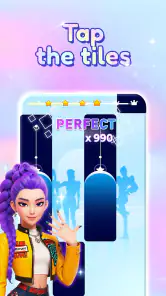
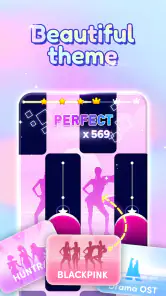
My Singing Pet: Pop Piano Game is a casual music game built around tapping tiles in time with songs and helping a cute pet character sing along. Its bright presentation and simple controls make it approachable for players who want a quick rhythm challenge. The exact song selection, characters, and features may vary by app version, so check the current store listing before downloading.
How do you play My Singing Pet: Pop Piano Game?
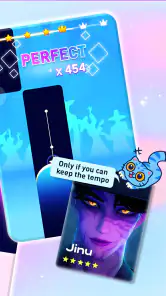
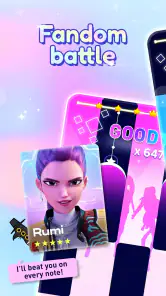
Gameplay generally involves watching the screen, tapping the appropriate tiles as they appear, and keeping up with the beat to complete a song. Accurate timing is important, while missed or late taps can affect your performance. The basic idea is easy to understand, but faster sections may take practice. If the game offers different modes or difficulty levels, their availability can depend on the installed version.
Is My Singing Pet: Pop Piano Game free to download?
The game may be available to download at no upfront cost, but that does not necessarily mean every feature is free. Mobile games can include advertisements, optional purchases, or paid content such as additional songs or items. These details may differ between Android and iOS, and can change over time. Review the app’s store page and in-app purchase information before installing or making a purchase.
Does My Singing Pet: Pop Piano Game need an internet connection?
Whether you can play offline may depend on the game version and the feature you want to use. Some rhythm games allow access to previously downloaded songs without a connection, while advertisements, updates, online events, or certain music content may require internet access. The store listing may not explain every offline limitation, so check the game’s instructions and try its available modes if offline play matters to you.
Is My Singing Pet: Pop Piano Game suitable for children, and what should parents check?
Its colorful pet characters and straightforward tapping gameplay may appeal to younger players, but suitability depends on the child and the app’s current content. Before downloading, parents should review the age rating, privacy disclosures, and any advertising or in-app purchase details shown in the store. It is also sensible to check device permissions and use parental controls to manage purchases or limit screen time.
Pros
- Simple tap controls are easy to pick up
- even for younger players.
- Short song sessions make it convenient for quick breaks.
- Cute pet characters give the game a playful
- lighthearted feel.
- Rhythm challenges can help players practice timing and coordination.
- A colorful interface makes menus and gameplay easy to follow.
Cons
- Song timing can feel unforgiving if you tap slightly early or late.
- Repeated patterns may become predictable after extended play.
- Fast sections may be difficult for players with slower reflexes.
- Frequent prompts or ads can interrupt the flow of play.
- Gameplay offers limited appeal if you prefer deeper music challenges.

- Category
- Music
- Version
- 2.7.0