My Baby Care Virtual Care Game
- 58.00
- 3.7
- Installs
- 500.00K
- Price
- Free

Screenshots
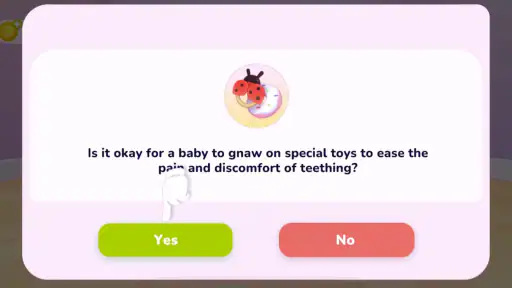
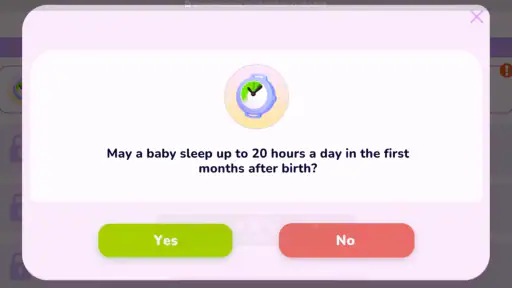
Analysis by Reviewed
I find My Baby Care easiest to enjoy when I treat it as a short, hands-on role-play game rather than a deep parenting simulator. Its appeal is the routine: respond to a baby, handle a care activity, then move on to play or dress-up. That makes it approachable for children curious about looking after a baby, though I would not use it as a substitute for real childcare guidance. The game is free to start, but optional in-app purchases are listed at $9.99 to $29.99 per item, so I’d keep that in mind if a child will be playing unsupervised.
Small goals make the first session easy
The early appeal is that the activities are immediately understandable. Feeding, bathing, dressing and play give a new player clear things to do without needing to learn a complicated rule set first. I’d suggest trying one activity at a time with a younger child and talking through the choices together. That turns the play into a simple conversation about routines, rather than a rush to tap through every task.
That simple structure is also a limitation for players who want a larger mission to work toward. The game’s premise is caring for a baby, not solving a story or mastering a strategy system. If your child needs elaborate objectives, competitive play or a strong narrative to stay interested, a puzzle game or story-led educational title may be a better fit.
Progress feels like a sequence of care moments
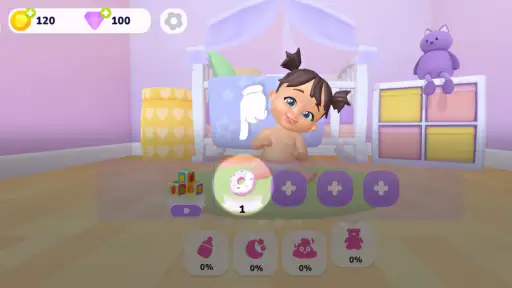
The main feedback comes from seeing the baby respond to what you do. That cause-and-effect loop is a natural way to keep a child engaged: choose an action, notice the response, and decide what to try next. I find that more useful than treating the game as a checklist to finish as quickly as possible. It also gives an adult playing alongside a child a chance to ask why one activity might come before another.
There is a trade-off, though. The store describes a mix of care activities and fun games, but the experience is centered on familiar baby-care play rather than a demanding progression challenge. I would not expect every session to feel substantially different from the last. For a younger player who likes repetition and predictable routines, that can be comforting; for an older player who wants steadily harder tasks, it may feel light.
Who is likely to enjoy it
I’d recommend it most to children who enjoy pretend play, dolls or gentle tap-and-interact games, especially when an adult can help set reasonable expectations about purchases. It can also work as a brief shared activity: a parent or older sibling can let the child choose what to do, then use the baby’s reactions as a prompt for conversation. That is a more grounded use than expecting the game to teach practical caregiving skills on its own.
I would skip it if you are looking for a serious simulation, a highly varied challenge curve or an app whose appeal depends on substantial long-term progression. Compared with educational games built around quizzes or structured lessons, this one leans on role-play and interaction. Compared with open-ended doll-play apps, its care routine gives play a clearer theme, but may offer less freedom for someone who wants to invent their own scenarios.
More From Our News Desk

Clash of Clans Is Won Between the Battles

Android Auto Makes the Case for Quieter Car Software

MobiOffice: Transforming Mobile Productivity with Seamless Integration

EA SPORTS FC™ Mobile Soccer: Redefining Mobile Sports Gaming

How Microsoft OneDrive Became a Mobile Productivity Giant

How Google Translate Breaks Language Barriers Effortlessly
How the pace holds up
A useful way to try it is to make the first visit a short session: explore a care activity, let the child choose a play option, and stop when interest fades. That helps reveal whether the routine itself is appealing before you consider spending money. If a purchase prompt appears, I’d pause and decide with the child rather than treating an unlock as a necessary part of the game.
That approach matters because repetition is both the game’s strength and its likely source of fatigue. Familiar actions are easy to return to, but they may not keep every player engaged for long stretches. I see it as a casual game for spare moments, not something that needs to become a daily obligation. Its best pacing comes from letting the child lead and ending on a positive moment instead of pushing for one more task.
Getting Started: The First Steps
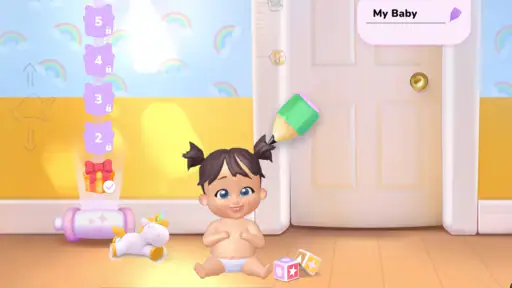
Upon opening My Baby Care, you are immediately welcomed into a vibrant, colorful world that is both inviting and intuitive. The app does a fantastic job of easing you into the role of a caregiver with a simple, user-friendly interface. The graphics are cartoonish yet charming, making it appealing not just for kids but also for adults who are young at heart.
The game starts by allowing you to choose your baby. This personalization aspect is a nice touch, as it gives you a sense of ownership and responsibility right from the get-go. Each baby has a unique personality, and as the game progresses, you’ll notice how their individual traits influence their responses to different scenarios. It's almost like getting to know a new little friend!
Daily Tasks: More Than Just Fun
Once you’ve gotten acquainted with your baby, the real fun begins. You’re tasked with feeding, bathing, and playing with your baby, among other daily chores. These tasks are designed to mimic real-life baby care, and the game does a stellar job of making them both challenging and enjoyable. It’s these little daily tasks that make My Baby Care so addictive. You’re not just playing a game; you’re experiencing miniature slices of parenting life.
The bath time, for instance, is not just about splashing water around. You need to choose the right shampoo, ensure the water temperature is just right, and keep your baby entertained throughout. It’s detailed, it’s meticulous, and it’s surprisingly rewarding when you get it right!
Why You'll Love It
One of the standout features of My Baby Care is the attention to detail. Every action you take has a reaction from your baby, teaching you the cause and effect relationships that are crucial in real-life caregiving. It’s an educational tool disguised as a game, making it perfect for kids who are curious about what it’s like to look after a baby.
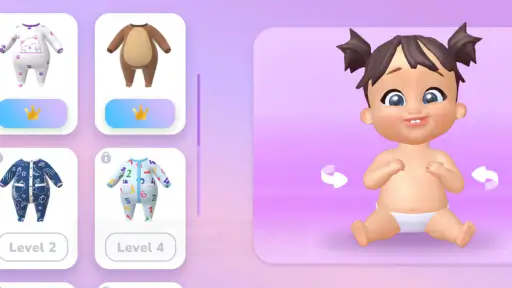
Moreover, the game offers a variety of mini-games to keep things fresh and exciting. From dressing up your baby in the cutest outfits to exploring different rooms filled with interactive elements, there is no shortage of activities to keep you engaged. These mini-games not only break the monotony but also enhance the overall gameplay experience.
Version, audience and practical fit
Pixeland OU’s My Baby Care Virtual Care Game is an educational game rated Everyone, with an average rating of 3.7 from around 966 ratings and 58 written reviews. It has passed 500K installs, is free to download, and its current version is 1.0.5; it requires Android 7.0 or later. Those figures suggest a game with a meaningful audience, but they do not guarantee that its gentle, repetitive style will suit every child.
For an everyday example, I can imagine handing it to a child during a quiet stretch at home: they pick a baby, try a care task, and then switch to dressing or play when they are ready for a change. I’d stay nearby, both to guide younger players through the choices and to handle any purchase decision. The game is better as a shared bit of pretend play than as a way to occupy a child for a long, uninterrupted period.
What to expect before settling in
One practical question is whether the game is suitable for a child who is still learning to read or use a touchscreen. Its welcoming interface and activity-based premise appear aimed at accessible play, but I would still sit with a young child for the first session and see how easily they understand what each action asks them to do. That first look also helps you judge whether the pace feels calm or whether the child wants more variety than the routine provides.
Another useful distinction is between playful familiarity and real instruction. The care activities can prompt conversation about feeding, bathing and getting dressed, but I would not present the game’s choices as a reliable guide to caring for an actual infant. For a child who wants to explore nurturing through make-believe, that distinction is easy to explain; for someone seeking practical lessons, an adult-led activity or a more structured educational resource is the stronger choice.
Making a short session work
I’d use the game differently depending on the moment. When a child has only a few minutes, I would let them choose one care activity and finish there, rather than introducing every option at once. When we have more time, I’d let them move from care into dress-up or play and ask what they want to do next. That small choice matters: it keeps the session child-led without turning the game into a race to complete a routine.
For a child who is still building confidence with a touchscreen, playing together can also reveal whether they understand the interaction or are simply tapping everywhere to see what happens. I’d demonstrate one action, then hand control back and let them try. If they enjoy making choices but struggle with the controls, an adult can make the game a shared activity; if they want to play entirely independently, it is worth checking that they can navigate comfortably before leaving them to it.
Where it sits among children’s games
My Baby Care occupies a middle ground between a structured educational app and an open-ended pretend-play toy. A quiz-based learning game usually gives clearer right-or-wrong feedback and a more obvious sense of lesson completion. A doll-play app may offer broader imaginative freedom, while this game gives the child a recognizable care theme to return to. I’d choose it when the child likes nurturing routines and visible reactions, not when the main goal is literacy practice, number skills or a tightly guided curriculum.
That distinction is useful when deciding whether its educational label matches what you want. The learning value I see is conversational and observational: a child can notice that actions prompt responses and talk about everyday routines with an adult. It is not the same as a lesson plan, and it should not be expected to teach reliable infant-care procedures. If you want a game that measures progress through academic tasks, another educational title will be a more direct choice.
Managing expectations around access and purchases
Because the download is free and purchases are optional, I would make the household rule clear before handing the device over: the child can play, but an adult makes any spending decision. That avoids treating a purchase prompt as part of the caregiving activity, and it gives you a chance to see whether the available play is enough to hold the child’s interest. I would not promise a particular outfit, activity or unlock before checking what the game actually makes available in your session.
The useful test is not whether a child asks for more after one visit, but whether they return to the care routine without needing a purchase to make it interesting. If they do, the basic role-play may already be a good fit. If their interest depends on accessing extras, I’d weigh that against the price shown for each item and consider whether a different game offers the kind of variety they want without the same spending decision.
Progression verdict
My overall view is that the game’s goals and pace work best in modest doses. The initial care actions provide an easy entry point, while the baby’s responses and the range of activities offer enough feedback to make a short visit feel complete. I would not choose it for a player motivated mainly by tough levels, a clear unlock path or a steadily escalating challenge. Its progression is more about returning to familiar role-play than conquering a demanding sequence.
The 3.7 average rating gives a quick indication of mixed-to-positive reception, while the free download makes it possible to try the basic experience before deciding whether it suits your household. I’d keep the optional purchase range in view, set expectations early, and let the child’s own interest determine how often to return. If gentle caregiving play is what they want, this is a plausible pick; if they need more structure or variety, I’d look elsewhere.
Final Thoughts
In conclusion, My Baby Care is more than just a virtual babysitting experience; it’s a charming, well-thought-out game that offers both fun and education in equal measure. It’s perfect for anyone looking to dip their toes into the world of baby care or for those who simply want a fun, interactive game to pass the time. So, if you’re ready to embrace the chaos of virtual parenting, give My Baby Care a try and see if you have what it takes to be a virtual super-parent!
My Baby Care Virtual Care Game Frequently Asked Questions
How much space should I set aside for My Baby Care Virtual Care Game?
Before downloading, check that your device has enough free storage for the game and its files. The game is intended for Android devices running version 7.0 or later, so it is also worth checking your device’s operating system before you begin. Making these checks can help avoid download or installation interruptions.
Who makes My Baby Care Virtual Care Game, and which version is available?
My Baby Care Virtual Care Game is made by Pixeland OU, and version 1.0.5 is available. It is an educational game centered on caring for a virtual baby, with activities such as bathing, feeding, dressing up, and playing. Knowing the developer and version can help you identify the game you are considering before downloading it.
What is My Baby Care Virtual Care Game all about?
My Baby Care Virtual Care Game is an interactive simulation game where players take on the role of a virtual babysitter. The game allows you to experience the joys and challenges of caring for a virtual baby, including feeding, changing diapers, and playing with the baby. It's designed to be both entertaining and educational, teaching young players about responsibility and caregiving.
Is My Baby Care Virtual Care Game suitable for children?
Yes, My Baby Care Virtual Care Game is suitable for children, with an Everyone content rating and an educational focus. The game is designed with age-appropriate graphics and tasks that are simple and fun, making it an appealing choice for kids who are interested in learning about caregiving. However, parental guidance is recommended for younger children to ensure they understand the tasks and objectives.
Can I play My Baby Care Virtual Care Game offline?
My Baby Care Virtual Care Game offers both online and offline modes. Players can enjoy the game without an internet connection, making it convenient for playing on the go. However, some features, such as accessing additional content or updates, may require an internet connection. Ensure you have sufficient storage space on your device for offline play.
Pros
- Engaging and educational gameplay.
- Visually appealing graphics.
- Simple controls for kids.
- Encourages responsibility.
- Wide variety of activities.
Cons
- Contains in-app purchases.
- Ads may disrupt gameplay.
- Limited offline features.
- Some activities can be repetitive.
- Requires internet connection.

- Category
- Educational
- Version
- 1.0.5