Muse Dash
- 2.42K
- 4.5
- Installs
- 500.00K
- Price
- $2.99

Screenshots







Analysis by Reviewed
When I pick up a rhythm game, I want the music to shape what my hands are doing, not just sit behind a row of notes. Muse Dash has a lively side-scrolling approach that makes each run feel like a small action scene: you keep moving, respond to incoming beats, and try to stay in time as the screen fills with things to hit or avoid. That combination gives it a different feel from a conventional tap-to-the-beat game, while still being easy to understand at a glance.
A paid starting point, with more spending to consider
This is a paid music game from developer hasuhasu, listed at $2.99, with optional in-app purchases priced from $0.99 to $33.99 per item. I would think of the initial price and those optional purchases as separate decisions: the first gets you into the game, while extra spending is something to weigh for yourself rather than assume you need. The game has a 4.5 average from around 59,000 ratings, and more than 500,000 installs, which suggests it has found a substantial audience without telling me whether its particular style will suit you.
One practical point is that the purchase range is wide. Before buying anything inside the game, I’d check what the item offers and whether it adds something I genuinely want, rather than treating optional content as a requirement for enjoying the core rhythm-action idea. The age rating is Teen, so it may not be the right choice for every family. Its current version is 4.10.0, and it runs on Android 6.0 or later.
Progress without turning every run into a test
The appeal for me is the short feedback loop: a track starts, the action arrives quickly, and I can tell whether my timing is improving. That makes it easy to fit a run into a break or play a few rounds at home without planning a long session. The pressure comes from keeping up as patterns become more demanding, not from needing to study a complicated control scheme before I can start.
I also wouldn’t treat every miss as a verdict on my reflexes. In rhythm games, a busy screen and unfamiliar timing can make an early attempt feel rough; replaying a track after I understand its visual cues is a better way to judge whether the challenge clicks. If I’m tired, I’d choose a more relaxed session rather than chasing a perfect run. That small change makes the game feel like entertainment again instead of another score to worry about.
Fairness, expectations, and what I would check
The game’s mix of running, striking, and dodging is the main distinction from the usual lane-based music games. If you prefer reading a clean stream of notes with minimal action on screen, a traditional rhythm title may feel fairer and easier to parse. Here, the visual energy is part of the appeal, but it can also compete for attention when I’m still learning a song. I’d start by focusing on the beat and the movement cues, then worry about chasing a stronger result once the pattern feels familiar.
I wouldn’t make a claim about competitive balance or paid items affecting scores without knowing exactly how a player’s chosen content interacts with a particular mode. The sensible approach is to enjoy the rhythm and action first, and check the details of any purchase before spending. That is especially worth doing if you care about comparing results with other players: I’d want to understand what is being compared rather than assume every run uses identical content or conditions.
More From Our News Desk

Clash of Clans Is Won Between the Battles

Android Auto Makes the Case for Quieter Car Software

MobiOffice: Transforming Mobile Productivity with Seamless Integration

EA SPORTS FC™ Mobile Soccer: Redefining Mobile Sports Gaming

How Microsoft OneDrive Became a Mobile Productivity Giant

How Google Translate Breaks Language Barriers Effortlessly
Gameplay that Keeps You on Your Toes
From the moment you hit play, Muse Dash immerses you in a vibrant world where music and action go hand in hand. The premise is simple yet thrilling: you choose a character and run through colorful levels, hitting beats and dodging obstacles. The controls are intuitive—just tap and swipe, making it super easy to get into the groove. But don't be fooled, as the difficulty ramps up, you'll find yourself tapping like a pro just to keep up with the rhythm.
A Visual and Musical Feast
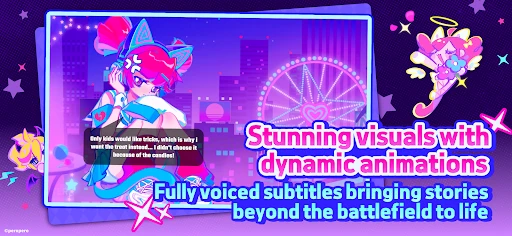
One of the standout features of Muse Dash is its stunning visuals. The art style is a delightful mix of anime and pop art, which perfectly complements the game's energetic vibe. Each level is a visual treat, filled with quirky enemies and vibrant backgrounds that change with the beat. And let’s not forget the music—oh boy, the music! The game boasts an impressive soundtrack featuring various genres that keep you pumped and engaged. Whether you're into pop, electronic, or something more niche, Muse Dash has got you covered.
The developers have done an excellent job of curating tracks that not only sound great but also fit the gameplay seamlessly. It’s like having your own personal concert, where you’re not just a spectator but also an active participant.
Unlock and Customize
What’s a game without a little customization, right? Muse Dash offers a plethora of characters and skins you can unlock as you progress. Each character comes with unique abilities, adding a strategic layer to the game. You can choose your favorites and tailor your gameplay experience to suit your style. Plus, the game frequently updates with new content, so there’s always something new to look forward to.
The incentive to unlock more content keeps you coming back for more. And let’s be honest, who doesn’t love unlocking new outfits and showing them off?
Final Thoughts
In conclusion, Muse Dash is a must-have for anyone who loves rhythm games or is just looking for something fresh and exciting. It’s a game that doesn’t just focus on one aspect but brings together stunning visuals, a killer soundtrack, and engaging gameplay to create an experience that’s hard to put down. So, if you’re ready to tap into some serious fun, download Muse Dash and let the rhythm take you away!
Whether you’re on your daily commute or just chilling at home, Muse Dash is the perfect companion to spice up your day. Just be warned, once you start playing, it’s hard to stop!
Making a short session count
A useful way to approach the game is to treat each attempt as practice with a clear focus, rather than trying to improve everything at once. On a first run, I’d follow the music and learn which screen cues signal an incoming hit or obstacle. On the next, I’d pay attention to the moments that caused trouble. That turns a quick play into a small, manageable learning loop, and it is more satisfying than restarting immediately whenever a run goes poorly.
This also makes the game a reasonable fit for an ordinary pause in the day. If I have a few minutes between tasks, I can play a track, notice one pattern that caught me out, and stop without needing to commit to a long campaign session. On a bus or train, though, I’d consider whether I can give the screen and timing my attention; movement around me or a noisy environment can make a rhythm game less comfortable. A quiet break at home is a better setting when I want to concentrate on a demanding section.
Who will enjoy the action-and-rhythm mix
I’d recommend it most to players who like rhythm games but want something more animated than following notes along fixed lanes. The side-scrolling action gives the beat a physical sense of momentum, and the combination of attacking and avoiding makes the play feel active rather than purely observational. It can also work for someone curious about rhythm games who wants a simple idea to grasp before getting into more technical scoring systems.
It is less suitable if you mainly want a calm soundtrack player, a music library, or a minimalist test of timing with little visual activity. The moving characters, colorful backgrounds, and action cues are central to its identity, not decoration that can simply be ignored. Players who find busy screens distracting may prefer a stripped-back rhythm title, while those who dislike repeating tracks to learn patterns may not enjoy the improvement loop here.
Reading the screen without losing the beat
One small adjustment that helps is to avoid staring at every animated detail. I find it more useful to settle on the part of the screen where approaching cues become readable, then let the beat guide my timing. The visuals are a pleasure, but they are also information; looking around at every enemy or background change can pull attention away from the next action. Once the pattern becomes familiar, there is more room to appreciate the presentation without sacrificing timing.
Another practical trade-off is that tapping and swiping may feel natural to one player and cramped to another, especially during dense sequences. I would try a few different tracks before deciding whether the input style suits my hands and device. If a run feels awkward, it may be the screen layout or the speed of the pattern rather than a lack of musical sense. That distinction matters: a game can be appealing in principle and still not feel comfortable in a particular setup.
What the price does—and does not—settle
The $2.99 entry price makes this a purchase to consider rather than a free game to sample casually, and the in-app purchase range means I would set a personal spending limit before browsing extras. I would first decide what I want from the game: a few satisfying rhythm-action sessions, or a reason to keep collecting more content. Those are different expectations, and the second may involve additional spending. I would not assume that buying optional items is necessary to understand the basic appeal.
For a parent or someone buying for a younger player, the Teen rating deserves a look before purchase, alongside the item descriptions and any purchase controls available on the device. The age label is a useful starting point, not a substitute for deciding whether the game’s presentation and spending options fit the person who will use it. For my own budget, I’d avoid buying extras during the excitement of a new session and revisit the choice after I know what I actually want to play.
Choosing between this and a traditional rhythm game
Compared with the familiar lane-based format, Muse Dash asks me to read a moving scene and react to both musical beats and hazards. That creates more personality and spectacle, but it also means the challenge is not only about placing a finger on a note at the right moment. If I want visual variety and an action-game feel, that difference is a strength. If I’m practicing precise note reading or prefer a clear, uncluttered interface, a conventional rhythm game may be the better pick.
It is also worth separating personal progress from competitive comparison. A stronger result after replaying a track is meaningful to me because I can feel the timing becoming more natural. That does not automatically tell me how results compare across players, selected content, or conditions. I would check the details shown in the game before treating a score comparison as an even contest; without that context, enjoying my own improvement is the more reliable measure.
Practical questions before you settle in
If you are wondering whether it works for brief play, my answer is yes: the track-based structure makes it easy to fit in a short session, though mastering a difficult pattern can take repeat attempts. If you are asking whether it is suitable for a beginner, the core idea is easy to understand, but the pace can still take practice. I would start with a track that feels manageable and learn the visual language before judging how far I want to push the challenge.
If your main concern is spending, the clearest decision is to separate the initial purchase from optional items and inspect each extra before paying. If your concern is fairness, avoid assuming that every score comparison uses identical content or conditions. And if you are unsure whether the presentation is for you, the best clue is the central mix itself: bright visuals, music-led timing, and side-scrolling action. Someone who wants understated play should look elsewhere; someone who enjoys that combination has a distinctive rhythm game to explore.
My trust verdict
My overall view is positive, with a practical caveat: I like the way rhythm and action work together, but I would go in with clear expectations about cost, screen activity, and the time it can take to learn a track. The purchase context is straightforward enough to plan around, while optional spending calls for a moment of judgment rather than an automatic yes. I also prefer to keep claims about competitive fairness modest unless I have checked the exact conditions involved.
For players who want an energetic music game and enjoy improving through repeat runs, I think it is worth considering. For anyone who wants a quiet listening experience, a minimalist note chart, or a game with no purchase decisions beyond the initial price, a different rhythm title may fit better. I’d try it with a small, deliberate session, decide whether the action cues feel readable, and spend further only when a specific extra seems worthwhile. That is the approach that lets the game’s personality shine without turning enthusiasm into pressure.
Muse Dash Frequently Asked Questions
Can I adjust the controls or difficulty in Muse Dash?
Muse Dash is built around reacting to rhythm and obstacles, so comfortable controls and a suitable challenge can make a big difference to how enjoyable it feels. If you are new to rhythm games, expect to spend some time getting used to the timing and movement. The game’s appeal comes from combining musical cues with quick action, rather than simply listening to tracks.
Is Muse Dash a good choice for someone new to rhythm games?
It can be a lively introduction if you enjoy music and quick, action-focused play. Muse Dash asks players to tap in time while navigating a level, so the main skill is learning to respond to the beat and what appears on screen. Beginners may need practice to feel comfortable, but the combination of music, movement, and colorful visuals gives each run an energetic feel.
Does Muse Dash require an internet connection, or can I play offline?
Muse Dash is a music game built around tapping in time with tracks while moving through levels. Whether you plan to play on the go or at home, check that the game has finished installing and that any content you want to use is available on your device before starting a session. The core appeal is its rhythm-based action, so a comfortable way to hear the music can make play more enjoyable.
What is Muse Dash, and what can players expect from the game?
Muse Dash is a vibrant and fast-paced rhythm game that combines music and action-platformer elements. Players can expect an engaging experience featuring a wide array of catchy tracks and colorful visuals. As players navigate through different levels, they must tap in time with the music to overcome obstacles and defeat enemies, providing a fun and challenging gameplay experience.
Is Muse Dash suitable for all ages, and what are the content ratings?
Muse Dash is designed to appeal to a wide range of audiences, but it is generally rated for players aged 12 and above due to its mild fantasy violence and suggestive themes. Parents should be aware that some of the game's artwork and themes might not be suitable for younger children, although it remains a light-hearted and enjoyable game overall. Its content rating is Teen, so families should consider that guidance when deciding whether it is appropriate for younger players.
Pros
- Vibrant and colorful graphics
- Engaging rhythm-based gameplay
- Wide range of music tracks
- Intuitive and easy controls
- Regular updates with new content
Cons
- Limited free content
- In-app purchases can be pricey
- Repetitive gameplay over time
- No multiplayer mode
- Requires constant internet connection

- Category
- Music
- Version
- 4.10.0