Lowriders Comeback 2: Cruising
- 1.02K
- 4.3
- Installs
- 50.00K
- Price
- $0.49

Screenshots
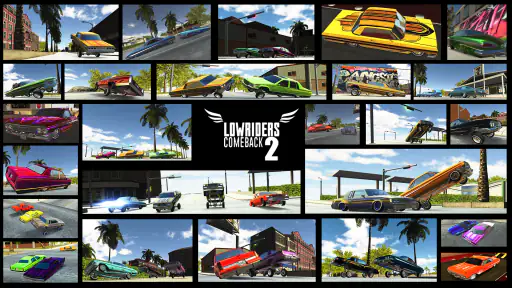
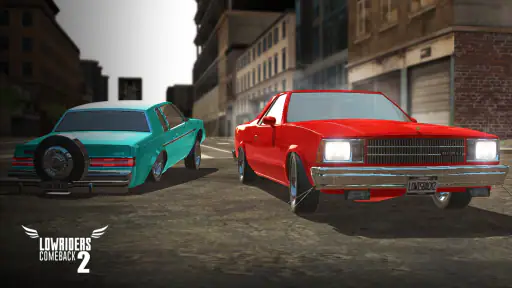
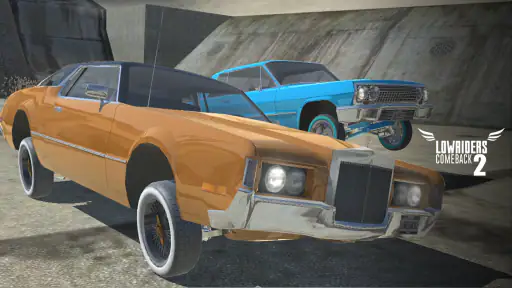
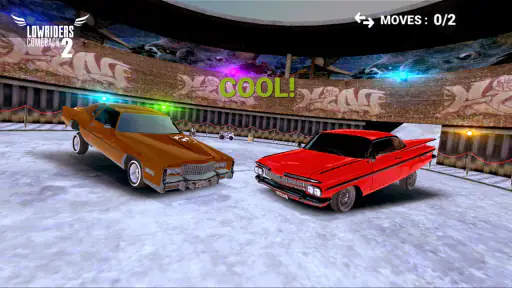
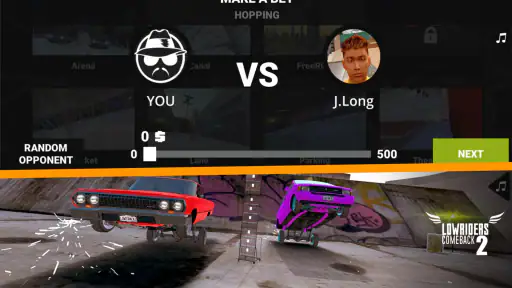
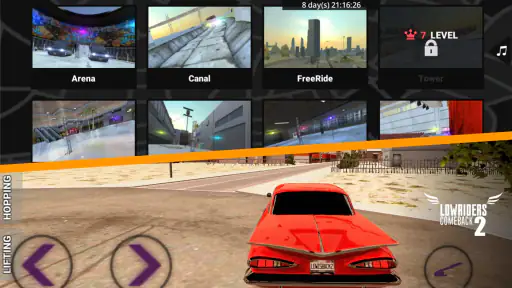
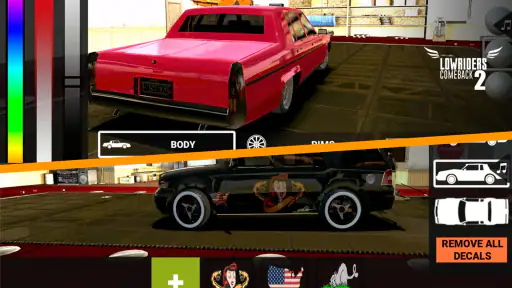
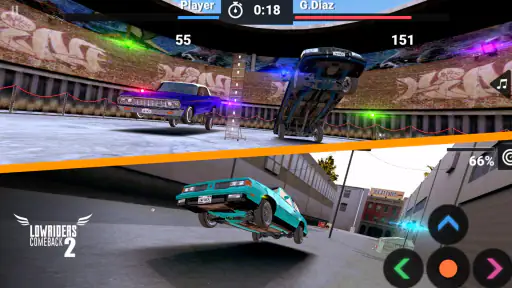
Analysis by Reviewed
I’d approach Lowriders Comeback 2: Cruising as a niche music game rather than a conventional driving simulator. The lowrider theme is the main draw: it puts bouncing cars and musical timing at the center, so the appeal is less about racing from point A to B and more about enjoying the style and rhythm. If that sounds like your kind of short mobile-game break, the premise is easy to grasp before you start.
What to expect from the lowrider theme
Beast Bros. Games made this for players who want a game with a strong identity, not another generic music title built around tapping notes over a scrolling track. Its store description points to dancing, hopping and cruising, which gives a useful sense of the mix: music is part of the experience, while the cars and their motion supply the personality. I’d go in expecting a playful, stylized take on lowrider culture, not a serious vehicle simulator or a broad racing game.
That difference matters when choosing between this and the usual alternatives. A rhythm game focused on chart accuracy is a better fit if you want demanding note patterns and a large music-first experience. A traditional racer makes more sense if your priority is speed, tracks and competition. This game sits in a narrower lane, and that focus is its charm; it is also why players who have little interest in lowriders may not find enough variety in the theme alone.
Getting started and finding your rhythm
The game costs $0.49 to download, and it is rated Everyone. It has a 4.3 average from around 2.3K ratings, with over 50K installs, so it has found a modest audience rather than the reach of a major mobile hit. The current version is 3.3.4, and it was released on Nov 6, 2016. It requires OS 12 or later and also offers in-app purchases, priced from $1.49 to $43.99 per item. I’d treat the paid download and optional purchases as two separate spending decisions: check that the basic premise appeals to you before considering anything extra.
A low-pressure first session
For a first run, I’d keep the goal simple: learn how the game connects musical timing to the car’s movement, then repeat a section until the actions feel natural. Don’t worry about chasing a perfect run immediately. In music games, early frustration often comes from trying to react to everything at once; focusing on one cue or movement at a time makes it easier to notice what the game is asking of you. A quick session while waiting for a friend or taking a break is a better first test than expecting a long, story-driven experience.
One practical tip is to play somewhere you can give the audio your attention. The music is part of the feedback, so a noisy commute or a muted phone may make it harder to settle into the timing. If you prefer silent play, this may be less satisfying than a game that communicates everything visually. I’d also avoid judging the whole experience from one imperfect attempt: the useful first milestone is recognizing the rhythm and making the lowrider’s movement feel intentional.
Who will enjoy it—and who may not
I can see this working best for someone who likes music games but wants a theme with more character than a standard note chart, or for a lowrider fan curious about a playful mobile interpretation of cruising culture. It can also suit a casual player looking for a compact activity rather than a game that demands a lengthy commitment. The main trade-off is that its appeal depends heavily on enjoying this particular theme. If you want realistic driving, deep vehicle tuning, a large licensed soundtrack, or the competitive structure of a conventional racer, I’d choose a different game instead.
More From Our News Desk

Clash of Clans Is Won Between the Battles

Android Auto Makes the Case for Quieter Car Software

MobiOffice: Transforming Mobile Productivity with Seamless Integration

EA SPORTS FC™ Mobile Soccer: Redefining Mobile Sports Gaming

How Microsoft OneDrive Became a Mobile Productivity Giant

How Google Translate Breaks Language Barriers Effortlessly
It also helps to keep expectations grounded about progression and social play. I wouldn’t download it assuming that an online club scene, frequent events or regular new additions will be central to the experience. The clearest reason to try it is the combination of lowrider style and musical interaction, not a promise of endless new content. For a first-time player, that makes the decision straightforward: pay for the base game only if that core idea sounds fun, and treat optional purchases as something to evaluate later rather than part of getting started.
Making the next session count
Once the timing starts to click, use another short session to compare your own consistency rather than inventing a score target. Notice whether you are anticipating cues, reacting late, or losing the beat when the car moves; that small bit of self-checking gives you a clearer next step than repeatedly tapping without thinking. If the rhythm feels enjoyable, keep exploring at your own pace. If it still feels like work after a few tries, that is a fair sign that a more conventional rhythm game may suit you better.
For me, Lowriders Comeback 2: Cruising is an easy recommendation only for the right person: someone drawn to its lowrider-meets-music idea and happy with a focused, distinctive game. It is not the safest pick for someone shopping for a deep racer or a broad music library, but its specific style gives it a personality that those alternatives may not. Start with a relaxed session, listen for the timing, and decide based on whether the cruising rhythm itself makes you want to come back.
Choose a good moment for your first try
This is the kind of game I’d try at home or somewhere calm before deciding whether it works as a quick everyday diversion. Give yourself enough attention to hear the music and understand how your input relates to the car’s movement. That first test is more useful than opening it for a few distracted seconds between notifications, because a missed cue can make the controls seem less clear than they are.
A realistic first session might be a short break after work: start with no particular score in mind, pay attention to one movement at a time, then stop once you can tell what the rhythm is asking you to do. If you enjoy that small learning curve, return later and see whether your timing feels steadier. If you are looking for something that can occupy a long evening with a story or a wide range of modes, this focused premise may feel slight instead.
How to make the timing easier to read
When a run feels messy, I’d change one thing at a time rather than trying to move faster. Listen for the beat first, then watch how the car responds to your actions. If you concentrate on the visual motion and the soundtrack equally from the start, it is easy to lose track of which cue you are following. Separating those signals gives you a simple way to work out whether the trouble is timing or just unfamiliarity with the game’s rhythm.
It is also worth keeping early attempts short. Repeating a small amount with attention can teach you more than playing on autopilot for a long stretch, especially when you are still learning to connect sound and motion. I would not treat an awkward opening run as proof that the game is unfair or that you lack rhythm; it may simply take a little time to understand its particular musical language. On the other hand, if that process feels like practice rather than play, there is no reason to force it.
What the price and purchases mean for a newcomer
The low purchase price makes trying the core idea a relatively small commitment, but the optional purchases deserve a separate pause. I would first decide whether the basic experience is enjoyable, then consider whether anything extra seems worthwhile to me. The listed in-app purchase range is wide, so it is sensible to check the purchase screen carefully before confirming anything and to avoid assuming that spending more is necessary to understand the game.
That approach is especially helpful if you are buying it for someone else. The Everyone age rating makes the content broadly accessible, but it does not tell you whether a particular player will like the lowrider theme or musical timing. I’d describe the game to them plainly: it is a specialized music game built around the character of lowrider cruising, not a general-purpose driving title. That gives them a better basis for deciding than the low price alone.
Where it sits among music and driving games
Compared with a conventional rhythm game, the appeal here is not simply testing how accurately you can follow a stream of notes. The lowrider presentation gives the musical interaction a distinct visual identity, which is a welcome change if standard charts have started to feel interchangeable. The trade-off is that someone who mainly wants a broad selection of tracks or a clear competitive ladder may find a music-first alternative more satisfying.
Against a racing game, the difference is just as important. I would not come here for realistic handling, a long sequence of courses, or the tension of competing for position. The focus is the interplay between music and the car’s movements, so it is better thought of as a themed musical diversion than a substitute for a racer. That distinction can save a new player from expecting the wrong kind of depth and then blaming the game for not being what it set out to be.
When I’d keep playing—and when I’d move on
I’d keep it installed if I found myself wanting another short session to get the rhythm feeling smoother, or if the lowrider style itself made the experience pleasant even when I was not chasing improvement. That is a useful test for a casual game: do you want to return because the activity feels good, rather than because you feel obliged to finish a checklist? If the answer is yes, its compact focus can be an advantage.
I’d move on if I wanted a serious driving challenge, a more conventional music library, or a game that offered a very different activity from one session to the next. There is no need to stretch a narrow concept into something it is not. The game’s strongest case is its specific mix of cruising imagery and musical play; the same focus that makes it memorable can make it a poor match for someone who wants variety above all else.
Immersive Gameplay and Features
From the moment you fire up Lowriders Comeback 2: Cruising, you're greeted with a feast for the senses. The graphics are nothing short of stunning, capturing the essence of lowrider culture with impeccable detail. The cars are customizable to an impressive degree, allowing you to tweak everything from the paint job to the hydraulics. It's like having a virtual garage at your fingertips!
What really sets this game apart is its dedication to realism. The physics engine is top-notch, making every bounce and dip of your lowrider feel incredibly lifelike. It's not just about aesthetics; it's about the experience of driving these iconic vehicles in a way that feels authentic. Plus, the soundtrack is loaded with tunes that perfectly complement the cruising vibe, making you feel like you've been transported to a car show in sunny California.
Community and Social Interaction
One of the game's standout features is its strong community aspect. You can join clubs, participate in events, and even compete against friends or other players from around the globe. This social dimension adds a whole new layer of fun, as you can not only show off your ride but also see how it stacks up against others. It's a great way to connect with other car lovers and share tips and tricks.
Moreover, the developers are constantly updating the game with new content, ensuring that there's always something fresh to look forward to. Whether it's new car models, events, or customization options, you can tell that the team behind this app is passionate about keeping the game alive and kicking.
Final Thoughts
In the world of car games, Lowriders Comeback 2: Cruising shines brightly. It's a game that not only appeals to fans of the lowrider scene but also to anyone looking for a well-crafted, engaging mobile game. With its stunning visuals, realistic physics, and vibrant community, it offers an experience that's both fun and immersive.
If you're ready to dive into a world where cars bounce and shine with personality, then this is the app for you. So, hop in, start your engine, and get ready to cruise the streets in style!
Lowriders Comeback 2: Cruising Frequently Asked Questions
What kind of game is Lowriders Comeback 2: Cruising?
Lowriders Comeback 2: Cruising is a music game built around lowrider culture, with dancing, hopping and freeride cruising. Its focus is less on conventional racing and more on enjoying the cars’ movement and musical atmosphere. If you are looking for a casual game with a distinctive lowrider theme, that combination is the main appeal.
Who developed Lowriders Comeback 2: Cruising, and is it suitable for younger players?
Lowriders Comeback 2: Cruising was developed by Beast Bros. Games and has an Everyone content rating, making it broadly suitable for players of different ages. The lowrider theme and music-focused gameplay give it a different feel from a typical driving simulator. Parents may still want to check the in-app purchase settings on a device used by a child.
What platforms is Lowriders Comeback 2: Cruising available on?
Lowriders Comeback 2: Cruising is available for both Android and iOS platforms. Users can download the app from the Google Play Store for Android devices and the Apple App Store for iOS devices. It's important to ensure your device meets the minimum system requirements for optimal performance and gameplay.
Is Lowriders Comeback 2: Cruising free to play?
Lowriders Comeback 2: Cruising is priced at $0.49, and it also offers optional in-app purchases for additional features, upgrades, and customization options. These purchases are optional, and players can enjoy the core experience without spending more. Be sure to manage your in-app purchase settings if needed.
What are the main features of Lowriders Comeback 2: Cruising?
Lowriders Comeback 2: Cruising offers a variety of features including customizable cars, realistic physics, and the ability to participate in competitions with other players. The game focuses on the lowrider culture, allowing players to modify and showcase their vehicles in a virtual environment. It also features challenging missions and a vibrant community.
Pros
- Realistic car customization options.
- Wide variety of lowriders to choose.
- Dynamic and engaging gameplay.
- Multiplayer mode for added fun.
- Frequent updates with new features.
Cons
- Occasional in-app purchase pressure.
- Some bugs affect the experience.
- Graphics could be more polished.
- Requires stable internet connection.
- High battery consumption.
- Category
- Music
- Version
- 3.3.4