Kill Shot Bravo: 3D Sniper FPS
- 66.95K
- 4.4
- Installs
- 50.00M
- Price
- Free
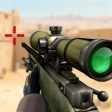
Screenshots
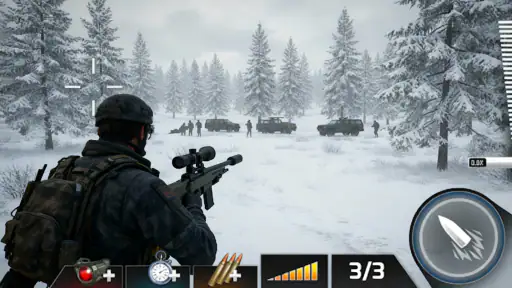
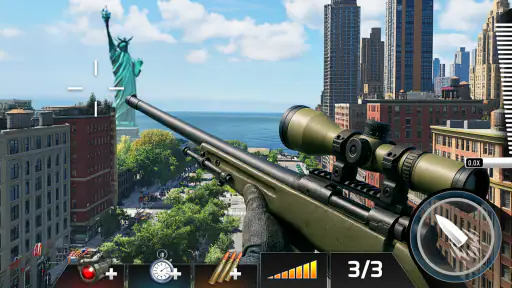
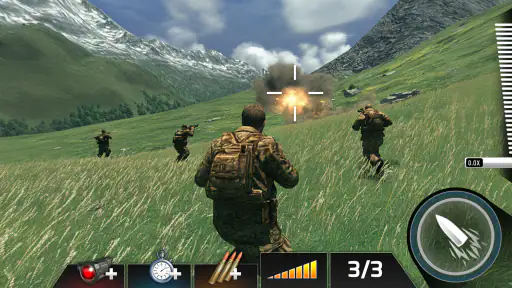
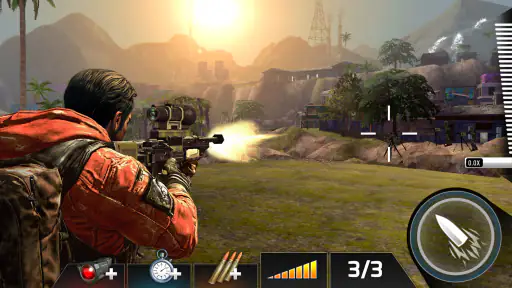
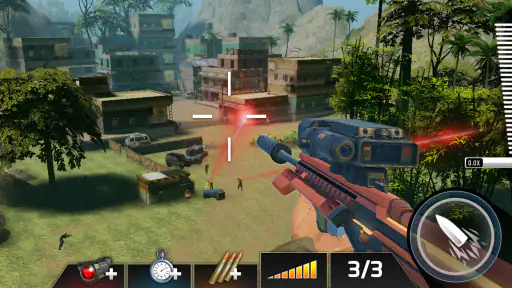
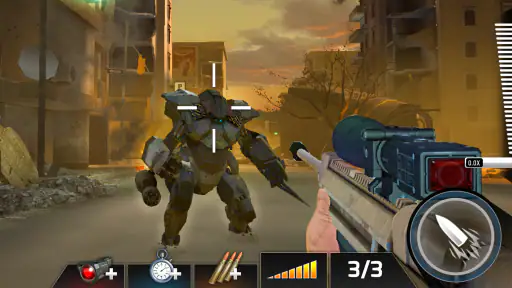
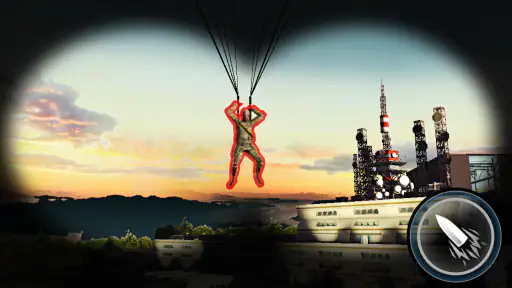
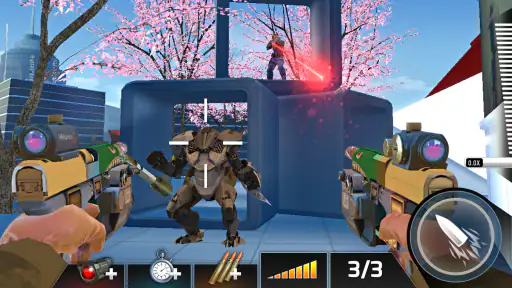
Analysis by Reviewed
I spent time with Kill Shot Bravo as an online action shooter, and my first impression was that it wants to make sniper gameplay feel immediate rather than overly complicated. The basic appeal is easy to understand: choose a mission, line up a target, and deal with the pressure of completing the shot while enemies and objectives keep the pace moving. It is free to start, but the Mature 17+ rating is important because this is built around armed combat rather than a light arcade theme.
What makes it more interesting than a single-purpose shooting gallery is the combination of sniper-focused play, competitive player-versus-player action, army-themed maps, and different modes. I would recommend it to someone who enjoys short bursts of tactical shooting and likes having both solo-style missions and online competition available. I would be less enthusiastic about it for anyone looking for a slow, realistic military simulator or a completely offline experience.
How the shooting feels when the match gets busy
The perceived speed depends heavily on what I am doing. A careful shot can feel measured because the enjoyable part is watching a target, adjusting aim, and choosing the right moment. That slower rhythm gives the game some tension. It is not simply about tapping as quickly as possible; rushing a shot can turn a manageable situation into a messy one.
Other moments feel much faster. Once several threats or objectives demand attention, the pause between aiming and acting becomes much shorter. This is where the game moves from relaxed precision to quick decision-making. I found that the best way to stay comfortable was to treat each encounter as a sequence of priorities instead of trying to react to everything at once.
That difference matters when deciding whether the game suits you. Players who enjoy a clear contrast between preparation and sudden pressure will probably appreciate the pacing. Players who want constant movement, rapid weapon switching, and uninterrupted action may find the sniper emphasis too deliberate in some missions. Conversely, people who prefer a purely slow and methodical experience may find the online modes and busier encounters more demanding than expected.
Why the first few sessions can feel deceptively simple
Early progress can give the impression that accurate aiming is the whole challenge. In practice, the stronger habit is learning when not to fire immediately. I got better results by scanning the scene first, identifying the most urgent threat, and only then committing to a shot. That small pause is especially useful when an objective is more important than an easy target.
A practical tip is to avoid treating every visible enemy as an equal priority. If the game presents several possible actions, I look for the one most likely to create immediate trouble, then work outward from there. This saves time during crowded encounters and reduces the temptation to waste an opportunity on a target that could have waited.
You May Like

Clash of Clans Is Won Between the Battles

Android Auto Makes the Case for Quieter Car Software

MobiOffice: Transforming Mobile Productivity with Seamless Integration

EA SPORTS FC™ Mobile Soccer: Redefining Mobile Sports Gaming

How Microsoft OneDrive Became a Mobile Productivity Giant

How Google Translate Breaks Language Barriers Effortlessly
The same thinking carries into player-versus-player play, although human opponents make patterns less predictable. A familiar approach from mission play may not work against someone who changes position or timing. I would use the more controlled modes to practice patience, then treat competitive matches as a separate skill rather than assuming that campaign habits transfer perfectly.
What happens during heavy-use moments
The most demanding situations are not necessarily the longest ones. A short encounter can feel heavier when several visual elements, enemies, and decisions arrive together. That is when I pay more attention to whether the phone remains responsive, whether aiming feels consistent, and whether the game recovers gracefully after an interruption.
I also noticed that online play changes the meaning of “fast.” A quick menu transition is useful, but a competitive match depends more on steady responsiveness than on simply opening the game quickly. If your connection is inconsistent, the experience can feel less predictable even when the device itself is capable. For that reason, I would test online sessions in the place where I normally play rather than judging the game only from a quiet home screen.
Longer sessions bring another trade-off. A shooter that looks and moves well can be more demanding than a basic puzzle game, particularly when the screen stays active and the action remains visually busy. I would not assume that a phone capable of running simple games will offer the same comfort here. Keeping other demanding apps closed is a sensible first step if aiming or menus begin to feel less responsive.
One useful workflow is to separate short practice sessions from competitive sessions. I prefer using a brief warm-up to check touch response and connection quality before entering a match where mistakes matter more. This also helps reveal whether a problem is temporary or linked to the device, network, or current play environment.
Reliability, recovery, and everyday use
For me, reliability in an online shooter is more than whether it launches. It includes how easily I can return to play after a pause, whether the controls remain understandable when I come back, and whether a disrupted session feels recoverable. A game with several modes naturally asks more from the player because there are more places to navigate and more types of progress to keep track of.
I would approach it with realistic expectations. A free-to-play action game can be convenient for filling a spare moment, but it is not the same as a self-contained premium title that delivers one uninterrupted experience. The presence of in-app purchases, ranging from less than a dollar to nearly a hundred dollars per item, means I would decide on a spending limit before getting invested. The important point is not that purchases exist; it is that a player should know in advance how much optional spending fits their own habits.
That advice is especially relevant for younger players. The Mature 17+ content rating makes this a poor choice for a child’s device or a family account intended for younger users. I would also avoid handing it to someone who dislikes violent shooter themes, even if they usually enjoy competitive mobile games. The tone and subject matter are part of the experience, not a minor detail.
Recovering after interruptions
Mobile gaming rarely happens in perfect conditions. A call, notification, commute, or quick switch to another app can interrupt a session. My practical recommendation is to use lower-pressure moments to pause or change tasks, and to avoid starting a competitive round when I know I may need to leave immediately. That is not a criticism unique to this game; it is simply more important when an online match depends on continuous attention.
If a session feels unstable, I would troubleshoot in a simple order: check the connection, close other demanding apps, restart the game, and then compare a solo-style activity with an online match. This separates device strain from network trouble. It also prevents the common mistake of blaming the phone for a problem that only appears during online play.
The game’s broad audience suggests that many players are comfortable with its general approach. It has an average rating of 4.4 from about 635 thousand ratings, and its reach extends beyond a niche group, with more than 50 million installs. Those figures tell me that the concept has lasting appeal, but they do not remove the personal factors that affect reliability: the age of the phone, available storage, connection quality, and tolerance for in-app purchases all still matter.
Device limits and sensible expectations
The current version is 14.6.1, and the game supports devices running Android 6.0 or later. That compatibility range is useful, but it should not be read as a promise that every compatible device will feel equally smooth. Operating-system support is a starting point. The actual experience can still vary with hardware, background activity, screen response, and network conditions.
I would be cautious with older phones, especially if they already struggle with other visually active games. A device may technically meet the minimum requirement and still offer less comfortable aiming, slower transitions, or more frequent pauses under pressure. If your phone has limited free space or tends to become warm during games, short sessions are a more sensible test than committing to a long play period immediately.
There is also a battery trade-off to consider. Online action, an active display, and repeated aiming can make a session feel more demanding than reading or listening to music. I would play near a charger for longer runs and avoid judging battery behavior from a single brief launch. The goal is not to promise a particular endurance figure, but to recognize that this is the kind of game where screen time and connectivity are central to the experience.
On a newer device, the biggest benefit is not only visual presentation. Stable touch input makes precision feel fairer, while consistent performance reduces the mental distraction of wondering whether a missed shot came from me or from a momentary slowdown. That distinction matters more in sniper gameplay than in games where random movement hides small control problems.
How it compares with other mobile shooters
Compared with a typical fast multiplayer shooter, this game places more emphasis on deliberate aiming and target selection. That makes it a better fit for someone who likes the satisfaction of lining up a shot rather than constantly sprinting through a map. The army setting and sniper identity also give it a more focused personality than a general-purpose action game.
Compared with a traditional single-player sniper title, the online player-versus-player side adds unpredictability and replay value, but it also introduces connection dependence and a higher level of pressure. If you want a calm experience that can be played entirely at your own pace, a dedicated offline game may be a better choice. If you enjoy switching between structured missions and competition, the broader format here is more appealing.
It also differs from a premium game because the free entry lowers the barrier to trying it, while the purchase system requires more self-control. I like being able to sample the shooting before deciding whether it deserves regular space on my phone. Still, I would never recommend spending simply to solve impatience. First learn whether the aiming, modes, and pacing genuinely suit you; only then consider whether optional purchases add value to your routine.
Who will get the most from it
I think it works best for players who enjoy a repeatable loop of aiming, completing objectives, improving their approach, and then testing themselves against other people. It is also a good match for someone who wants an action game that can be played in relatively focused bursts instead of requiring a long story session every time.
A realistic everyday use case would be a short break when I have enough attention for a few missions but not enough time for a console-style session. I can choose a controlled activity, practice target priority, and stop before moving into a competitive round. That separation makes the game easier to fit around a busy day and reduces frustration caused by leaving an online match halfway through.
I would skip it if you need a quiet, nonviolent game, dislike online dependence, or find touch-based precision uncomfortable. I would also look elsewhere if your main goal is a deep simulation with highly realistic weapon handling and a slow campaign structure. This is an accessible mobile action game first, not a substitute for a full military simulation.
My final performance verdict
After weighing the speed, busy moments, recovery needs, and device constraints, I see Kill Shot Bravo as a convincing free action shooter for the right player. Its strongest quality is the way it combines patient sniper tension with the sharper pressure of online competition. That mix gives it more variety than a simple target gallery, while keeping the central idea easy to understand.
My main reservations are practical rather than conceptual. Older or heavily loaded phones may provide a less comfortable experience, online play is less forgiving of connection problems, and the purchase range calls for a clear personal budget. The Mature 17+ rating also rules it out for younger audiences and for anyone who wants a family-friendly shooter.
Supercharge Mobile has built a game with a substantial audience, and the roughly 67 thousand written reviews alongside its broad install base show that it has remained relevant to many mobile players. I would start with the free version, test both the deliberate missions and online competition, and pay attention to how the device behaves during busy scenes. If the controls feel steady and the pacing keeps you interested, it is easy to recommend as a focused mobile shooter. If you want offline calm, minimal spending pressure, or simulation-level realism, another option will serve you better.
Kill Shot Bravo: 3D Sniper FPS Frequently Asked Questions
How much storage space should I have before downloading Kill Shot Bravo?
It is sensible to leave some free space on your phone before installing Kill Shot Bravo, as with any mobile game. The download and installation need room to complete, and keeping additional space available can help avoid storage-related interruptions. Check your device’s available storage before proceeding, especially if you keep many apps, photos, or other large files on it.
Can I play Kill Shot Bravo using a controller?
Kill Shot Bravo is a mobile first-person sniper game, so its aiming-focused missions are designed for play on a phone or tablet. If you normally use a controller, check how the game feels with its touch controls before committing to longer sessions. Controls and compatibility can depend on your device and the current version, so avoid assuming that a particular accessory will work.
How large is the download, and will it use mobile data?
The amount of data used depends on how you download and play the game. Installing it over mobile data may count against your carrier’s allowance, and online features can also use a connection during play. If you have a limited data plan, using Wi-Fi for the initial download and for regular online sessions is a practical way to manage usage.
Does Kill Shot Bravo offer updates and new content?
Kill Shot Bravo is an established mobile game, and its current version is 14.6.1. Updates can affect compatibility and the experience, so keeping the app current is a sensible choice when updates are available for your device. The game also includes online multiplayer and events among its features, giving players reasons to return beyond its mission-based shooting.
Can I play Kill Shot Bravo with friends?
The game includes online player-versus-player sniper gameplay, which offers competitive play beyond its mission-based objectives. That does not necessarily mean every mode supports teaming up with friends, so check the in-game options if playing together is your main reason to download. A reliable internet connection is important for online play, and the experience may be less suitable if you prefer strictly offline games.
Pros
- Large selection of sniper rifles and weapons to unlock
- Offline missions let you play without a constant internet connection
- Simple touch controls are easy for beginners to learn
- Frequent events provide extra objectives and rewards
- Detailed 3D environments make missions visually engaging
Cons
- Energy limits can interrupt longer play sessions
- Weapon upgrades and unlocks may require considerable grinding
- Some missions feel repetitive after extended play
- Ads can appear frequently between missions
- Competitive features may favor players who spend money
- Category
- Action
- Version
- 14.6.1