Hi Beatz: Music & Rhythm Game
- 887.00
- 4.7
- Installs
- 100.00K
- Price
- Free

Screenshots
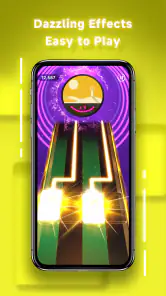
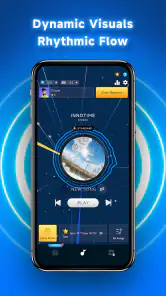
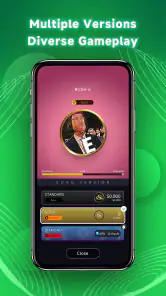
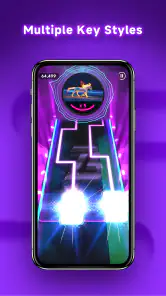
Analysis by Reviewed
I like rhythm games that give me a clear reason to make one more attempt, rather than asking me to grind through a long routine before the music becomes enjoyable. Hi Beatz: Music & Rhythm Game has a straightforward hook: tap along to songs, then work toward improving tracks to Diamond. That gives each session an immediate action and a longer-term target, which suits quick breaks as well as players who enjoy gradually polishing a collection.
It is a free music game from Fun Tap X, rated Teen, and its appeal is easy to understand even before you settle into a longer session. The challenge is not just whether I can keep time; it is whether playing feels satisfying enough to make improving a track worthwhile. My overall impression is that the game is best approached as a compact, goal-driven rhythm diversion—not as a substitute for a deep music library or a competitive rhythm-game setup.
Small goals make the first sessions easy to enter
A clear target without a long warm-up
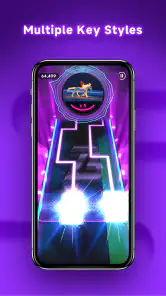
The central loop is simple to grasp: play hit songs by tapping to the beat and aim to upgrade tracks to Diamond. I appreciate that this gives a new player a concrete objective instead of leaving them to guess what counts as progress. You can focus first on getting comfortable with a song, then treat the higher upgrade target as a reason to return and play more carefully.
That structure works particularly well when I have only a few minutes. If I open the game while waiting for a friend or taking a short break, the basic idea does not require a lengthy explanation: choose a song, follow its rhythm, and work toward a better track state. A focused goal can make even a brief attempt feel purposeful, though it does not automatically mean every session will be equally rewarding.
The Diamond target also gives the game a different feel from rhythm apps that are mainly about browsing a broad catalogue and moving on after one play. Here, the appeal is tied to improving tracks. That makes repeat attempts part of the point, but it also means the experience will depend on whether you enjoy revisiting music to improve your performance. If you prefer to hear a track once and keep discovering new songs, this progression loop may feel repetitive sooner.
How I would approach a new song
I would start by treating the first play as a read of the rhythm, not as a test I have to ace. On a first attempt, it is useful to notice where the beat feels natural and where my tapping starts to drift. Then, on a repeat, I can concentrate on the troublesome moments instead of trying to fix everything at once. This is a practical way to make a song’s improvement goal feel manageable without assuming the game provides any particular practice or coaching feature.
One useful habit is to avoid tapping harder when a sequence gets difficult. In rhythm games, tension can make timing less consistent; a lighter, steadier touch is often easier to control. I also find it helps to play when I can hear the music clearly, rather than in a noisy place where I end up guessing at the beat. Those small adjustments make the core challenge easier to judge and help distinguish a genuine timing issue from a distracting environment.
You May Like

Clash of Clans Is Won Between the Battles

Android Auto Makes the Case for Quieter Car Software

MobiOffice: Transforming Mobile Productivity with Seamless Integration

EA SPORTS FC™ Mobile Soccer: Redefining Mobile Sports Gaming

How Microsoft OneDrive Became a Mobile Productivity Giant

How Google Translate Breaks Language Barriers Effortlessly
For someone choosing between this and a casual music app, the difference is purpose. Hi Beatz asks for active input and gives that input a progression goal. A passive playlist is the better choice when I want background music; this game makes more sense when I want to pay attention and participate.
Progress feels most useful when it changes how I play
Diamond is a destination, not a guarantee of depth
Upgrading tracks to Diamond is the clearest long-range signpost in the game’s pitch, and it gives repeat play a reason beyond simply hearing a familiar song again. Still, I would judge progress by how much I enjoy the attempt itself, not just by how close I am to a named upgrade. A target can keep me engaged, but if the process starts feeling like repetition without a satisfying musical challenge, the label alone will not make it fun.
My advice is to pick one track that you genuinely like and use it as a personal benchmark. Notice whether your timing feels more controlled over successive attempts, and whether aiming for the next upgrade makes you listen more closely. This turns progression into a skill-building routine rather than a checklist. It is also a useful way to decide whether the game’s pace suits you: if improving one song is satisfying, you are more likely to enjoy returning; if you quickly want a completely different activity, the loop may not hold you.
The game’s average rating is 4.7, based on around 9,200 ratings, and it has more than 100,000 installs. Those figures suggest that plenty of players have tried it, but I would not treat popularity as proof that its particular rhythm loop will suit everyone. The more relevant question is whether tapping through songs and working toward track upgrades matches what you want from a music game.
Keeping attempts deliberate
A non-obvious trade-off in a progression-focused rhythm game is that more attempts are not always better. If I replay a song immediately while frustrated, I may repeat the same mistake without noticing what changed. A short pause, or switching to a different activity before coming back, can make the next attempt feel fresh. That is especially useful when a track has become a personal goal: the desire to reach Diamond can tempt me to keep going past the point where my attention is sharp.
I would also separate “I like this song” from “I want to master this song.” The two often overlap, but not always. A favorite track can be a good place to build confidence, while a more demanding one may be a better test of timing. Choosing based on mood helps avoid turning every session into a performance check. For a casual player, that flexibility is more valuable than chasing every available target at once.
Hi Beatz is currently at version 0.2.5 and supports Android 8.0 or later. That makes the minimum system requirement relatively easy to meet on many older Android devices, though a compatible operating system does not by itself tell me how the game will feel on every phone. For the best rhythm experience, I would close distracting apps, keep the device’s audio clear, and use a comfortable grip so my tapping stays consistent.
Challenge and pacing suit short, focused play
When the difficulty feels motivating
Rhythm games are most satisfying when a song is difficult enough to demand attention but not so punishing that I stop listening to the music. Hi Beatz’s basic appeal is accessible: tap to songs, then improve tracks. The challenge comes from turning that simple action into consistent timing and making enough progress to reach a higher track goal. I would expect the experience to work best for players who enjoy repetition as a way to get better, rather than those who want a new mechanic at every turn.
Because I am not assuming a specific difficulty selector or training system, I would approach the learning curve through careful play. Start with a song that feels comfortable, establish a steady rhythm, and then try a track that asks a little more of you. If a song feels overwhelming, return to one you can play confidently before trying again. This keeps the session from becoming a string of frustrating failures and gives your hands time to settle into the game’s tapping rhythm.
There is a practical difference between a game that is challenging and one that is merely demanding. A good challenge makes me want to retry because I can see what I need to improve. A demanding loop can instead leave me tapping repeatedly without a clear sense of what changed. The Diamond goal gives Hi Beatz a visible destination, but players should pay attention to whether each attempt feels like progress or just another repetition.
Good for breaks, less ideal for every setting
A realistic use case is a commute or a wait between errands, provided you are somewhere it is safe and practical to focus on a screen. One short session can give you a single song to work on instead of requiring a large block of free time. At home, it can also work as a quick change of pace when you want something more active than putting on music but do not feel like starting a long game.
It is not my first choice when I need hands-free listening, when I am in a noisy environment, or when I want a game built around long-form progression and a large set of systems. A playlist is more convenient for passive listening, while a fuller rhythm title may be a better fit if I want more depth than a focused tapping-and-upgrade loop. The right comparison depends on your goal: Hi Beatz is about playing to the beat and improving tracks, not simply collecting songs or using music as a background.
Spending and staying power deserve a little thought
Free to start, with purchases in the mix
The game is free to download, with in-app purchases ranging from $0.29 to $99.99 per item. That wide span is worth keeping in mind, especially if you are considering spending to move faster or expand your time with the game. I would begin by playing without paying and first decide whether the core loop—tapping songs and working toward track upgrades—holds my attention. A purchase only makes sense if it improves something I already enjoy, not because I feel pressured to make progress.
For parents, the Teen content rating is another useful part of the decision. I would still check the purchase settings on a shared device before handing it to a younger player, since optional in-app spending can matter even in a game that costs nothing to install. That is a sensible precaution for any free game with paid items, and it helps keep a casual music session from becoming an unexpected purchase discussion.
The retention question is straightforward: does the goal of taking tracks further keep play satisfying, or does it turn into a chore? If I am still listening closely and enjoying the attempt, returning makes sense. If I am opening the game only to chase a progress marker, I would take a break rather than force another run. This kind of self-check matters because a clear upgrade target can be motivating while also encouraging more repetition than I actually want.
Who should choose it—and who should look elsewhere
I would recommend Hi Beatz to someone who wants a free, easy-to-understand music game, likes tapping along, and finds it rewarding to improve individual tracks. It is also a reasonable choice for short sessions, especially if you enjoy setting yourself one small goal at a time. Fun Tap X has made the game’s central promise clear enough that I can tell what kind of play it is aiming for: active rhythm input linked to track progression.
I would point a player elsewhere if they mainly want a huge music library, passive playback, or a rhythm game whose appeal comes from a wider set of modes and systems. I would also skip it if replaying songs to improve them sounds tedious rather than satisfying. The most important test is not whether Diamond sounds impressive, but whether you enjoy the work of getting there.
My verdict on the progression loop
Hi Beatz: Music & Rhythm Game is a focused pick for players who like a simple musical action paired with a clear improvement goal. Its strongest idea is the link between tapping songs and aiming to upgrade tracks, which gives short sessions direction without demanding that I treat the game like a major commitment. The trade-off is that repeat play is central to its appeal, so anyone who needs constant novelty may lose interest.
With 887 reviews and a 4.7 average rating, it has earned a positive reception, but my recommendation is still based on fit: try it if you enjoy rhythm practice and personal targets, and keep purchases optional until you know the loop works for you. For a quick, goal-driven music game, Hi Beatz is worth a look; for passive listening or a more expansive rhythm experience, I would choose something else.
Hi Beatz: Music & Rhythm Game Frequently Asked Questions
What is Hi Beatz: Music & Rhythm Game?
Hi Beatz is a rhythm game built around tapping along to music as notes appear on screen. Its main appeal is combining a music-player feel with score-based gameplay: you follow the beat, aim for accurate timing, and try to improve your results across tracks. The exact song selection, modes, and available features can vary by app version and region, so check the current store listing before downloading.
How do you play Hi Beatz, and is it suitable for beginners?
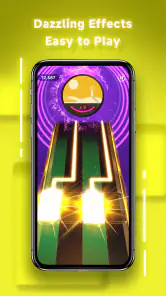
The basic idea is to watch the notes or prompts and tap in time with the music. Accurate timing generally leads to better scores, while missed or mistimed inputs can affect your performance. Rhythm games can take practice, but the simple tap-based format makes Hi Beatz approachable for newcomers. If the game offers different difficulty settings, starting with an easier option can help you learn each track before attempting a tougher challenge.
Does Hi Beatz require an internet connection?
Whether you can play offline may depend on how the game handles music, account features, and updates. Some rhythm games need a connection to download tracks, load advertisements, or access online rankings, while previously downloaded content may work without one. Before relying on Hi Beatz for offline play, review its current store description and test the game after installation with Wi-Fi and mobile data turned off.
Is Hi Beatz free to download, and does it include ads or in-app purchases?
The app’s price and monetization can change over time and may differ between the Google Play Store and Apple App Store. A free download does not necessarily mean every song or feature is free; optional purchases, advertisements, or unlockable content may be included. Check the store listing for the latest pricing and in-app purchase details, and review any purchase prompts carefully before confirming a transaction.
What should I check before downloading Hi Beatz on Android or iOS?
Confirm that your device meets the app’s current operating-system and hardware requirements, and make sure you have enough storage for the installation and any additional music downloads. Read the latest store listing and recent user reviews for information about compatibility, performance, permissions, and known issues. Also consider the game’s audio and screen controls: headphones may help you follow the beat, but they are not necessarily required.
Pros
- A quick tutorial makes the basic rhythm controls easy to pick up.
- Short songs suit brief play sessions and quick breaks.
- Song previews help you decide what to play next.
- Clear visual cues make it easier to follow the beat.
- A broad mix of tracks offers variety for different tastes.
Cons
- Fast notes can become difficult to follow on smaller screens.
- Some songs or features may require in-app purchases.
- Ads may interrupt the flow between play sessions.
- Timing can feel less precise on devices with noticeable touch lag.
- A stable internet connection may be needed for some content.

- Category
- Music
- Version
- 0.2.5