Day R Survival: Last Survivor
- 16.40K
- 4.4
- Installs
- 10.00M
- Price
- Free

Screenshots
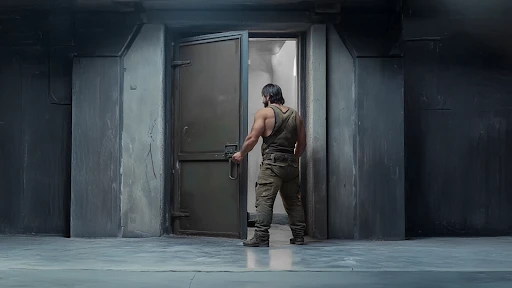
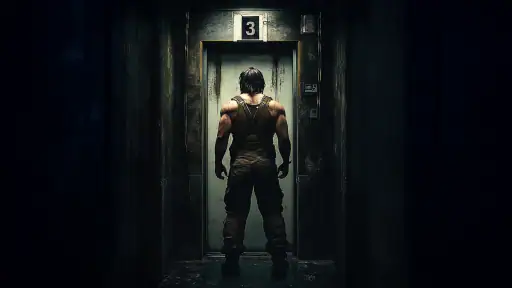
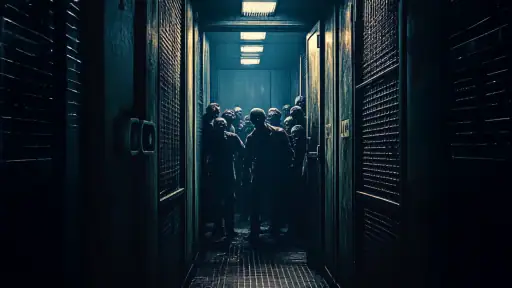
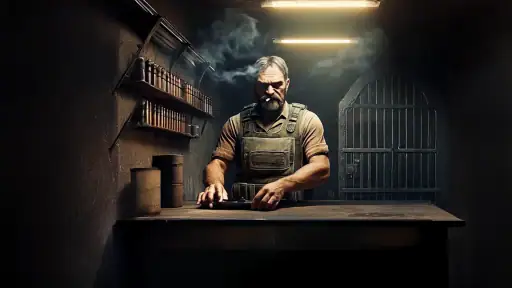
Analysis by Reviewed
I went into this game expecting a tough survival story, and the first thing I noticed is that it asks for patience rather than quick reflexes. Day R Survival: Last Survivor is a role-playing game from Rmind Games, set in a harsh post-apocalyptic world where finding supplies and making careful choices are part of the adventure. It is free to start, rated Teen, and has a 4.4 average from around 733,000 ratings, so there is a large audience for its particular mix of survival and RPG play. I’d recommend it most to someone who enjoys planning between encounters, not just fighting through them.
What to expect from the opening
The opening can feel uncertain because your character has little to work with and the game expects you to learn by paying attention. I found it more satisfying when I treated each new location as a short expedition: check what is available, take only what seems useful, then decide whether to push farther or turn back. That small habit makes the early struggle feel more like problem-solving than random punishment.
It also helps to remember that the most exciting-looking option is not always the smart one. A fight may cost resources you need later, while a detour can leave you short on essentials. I would approach the first sessions as practice in weighing risk, rather than trying to clear every threat or uncover every corner immediately.
Making the first session manageable
Before you get absorbed in the wider journey, choose one modest aim for a session. I might focus on checking a nearby location, following the immediate direction of a quest, or gathering a particular kind of useful supply. A narrow goal gives you a reason to make decisions without turning the opening into a race to collect everything. It also helps when you need to pause: you can judge whether you have made progress toward that aim instead of measuring success by how much of the map you covered.
There is no need to treat a setback as proof that you have played badly. In a game built around scarcity, learning which risks are costly is part of finding your footing. If a route or encounter leaves you with fewer resources than you expected, step back and reconsider what your next trip needs. I found that a small adjustment to the plan is more useful than stubbornly repeating the same approach.
The Thrill of Survival
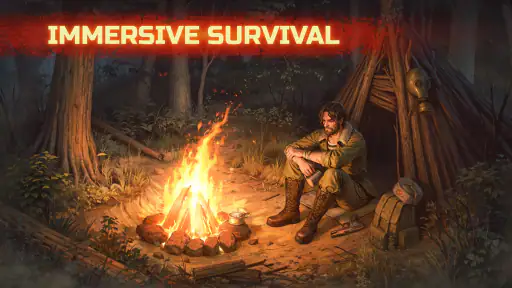
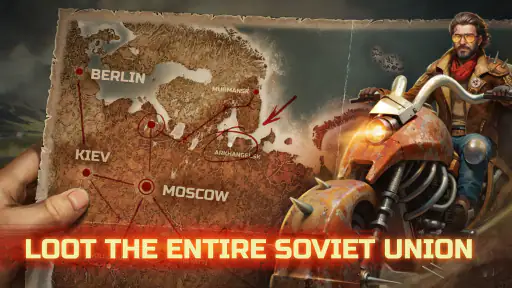
Right off the bat, Day R Survival: Last Survivor throws you into a gritty, nuclear-ravaged Soviet Union. And let me tell you, the game doesn’t hold your hand. You’ll start with basically nothing, and it’s up to you to scavenge for food, water, and shelter. It’s like being dropped in the deep end of the pool, but that’s where the fun begins. You’ll feel the thrill of finding a can of beans or the relief of stumbling across a safe place to rest. The game keeps you on your toes, and every decision you make feels weighty and consequential.
Crafting and Combat
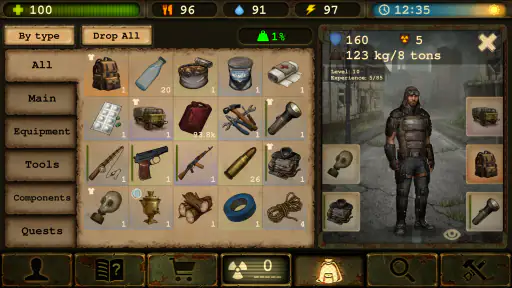
One of the standout features here is the crafting system. It’s incredibly detailed, allowing you to create everything from basic tools to complex weapons. You’ll spend a lot of time gathering resources and figuring out how to best use them. This mechanic is addictive and rewarding, especially when you craft something that saves your skin in a tough spot.
More From Our News Desk

Weather by Xiaomi Review: Clear at a Glance, Less Clear Up Close

X Under Pressure: Can It Recover When Posting Goes Wrong?

Clash of Clans Is Won Between the Battles

Android Auto Makes the Case for Quieter Car Software

MobiOffice: Transforming Mobile Productivity with Seamless Integration

EA SPORTS FC™ Mobile Soccer: Redefining Mobile Sports Gaming
My practical advice is to use the quiet parts of a session to think about materials before committing them. If you spend resources as soon as they appear, you may later regret not saving them for a tool or weapon that answers a more pressing problem. I like the tension this creates, but it can also make progress feel slow if you prefer a constant stream of immediate rewards.
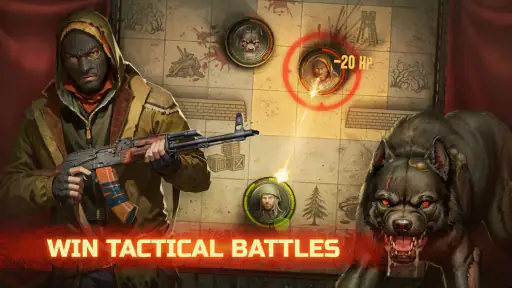
Combat, on the other hand, is brutal and unforgiving. You’ll face off against mutant beasts, armed bandits, and even other survivors who are just as desperate as you. The game’s turn-based combat system requires strategic thinking and careful planning. No two encounters are the same, and each victory feels hard-earned.
Storyline and Exploration
As you navigate the desolate landscape, you’ll uncover a rich storyline that pulls you deeper into this bleak world. The narrative is delivered through quests and interactions with other characters. It’s a bit like peeling back the layers of an onion, each revelation more enticing than the last. Exploration is encouraged, and the game world is vast and full of secrets waiting to be discovered.
For a realistic everyday routine, I’d play a short stretch while waiting for an appointment or winding down before bed, and give myself one clear aim: gather what I need for the next trip, follow a quest lead, or explore a nearby area. A modest goal makes it easier to stop at a sensible point instead of wandering on until supplies are depleted. The same approach suits a commute, provided you are comfortable reading and making decisions rather than relying on fast action.
When I have only a few minutes, I would avoid starting a complicated push into unfamiliar territory. Instead, I’d use that time to review what I have collected and decide what the next outing is meant to accomplish. This gives the game a useful stop-and-start rhythm, although it does not make every brief session feel complete: sometimes the satisfying part is seeing how a plan works out, and that can take longer than a quick break allows. If your available playtime is unpredictable, keeping each session’s goal small is the least frustrating way to approach it.
If you are choosing between this and a more conventional action RPG, the difference is the emphasis. Many role-playing games make combat and character growth the main attraction; here, the pressure of keeping yourself supplied gives exploration and preparation equal weight. That is a real strength if you like deliberate planning, but it is a poor fit if you want quick battles, a forgiving opening, or a game that can be enjoyed without much attention. Someone looking for a lighter, combat-first adventure may be happier with another RPG.
Compared with a typical zombie action game, this is less about reacting quickly to a stream of enemies and more about deciding whether an encounter is worth the resources it could consume. That slower focus can make a successful trip feel earned, but it also means the game may not deliver the instant payoff some players expect from the theme. If your favorite part of a survival game is aiming, dodging, or clearing waves, look for one built around those actions. Here, preparation is not a pause before the main event; it is part of the main event.
One point that can confuse newcomers is that gathering more is not automatically better. Carrying a pile of low-priority finds can distract from the materials you need to make useful equipment, so I’d pause after a scavenging run and decide what actually supports the next goal. Likewise, surviving one encounter does not mean the next one is worth taking. Retreating or changing plans can be the more successful choice when your supplies are already thin.
A useful habit is to connect three decisions before setting out: what you want to accomplish, what supplies would help with it, and what would make you turn back. That simple mental checklist stops curiosity from quietly changing a focused trip into a much riskier one. It also makes it easier to understand why a run went poorly. If you had no clear reason to enter a dangerous situation, the lesson may be to narrow the next goal rather than gather indiscriminately.
The game is free to download, though optional in-app purchases range from $0.49 to $99.99 per item. I’d start without buying anything and first see whether its slow, resource-conscious rhythm is enjoyable for you. It has been available since February 2, 2016, supports Android 7.0 and later, and carries a Teen rating; those details make it easier to judge whether it suits your device and household. With more than 10 million installs, it is clearly a well-established choice, but its demanding pace still won’t appeal to everyone.
For a first-time player wondering whether spending is necessary, my sensible approach is to treat the free start as a chance to test the core appeal before considering optional purchases. The key question is not whether you can hurry past the learning curve, but whether you enjoy weighing scarce supplies and accepting that a careful retreat may be better than a dramatic fight. If that decision-making is what you came for, give yourself time to settle into it first. If it feels like busywork, paying to move past the early friction is unlikely to change the basic style of play you are evaluating.
But be warned, this isn’t your typical walk in the park. The environment itself is a formidable adversary. Radiation, disease, and hunger are constant threats that demand your attention. You’ll need to keep an eye on your health and resources if you want to last more than a few days out there.
Who should keep going
The game is at its best for players who enjoy turning limited supplies into a plan and who don’t mind learning from setbacks. If you want a zombie-themed game that is mainly about rapid aiming, short matches, or immediate action, this is probably not the one I’d choose. Its tougher moments can be frustrating when you have only a little time to play, so I would save longer exploration for a session when you can focus and make decisions without rushing.
It is also a better match for someone who likes an RPG with practical trade-offs than for someone who wants a constant chain of obvious rewards. The story and quests can give exploration direction, but the survival pressure remains central, so I would not choose it solely for a fast-moving narrative. On the other hand, if you enjoy looking at a limited set of supplies and asking what they make possible, the resource decisions offer a reason to keep thinking between encounters.
As you settle in, let the next objective guide what you collect and where you go. That gives crafting, combat, and quests a useful connection instead of making them feel like separate chores. The first meaningful success is not necessarily winning a dramatic battle; it can be reaching a new objective with enough supplies left to continue. That careful, earned progress is what kept me interested.
When the next trip is worth taking
Once you have an objective in mind, make the next outing a test of your plan rather than an invitation to do everything at once. If you reach the goal with enough resources to continue, that is a solid result even if you leave other places unexplored. If your situation changes, reassess instead of treating the original plan as a promise. I find that this flexibility is the difference between a tense but satisfying survival game and a series of frustrating gambles.
For a first meaningful success, I would measure progress by whether I can complete one sensible task and still make a considered choice about what follows. That might mean gathering something useful, advancing a quest, or deciding that the safest move is to stop pushing. The important part is learning to connect what you find with what you intend to do next. It turns the game’s many small decisions into a clear routine rather than a blur of scavenging.
Final Thoughts
In conclusion, Day R Survival: Last Survivor offers a gripping survival experience that’s both challenging and rewarding. The combination of detailed crafting, intense combat, and an engaging storyline makes this game a must-try for any fans of the genre. It’s not just a game; it’s a test of your survival instincts. So, if you’re ready to face the apocalypse head-on, this might just be the adventure you’ve been waiting for. Just remember, every choice counts, and survival isn’t guaranteed. Good luck out there!
Day R Survival: Last Survivor Frequently Asked Questions
Does Day R Survival: Last Survivor require an internet connection?
Before downloading, consider whether you want a game that fits the way you usually play on mobile. Day R Survival: Last Survivor centers on surviving in a hostile post-apocalyptic world, with resource management and threats shaping the experience. Its published description also highlights zombies and mutants, giving the game a darker survival tone than a casual, relaxing title.
How much storage space does Day R Survival: Last Survivor need?
If you are checking whether the game will fit on your device, make sure you have enough free storage before installing. Day R Survival: Last Survivor is a mobile role-playing game with survival-focused gameplay, so it is worth checking the current download size in your device’s app store before you begin. Keeping some extra space available can also help avoid installation interruptions.
Is Day R Survival: Last Survivor suitable for younger players?
Day R Survival: Last Survivor is a role-playing game with a post-apocalyptic setting, walking zombies, and mutants. Its content rating is Teen, so parents may want to consider whether its survival themes and hostile encounters are appropriate for a younger player. The game focuses on staying alive in a dangerous world rather than offering a lighthearted setting.
What is Day R Survival: Last Survivor about?
Day R Survival: Last Survivor is a post-apocalyptic survival game where players must navigate a world devastated by nuclear war. As the last survivor, you must manage resources, craft tools, and fend off threats from radiation, hunger, and hostile survivors to stay alive. The game emphasizes strategic planning and decision-making to thrive in this harsh environment.
Is Day R Survival: Last Survivor free to play?
Yes, Day R Survival: Last Survivor is free to download and play on Android and iOS devices. However, the game offers in-app purchases for players looking to enhance their experience. These purchases can include items like special resources, crafting materials, or exclusive features that can aid in survival. Optional purchases range from small amounts to larger bundles, so it is worth checking the available options before buying.
Pros
- Immersive gameplay experience.
- Comprehensive crafting system.
- Challenging survival mechanics.
- Engaging storyline.
- Detailed post-apocalyptic world.
Cons
- Steep learning curve.
- In-app purchases can be pricey.
- Occasional technical glitches.
- Requires constant internet connection.
- Limited character customization.
- Category
- Role Playing
- Version
- Varies with device