Cultist Simulator
- 2.15K
- 4.6
- Installs
- 100.00K
- Price
- $6.99

Screenshots

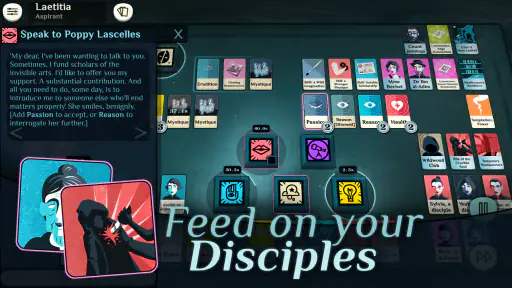
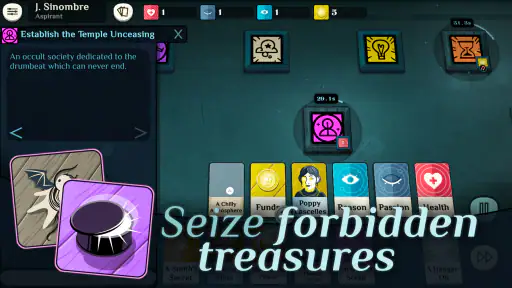
Analysis by Reviewed
If you’re into games that are as mysterious as they are strategic, then Cultist Simulator might just be your next obsession. This game isn’t just about tapping away mindlessly on your screen; it’s a deep dive into a world of cults, secrets, and dark arts. Let me tell you, it’s a wild ride from the moment you start!
That enthusiasm comes with a clear qualification: this is a paid card game, not a free sampler I can recommend to everyone. The price is $6.99, and the game also lists in-app purchases ranging from $1.99 to $6.99 per item. I’d weigh the purchase against your taste for discovery and repeated experimentation, rather than expecting a straightforward story that explains itself as you go.
Playdigious developed this mobile version, which has a 4.6 average from around 14,000 ratings and over 100,000 installs. It is rated Teen, and version 3.6.1 supports Android 4.4 and up. Those details help set expectations about availability, but the important question is whether its particular kind of card-based challenge suits the way you like to play.
What is Cultist Simulator All About?
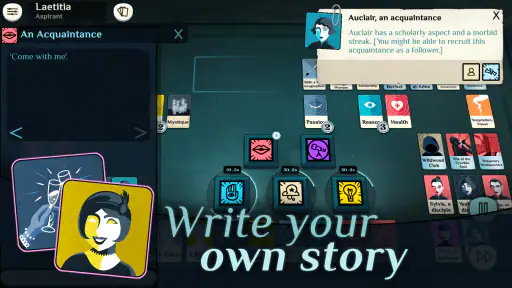
Imagine a game where you’re not just playing a character, but you’re also crafting a narrative as you go. That’s Cultist Simulator for you. Set in a 1920s-themed universe, you’re tasked with building your own cult from scratch. And trust me, it’s not as easy as it sounds! You’ll be juggling resources, studying forbidden texts, and recruiting followers, all while trying to navigate the tricky waters of your own sanity.
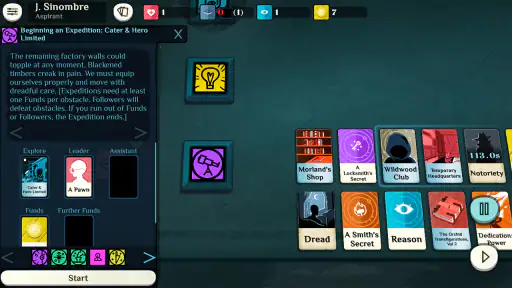
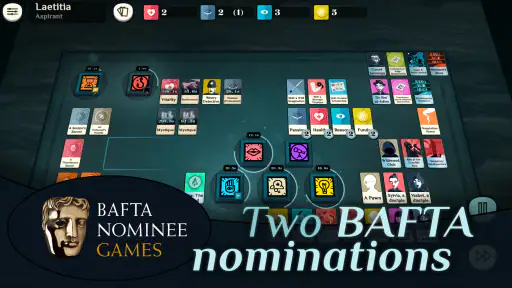
The appeal is less about racing through a fixed sequence of events and more about learning how its pieces relate. A card can represent a person, an idea, a resource, or a developing situation, and the challenge is working out where it belongs and what might happen when you place it there. That makes each decision feel like a small experiment. I found it useful to treat an unfamiliar card as a clue rather than assume I already understood its purpose.
This is also why the game can be absorbing in short, quiet sessions, but not necessarily relaxing. You may sit down intending to make one simple move, then find yourself considering several competing needs: what to study, which opportunity to pursue, and what to keep from slipping out of control. If you want a quick match with a clear winner, this structure can feel slow. If you enjoy piecing together a system without being handed a solution, the uncertainty is the point.
Gameplay That Hooks You In
The gameplay is quite unique. It’s card-based, meaning you’ll be using a deck of cards to make decisions, explore new paths, and interact with the world. You have to manage your time and resources carefully—one wrong move, and you might find yourself spiraling into madness. It’s like a puzzle that keeps evolving, and I promise, it’s super addictive!
More From Our News Desk

Clash of Clans Is Won Between the Battles

Android Auto Makes the Case for Quieter Car Software

MobiOffice: Transforming Mobile Productivity with Seamless Integration

EA SPORTS FC™ Mobile Soccer: Redefining Mobile Sports Gaming

How Microsoft OneDrive Became a Mobile Productivity Giant

How Google Translate Breaks Language Barriers Effortlessly
One practical way to approach a new run is to avoid spending every available opportunity as soon as it appears. Pause long enough to read the cards and consider which needs are urgent and which can wait. Keeping track of what you tried is valuable too: when an experiment fails, remember the combination or timing, because that result can narrow down what the game is asking you to discover. This turns setbacks into information instead of making each one feel like wasted effort.
The game’s limited guidance is a real trade-off, not just a charming bit of atmosphere. Early on, I would expect to make moves whose consequences only become clear later. That can produce satisfying discoveries, but it can also leave a new player unsure whether a problem came from a poor choice or from not understanding a rule yet. I recommend giving yourself permission to restart and learn rather than treating every run as something you must preserve. The game asks for patience more than quick reflexes.
One everyday scenario where it fits well is a calm evening when you have time to concentrate and don’t mind stopping between decisions. You can study the board, make a considered move, and return later with a fresh look at the clues you have gathered. It is less suitable for a commute or a noisy break if you need a game that can be played without attention; its interconnected choices reward focus, and interruptions can make it harder to remember your plan.
Compared with familiar card games built around a hand, a short round, and a clear tactical contest, this one is much more about managing a growing arrangement of cards and discovering what actions mean. That distinction matters. Players looking for brisk competition or familiar deck-building rhythms may prefer another card game. Here, the pleasure comes from interpreting an opaque world and seeing whether your experiments lead somewhere promising, not from mastering a known set of rules as quickly as possible.
It also asks you to accept that a failed run is part of the learning process. If that sounds frustrating, try changing how you define progress: a useful attempt may be one that teaches you a new interaction, even when it does not end in success. I would keep mental or written notes about discoveries that matter to you, especially if you tend to play in brief sessions. That simple habit can make returning to a complicated board less disorienting.
The game’s content and tone are another consideration. Its cult, occult, and psychological themes make it a better fit for players comfortable with dark subject matter than for someone seeking a light, cheerful card pastime. The Teen age rating gives a broad age guide, but I’d still judge suitability by the themes themselves and by the player’s comfort with unsettling fiction.
One question a potential buyer may have is whether the listed in-app purchases mean the main game is free to try. The price is $6.99, so it is a paid download; the additional listed purchases are separate, and I would not assume they are required to enjoy the core experience. The listed item range is $1.99 to $6.99. If you are deciding whether the purchase is worthwhile, focus first on whether you enjoy slow discovery and replaying after mistakes, rather than treating extra purchases as a reason to expect a different style of game.
Another sensible question is whether a newer phone is essential. On Android, the stated minimum is version 4.4, so the listed requirement is modest, though that alone cannot promise identical performance on every device. The current version is 3.6.1. I would check that your device meets the requirement before buying, then approach the game as a thoughtful card experience rather than assuming its age or compact visual style makes it a simple one.
One thing I love about this game is how it doesn’t hold your hand. You’re thrown into this world with minimal guidance, which means every discovery feels genuinely rewarding. But beware, it also means that failure is very much a part of the process. Each playthrough is different, with multiple endings based on the choices you make and the paths you decide to follow.
That unpredictability is the main reason I’d recommend it to someone who likes discussing theories or comparing discoveries with a friend, even if each person plays alone. You can describe a puzzling situation, swap ideas about what a card might do, and then test a theory in your own run. The game is not dependent on that social angle, but curiosity is easier to sustain when you enjoy thinking aloud about a mystery rather than needing instant feedback from the game.
Visuals and Sound: A Perfect Match
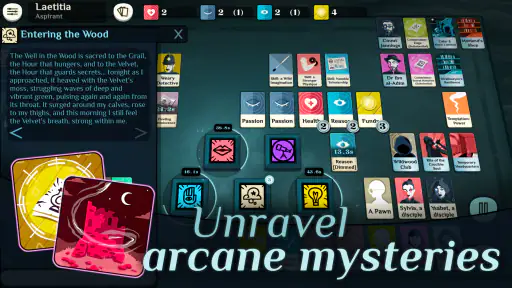
The artwork in Cultist Simulator is nothing short of stunning. It’s got this eerie, atmospheric vibe that perfectly complements the game’s dark themes. The visuals are minimalistic yet detailed, and they do a fantastic job of drawing you into the world. Paired with an equally haunting soundtrack, the game creates an immersive experience that’s hard to put down.
The pared-back presentation supports the act of reading and interpreting the board, rather than competing with it. That is a strength when you want to focus on the cards and their relationships. It also means this is not the game I would choose for elaborate animation or a busy visual spectacle. If you prefer games that communicate every action through large effects and obvious prompts, its restrained look may feel more austere than inviting.
The music and sound effects are subtle but effective, creating a tension-filled ambiance that keeps you on the edge of your seat. Whether it’s the sound of pages turning or the ominous background score, every auditory element adds to the overall atmosphere.
For a more practical play routine, I’d make sure I can comfortably read the cards and take a moment to inspect the board before committing to a move. This is a game where understanding the wording and noticing what is already in play matters more than tapping quickly. If your preferred mobile sessions happen while multitasking, the quiet presentation will not solve that problem: the atmosphere is understated, but the decisions still deserve attention.
Final Thoughts: Is It Worth Your Time?
In a word, absolutely. Cultist Simulator is not just a game; it’s an experience. It challenges your mind, tests your strategic skills, and keeps you guessing with its myriad of secrets. Sure, it might be a bit daunting at first, especially if you’re not used to games that don’t spoon-feed you everything. But that’s precisely what makes it so rewarding!
For me, the purchase makes the most sense if you expect to spend time experimenting, revisiting ideas, and accepting that understanding arrives gradually. The $6.99 price is a clear upfront cost, with additional in-app purchase items listed separately; it is not the right choice if you only want a no-cost distraction or a simple card game to fill a few spare minutes. Its 4.6 average across around 14,000 ratings suggests many players have responded well, but your tolerance for opacity matters more than a rating when deciding whether its style is right for you.
So, if you’re looking for something that’s a bit out of the ordinary, something that combines storytelling with strategic gameplay, give Cultist Simulator a try. It’s a game that’s sure to captivate you for hours on end. Just remember, delve into the darkness at your own risk!
I’d skip it if you want explicit tutorials, fast rounds, a light mood, or a game that makes every session feel like clear forward progress. I’d consider it if the idea of mapping a strange system through trial and error sounds enjoyable, and if a paid, deliberate card game is what you want rather than a free casual diversion. That is the honest dividing line: the game can be deeply absorbing, but it asks you to meet it halfway. If you do, the effort of learning its language becomes part of the reward.
Cultist Simulator Frequently Asked Questions
Can I play Cultist Simulator in short sessions, or does it require long uninterrupted play?
Cultist Simulator is built around experimenting with cards and watching how different actions unfold, which makes it possible to make progress in short visits. Its real-time elements mean events can continue to develop while you consider your next move, so it helps to keep an eye on the board rather than treating every session as a quick, self-contained match. The pace is thoughtful, not action-heavy.
Does Cultist Simulator have a conventional goal or a story that unfolds the same way every time?
The game is less about following one fixed storyline than discovering how its systems and mysteries fit together. You guide a character through ambition, occult study, and dangerous choices, with outcomes shaped by what you try and what you learn. That open-ended structure gives experimentation a central role, so the experience can feel different as you uncover new possibilities or meet an early end.
Is Cultist Simulator suitable for someone who prefers games with clear tutorials?
Cultist Simulator is best suited to players who enjoy learning through trial and error rather than following a step-by-step tutorial. Its systems reveal themselves as you experiment with cards and actions, so some early confusion is part of the experience. If you like piecing together rules and clues on your own, that uncertainty can be rewarding; if you prefer constant guidance, the learning curve may feel demanding.
What kind of atmosphere and themes does Cultist Simulator offer?
Cultist Simulator has a mysterious, unsettling atmosphere built around secret histories, hidden powers, and the pursuit of forbidden knowledge. Its premise is summed up as a game of apocalypse and yearning, and its narrative leans into dark, Lovecraftian themes rather than lighthearted adventure. Expect a story shaped by intrigue, risk, and ambition, with the possibility of failure woven into the process of uncovering its world.
What is Cultist Simulator?
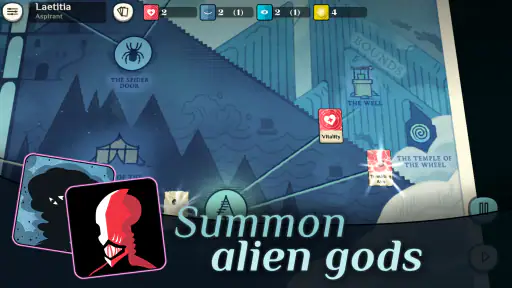
Cultist Simulator is a unique narrative card game crafted by Alexis Kennedy, the creator of Fallen London and Sunless Sea. It plunges players into a mysterious world of hidden gods and secret histories. As a player, you explore the unknown, form cults, and seek forbidden knowledge in a rich, Lovecraftian universe. The game combines strategic decision-making with storytelling, allowing players to craft their own narrative through the choices they make.
Pros
- Unique narrative style enhances immersion.
- Challenging gameplay with deep strategy.
- Rich lore and intriguing storylines.
- Visually appealing with a distinct art style.
- Highly replayable with different paths.
Cons
- Steep learning curve for new players.
- Requires constant attention due to real-time mechanics.
- Limited guidance can be frustrating.
- Text-heavy
- not ideal for quick play.
- Some may find it too abstract or complex.

- Category
- Card
- Version
- 3.6.1