Colorful Mathematics 2
- 0.00
- 0.0
- Installs
- 5.00
- Price
- $1.99

Screenshots

Analysis by Reviewed
I like the idea of a math game that makes practice feel less like sitting down to do a worksheet. Colorful Mathematics 2 is an educational game by Humbatov, built around combining dice and moving toward more advanced levels. That gives it a more playful starting point than a standard drill app, although it is best approached as a small, focused way to engage with numbers rather than a complete course.
What the paid price means
This is a paid game, listed at $1.99, rather than a free download with a paid upgrade described alongside it. I’d judge that purchase as a one-time decision about whether the dice-based activity suits your routine; I wouldn’t assume it includes extra lessons, subscriptions, or other content beyond what the game offers. It is rated Everyone, runs on Android 5.1 or later, and version 1.3 was released on Sep 20, 2024.
That price makes the most sense if you already enjoy short number puzzles or want a child to have a simple math-themed game to try. If you are only looking for a broad set of lessons, explanations, or a formal practice plan, I would compare it with dedicated learning apps before paying. The game’s appeal is its compact puzzle premise, not a promise to replace teaching or structured study.
A Splash of Color in Math
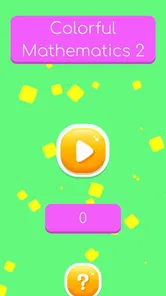
Colorful Mathematics 2 is not your typical math app. What sets it apart is its vibrant interface that turns math problems into a visual treat. The developers seem to have cracked the code on making math less daunting and more engaging for users of all ages. From the moment you open the app, you're greeted with a burst of colors that instantly make you feel like you're about to embark on a fun-filled math adventure.
How the dice idea fits a real routine
The central idea—combining dice to advance—suggests a useful way to make a spare moment count. I’d use it during a short wait or as a quick screen-time option after homework, rather than expecting it to carry a whole study session. A parent could also sit nearby and ask a child to explain why they made a particular move; that turns a game turn into a conversation about number choices without pretending the app is a full tutoring tool.
A practical tip is to pause after a move that feels uncertain and work through the numbers aloud before continuing. That little habit can make the activity more reflective instead of purely about reaching the next level. It also helps an adult tell whether a child is making choices deliberately or simply tapping through. The trade-off is that this kind of self-guided play depends on the player choosing to think through each decision.
Engaging Features That Stand Out
The app is packed with features that cater to different learning styles. Whether you're a visual learner or someone who prefers a more hands-on approach, Colorful Mathematics 2 has got you covered. The interactive lessons are divided into manageable chunks, making it easier to grasp complex concepts without feeling overwhelmed.
More From Our News Desk

 Gmail
Gmail in a Busy Inbox: Who Benefits Most?
From first account to crowded workday, Gmail earns its place through dependable search and flexible sorting—but its best fit depends on how much inbox maintenance you can tolerate.

 Prime Video
Switching to Prime Video: What Changes in Your Viewing Routine
Prime Video can make a compelling second home for streaming, but switching means learning a different catalog, rental layer, and route from browsing to playback.

 Universal TV Remote Control
 Works Best as a Reliable Backup
A phone remote earns its place through quick setup and reliable habits. Here is how to get more from Universal TV Remote Control—and where its limits show.

 Weather - By Xiaomi
Weather by Xiaomi Review: Clear at a Glance, Less Clear Up Close
Xiaomi’s weather app makes everyday forecasts quick to scan, but its calm surface can leave useful details and recovery paths harder to find than they should be.

 X
X Under Pressure: Can It Recover When Posting Goes Wrong?
A resilience-focused review of X, examining setup, mistaken posts, interruptions, weak connections, and the gaps that matter when recovery needs to be dependable.

 Clash of Clans
 Is Won Between the Battles
Its raids are quick; its community is a long-term project of coordination, teaching, rivalry, and shared responsibility—with all the friction that entails.
Latest News



One feature I particularly enjoyed was the real-time feedback. It’s like having a personal tutor right in your pocket! The app provides instant feedback on your answers, allowing you to learn from mistakes and improve progressively. Plus, the gamified elements, like earning points and badges for completing challenges, add a competitive edge that motivates you to keep going.
Where it differs from math practice apps
Compared with worksheet-style arithmetic apps, a dice-combining puzzle can make number practice feel more like play and less like a sequence of repeated questions. That is a meaningful difference for someone who avoids conventional drills. The reverse is true too: learners who need carefully sequenced explanations, topic-by-topic exercises, or a teacher’s guidance are likely better served by a structured learning app or a workbook paired with an adult’s help.
I would not choose it as the only math resource for a child who is struggling with a specific skill, because a playful challenge and a clear explanation are different things. It is a better fit as a low-pressure supplement, or for someone who already knows the basics and wants a game-like reason to spend a few minutes thinking about numbers.
User-Friendly Design
Navigating through the app is a breeze, thanks to its intuitive design. The layout is clean, with each section clearly labeled, so you never feel lost. Even if you're not tech-savvy, you'll find it easy to explore all that the app has to offer. The animations are smooth and don't lag, which is a huge plus in my book.
Another aspect worth mentioning is the customization options. You can tailor your learning experience based on your preferences, which is great for users who want to focus on specific areas or set their own pace. The app’s adaptability makes it suitable for both beginners and those looking to brush up on their skills.
Making a short session count
For a realistic routine, I would attach the game to a moment that already has a natural stopping point: a brief break between chores, a quiet wait before an appointment, or a few minutes after a child finishes schoolwork. The point is not to turn every spare moment into study time. It is to make a small puzzle available when the player is willing, then stop while it still feels like a game rather than an assignment.
One useful way to keep the activity purposeful is to take turns explaining a move. An adult can ask, “What are you trying to combine?” and let the child answer before tapping. This is not a substitute for instruction, but it can reveal whether the player is noticing the numbers or simply reacting to the screen. If the explanation is unclear, that is a cue to slow down or switch to a simpler practice method instead of assuming that reaching a later level means a concept has been mastered.
I would also keep expectations modest when using it with more than one person. A shared session can make the puzzle a friendly conversation, but it may not suit siblings or classmates who need different levels of challenge. In that case, one person can play while the other talks through a choice, rather than treating the game as a ready-made group lesson.
Questions to consider before buying
A common practical question is whether this can replace a math-learning app. I would say no: its clear identity is a dice-based game, not a complete curriculum. It may make a short encounter with numbers more appealing, but anyone who needs guided explanations, a diagnostic view of weak skills, or a planned progression should choose a teaching-focused resource and use this only as an optional extra.
Another question is whether it suits a child who is not yet confident with numbers. The Everyone rating means the content is broadly rated for all ages, but it does not guarantee the game will match every child’s ability. I would try it alongside an adult, watch how the child approaches the choices, and be ready to explain or pause. If the player becomes frustrated because the underlying arithmetic is unfamiliar, a workbook or lesson with clearer steps may be a kinder starting point.
People deciding between this and a free practice tool should also think about what they value. The paid price is straightforward, but the game is not automatically the better option just because it has a colorful presentation. Free alternatives may be more suitable when cost is the main concern or when a learner needs a larger range of exercises. Here, the case for paying is personal: you want this particular dice-and-level format and expect to use it enough to justify the small purchase.
Who is likely to get the most from it?
I’d point this toward casual puzzle fans, families looking for a math-themed activity, and learners who respond better to a visual game than to a page of sums. Its Everyone rating makes it broadly approachable, but that does not mean every age or ability will find the challenge equally useful. A younger player may benefit from an adult talking through decisions, while an older learner seeking advanced instruction may find a dice puzzle too narrow.
It is also worth treating the purchase as a preference call: the price is modest, but the game is still a poor buy if you want a free option or a full curriculum. The developer is Humbatov, and the game has 5+ installs, so it is a small offering rather than an established, widely adopted study platform. I would focus on whether its particular style appeals to you, not on expecting a large ecosystem of lessons or a proven classroom track record.
Final Thoughts
Overall, Colorful Mathematics 2 is a refreshing take on learning math. It combines education with entertainment, making it an appealing choice for anyone looking to improve their math skills. Whether you're a student, a parent, or just someone who loves a good brain workout, this app has something for everyone.
So, if you're on the hunt for an app that makes math more approachable and less of a chore, I'd highly recommend giving Colorful Mathematics 2 a try. Who knew math could be this much fun?
Why this format has limits
The dice premise is also the main trade-off. A player who likes manipulating numbers may find the compact loop inviting, but someone who wants to practise a particular operation repeatedly could find the activity less direct than a targeted drill. Likewise, a player who enjoys a visible lesson sequence may prefer an app that explains each topic before asking for practice. Those are not minor differences: they affect whether the game supports the goal you actually have.
I would be cautious about reading too much into the colorful presentation. Visual appeal can help a reluctant learner approach a math activity, yet it cannot by itself show whether the player understands the reasoning behind a move. If you are choosing a resource for school support, pair play with conversation or instruction, and use a more explicit learning tool when the aim is to address a specific gap.
It is also a poor match for someone who dislikes game-style progression or wants an open-ended set of exercises. The appeal depends on being interested in the particular dice challenge and its movement toward higher levels. If that loop does not click during an initial session, the fact that the game is educational is unlikely to make it enjoyable over time.
How I would decide whether it earns its place
Before paying, I would ask myself a simple question: am I buying a compact puzzle for occasional number play, or am I expecting a learning system? The first expectation fits the game’s premise; the second asks it to do a different job. That distinction is especially useful for parents, because a child may enjoy a math-themed game without it being the right tool for homework, remediation, or tracking progress.
On Android, the minimum requirement is version 5.1, so I would check the device’s system version before considering the purchase. The game is currently at version 1.3, and its small install footprint in the catalog is another reason I would make the decision based on the narrow activity itself rather than assume there is a broad community or a large range of established learning material around it.
My buy-or-skip call
I’d buy it if I wanted an inexpensive, colorful math game for brief, informal play and was comfortable with its focused dice premise. I’d skip it if I needed lessons that build a particular skill in a transparent sequence, or if I wanted a free way to practise. The key question is not whether a game can make numbers more inviting—it can—but whether this style of play matches what you or the child using it actually needs.
Colorful Mathematics 2 Frequently Asked Questions
What does the “combine the dice” gameplay involve?
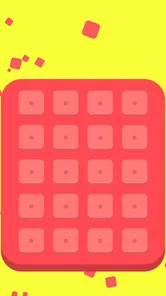
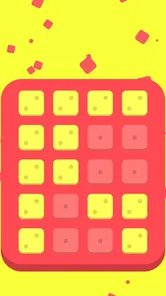
Colorful Mathematics 2 is described as a game where players combine dice and advance to advanced levels. That gives the game a clear mathematical theme and a progression-based goal, making it a possible fit for players who enjoy learning activities built around play. Its short description is simply “Colorful Mathematics,” so the dice-and-level premise is the clearest way to understand what the game focuses on before downloading.
What is Colorful Mathematics 2?
Colorful Mathematics 2 is an educational app designed to make learning math fun and engaging for children. It features vibrant graphics, interactive lessons, and a variety of mini-games that cover mathematical concepts such as addition, subtraction, multiplication, and division. The app aims to enhance children's problem-solving skills through engaging and colorful activities.
Is Colorful Mathematics 2 suitable for all age groups?
Colorful Mathematics 2 is primarily designed for children aged 6 to 12 years old. It offers various difficulty levels that cater to different age groups within this range, ensuring that the content is age-appropriate and challenging enough to stimulate learning and interest in mathematics. Its content rating is Everyone, which makes it broadly suitable for family audiences, while parents can still decide whether its math-focused gameplay matches a child’s current skills and interests.
Does Colorful Mathematics 2 require an internet connection to function?
No, Colorful Mathematics 2 does not require a continuous internet connection to function. The app can be used offline, allowing children to enjoy learning and playing math games anytime and anywhere. However, an internet connection may be necessary for downloading updates or accessing additional content.
Are there in-app purchases in Colorful Mathematics 2?
Yes, Colorful Mathematics 2 offers in-app purchases. While the app provides a range of free content, users can opt to purchase additional features, levels, or content packs to enhance their learning experience. Parental controls are recommended to manage and oversee any purchase activities within the app. The game is priced at $1.99, so check the purchase details on your device before installing to understand the cost and any available purchase options.
Pros
- Engaging and colorful interface.
- Develops problem-solving skills.
- Variety of math challenges.
- Stimulates cognitive functions.
- Interactive learning experience.
Cons
- Limited free content.
- In-app purchases required.
- Ads can be distracting.
- Requires internet connection.
- May not suit older students.